



Putting together a home inventory sounds tedious, right? Most Aussies reckon they can remember what they own, so why bother writing it all down. But the numbers prove otherwise. Over $1 billion in insurance claims each year go unpaid due to missing or incomplete documentation. The trick is, the difference between an easy claim and a massive headache comes down to how your inventory is prepared. That makes one simple checklist far more valuable than people expect.
| Key Point | Explanation |
|---|---|
| 1. Prepare essential documentation tools | Use a camera or smartphone for photos, along with a spreadsheet for details like value and serial numbers. |
| 2. Systematically categorize your items | Create broad categories for each room, then detailed subcategories within them for effective tracking. |
| 3. Document each item thoroughly | Capture multiple angles in high resolution, noting purchase details and current estimated values for each item. |
| 4. Store your inventory securely | Utilize cloud storage for accessibility and physical safes for document protection, ensuring backups exist. |
| 5. Regularly review and update your inventory | Schedule quarterly checks to assess items, update values, and remove sold or disposed belongings. |
Creating a home inventory requires strategic preparation and the right set of tools to document your belongings comprehensively and efficiently. Before diving into the detailed cataloguing process, gathering the appropriate resources will streamline your documentation and ensure accuracy.
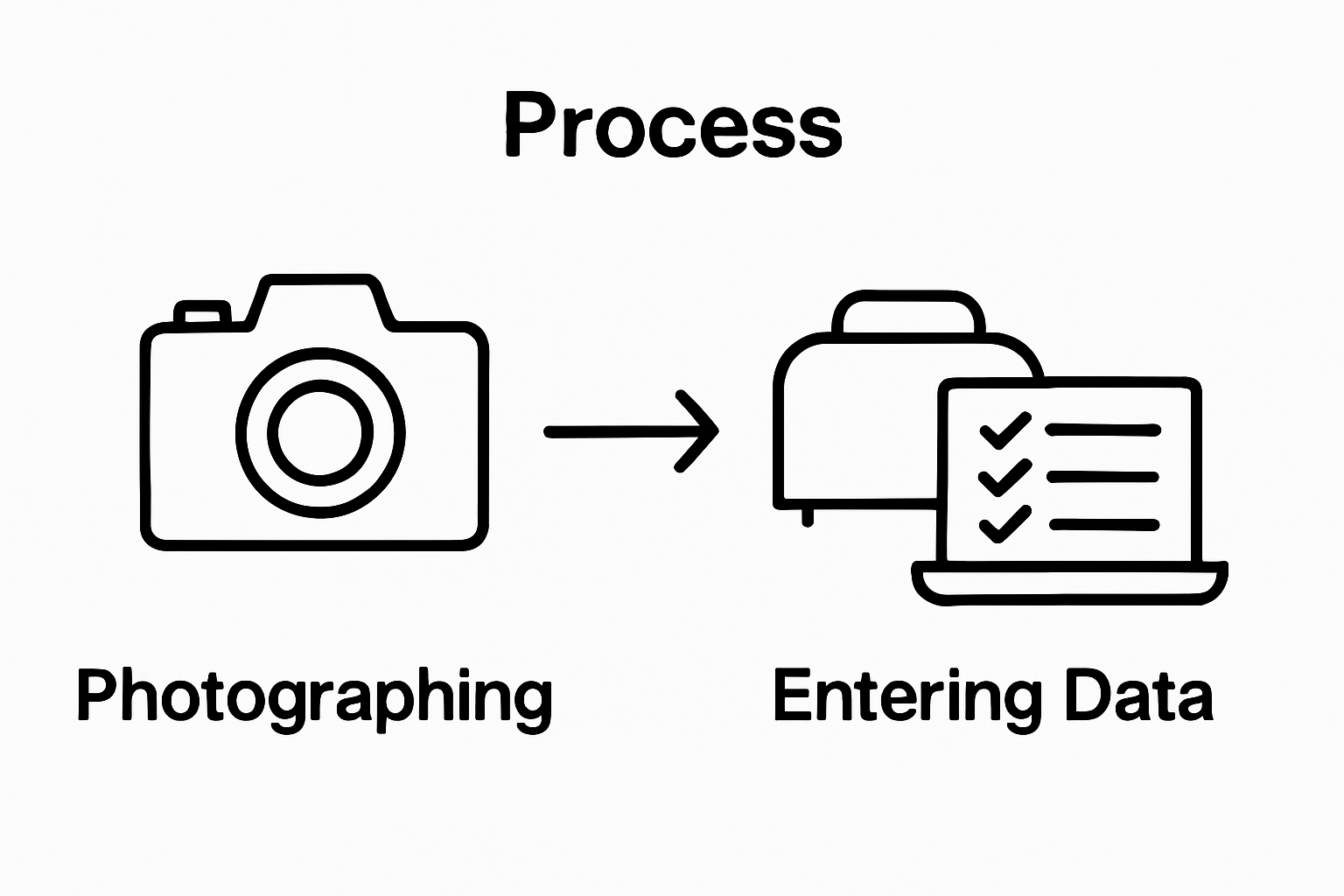
To begin creating a home inventory, you will need several key tools that will transform your documentation from a potential headache into a smooth, systematic process. Smartphone or digital camera are critical for capturing visual records of your possessions. Modern devices offer high-resolution image capabilities that can clearly capture item details, model numbers, and conditions. Alongside visual documentation, prepare a notebook or digital spreadsheet to record specific item information such as purchase dates, estimated values, and serial numbers.
According to Agriculture Victoria, photographing each item and noting critical details like model and serial numbers is crucial for potential insurance claims and asset tracking. Their recommendations underscore the importance of maintaining comprehensive documentation.
Your inventory toolkit should also include practical supplies like measuring tape for recording furniture dimensions, adhesive labels for marking items during the process, and protective document sleeves to preserve receipts and purchase records. A portable laptop or tablet can be immensely helpful for real-time digital data entry, allowing you to input information immediately as you move through your living spaces.
Below is a summary table of essential home inventory documentation tools, including their main use and any special considerations. This will help you quickly see what you need at a glance.
| Tool/Resource | Purpose | Special Considerations |
|---|---|---|
| Smartphone/Camera | Take high-resolution photos of each item | Ensure good lighting and clear focus |
| Laptop or Tablet | Enter item details and organise inventory digitally | Use spreadsheet or inventory software |
| Measuring Tape | Measure furniture and large items for records | Note dimensions for insurance or moving |
| Adhesive Labels | Temporarily tag items during documentation | Use removable labels to avoid residue |
| Document Folders | Store paper receipts and purchase documents | Use fireproof and waterproof folders |
| Protective Sleeves | Keep certificates, appraisals, and paperwork safe | Use acid-free sleeves for longevity |
| Cloud Storage | Back up digital inventory and photos | Use strong passwords and 2FA for security |
Key inventory documentation tools include:
Consider creating both digital and physical backups of your inventory. Digital files can be stored in cloud services, while physical copies provide a redundant record in case of technological failures. By investing time in meticulous preparation, you transform a potentially overwhelming task into a structured, manageable project that protects your personal property and provides peace of mind.
Successful home inventory creation hinges on developing a logical and comprehensive categorisation system that captures the full spectrum of your personal belongings. This step transforms a potentially chaotic documentation process into a structured, easily navigable record that will serve you for years to come.
Begin by establishing broad categories that encompass the major areas of your household. Living spaces will form the primary organisational framework, allowing you to methodically move through each room and subcategorise items within them. Typical categories might include kitchen items, bedroom furnishings, electronics, clothing, valuable collections, important documents, and sentimental belongings.
According to National Archives of Australia, implementing a hierarchical classification scheme ensures consistency and ease of information retrieval. This principle applies perfectly to home inventory management.
Within each broad category, create detailed subcategories that provide granular tracking. For instance, under “electronics” you might include subcategories like home entertainment systems, computing devices, kitchen appliances, and personal electronics. This multi-layered approach allows for precise documentation and makes future reference or insurance claims significantly more straightforward.
Key categorisation recommendations include:
As you develop your categorisation system, remain adaptable. Some items might not neatly fit into predefined categories, and that’s perfectly acceptable. Create flexible “miscellaneous” or “special collections” categories to accommodate unique possessions. The goal is creating a system that makes intuitive sense to you and allows quick, accurate item location.
Verify your categorisation system’s effectiveness by doing a quick test run. Select a few rooms and attempt to catalogue items using your newly developed framework. If you find yourself constantly creating exceptions or feeling frustrated, refine your categories. A good categorisation system should feel natural and reduce complexity, not introduce additional confusion.
Documenting each item in your home inventory requires meticulous attention to detail and a systematic approach that captures the full value and characteristics of your possessions. This critical step transforms a basic list into a comprehensive record that can prove invaluable for insurance purposes, personal tracking, and potential future valuations.
Begin by approaching each item as if you were creating a detailed profile. Photographic documentation is your first line of evidence, requiring clear, well-lit images that capture the item from multiple angles. For valuable or complex items, take close-up shots that reveal serial numbers, manufacturer marks, and any unique identifying features. Ensure your photographs are high resolution and stored in a secure digital format that allows easy retrieval and preservation.
According to National Archives of Australia, accurate description involves adding comprehensive metadata that provides context and detailed information. For each item, record critical details such as purchase date, original price, current estimated value, brand, model number, and any relevant provenance or historical information. Receipts and original purchase documentation should be scanned and stored alongside the item’s digital record, creating a complete profile that substantiates the item’s value and origin.
Key documentation elements to capture include:
Pay special attention to items with significant monetary or sentimental value. Collectibles, family heirlooms, expensive electronics, and unique artwork require extra documentation. For these items, consider obtaining professional appraisals and including those documents in your inventory. Take time to describe the item’s condition thoroughly, noting any wear, potential damage, or unique characteristics that might affect its value.
Verify your documentation’s completeness by reviewing each item’s profile. Ensure you have comprehensive visual and written records that would allow someone unfamiliar with the item to understand its full context and value. A well-documented inventory is not just a list of possessions but a detailed historical record of your personal belongings.
The table below captures the key elements to record for each item during inventory documentation, helping ensure consistency and accuracy for insurance or asset tracking.
| Element | Description/Example | Why It Matters |
|---|---|---|
| Photographs | Multiple well-lit images from different angles | Verifies ownership and condition |
| Serial/Model Number | Unique identifying codes from manufacturer | Essential for claims and replacement |
| Purchase Date & Price | When and how much you paid | Establishes item value and provenance |
| Estimated Current Value | Present-day replacement or resale worth | Ensures accurate insurance coverage |
| Condition Description | Notes on wear, repairs, or uniqueness | Supports value assessment and claims |
| Maintenance/Repair Facts | Records of servicing or repairs | May affect value and replacement criteria |
| Receipt/Documentation | Scanned or actual purchase proof | Streamlines insurance claims |
Securing your meticulously created home inventory requires a strategic approach that balances accessibility, safety, and technological protection. The goal is to create a storage system that allows quick retrieval while ensuring the long-term preservation of your critical documentation.
Digital storage solutions form the cornerstone of modern inventory management. Create multiple backup strategies that protect your information from potential loss. Cloud storage services offer robust protection, allowing you to access your inventory from multiple devices while maintaining secure, encrypted repositories. Consider using password-protected digital folders and professional cloud backup services that provide automatic synchronisation and version control.
According to Australian National University, safe storage principles extend beyond digital realms to physical document management. Implement a physical storage system that prioritizes protection and easy access. Invest in high-quality, fireproof document folders or safes that can withstand potential environmental risks. These storage solutions should be located in a cool, dry area away from direct sunlight and potential water damage.
Key storage recommendations include:
Consider creating both local and remote backup strategies. External hard drives provide a physical backup option, while cloud services ensure you can access your inventory from anywhere. Rotate your backup locations periodically to minimize risk. For physical documents, use acid-free storage containers and consider digitising important papers to create additional layers of protection.
Verify your storage system’s effectiveness by conducting periodic accessibility tests. Attempt to retrieve specific items from both digital and physical storage, ensuring you can quickly locate and access necessary information. Update your storage methods as technology evolves, maintaining a flexible approach that adapts to changing preservation technologies and personal needs.
A home inventory is a living document that requires consistent maintenance to remain accurate and valuable. Treating your inventory as a static record will quickly render it obsolete, potentially leaving you vulnerable during insurance claims or personal asset management.
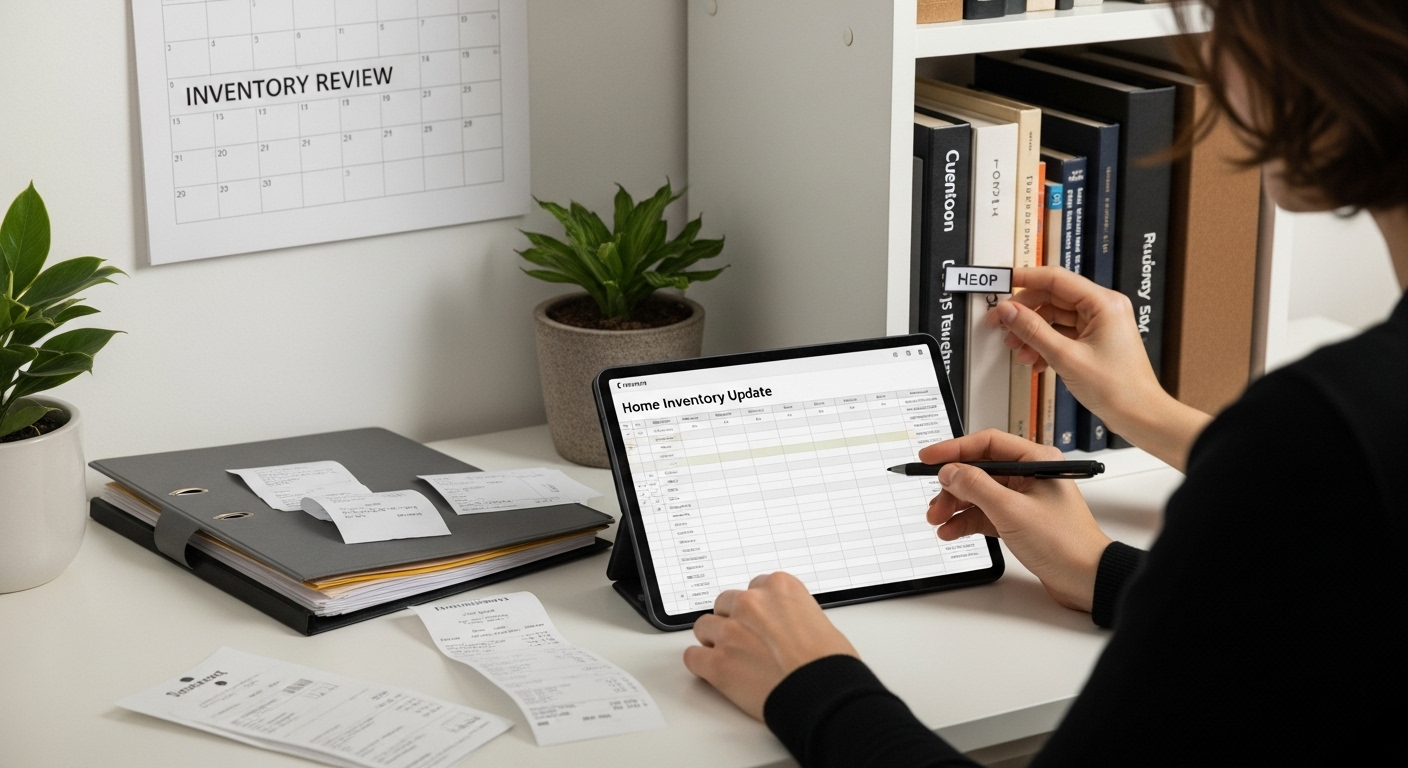
Quarterly reviews provide an ideal rhythm for keeping your inventory current. Set specific dates in your calendar to systematically walk through each room, comparing your existing documentation against the current state of your belongings. During these reviews, assess new purchases, identify items that have been sold or disposed of, and update valuations to reflect current market conditions. Technology can streamline this process digital spreadsheets and inventory management apps allow for quick modifications and provide timestamp tracking of your updates.
According to Services Australia, regularly updating asset information ensures accurate assessment of your personal property. This principle extends beyond government services to personal financial planning and insurance protection.
Life events often trigger the need for comprehensive inventory updates. Major milestones such as marriage, having children, purchasing significant assets, or experiencing home renovations represent critical moments to reassess your inventory. During these periods, your asset composition can change dramatically, making thorough documentation essential. Pay special attention to high-value items like electronics, jewelry, artwork, and collectibles, which can appreciate or depreciate rapidly.
Key update considerations include:
Develop a systematic approach to your review process. Create a checklist that guides you through each room, ensuring no area is overlooked. Use digital tools that allow easy tracking of changes, such as spreadsheets with version history or dedicated inventory management applications. Consider setting reminders on your smartphone or creating calendar events that prompt you to complete these critical updates.
Verify the effectiveness of your review by cross-referencing your updated inventory against recent purchase receipts, insurance documents, and photographic records. A robust inventory should tell a clear, current story of your personal property, providing peace of mind and practical protection against potential loss or damage.
Creating a home inventory is an essential part of staying organised and safeguarding your belongings, especially when you are preparing for a big move or updating your records for peace of mind. But sifting through your things, documenting everything in detail and worrying about safe storage can feel overwhelming. You want to make sure every item is accounted for, kept secure and ready for whatever life throws your way. That meticulous attention to detail and accuracy is exactly what Onyx Removals brings to every service, whether you are moving locally or need reliable packing and storage solutions.
Ready to protect your home and make your next move easier than ever? Team up with Onyx Removals for a stress-free experience built on expertise, trust and real care for your possessions. Visit our site today to get a quote or chat to our friendly Melbourne-based team about your unique needs. Act now to reclaim your peace of mind and keep your inventory in check with true professionals by your side.
You will need a digital camera or smartphone for capturing images, a laptop or tablet for data entry, measuring tape for furniture dimensions, and adhesive labels for organization. A notebook or digital spreadsheet is also essential for recording details like purchase dates and values.
Establish broad categories based on living spaces, such as kitchen, bedroom, electronics, and clothing. Create detailed subcategories within these groups to streamline documentation and make it easy to locate items later.
Capture multiple clear photographs, including angles that show serial numbers and condition. Record important details like the purchase date, original price, estimated current value, and any maintenance history.
Conduct a quarterly review to keep your inventory current. Use these check-ins to update item conditions, document new purchases, and reassess values, especially after significant life events or purchases.

No Related Post


