


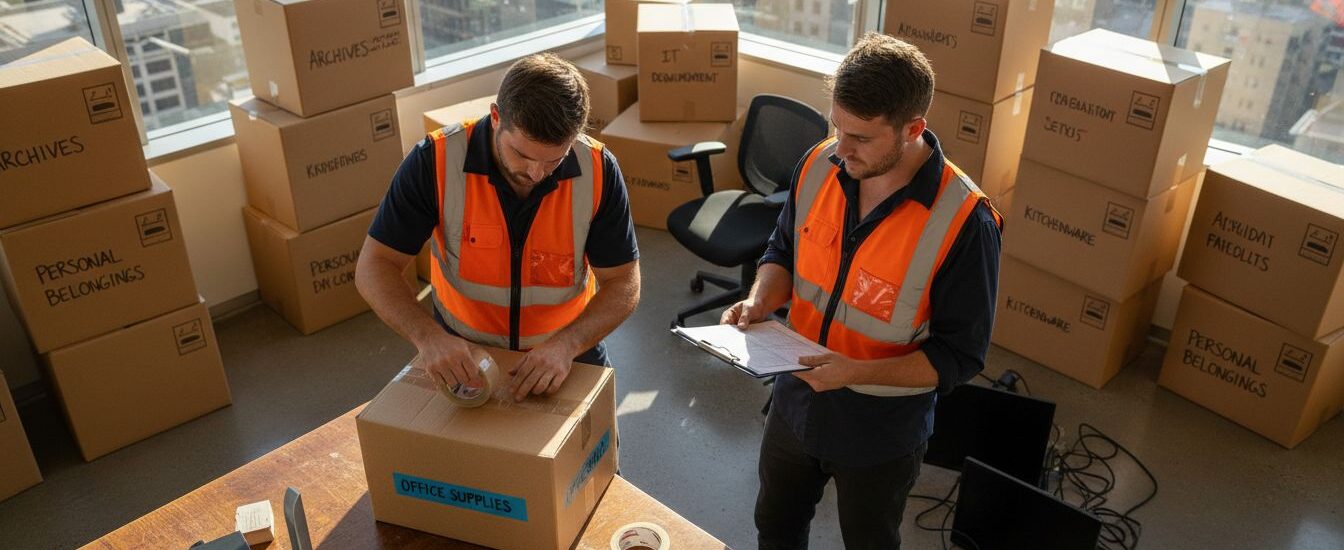
Over 60 percent of australian businesses encounter delays or damage during office moves simply due to missing key moving supplies. Relocating a workplace can quickly become chaotic without careful preparation, especially when valuable technology and sensitive documents are involved. By knowing exactly which packing materials and equipment to use, companies set themselves up for a safer and more organized transition into their new space.
| Point | Details |
|---|---|
| Essential Supplies | Use a range of quality packing materials and transportation equipment to ensure a smooth office relocation. Key supplies include cardboard boxes, bubble wrap, and moving dollies. |
| Systematic Packing | Create a detailed inventory of office assets and employ colour-coded labels to track items during the move, enhancing organisation and preventing loss. |
| Technology Protection | Invest in specialised packing supplies for electronic equipment, such as anti-static bubble wrap and moisture-resistant materials, to ensure safe transport. |
| Financial Planning | Allocate 10-15% of the overall moving budget for packing supplies and plan for possible unexpected expenses to manage costs effectively. |
Preparing for an office relocation requires strategic planning and the right set of moving supplies. The Victorian Government’s safety guidelines emphasise the critical importance of having proper manual handling equipment to safely transport office assets. Understanding which supplies are necessary can transform a potentially chaotic move into a smooth, organised transition.
The core essentials for office moving include specialised packing materials, transportation equipment, and protective gear. Cardboard boxes in multiple sizes form the foundation of any relocation, allowing systematic packing of documents, electronics, and small office equipment. Sturdy moving dollies enable safe transportation of heavy furniture like filing cabinets and desks, reducing physical strain and minimising potential workplace injuries. Additional critical supplies include:
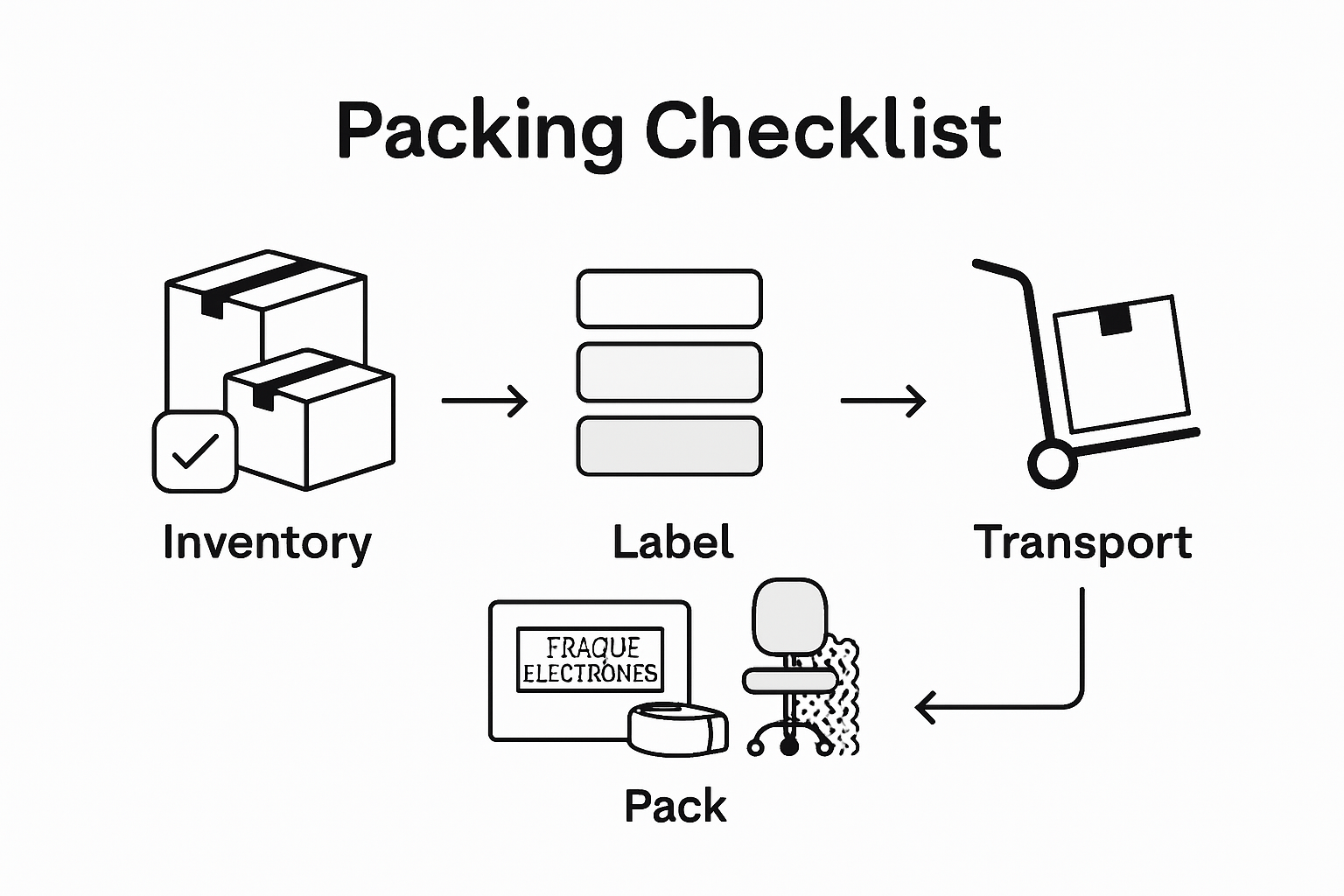
Professional movers recommend creating a comprehensive inventory and using colour-coded labels to track items during the relocation process. Western Australian Government resources underscore the importance of systematically documenting office furniture, including chairs, desks, bookcases, and filing systems to ensure nothing gets misplaced during transit. By investing in quality moving supplies and planning meticulously, businesses can minimise disruption and protect their valuable office assets during relocation.
Successful office relocations depend on selecting appropriate packing materials and equipment tailored to different types of office assets. The Western Australian Museum’s packing guidelines highlight the significance of using specialised materials that protect delicate and valuable items during transportation. Understanding the range of packing supplies is crucial for ensuring the safe transfer of office equipment.
Protective Packaging Materials form the first line of defence in safeguarding office assets. These include:
Transportation Equipment plays an equally critical role in office moves. The Department of Agriculture’s cargo transport guidelines recommend using robust materials that provide structural integrity and protection. Essential transportation equipment includes:
Professional movers understand that each piece of office equipment requires unique handling. By investing in high-quality packing materials and transportation equipment, businesses can minimise the risk of damage and ensure a smooth, efficient relocation process.
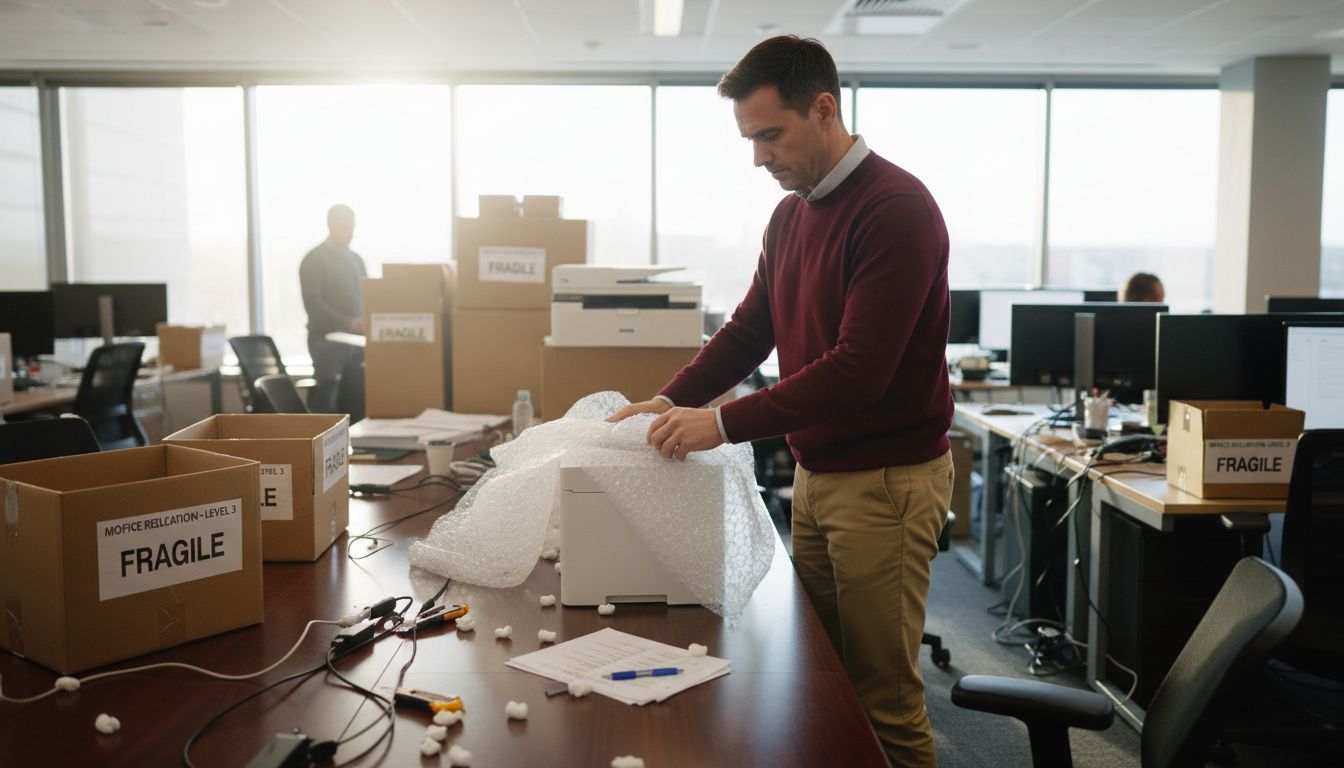
Moving office technology requires precision and specialized equipment to protect sensitive electronic assets. The University of Queensland’s relocation guide provides critical insights into safely transporting complex technological infrastructure, emphasising the importance of meticulous planning and appropriate packing materials.
Electronic Packing Essentials represent a critical component of technology relocation. These specialised supplies include:
The Department of Defence’s packaging requirements highlight additional considerations for protecting delicate electronic equipment during transportation. Professional movers recommend creating a comprehensive inventory of all technological assets, including serial numbers, model details, and current configurations. This documentation helps ensure proper handling and provides insurance protection in case of unexpected damage.
Specialised technology moving supplies go beyond simple packaging. They involve understanding the unique vulnerabilities of different electronic systems, from desktop computers and monitors to complex networking equipment and precision scientific instruments. By investing in high-quality, purpose-designed packing materials and following expert guidelines, businesses can significantly reduce the risk of technological damage during office relocations.
The Western Australian Government’s Removalist Services emphasise the critical importance of systematic approaches when preparing office furnishings for relocation. Professional movers understand that different pieces of furniture require unique packing techniques to prevent damage, preserve structural integrity, and ensure efficient transportation.
Furniture Disassembly and Preparation represent key strategies for successful office moves. Critical steps include:
The Victorian Government’s Office and Business Services Module recommends using mechanical lifting devices and creating strategic workspace layouts to facilitate safe furniture movement. Businesses should prioritise protecting valuable assets by:
Successful office furniture relocation requires meticulous planning, appropriate protective materials, and a systematic approach to packing and transportation. By following expert guidelines and investing in quality moving supplies, businesses can minimise the risk of damage and ensure a smooth transition to their new workspace.
The Victorian Government’s Office and Business Services Module highlights critical considerations for preventing potential issues during office relocations. Understanding common mistakes can significantly reduce risks and ensure a smoother moving experience for businesses of all sizes.
Potential Relocation Challenges that organisations frequently encounter include:
Key strategies for mitigating these risks involve:
Successful office moves require proactive problem prevention. By anticipating potential challenges, developing comprehensive strategies, and maintaining clear communication throughout the relocation process, businesses can transform what could be a stressful transition into a manageable, efficient experience. Investing time in careful planning and leveraging professional expertise dramatically reduces the likelihood of costly mistakes and operational disruptions.
The Western Australian Government’s Removalist Services highlights the importance of strategic financial planning when preparing for office relocations. Understanding the nuanced expenses associated with moving supplies can help businesses allocate resources efficiently and avoid unexpected financial strain.
Budget Breakdown for Moving Supplies typically encompasses several key categories:
The Department of Defence’s packaging requirements suggest creating a comprehensive budget that accounts for both standard and specialised moving supplies. Businesses should consider allocating approximately 10-15% of their total moving budget specifically to supplies and equipment. Practical budgeting strategies can help organisations manage these expenses effectively.
Successful office moving budgets require careful planning, detailed research, and flexibility. By anticipating potential costs, comparing supplier prices, and maintaining a buffer for unexpected expenses, businesses can ensure a financially manageable relocation process. Professional movers recommend obtaining multiple quotes, considering bulk purchasing options, and evaluating the long-term value of high-quality moving supplies over cheaper alternatives.
Facing the challenges of organising essential office moving supplies and specialised packing materials can quickly become overwhelming for any business. The article highlights the importance of strategic planning, comprehensive inventory management, and quality equipment to protect valuable technology and furniture throughout your relocation. If you want to avoid common pitfalls like inadequate preparation or damage to sensitive electronics, it is critical to partner with professionals who understand these nuances and can provide tailored moving solutions.
Take the stress out of your business relocation by trusting Onyx Removals, a Melbourne-based company dedicated to delivering personalised, seamless office moves. Whether you need assistance with packing, disassembly, or safe transportation of office technology and furnishings, our experienced team has you covered. Explore our specialised business removal services and discover why so many companies rely on us for reliable and efficient relocations.
Ready to transform your office relocation into a smooth, organised process? Visit Onyx Removals now to request a customised moving plan that fits your budget and timeline. Don’t leave the future of your office assets to chance when expert support is just a click away.
To ensure a seamless office relocation, essential supplies include cardboard boxes of various sizes, sturdy moving dollies, bubble wrap for fragile items, heavy-duty packing tape, marking pens, furniture blankets, and specialised containers for technology.
Protecting delicate technology requires specialised supplies such as anti-static bubble wrap, custom-fitted transportation containers, shock-absorbing foam inserts, and moisture-resistant packing materials to safeguard against damage.
Effective strategies for packing office furniture involve documenting the original configurations, disassembling removable parts, labelling items, and using protective materials like bubble wrap and furniture blankets to prevent damage during transport.
A good budget for moving supplies should include categories like packing materials, protective equipment, transportation accessories, specialised tech containers, and a contingency fund for unexpected costs, typically accounting for 10-15% of the total moving budget.

No Related Post


