



More than one third of all Australian household waste can be composted instead of sent to landfill. For eco-conscious homeowners in Melbourne, preparing for a move offers a unique chance to cut down on rubbish while helping the environment. Smart composting not only reduces mess and odours during packing but also turns everyday scraps into garden gold. Discover how to choose the right composting method and keep your move as sustainable as possible.
| Key Point | Explanation |
|---|---|
| 1. Choose the right composting method | Assess your space and waste type to select an effective composting method like a worm farm or Bokashi bin for small areas. |
| 2. Set up a well-placed composting bin | Locate your compost bin in a shady spot with good drainage near your kitchen to facilitate easy access and optimal conditions. |
| 3. Collect and sort compostable materials | Gather organic waste like vegetable scraps and yard trimmings while avoiding non-biodegradable items for high-quality compost. |
| 4. Layer materials and maintain your system | Use alternating layers of green and brown materials, and turn the compost regularly for efficient decomposition and to prevent odours. |
| 5. Check compost readiness before relocating | Ensure compost is dark, crumbly, and odour-free prior to moving to avoid pest attraction and maintain quality during transport. |
When preparing for a zero waste move, selecting the right composting method can transform your household waste management strategy. Your choice will depend on several key factors including available space, time commitment, and the type of organic waste your household generates.
The most effective composting approaches vary based on individual circumstances. Urban composting systems range from compact worm farms perfect for small apartments to traditional compost heaps ideal for homes with backyard space. Bokashi bins offer another excellent option for those with limited outdoor areas. The critical consideration is balancing your waste types with the right decomposition method. Sustainable composting requires understanding the carbon and nitrogen material ratios to ensure successful breakdown of organic matter.
Here’s a comparison of popular home composting methods and their suitability:
| Composting Method | Suitable Spaces | Waste Types Processed | Maintenance Required |
|---|---|---|---|
| Worm Farm | Balconies, indoors | Fruit, veg, coffee, small scraps | Moderate, needs feeding and moisture |
| Traditional Heap | Backyards, gardens | Food, yard trimmings, leaves | Regular turning for aeration |
| Bokashi Bin | Kitchens, small spaces | All food scraps, including meat | Low, requires bokashi bran |
Quick Tip: Before finalising your composting method, measure your available space and assess your typical weekly food and garden waste volume to select the most appropriate system.
With your composting method selected, it is time to establish your home composting bin for efficient waste management during your move. Setting up a successful composting system requires careful planning and strategic placement to ensure optimal decomposition conditions.
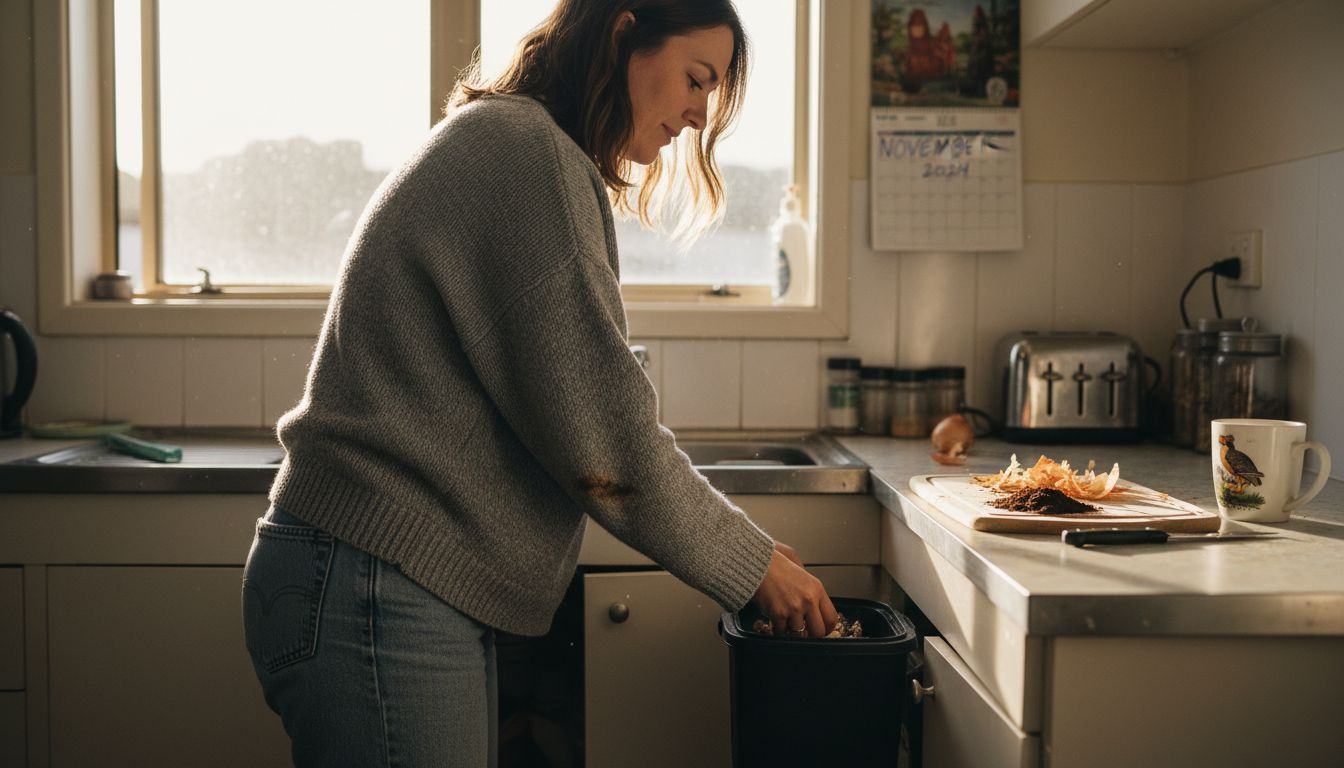
Selecting the right location is crucial for your composting success. Look for a shady spot with good drainage and proximity to your kitchen. University experts recommend starting with a base layer of twigs or mulch to promote air circulation and prevent waterlogging. Your bin should sit on natural ground rather than concrete to allow beneficial microorganisms access and enable proper drainage.
Quick Tip: Position your compost bin where you can easily access it during your moving preparations and ensure it receives partial shade to maintain consistent decomposition temperatures.
Transforming your household waste into valuable compost requires careful sorting and collection. This step is crucial for creating high-quality compost that will nourish your garden and reduce landfill waste during your moving process.
Green waste management strategies are essential for successful composting. Focus on collecting organic materials like fruit and vegetable scraps, coffee grounds, tea bags, and garden trimmings. Be mindful to avoid contaminating your compost with non biodegradable items. Certified compostable products can be included, but ensure they meet Australian composting standards to prevent microplastic contamination. Separate your materials into green nitrogen rich items like food scraps and brown carbon rich materials such as dry leaves, cardboard, and paper to maintain a balanced compost mix.
Quick Tip: Keep a small kitchen container with a tight lid for collecting daily food scraps to make sorting easier during your move and prevent odours.
Maintaining a healthy compost system requires strategic layering and consistent care during your moving preparations. Your goal is to create an environment that supports efficient decomposition and prevents common composting challenges.
Compost layering techniques are critical for successful waste transformation. Start by alternating thin layers of green nitrogen rich materials and brown carbon rich materials to maintain proper balance. Aim for approximately equal volumes of each type to support optimal decomposition. University experts recommend covering green scraps with a thin layer of brown materials to deter pests and control odour. Regular turning every week helps introduce oxygen and accelerate the breakdown process while preventing anaerobic conditions that can create unpleasant smells.
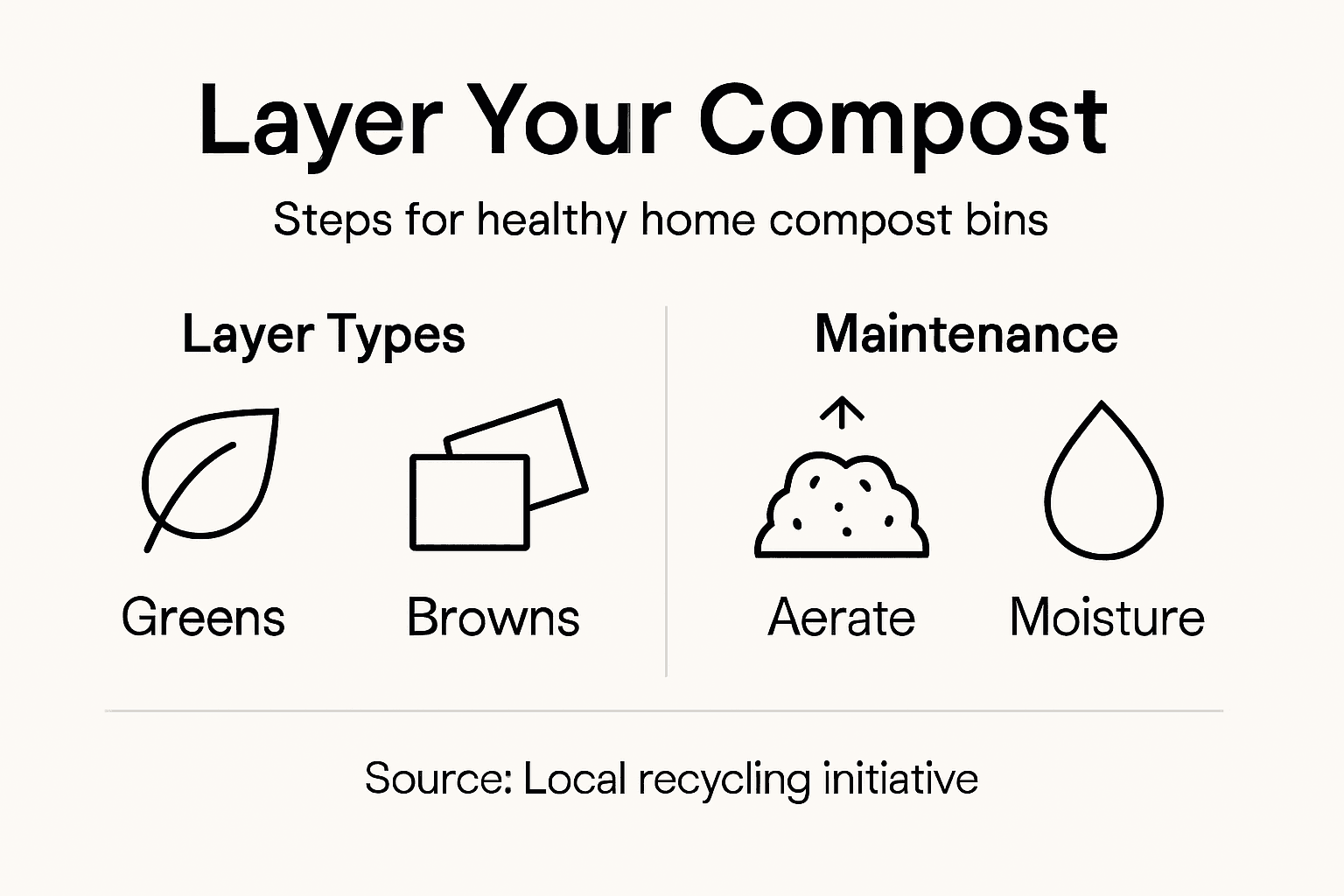
Quick Tip: Keep a small garden fork or compost aerator near your bin to make weekly turning quick and easy during your moving preparations.
As your moving day approaches, assessing your compost system’s maturity becomes crucial to ensure you can safely transport and continue your composting journey at your new home. Understanding how to evaluate compost readiness will help you avoid potential issues during relocation.
Compost maturity indicators provide clear signals about your system’s health. Look for a dark, crumbly texture resembling rich soil with an earthy pleasant smell. No recognisable food scraps should remain visible and the pile temperature should be cool. Sustainability experts recommend waiting until all materials have completely broken down before moving to prevent potential pest attraction or odour issues. If your compost still contains identifiable food remnants or emits a rotten smell, allow more time for decomposition before packaging for transport.
This table summarises signs your compost is ready to be moved:
| Compost Indicator | Preferred State | Why It Matters |
|---|---|---|
| Texture | Crumbly, soil-like | Easy to handle, good soil amendment |
| Smell | Earthy, neutral | Confirms proper decomposition |
| Visible Scraps | None visible | Reduces pest and odour risk |
| Temperature | Ambient, cool | Signifies completed breakdown |
Quick Tip: Grab a small sample of your compost and squeeze it gently checking for a moist yet crumbly consistency that indicates it is ready for moving.
Composting at home for zero waste moving is a brilliant way to reduce landfill waste and nurture your new garden with nutrient-rich soil. However, managing your compost along with the physical and logistical demands of relocating can feel overwhelming. You want to keep your compost system healthy and ready for transport without adding stress to your move. At Onyx Removals, we understand the importance of balancing sustainability goals like effective composting with a smooth relocation experience.

Take the pressure off your zero waste efforts by partnering with a professional moving company who respects your eco-friendly lifestyle. With personalised moving plans, residential and commercial removals, and specialised services including waste disposal and storage solutions, Onyx Removals offers exactly what you need for a stress-free, responsible move. Begin your sustainable moving journey today by exploring our wide range of services at Onyx Removals. Let us help you keep your compost journey on track while making your next move seamless and successful.
The best composting method depends on your available space and the type of organic waste you generate. For small apartments, consider a worm farm or Bokashi bin, while backyards are ideal for traditional compost heaps. Assess your space and waste volume to select the system that best fits your needs.
To set up your composting bin, choose a shady spot with good drainage near your kitchen. Start with a base layer of twigs or mulch for aeration, then add layers of green and brown materials. Ensure that your bin is on natural ground to allow beneficial microorganisms access.
You can compost organic materials like fruit and vegetable scraps, coffee grounds, and garden trimmings. Avoid non-biodegradable items and ensure that any certified compostable products meet local standards. Separating materials into green nitrogen-rich items and brown carbon-rich materials will help maintain a balanced compost mix.
A good practice is to turn your compost pile every week to introduce oxygen and accelerate decomposition. This regular aeration prevents anaerobic conditions that can cause unpleasant odours and ensures that your compost breaks down effectively during your move.
Your compost is ready when it has a dark, crumbly texture resembling rich soil and an earthy smell. Ensure that no food scraps are visible and that the temperature is cool. Checking for a moist yet crumbly consistency will indicate that it is ready for transport to your new home.
If your compost emits a bad smell, it may be due to an imbalance of materials. Check for excess green materials or too much moisture and add carbon-rich brown materials to restore balance. Regularly turning the compost can help aerate it and eliminate odours, so make that a part of your routine.

No Related Post


