


No. Household goods aren’t automatically covered when a removalist moves them, and removalist liability is not the same thing as transit insurance. In Australia, there’s no legal requirement for a mover to carry goods-in-transit cover, so ask for the Product Disclosure Statement (PDS) and Certificate of Insurance before booking, or arrange your own transit policy separately.
TL;DR:
- Removalist liability usually limits compensation based on the weight of damaged goods, not their full value, which can leave high-value items undercovered.
- Public liability insurance covers third-party injuries or property damage, but does not necessarily include protection for your belongings during transit.
- Transit insurance offers full or restricted coverage for loss or damage during moving, with exclusions like self-packed boxes, valuables, perishables, and general wear.
- Checking the insurer, coverage details, and documentation before booking is crucial, as many removalists cannot legally sell insurance themselves without proper licensing.
- To ensure complete protection, consider extending your home and contents policy, purchasing standalone transit insurance, or using a removalist-facilitated policy, and always verify coverage start and end points.
Table of Contents
- What removalist liability actually covers (and where it falls short)
- Transit insurance: what it covers and what it skips
- How to check a removalist’s insurance before you book
- How to actually arrange transit cover for your move
- What a professional mover changes about this risk
- Why the “fully insured” line is doing you a disservice
- Get your move covered properly from the start
- Sources
- FAQ
What removalist liability actually covers (and where it falls short)
Removalist liability is the baseline protection built into most moving contracts, and it’s usually far thinner than customers expect. Many removalists limit their liability based on the weight of goods damaged rather than on the item’s value, a formula lifted straight from the freight industry rather than designed with a family’s furniture in mind. That figure can leave you badly short if a $3,000 dining table splits into two, because the payout is typically based on weight rather than the purchase or replacement cost.
There’s also a legal hurdle most people don’t know about: liability claims typically require proof of negligence. If a box goes missing or a lounge gets scratched, the mover isn’t automatically on the hook. You need to show the damage happened because of something the company did wrong, not just that it happened while your goods were in their care.
- Liability limits are often set per kilogram, not per item value
- Payouts generally require you to prove negligence, not just loss
- Public liability insurance covers injury or property damage to third parties, not your belongings
- “Fully insured” in a removalist’s marketing usually refers to public liability, not your goods
Pro Tip: Never assume “insured” means your goods are covered. Ask the specific question: “Does this include goods-in-transit cover for my belongings, or just public liability?”
The distinction between public liability and cover for your own goods trips up more customers than any other part of this conversation. One protects the mover from a claim by someone else. The other protects you.
Transit insurance: what it covers and what it skips
Transit insurance, sometimes called goods-in-transit insurance, is a separate policy that covers loss or damage to your belongings while they’re being moved, stored, or handled. It’s the layer that actually protects your possessions, rather than the mover’s business. Sample policy wording from insurers shows two broad shapes: full cover and restricted cover. Full cover typically extends to accidental loss or damage, including damage during packing, loading and unloading, when a professional removal company handles those tasks. Restricted cover narrows the protection down to specific named events.
Common covered events include:
- Vehicle accidents during transport
- Fire
- Theft
- Some storms and weather-related damage, depending on the policy
Common exclusions are just as important to understand:
- Items you packed yourself (self-packed boxes are frequently restricted or excluded outright)
- Jewellery, cash and other high-value small items above a stated limit
- Perishables and plants
- General wear and tear or mechanical/electrical failure not caused by an insured event
The gap between full and restricted cover is bigger than most people realise. One insurer’s PDS specifically excludes cash, jewellery, plants and animals, and sets limits on how long goods can sit in storage while still being covered under a transit policy, rather than needing a separate storage policy.
Declared value matters just as much as the exclusions list. You’ll typically choose between insuring for replacement value (what it costs to buy the item new today) or current value (what it’s worth secondhand, accounting for age and condition). The excess you select also shapes the outcome, a higher excess lowers your premium but increases what comes out of your pocket if something goes wrong.

How to check a removalist’s insurance before you book
Ask these questions before you sign anything, ideally in writing so you have a record of the answers.
- Who is your insurer, and can I see the Certificate of Insurance? A legitimate policy has a name behind it, not a verbal assurance.
- Does your cover include goods-in-transit insurance, or only public liability? These are different products and the answer should be specific.
- Can I see the PDS and Financial Services Guide (FSG)? These documents spell out exclusions, excess, and how claims are assessed.
- Is loading and unloading covered, or only the road transport itself? Damage often happens at these two points.
- Is incidental storage included if my move needs a short delay between pickup and delivery?
Under Australian financial services law, removalists generally can’t sell insurance products themselves unless licensed or acting as an authorised representative. If a company offers to “sort out insurance” without pointing you to an insurer, broker, or a clearly named product, that’s worth questioning further.
Pro Tip: A vague answer is a red flag on its own. If a removalist can’t name their insurer or won’t produce a Certificate of Insurance within a day, treat that as a warning sign, not an oversight. A 15-point question checklist can help you cover the rest of the conversation, including fees that often get missed.
How to actually arrange transit cover for your move
Most standard home and contents policies stop covering your belongings the moment they leave your house, and Canstar’s guidance on transit insurance confirms this is one of the most common gaps homeowners discover too late. You’ve got three realistic routes to close it.
- Extend your existing home and contents policy. Some insurers offer a transit or “goods in transit” add-on for an extra premium. Check with your current insurer first, it’s often the cheapest fix if it’s available.
- Buy a standalone transit policy direct from an insurer or through a broker. This gives you full control over declared value, excess and cover dates, independent of the removalist.
- Use a removalist-facilitated policy, where the mover connects you with an insurer or broker they work with. The mover still can’t sell you the policy directly unless licensed, but they can point you in the right direction.
Whichever route you choose, the process looks roughly the same:
| Step | What to do |
|---|---|
| 1 | Get a quote and confirm what’s included versus optional |
| 2 | Declare high-value items individually, don’t assume they’re bundled in |
| 3 | Confirm exactly when cover starts and ends |
| 4 | Photograph condition of furniture and valuables before moving day |
| 5 | Keep a written inventory and receipts for anything expensive |
Timing matters more than people expect. Sample PDS wording often states that cover begins when the professional carrier starts packing, not simply when the truck is loaded, but only if the removalist is doing that packing. If you pack the boxes yourself, cover may not start until the goods are actually in transit, and self-packed items are commonly restricted regardless. A full breakdown of moving insurance options is worth reading in full if you’re moving anything of significant value or moving interstate.
What a professional mover changes about this risk
A reputable removalist doesn’t eliminate the need for transit insurance, but it does reduce how often something goes wrong in the first place. Professional removal companies often run residential and commercial moves, packing and unpacking, storage and specialised transport, and treat the insurance conversation as part of the quote process rather than an afterthought.
Practical steps that genuinely lower risk during a move:
- Professional packing for fragile or high-value items, rather than relying on self-packed boxes that many policies restrict
- Pre-move condition notes and photos taken before anything leaves the house
- Carrying small valuables (jewellery, cash, important documents) yourself rather than putting them in the truck
- Asking direct questions about what’s covered before the move date, not on moving day
None of this replaces a transit policy for items you genuinely can’t afford to lose. It does mean fewer claims start in the first place, and the ones that do start have better evidence behind them. A detailed explainer on household goods movers insurance covers how this plays out with local movers specifically.
Why the “fully insured” line is doing you a disservice
Most of the advice circulating about moving insurance treats “ask if they’re insured” as a complete strategy. It isn’t. The real skill is knowing which of the two very different products, removalist liability or transit insurance, actually protects your belongings, and asking the follow-up question that separates them.
The conventional wisdom undersells how thin liability limits usually are, calculated by weight rather than value, and it oversells how much comfort a verbal “yes, we’re insured” should give you. A Certificate of Insurance and a PDS take five minutes to request and read. Skipping that step is where most disputes start, not at the moment something gets broken.
If you’re moving anything you’d genuinely struggle to replace, the belt-and-braces approach wins: rely on a mover that packs and handles goods properly, and back that up with your own transit policy for the items that matter. Trusting one or the other alone is the mistake. Prioritise getting the documents first, then decide whether you need extra cover, in that order.
— Dinshaw
Get your move covered properly from the start
Some removalists handle residential and commercial moves, packing and unpacking, storage and specialised transport, and unlike a lot of quote processes that treat insurance as fine print, some teams walk through what’s covered and what isn’t before booking. If you want packing done by professionals rather than relying on self-packed boxes that most policies restrict, that’s built into the pricing and service packages from the outset.
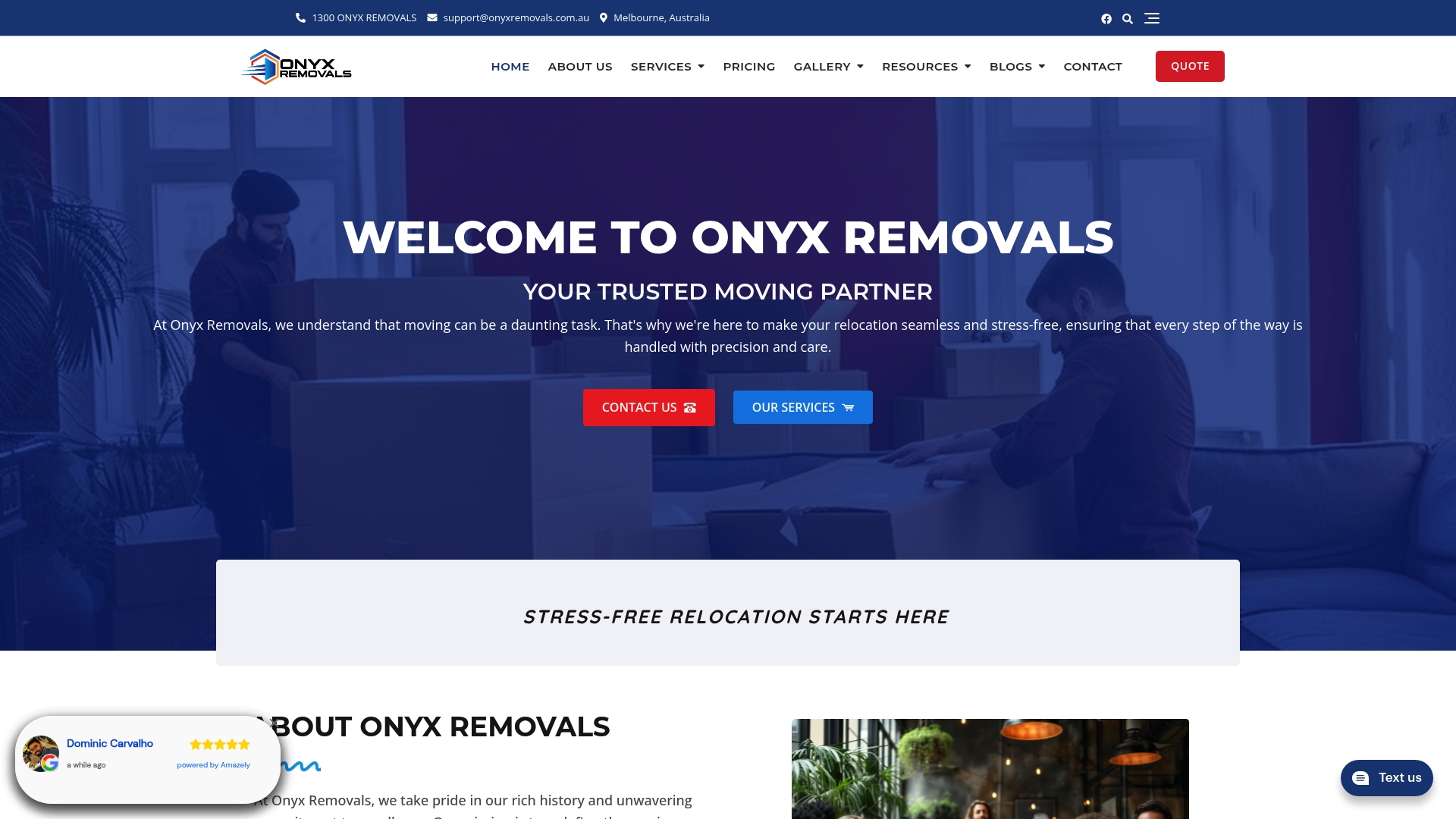
Whether you need a full residential move, short-term storage between properties, or just a straight answer on what your quote actually includes, request a quote through the services page and ask directly for the Certificate of Insurance and PDS before you commit. It’s a two-minute question that can save you a much longer argument later.
Sources
- What to consider when using a furniture removalist — Consumer and Business Services (SA)
- ASIC: overview of implementation of the Financial Services Reform Act — media release
- Moving insurance explained — Canstar
- NTI — Home contents transit insurance PDS (excerpt)
FAQ
Is goods-in-transit insurance legally required for removalists in Australia?
No, there is no legal requirement for removalists to carry goods-in-transit insurance. It’s entirely optional, so you need to ask directly rather than assume it’s included.
Does my home and contents insurance cover a move?
Usually not. Standard home and contents policies typically exclude belongings while they’re being moved, unless you’ve added a specific goods-in-transit extension.
What documents should I ask a removalist for before booking?
Ask for the Certificate of Insurance, the PDS, and the Financial Services Guide (FSG). These show who the insurer is, what’s covered, and what’s excluded, including whether loading and unloading are included.
Are self-packed boxes covered under transit insurance?
Often not, or only with restrictions. Many policies limit or exclude cover for boxes you packed yourself, so professional packing for fragile or high-value items typically gives you stronger protection.
Can a removalist sell me an insurance policy directly?
Generally no. Removalists can’t sell insurance products unless they’re licensed or an authorised representative, so they’ll usually point you to an insurer or broker instead. Some removalists discuss insurance options as part of the quote conversation rather than selling a policy themselves.
Recommended
About the Author


