


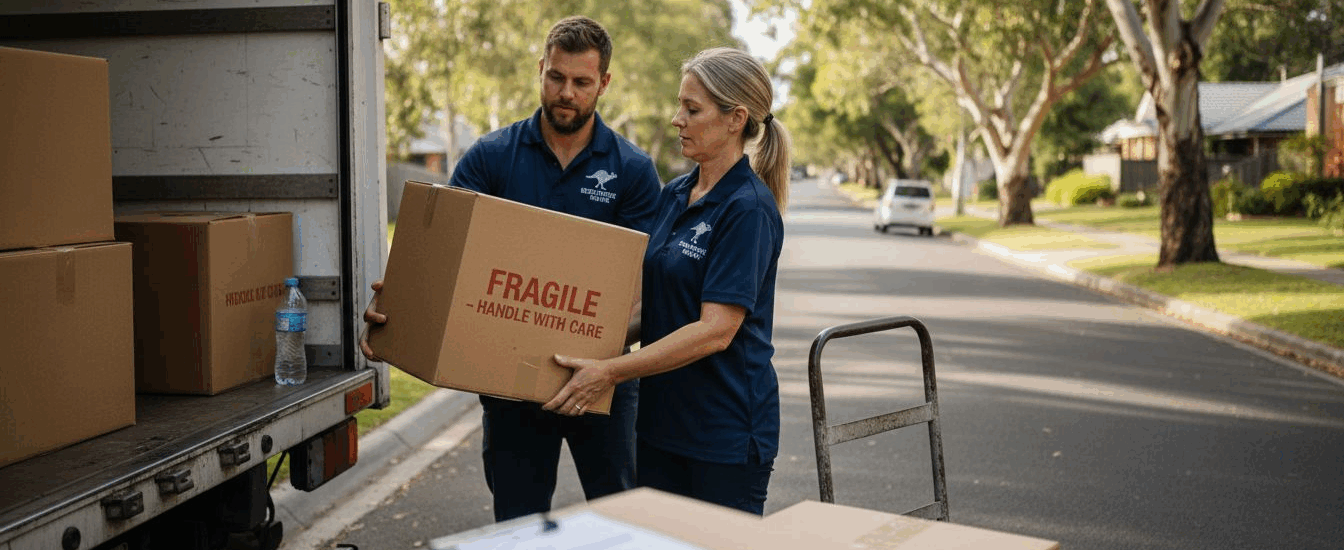
Moving house in Melbourne can be stressful when thinking about the safety of your prized possessions. With so many risks during transit, trusting only basic protections from standard moving companies may leave your valuables exposed. Choosing a strong policy for household goods movers insurance gives peace of mind by covering accidental damage, theft, and loss. Australian Consumer Law provides automatic guarantees, but specialised insurance helps safeguard belongings with broader coverage so you can relocate with confidence.
| Point | Details |
|---|---|
| Importance of Coverage | Household goods movers insurance is essential to protect your belongings from potential damage or loss during relocation. |
| Understand Your Policy | Homeowners must carefully review policy limits, excess amounts, and specific exclusions to ensure adequate coverage. |
| Document Before Moving | Always document your items with photographs and inventories to facilitate smoother insurance claims if necessary. |
| Claim Process Clarity | Familiarise yourself with the claims process, including necessary documentation and notifications required for successful compensation. |
Household goods movers insurance provides critical protection for your belongings during residential relocations. When you’re moving, numerous risks can potentially damage or lose your valuable possessions, making comprehensive insurance a strategic safeguard for your personal property.
Under Australian Consumer Law, consumers have certain guarantees when purchasing moving services. However, standard moving company protections may not fully cover potential losses, which is where specialised household goods movers insurance becomes essential.
Typical household goods movers insurance covers several key areas:
When selecting insurance, homeowners should carefully consider:
Different levels of coverage exist, ranging from basic protection to comprehensive plans that offer total replacement value. The right choice depends on your specific moving circumstances, the value of your possessions, and your personal risk tolerance.
Here’s a summary comparing typical moving insurance coverage levels in Australia:
| Coverage Level | Protection Scope | Suitable For |
|---|---|---|
| Basic | Covers selective risks only | Small moves, low-value items |
| Standard | Includes transit and loading damages | Standard household relocations |
| Comprehensive | Replacement value plus additional options | Large moves, valuable possessions |
Pro tip: Always document your valuable items with photographs and written inventories before moving to ensure smooth insurance claims if needed.
Moving house insurance encompasses a range of protection strategies designed to safeguard your household goods during relocation. Understanding the comprehensive insurance options available in Australia can help homeowners make informed decisions about protecting their valuable possessions.
Typical coverage types include:
When evaluating insurance options, homeowners should assess several critical factors:
Specialised policies can be tailored to individual needs, with variations based on the nature of goods, moving distance, and specific risk profiles. Some insurers offer flexible plans that can be customised to provide targeted protection for unique household inventories.
Different insurance products offer varying levels of protection, so carefully review policy details before making a final selection.
Homeowners should also consider additional factors such as excess amounts, claim processing times, and specific exclusions that might impact their coverage. Consulting with insurance professionals can help identify the most suitable protection strategy for your specific moving circumstances.
Pro tip: Request detailed written documentation of your household items and their estimated values before finalising your moving insurance policy to ensure comprehensive coverage.
Insurance policies represent a legal contract between the insurer and the policyholder, outlining specific terms of protection and compensation. Understanding how insurance claims work is crucial for homeowners navigating household goods moving insurance.
The typical insurance policy structure involves several key components:
When making a claim, homeowners must follow a structured process:
Insurance operates on the principle of utmost good faith, requiring complete honesty from both parties during the entire process.
Claim assessment involves a comprehensive review where insurers evaluate the reported incident against policy terms. They’ll examine evidence, verify the cause of damage, and determine whether the claim falls within the agreed coverage parameters.

Pro tip: Maintain a detailed inventory of household items with photographs and valuation documents to streamline the claims process and improve your chances of successful compensation.
Insurance policies often contain hidden complexities that can catch homeowners off guard during moving claims. Understanding policy exclusions and disputes is crucial for protecting your household goods during relocation.
Common exclusions in moving insurance typically include:
Potential policy pitfalls that homeowners should watch for:
Not all damage is created equal. Insurers have specific criteria for what constitutes a valid claim.
Documentation and evidence play a critical role in navigating these potential pitfalls. Detailed records, photographs, and proper packaging can significantly strengthen your claim and increase the likelihood of successful compensation.
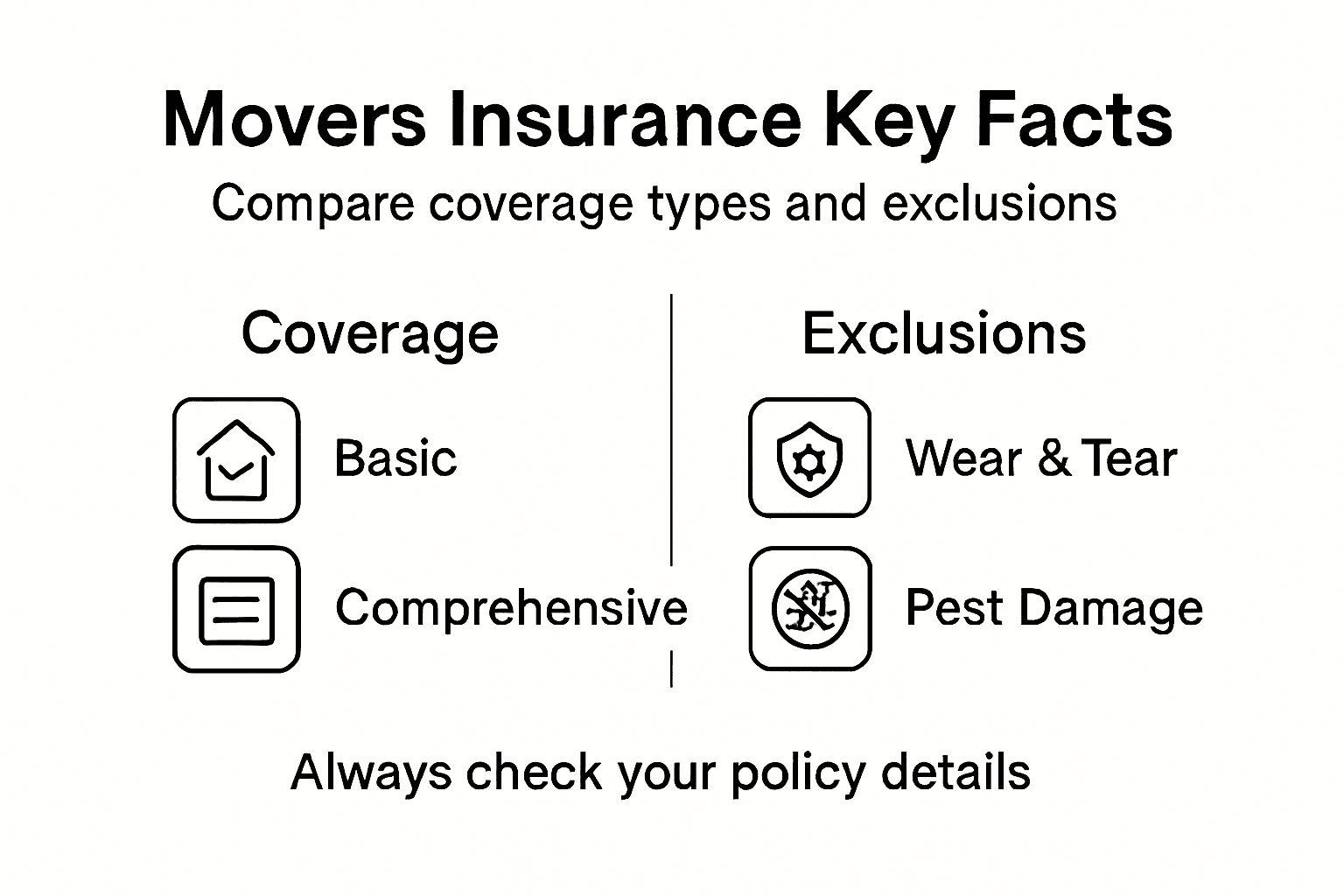
The following table distinguishes common policy exclusions from pitfalls you should avoid as a policyholder:
| Type | Examples | How to Manage |
|---|---|---|
| Exclusions | Gradual wear, pest damage | Read policy thoroughly before signing |
| Pitfalls | High excess, restrictive definitions | Ask questions and compare policies |
Consumers have protection mechanisms through Australian consumer laws and the General Insurance Code of Practice, which provide support and guidance in resolving insurance disputes.
Pro tip: Always request and carefully read the full Product Disclosure Statement before finalising your moving insurance policy to understand exactly what is and isn’t covered.
Insurance claims involve complex financial and legal considerations that homeowners must carefully navigate. Understanding insurance dispute resolution mechanisms is crucial for protecting your rights during moving insurance processes.
Key cost components in moving insurance include:
Legal responsibilities for consumers involve:
Australian Consumer Law provides protection mechanisms for consumers navigating insurance claims and disputes.
Claim submission requires meticulous attention to detail. Homeowners must provide comprehensive evidence, including photographs, valuation documents, and detailed descriptions of damage. Failure to meet these requirements can result in claim rejection.
Additional legal protections exist through bodies like the Australian Financial Complaints Authority, which offers free dispute resolution services for consumers facing insurance challenges.
Pro tip: Maintain a comprehensive digital and physical file of all moving-related documents, including insurance policies, receipts, and communication records, to strengthen your position during potential claims.
Moving house involves many uncertainties including potential damage or loss of your precious belongings as highlighted in the discussion about household goods movers insurance. Understanding your coverage options and ensuring your valuables are safeguarded brings peace of mind during what can be a stressful time. Onyx Removals specialises in tailored removal services for both residential and commercial clients in Melbourne offering professional packing, careful handling, and customised moving plans designed to minimise risks and support your insurance needs.

Choose Onyx Removals for your next relocation and benefit from our experience combined with good insurance practices. Explore our business – Onyx Removals services to find flexible options including secure packing and expert transportation that align with insurance requirements. For a seamless and worry-free moving experience backed by professionalism visit https://onyxremovals.com.au today to request a quote or speak directly with our team about how we can help protect your valuable household goods throughout the entire process. Don’t leave your move to chance act now and secure the protection your possessions deserve.
Household goods movers insurance is a type of coverage that protects your belongings during residential relocations, safeguarding against risks like damage, theft, or loss during the moving process.
Moving inherently involves several risks that can lead to damage or loss of your possessions. Insurance helps protect your valuable items, ensuring you can recover costs if something goes wrong during the move.
Moving house insurance typically includes all-risk insurance, replacement value coverage, partial coverage for specific risks, and liability coverage. Each option offers varying levels of protection depending on your needs and the value of your belongings.
To file a claim, document the damage thoroughly, notify your insurer immediately, provide supporting evidence, complete required claim forms, and cooperate with the insurance investigation process to assess the damage.

No Related Post


