



Think your local council picks up that old couch for free? You’re not alone. 45% of residents incorrectly assume council bulky waste pickup is free annually, a belief that leads to costly fines and moving delays. Whether you’re relocating or clearing out at lease end, understanding Melbourne’s bulky furniture removal rules, professional options, and disposal methods will save you time, money, and headaches. This guide unpacks the facts you need for a smooth, compliant move.
| Point | Details |
|---|---|
| Professional removal cuts injury risk | Trained teams use safety protocols and equipment to prevent the 34% injury rate from DIY lifting. |
| Council pickup requires booking and fees | Melbourne suburbs charge fees and demand scheduled bookings for bulky waste collection. |
| Early booking reduces wait times by 30% | Planning ahead shrinks removal delays and eases relocation stress significantly. |
| Donation and recycling divert waste | Usable furniture supports charities and keeps recyclable materials out of landfills. |
| DIY removal hides costs | Truck hire, disposal fees, and injury risks often exceed professional service pricing. |
Bulky furniture removal covers large, heavy items like couches, wardrobes, bed frames, dining sets, and entertainment units that standard rubbish collection won’t handle. In Melbourne, these pieces pose serious challenges during moves or end-of-lease cleanups. Up to 34% of moving-related injuries result from improper lifting of heavy/bulky items, highlighting the physical risks of tackling this task alone.
Beyond personal safety, following furniture removal safety tips ensures legal compliance with Melbourne’s disposal regulations. Illegal dumping attracts hefty fines and harms the environment, contaminating waterways and filling landfills unnecessarily.
Why bulky furniture removal demands attention:
Proper planning and knowledge protect you, your property, and the community while making your move far less stressful.
Melbourne residents must navigate specific council regulations for bulky waste disposal. Council bulky waste collection availability and fees vary by locality and often require scheduled bookings, debunking the myth of free, unlimited pickup. Each suburb operates under different rules, so checking your local council website is essential.
Most Melbourne bulky waste rules require advance booking, sometimes weeks ahead during peak moving season. Fees range from moderate charges for scheduled pickups to free drop-off days at designated waste transfer stations, but availability is limited. Missing booking deadlines or exceeding item limits leads to rejection of your collection request.
Key compliance points for Melbourne residents:
Illegal dumping penalties extend beyond fines. Councils actively prosecute repeat offenders, and landlords may withhold bond money if tenants leave unapproved bulky waste behind. Always confirm current regulations with your local council before your move date to avoid costly surprises and legal trouble.
Hiring professional bulky furniture removal transforms a stressful task into a streamlined process. Services typically bundle packing, dismantling, loading, transport, and compliant disposal or donation into one transparent price. Professional bulky furniture removal lowers injury risks and includes disposal fees, offering cost transparency, eliminating the hidden expenses that plague DIY attempts.
Professional teams arrive with specialized equipment like furniture dollies, lifting straps, and protective padding. They follow strict safety protocols to prevent injury and property damage, handling awkward items like L-shaped couches and heavy wardrobes with practiced efficiency. Insurance coverage protects you if accidental damage occurs during removal.
What professional services include:
Customizable plans let you choose full-service removal or labor-only assistance if you’re providing your own transport. Most companies offer free quotes based on volume, weight, and distance, making it easy to compare options and budget accurately.
Pro Tip: Book your professional removal service at least two weeks ahead during Melbourne’s peak moving months (December to February) to secure your preferred date and avoid premium rush fees.
Deciding between DIY and professional removal requires weighing multiple factors beyond the initial price tag. DIY removal poses higher injury risk and hidden costs; professionals ensure legal compliance and safety, making the comparison more nuanced than it first appears.
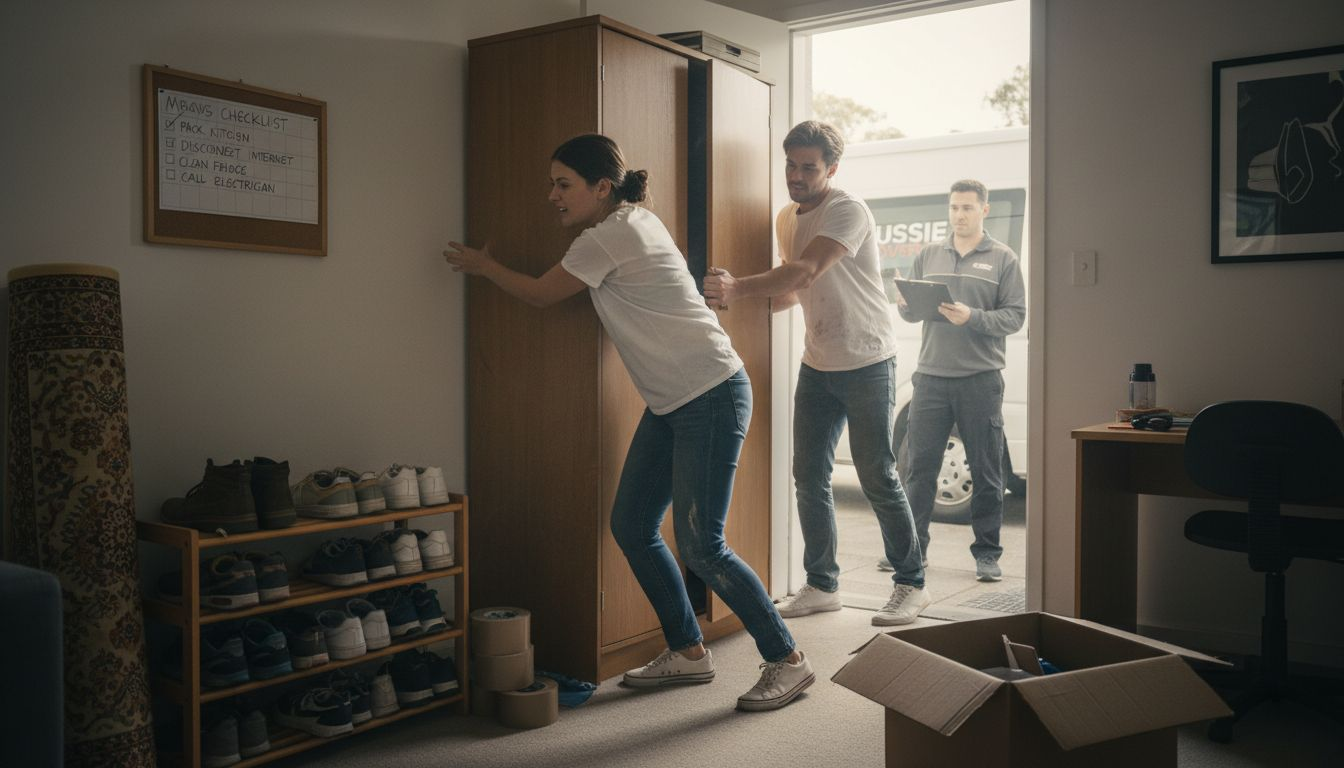
| Factor | DIY Removal | Professional Removal |
|---|---|---|
| Upfront Cost | $50-$200 truck hire + fuel | $200-$600 full service |
| Hidden Costs | Disposal fees, equipment, helpers | Bundled in quote |
| Injury Risk | 34% injury rate for heavy lifting | Minimal with trained teams |
| Time Required | 4-8 hours + multiple trips | 1-3 hours single visit |
| Insurance | Personal liability only | Comprehensive coverage |
| Disposal Compliance | Your responsibility to verify | Guaranteed legal disposal |
| Equipment Needed | Rent or buy dollies, straps | Included in service |
DIY removal often seems cheaper until you factor in truck rental, fuel, disposal fees at transfer stations, and potential injury costs. If you lack experience moving heavy items, you risk damaging walls, doorframes, or the furniture itself. Heavy furniture moving safety requires specific techniques most people don’t know.
Professional services consolidate all these elements into one predictable cost. You avoid the physical strain, time commitment, and uncertainty about proper disposal. For households with multiple bulky items or tight move-out deadlines, professional removal typically delivers better value despite the higher upfront cost.
Pro Tip: If budget constraints push you toward DIY, at least hire professional help for the heaviest items like king-size bed frames or solid wood wardrobes to minimize injury risk while controlling costs.
Melbourne offers numerous pathways for eco-friendly bulky furniture disposal. Significant percentage of bulky furniture waste in Melbourne is recyclable, supporting donation and reuse programs, making it crucial to explore alternatives before sending usable items to landfill.
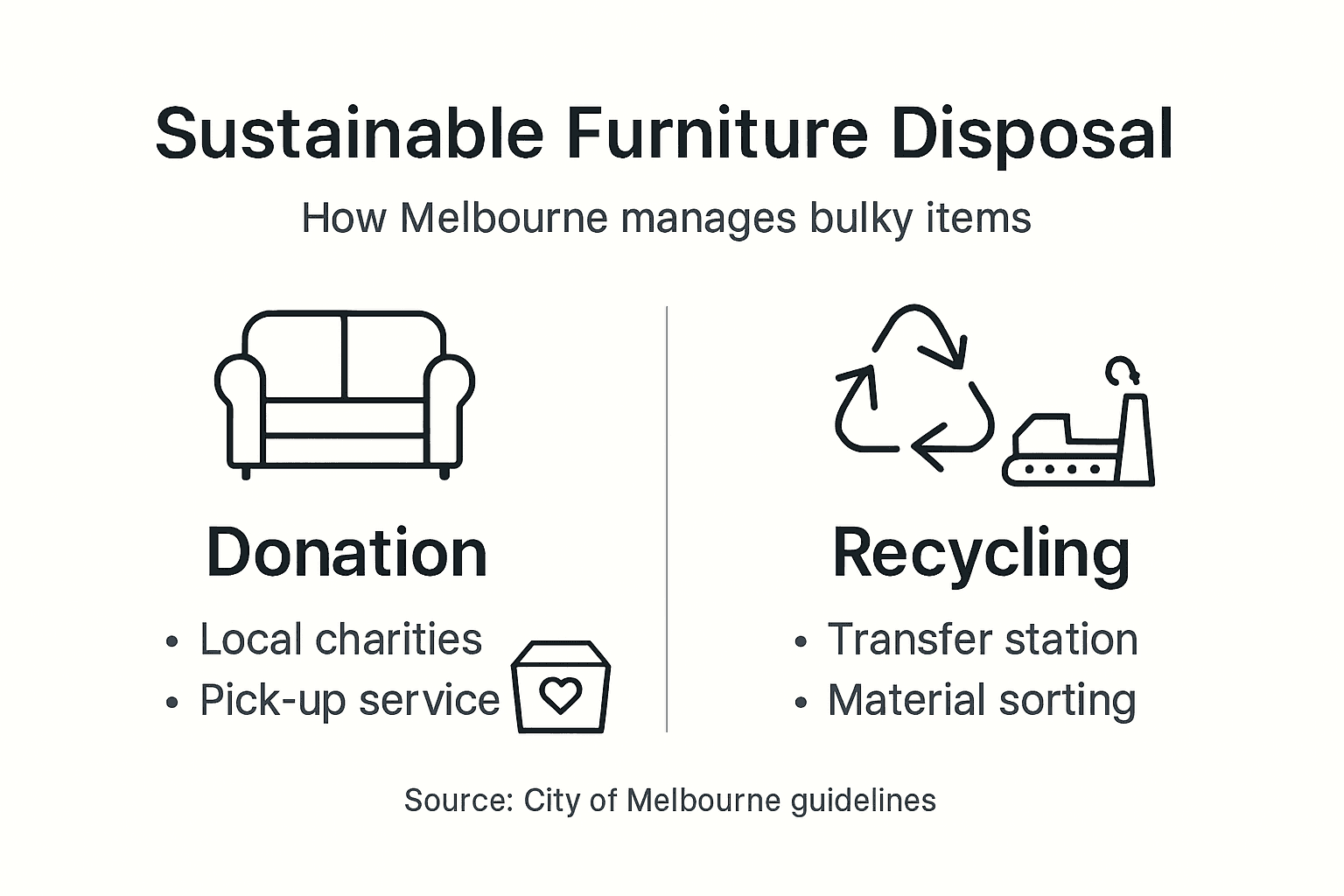
Charities like St Vincent de Paul, Salvation Army, and Brotherhood of St Laurence accept quality furniture in good condition. Many offer free pickup for larger items, though booking windows can extend several weeks. Recycling facilities accept timber, metal frames, and upholstery components, diverting materials from landfill even when items aren’t donation-worthy.
Steps for responsible bulky furniture disposal in Melbourne:
Environmental benefits extend beyond landfill reduction. Donated furniture supports families in need, recycled materials re-enter manufacturing supply chains, and proper disposal prevents soil and water contamination. Many professional removal services coordinate donation and recycling automatically, removing the logistical burden from your shoulders while ensuring maximum waste diversion.
Misunderstandings about bulky furniture removal create unnecessary obstacles for Melbourne movers. Many believe council bulky waste collection is free annually, but this varies and usually requires fees or bookings, leading to last-minute scrambles when reality hits.
These bulky furniture removal misconceptions cause real problems:
These false beliefs delay moves, trigger fines for improper disposal, and increase stress during already hectic relocations. Tenants who assume council collection will save them money often discover fees and booking requirements too late, forcing expensive last-minute professional services or risking bond deductions for abandoned items. Verifying regulations early and planning accordingly prevents these painful surprises.
Successful bulky furniture removal in Melbourne hinges on early planning and informed decision-making. Booking your bulky furniture removal early can reduce wait times by 30%, greatly easing relocation stress, a statistic that underscores the value of proactive scheduling.
Follow this framework for hassle-free booking bulky furniture removal Melbourne services:
Pro Tip: Create a dedicated folder (physical or digital) for all removal-related documentation including quotes, booking confirmations, disposal receipts, and landlord communications. This centralized record proves invaluable if disputes arise over bond deductions or disposal compliance.
Preparing bulky furniture for disposal also means checking if items need special handling. Mattresses often require plastic wrapping, electronics need e-waste certification, and some materials demand hazardous waste processing. Clarifying these requirements upfront prevents rejection at donation centers or disposal facilities.
Navigating bulky furniture removal doesn’t have to drain your time or energy. Onyx Removals specializes in Melbourne bulky furniture removal services that handle every detail from initial assessment to final disposal. Our experienced teams use professional equipment and proven safety protocols to protect you, your property, and your belongings throughout the removal process.
We understand Melbourne’s regulations inside out, ensuring every item reaches the appropriate destination whether that’s a charity, recycling facility, or compliant disposal site. Our transparent pricing eliminates surprise fees, and flexible scheduling accommodates your moving timeline without premium rush charges. From single-item pickups to complete house clearances, our residential removal services Melbourne scale to your exact needs.
Booking early guarantees the fastest service and maximum flexibility. Get your free, accurate quote today through our home removal quotes Melbourne portal and discover how professional handling transforms your relocation experience.
Professional services typically range from $200 to $600 depending on item quantity, size, and disposal requirements. Council pickups cost $30 to $150 per collection with limited availability. Hidden DIY costs including truck rental, fuel, and disposal fees often match professional pricing while adding injury risk and time commitment.
Yes, most Melbourne councils offer scheduled bulky waste collection, but availability is limited and bookings fill quickly during peak moving season. You must book at least two weeks ahead, verify accepted item types, and pay applicable fees. Check your specific bulky furniture removal FAQs with your local council for current rules.
Use proper lifting technique with bent knees and straight back, never twisting while carrying weight. Invest in furniture dollies, lifting straps, and protective gloves. Clear pathways completely and recruit at least two strong helpers for items over 50kg. Consider professional help for awkward or extremely heavy pieces to avoid the 34% injury rate.
Contact St Vincent de Paul, Salvation Army, or Brotherhood of St Laurence for pickup scheduling. Most require items in good condition without significant damage or stains. Book at least three weeks ahead as donation pickup schedules fill rapidly. Your local council website also lists community recycling and donation programs.
No, professional removal services typically handle dismantling as part of their standard offering when required for safe transport. Council pickups may require disassembly depending on item size and local rules. DIY movers should dismantle large pieces to reduce injury risk and make items manageable, but professionals have the tools and experience to make this decision efficiently.

No Related Post


