



TL;DR:
- Interstate moving costs in Australia typically range from $1,500 to over $8,500, depending on distance, weight, and service level. Proper planning, early booking, and detailed quotes help families avoid unexpected fees like access charges or fuel surcharges. Choosing the right service tier and timing moves during off-peak seasons can significantly reduce expenses.
The cost of hiring movers from state to state depends on three core factors: distance travelled, shipment weight, and the level of service you select. For most Australian families relocating interstate, total moving costs range from $1,500 to well over $8,500. A typical 2–3 bedroom home move covering 500–1,000 miles costs between $3,060 and $5,280 for a full-service removalist. Understanding this range before you book is the difference between a budget that holds and one that blows out on delivery day.
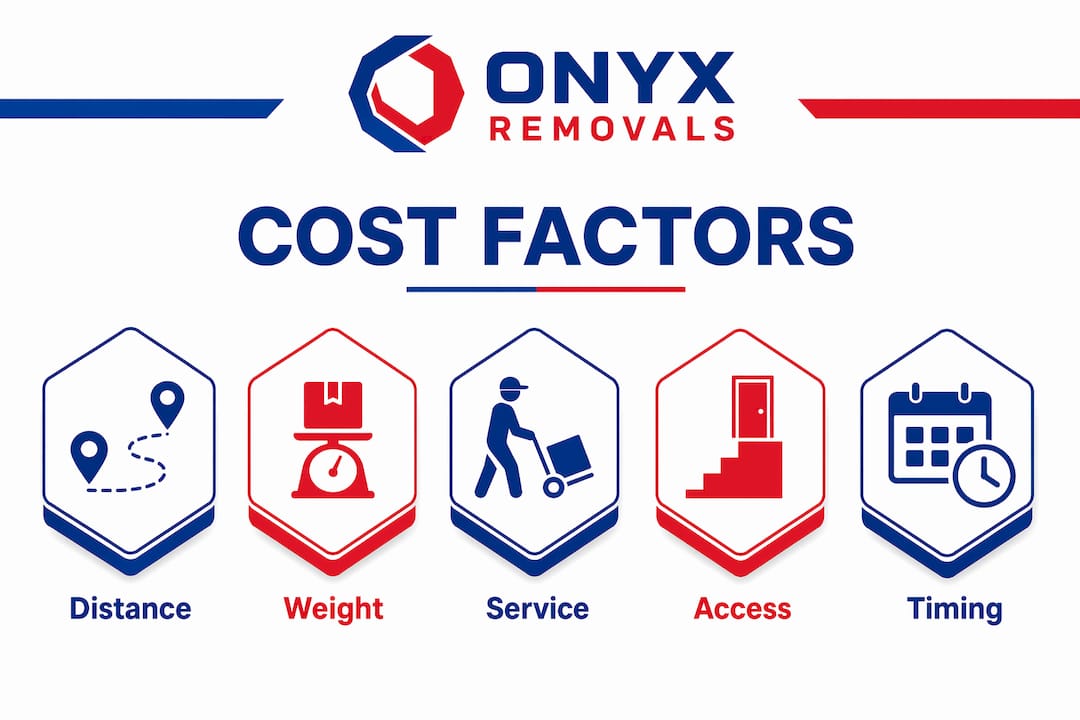
Interstate moving costs are not random. They follow a clear pricing logic built on four variables: distance, weight, service type, and access conditions at your property.
Distance and weight drive the base price. Long-distance removalists use a weight and mileage model rather than the hourly rates you see with local moves. That distinction matters because your final bill can shift by 10–20% if the actual shipment weight differs from the original estimate. A heavier load costs more, full stop.
Service level is the second biggest lever. Full-service moves, where the removalist packs, loads, transports, and unloads everything, cost significantly more than labour-only or DIY options. Each tier suits a different budget and risk tolerance, which the next section covers in detail.
Access conditions add costs most people miss. Stairs, narrow driveways, lack of a lift, or a property that a large truck cannot reach all trigger accessorial fees. These charges cover the extra labour or the use of a smaller shuttle vehicle to bridge the gap. Accessorial fees can sometimes double the base transportation charge in complex scenarios. That is not a typo. A move that looks affordable on paper can become expensive once the removalist sees your third-floor walk-up.
Regional labour and fuel costs vary by state. Moving a 2–3 bedroom household approximately 500 miles costs between $3,500 and $4,700 depending on the states involved. Higher labour rates, fuel surcharges, and logistics complexity in certain corridors push prices toward the top of that range.
Pro Tip: Get a written itemised quote that lists distance, estimated weight, service inclusions, and any likely accessorial fees before you commit. A quote without these details is not a quote. It is a guess.
The service level you choose shapes your budget more than almost any other decision. There are three main tiers, and each comes with a different price point and risk profile.

| Service level | What is included | Typical cost range |
|---|---|---|
| Full-service removalist | Packing, loading, transport, unloading, unpacking | $3,060–$8,500+ |
| Labour-only | Movers load and unload; you arrange transport | $800–$2,500 |
| DIY (truck hire) | You pack, load, drive, and unload | $500–$1,500 |
Full-service is the most convenient option, but the term is not standardised. Full-service quotes often exclude packing, unpacking, specialised crating, and debris removal. Those add-ons can increase the final bill by 20–30%. Always ask the removalist to list exactly what is and is not included before you sign anything.
Labour-only services suit people who are comfortable managing their own transport but want professional help with the heavy lifting. The savings are real, but so is the coordination effort. You are responsible for hiring the truck, driving it interstate, and returning it.
DIY moves carry the lowest upfront cost but the highest personal risk. Damage to furniture, injury from improper lifting, and the stress of driving a large vehicle on unfamiliar roads are all real considerations. For families moving a full household, the cost savings rarely justify the effort and exposure.
Pro Tip: If you are comparing quotes across service levels, ask each removalist whether they use a dedicated or consolidated truck. Dedicated trucks keep your belongings on one vehicle. Consolidated shipments share space with other clients, which can mean delays and a higher risk of damage.
Timing your move correctly is one of the most underused ways to reduce the moving company cost. Demand for interstate removalists follows a predictable seasonal pattern, and that pattern directly affects price and availability.
The peak moving period runs through the summer months, roughly december through february in Australia. Removalists are in high demand during school holidays and at the end of the financial year. Rates climb and availability tightens. Moving during off-peak months can yield discounts of 10–15% compared to peak season. That is a meaningful saving on a $5,000 move.
Booking early also gives you time to get multiple interstate quotes and compare them properly. Last-minute bookings force you to accept whatever is available, which is rarely the best deal.
The quoted price and the final bill are not always the same number. Several common charges sit outside the base rate and catch families off guard.
Access fees. Stairs, narrow corridors, and properties without lift access all attract additional charges. If a large truck cannot park close to your front door, the removalist may need a shuttle vehicle to transfer your belongings. That shuttle service is billed separately.
Packing materials. Boxes, tape, bubble wrap, and specialised crating for fragile or oversized items are rarely included in a base quote. Packing materials add up quickly for a full household.
Insurance and liability cover. Basic carrier liability covers a fraction of the replacement value of your belongings. Full replacement value protection costs more but is worth it for high-value items. Always confirm what liability coverage is included in your quote.
Storage fees. If your new home is not ready when your belongings arrive, you may need temporary storage. Storage costs vary by volume and duration, and they are rarely included in the initial moving quote.
Fuel surcharges and tolls. Long-distance moves accumulate fuel costs and toll charges. Some removalists include these in the base rate. Others add them to the final invoice. Ask upfront.
Binding estimates protect you from price hikes after delivery. A binding estimate locks the price based on a pre-move inventory. A non-binding estimate allows the removalist to adjust the final bill based on actual measured weight. For interstate moves, always push for a binding estimate.
Pro Tip: Request a written inventory list before your move date. A detailed inventory is the foundation of a binding estimate and your best protection against unexpected charges on delivery day.
Saving money on an interstate move does not require cutting corners. It requires planning ahead and asking the right questions before you commit.
Understanding the key cost variables before you request quotes puts you in a stronger position to evaluate what you are being offered. Families who do this homework consistently pay less and report fewer surprises on moving day.
Interstate moving costs range from $1,500 to over $8,500, driven by distance, shipment weight, service level, and access conditions at your property.
| Point | Details |
|---|---|
| Cost range | Full-service interstate moves typically cost $3,060–$8,500+ for a 2–3 bedroom home. |
| Weight and distance | Long-distance pricing uses a weight and mileage model, not hourly rates. |
| Service level matters | Full-service costs more but the term is not standardised; always confirm inclusions. |
| Timing saves money | Off-peak moves can cost 10–15% less than peak summer bookings. |
| Binding estimates protect you | Lock in a binding estimate to avoid price increases based on final shipment weight. |
Most families approach an interstate move the same way they approach buying a car. They focus on the sticker price and ignore everything underneath it. That approach works fine until delivery day, when the bill arrives with access fees, fuel surcharges, and storage costs that were never discussed.
The single biggest mistake I see is treating the lowest quote as the best quote. A low number often signals a non-binding estimate, a consolidated truck with an unpredictable delivery window, or a removalist who has not accounted for the access conditions at your property. When those gaps surface, they surface at the worst possible moment.
The families who manage this process well do one thing differently. They ask the removalist to walk them through every line of the quote before signing. They ask what is not included. They ask whether the estimate is binding. They ask about the truck model. That conversation takes fifteen minutes and can save thousands.
My honest advice: treat the quote conversation as an interview. A removalist who cannot answer those questions clearly is telling you something important about how they will handle your belongings.
— Dinshaw
Onyx Removals brings Melbourne-based expertise to interstate relocations across Australia, with transparent pricing and service options built for real household budgets.

Whether you need a full-service move with packing and unpacking or a more flexible arrangement that suits a tighter budget, Com offers a range of options with clear, itemised quotes. The team at Com understands the access conditions, seasonal demand patterns, and logistics complexity that affect interstate moving services across Australian corridors. Early planning gives you access to better rates and more date flexibility. Reach out to Com for a detailed, binding quote and take the guesswork out of your relocation budget.
Interstate moves for a 2–3 bedroom home typically cost between $3,060 and $5,280 for distances of 500–1,000 miles, with long-distance moves for larger households reaching $8,500 or more.
Removalists price interstate moves using a weight and mileage model. The heavier your shipment and the greater the distance, the higher the base cost, with service level and access conditions added on top.
A binding estimate locks your price based on a pre-move inventory, protecting you from cost increases if the actual shipment weight differs from the original estimate.
Moving during off-peak months, mid-week, and outside school holiday periods can reduce costs by 10–15% compared to peak summer demand.
Access fees for stairs or shuttle trucks, packing materials, insurance upgrades, storage costs, and fuel surcharges are the most common charges that sit outside a base interstate moving quote.

No Related Post


