



Everyone talks about getting more done at work, but real team productivity is a whole different story. Some teams are just flat out better, and it’s not luck. Research shows that high-performing teams can generate up to 30 percent higher revenue compared to groups that are just getting by. You might think it’s all about who works the hardest, but the real drivers are things most folks don’t even notice like the way people talk to each other and how safe they feel to share an idea.
| Takeaway | Explanation |
|---|---|
| Team productivity is vital for success | It measures how effectively teams utilise resources to achieve goals and foster innovation. |
| Effective communication enhances collaboration | Clear channels and diverse methods improve team dynamics and prevent misunderstandings. |
| Leadership shapes team performance | Managers should inspire, provide feedback, and foster development for better team outcomes. |
| Psychological safety drives innovation | A supportive environment encourages creativity and open sharing of ideas among team members. |
| Workplace design influences productivity | Ergonomic and functional spaces can significantly boost team efficiency and morale. |
Team productivity represents the collective capacity of a group to efficiently accomplish organisational objectives through coordinated efforts, strategic collaboration, and optimised workflow processes. Understanding this concept goes beyond simple task completion and delves into how teams generate maximum value while minimising resource expenditure.
Below is a comparison table outlining the key factors influencing team productivity, summarising how each factor contributes to team outcomes.
| Key Factor | Contribution to Productivity |
|---|---|
| Leadership and Management Dynamics | Sets clear expectations, provides feedback, supports development, and motivates teams |
| Technological Infrastructure and Tools | Enhances coordination, enables efficiency, and supports collaborative work |
| Workplace Culture and Psychological Safety | Fosters innovation, creativity, and open idea sharing by ensuring a safe environment |
| Communication | Aligns objectives, synchronises efforts, and enables effective collaboration |
| Work Environment (Physical & Psychological) | Affects motivation, well-being, and overall team morale, impacting performance |
At its core, team productivity measures the effectiveness and efficiency with which a group transforms inputs such as time, skills, and resources into meaningful outputs. Unlike individual productivity, team productivity considers complex interpersonal dynamics, communication patterns, and collaborative potential that significantly influence overall performance.
According to Harvard Business Review, successful team productivity requires several critical elements:
Improving team productivity isn’t just an operational consideration but a strategic imperative with profound economic implications. Research from Deloitte suggests that high-performing teams can generate up to 30% higher revenue compared to teams struggling with coordination and alignment.
Organisations investing in understanding and enhancing team productivity create environments where collective potential is maximised. This approach transcends traditional productivity metrics by recognising that human collaboration represents a complex, dynamic system where interconnected factors determine overall performance.
By focusing on improving team productivity, businesses can unlock significant competitive advantages, foster innovation, and create workplace cultures that inspire exceptional collective achievement.
Team productivity does not emerge spontaneously but results from carefully orchestrated organisational and interpersonal dynamics. Understanding the multifaceted factors driving collective performance enables leaders to strategically enhance team effectiveness and create environments conducive to exceptional collaborative outcomes.
Leadership plays a pivotal role in shaping team productivity. Effective managers do more than assign tasks they cultivate environments that inspire motivation, clarity, and mutual respect. McKinsey Research indicates that managers who prioritise transparent communication and provide constructive feedback can improve team performance by up to 25%.
Key leadership characteristics that significantly impact team productivity include:
Establishing clear performance expectations
Providing regular constructive feedback
Supporting professional development opportunities
Recognising and rewarding team achievements
Modern technological ecosystems fundamentally transform how teams collaborate and execute tasks. Strategic implementation of digital tools can dramatically enhance communication, workflow management, and collective efficiency. Gartner Research suggests that organisations investing in integrated collaboration platforms experience substantial improvements in team coordination and productivity.
Critical technological considerations for improving team productivity involve:
Beyond tangible resources, team productivity is profoundly influenced by intangible cultural elements. Psychological safety emerges as a critical factor, where team members feel empowered to share ideas, take calculated risks, and contribute without fear of ridicule or professional repercussions.
Research demonstrates that teams with high psychological safety are more innovative, adaptable, and resilient.
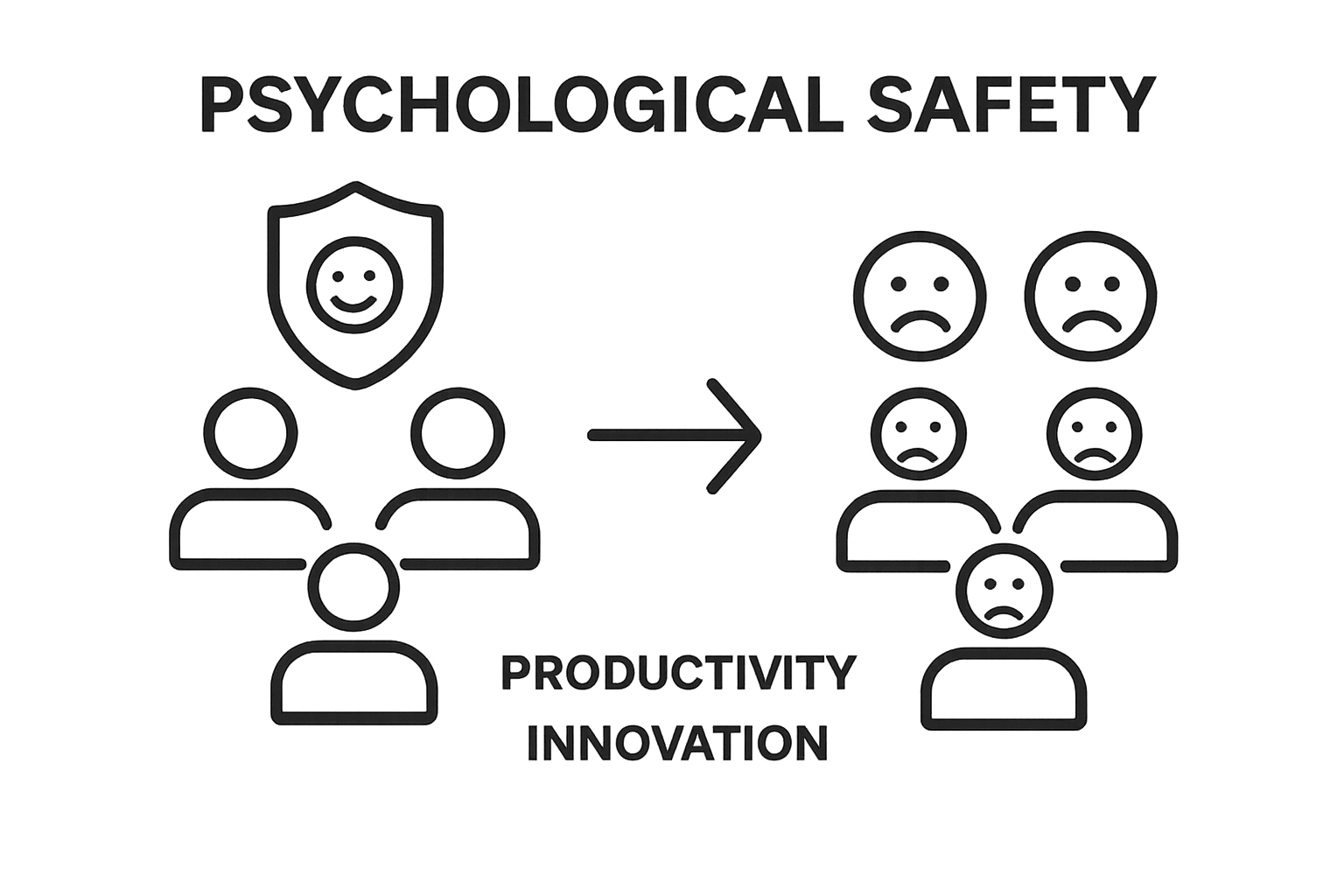 By fostering an environment of mutual respect, open dialogue, and genuine collaboration, organisations can unlock extraordinary collective potential and drive sustainable productivity improvements.
Communication serves as the fundamental infrastructure that enables teams to transform individual potential into collective achievement. It represents more than simple information exchange it acts as the critical mechanism through which teams synchronise efforts, align objectives, and navigate complex collaborative challenges.
Effective team communication transcends traditional verbal interactions, encompassing multiple channels and sophisticated transmission methods. Queensland University of Technology Research demonstrates that teams with robust, multilayered communication strategies consistently outperform those with fragmented or inconsistent dialogue approaches.
Strategic communication channels include:
Individual communication preferences significantly influence team dynamics. Some team members prefer direct, concise exchanges, while others require more contextual and detailed discussions. Recognising and adapting to diverse communication styles becomes crucial for maintaining team cohesion and preventing potential misunderstandings.
Successful teams develop communication frameworks that accommodate different personality types, ensuring every member feels heard, understood, and valued. This approach transforms communication from a mere transactional process into a collaborative strategy that enhances mutual understanding and collective performance.
Communication barriers can emerge from various sources, including cultural differences, hierarchical structures, and personal communication anxieties. Proactive teams implement deliberate strategies to overcome these challenges, creating environments that encourage open dialogue, active listening, and constructive feedback.
By treating communication as a dynamic, evolving skill set rather than a static process, teams can continuously improve their collaborative capabilities, leading to enhanced productivity, stronger interpersonal relationships, and more innovative problem solving approaches.
The work environment represents a complex ecosystem of physical, psychological, and social elements that profoundly influence team performance and individual motivation. Far beyond mere physical spaces, work environments shape cognitive processes, emotional states, and collaborative potential.
University of California Berkeley Research reveals that thoughtfully designed workspaces can increase productivity by up to 20%. Ergonomic considerations extend beyond comfortable furniture to encompass lighting, noise levels, spatial arrangements, and technological infrastructure.
Key physical environment factors impacting productivity include:
The following table presents important physical workspace factors that impact team productivity as described in the article.
| Physical Workspace Factor | Description |
|---|---|
| Natural lighting quality | Access to sunlight and daylight to maintain alertness |
| Acoustic management | Control of noise levels to minimise distractions |
| Temperature regulation | Maintaining comfortable temperature for focus and wellbeing |
| Flexible workspace configurations | Adaptable layouts to suit different work styles and needs |
| Ergonomic furniture design | Providing supportive furniture to reduce strain and fatigue |
Beyond physical attributes, the psychological landscape of a workplace significantly determines team performance. Emotional safety, mutual respect, and a sense of belonging create environments where creativity and collaboration flourish. Toxic workplace cultures can diminish productivity, increase stress levels, and trigger employee disengagement.
Workplaces that prioritise psychological well-being demonstrate higher levels of innovation, lower turnover rates, and more resilient team dynamics. Creating supportive environments requires deliberate strategies that acknowledge individual emotional experiences and promote collective growth.
Organisational culture represents an invisible yet powerful productivity driver. Teams operating within inclusive, transparent cultures demonstrate superior problem-solving capabilities and greater intrinsic motivation. Workplace cultures that celebrate diversity, encourage open communication, and provide meaningful professional development opportunities create sustainable performance ecosystems.
By recognising work environments as dynamic, interconnected systems rather than static locations, organisations can strategically design spaces and cultures that unlock human potential, foster genuine collaboration, and drive exceptional team productivity.
Team dynamics represent the intricate web of interactions, relationships, and behavioural patterns that emerge when individuals collaborate towards shared objectives. These complex interpersonal mechanisms fundamentally determine a team’s capacity to transform collective potential into tangible performance outcomes.
Stanford University Research demonstrates that team dynamics are not random but emerge from sophisticated psychological processes involving individual personalities, emotional intelligence, and collective behavioural norms. Understanding these underlying mechanisms enables leaders to strategically nurture high-performing team environments.
Critical psychological elements shaping team dynamics include:
Effective teams leverage diverse individual strengths through strategic role allocation and skill complementarity. Each team member brings unique capabilities, perspectives, and problem-solving approaches that contribute to collective performance when harmoniously integrated.
Successful teams develop flexible structures that allow members to leverage individual talents while maintaining a cohesive, collaborative framework. This approach transforms potential interpersonal friction into a source of innovative thinking and adaptive problem solving.

Team dynamics are not defined by the absence of conflict but by the sophisticated manner in which challenges are navigated and resolved. Constructive conflict represents an opportunity for growth, learning, and enhanced mutual understanding when approached with emotional intelligence and shared commitment to collective goals.
By recognising team dynamics as a living, evolving system of human interactions, organisations can create environments that transform potential interpersonal challenges into powerful opportunities for innovation, learning, and exceptional collaborative performance.
Struggling to bring your team together and achieve peak productivity during a big move? As highlighted in this article, factors like clear communication, efficient workflow, and psychological safety are crucial for maintaining high team performance. However, disruption during an office relocation can quickly undermine even the most well-structured teams. You do not have to let the stress of moving destroy your team’s momentum or distract from your goals.

Onyx Removals understands that a smooth transition makes all the difference. Our dedicated professionals deliver personalised office removal solutions in Melbourne that protect your team’s energy and focus. By managing every detail — from packing and secure transport to setup in your new space — we help your staff stay connected, motivated, and ready to excel. Check out our customer success stories to see how we have helped other businesses maintain productivity during stressful moves.
Let us help you create a work environment where collaboration and performance can thrive, even through major changes. Visit Onyx Removals now to get a tailored consultation and experience a stress-free relocation that sets your team up for success.
Team productivity is the collective capacity of a group to efficiently achieve organisational objectives while optimising resources and collaboration.
Key factors include leadership dynamics, technological infrastructure, workplace culture, and effective communication strategies.
Effective leadership fosters clear communication, establishes performance expectations, provides feedback, and supports professional development, which can significantly enhance team performance.
Communication is crucial as it helps teams synchronise efforts, align objectives, and navigate challenges, ultimately transforming individual potential into collective achievement.

No Related Post


