


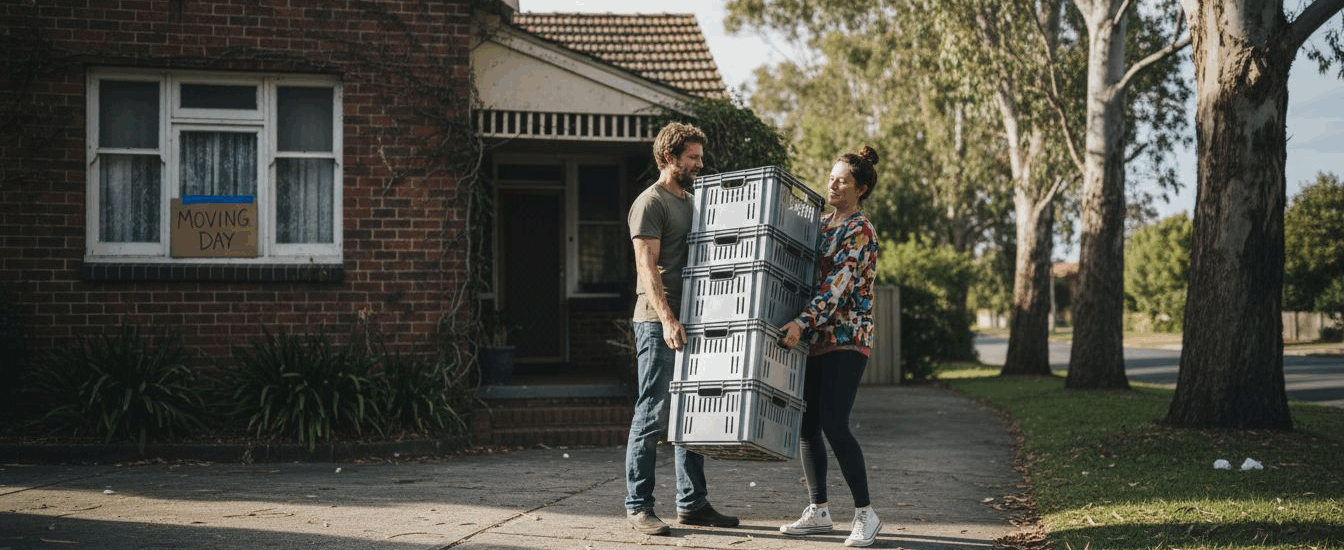
Moving house in Melbourne is no small task, but more australian households are choosing to prioritise sustainability with every relocation. With one in five australian movers now citing climate responsibility as a key concern, the demand for eco-friendly solutions is transforming the way people approach packing, transport, and waste. Discover how simple choices can minimise your carbon footprint and turn your next move into a mindful contribution to a greener community.
| Point | Details |
|---|---|
| Eco-Friendly Moving Practices | Adopting sustainable moving practices helps reduce carbon footprints and supports Australia’s climate action goals. |
| Green Packing Materials | Utilising recyclable and biodegradable packing materials can lead to significant waste reduction during relocation. |
| Energy Efficient Transport | Choosing electric or hybrid vehicles for moving transports can greatly lessen transportation-related emissions. |
| Responsible Disposal Strategies | Implementing proper disposal and donation practices minimises waste and promotes community support through reusability. |
Eco-friendly moving represents a sustainable approach to relocation that minimises environmental impact and reduces carbon emissions during the transportation and transition of household belongings. In Australia, this concept has gained significant momentum as citizens become increasingly aware of climate challenges. Climate targets across the nation aim to reduce greenhouse gas emissions and promote environmentally responsible practices across various sectors, including residential moving.
At its core, sustainable moving involves strategic planning that reduces waste, minimises energy consumption, and makes deliberate choices about transportation, packing materials, and overall resource management. This approach goes beyond simply transporting items from one location to another – it’s about making conscious decisions that support broader environmental goals. For Australian households, this might mean selecting recyclable packing materials, consolidating transportation routes, choosing fuel-efficient vehicles, and minimising unnecessary packaging.
The significance of eco-friendly moving is further underscored by recent research indicating that 22% of Australians planning to move consider climate change as a key influencing factor. This statistic reveals a growing national awareness about environmental sustainability and demonstrates how climate considerations are increasingly shaping relocation decisions. By adopting eco-friendly moving practices, individuals can directly contribute to reducing their carbon footprint and supporting Australia’s broader climate action objectives.
Pro tip: Before your move, conduct a thorough inventory and donate or responsibly recycle items you no longer need to reduce unnecessary transportation and waste.
Green packing requires a strategic approach to selecting materials that minimise environmental impact during relocation. The Australian Packaging Covenant Organisation (APCO) promotes innovative solutions for sustainable packaging, emphasising the importance of reducing waste and choosing environmentally responsible alternatives. Modern eco-conscious movers have an array of sustainable packing options that dramatically reduce their carbon footprint and support circular economy principles.
Traditional packing materials like single-use cardboard boxes and plastic bubble wrap are being replaced by more sustainable alternatives. Recyclable cardboard made from post-consumer waste, biodegradable padding materials, and reusable storage containers are becoming standard choices for environmentally aware Australians. Standards Australia highlights the significant benefits of using recycled content in packaging, including reduced resource extraction and minimised waste generation.
Key sustainable packing materials now available include biodegradable packing peanuts made from cornstarch, recycled paper cushioning, bamboo-based wrapping materials, and rental plastic moving crates designed for multiple uses. These materials not only protect belongings during transit but also significantly reduce environmental impact by avoiding single-use packaging solutions. Australian households can now choose from an expanding range of green packing options that support national sustainability goals and individual environmental commitments.
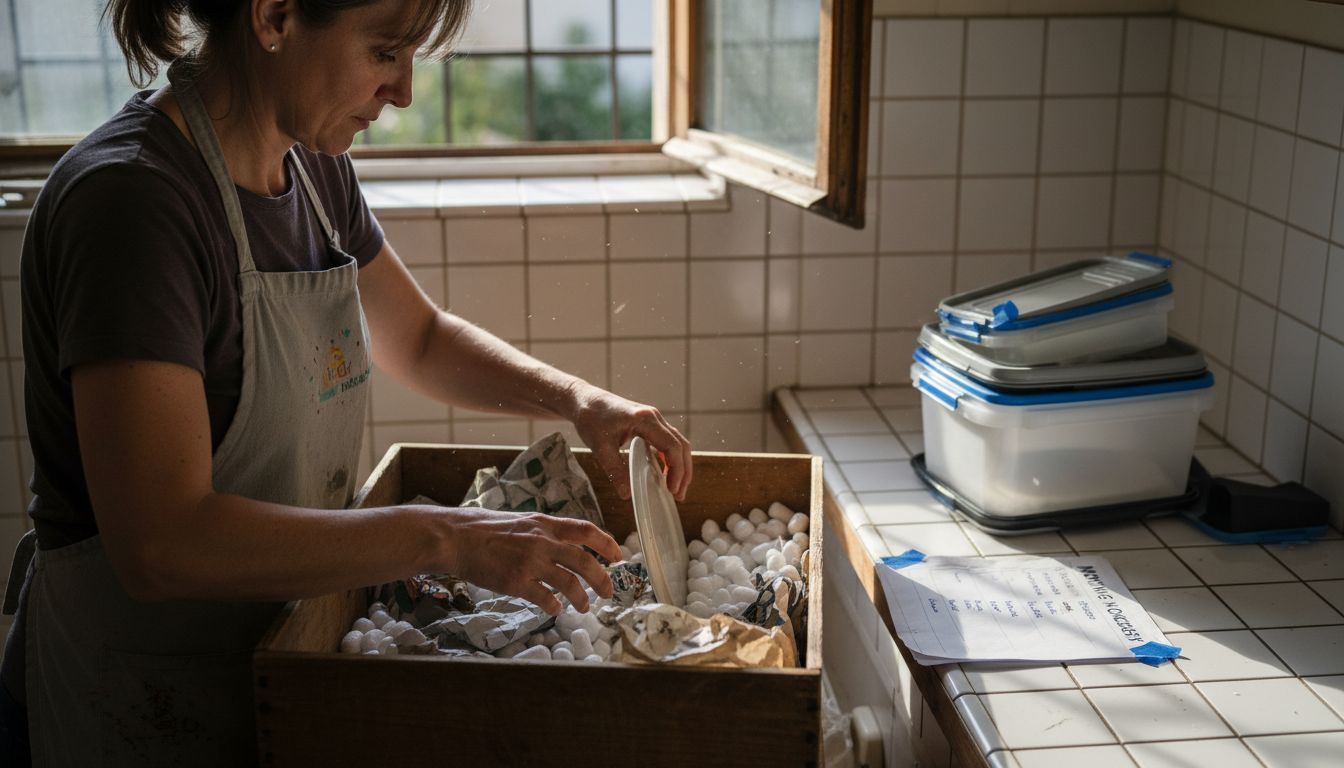
Here’s how common eco-friendly packing materials compare on key sustainability factors:
| Material Type | Environmental Benefit | Typical Lifespan |
|---|---|---|
| Recycled cardboard | Lowers resource use, recyclable | Single move or reused |
| Biodegradable peanuts | Compostable, break down in landfill | Single move |
| Reusable plastic crates | Durable, use many times | 50+ moves |
| Bamboo wrapping | Renewable, decomposes naturally | Single move |
Pro tip: Invest in reusable storage containers and biodegradable packing materials to minimise waste and support sustainable moving practices.
Transport emissions represent a significant environmental challenge in Australia, with private vehicle use contributing substantially to greenhouse gas pollution. For eco-conscious movers, selecting energy-efficient transport options becomes crucial in minimising the carbon footprint associated with relocation. Understanding and implementing sustainable transportation strategies can dramatically reduce the environmental impact of moving across Melbourne or between cities.
Electric and hybrid vehicles have emerged as leading solutions for sustainable moving. Electric moving trucks and renewable energy-powered transport are becoming increasingly accessible, offering significant reductions in carbon emissions. Recent clean energy investments have expanded electric vehicle infrastructure across Australia, creating more opportunities for environmentally responsible transportation. These vehicles not only reduce direct emissions but also support the broader national transition towards cleaner energy systems.
Beyond vehicle selection, sustainable moving also involves strategic transport planning. This includes consolidating transportation routes, using fuel-efficient vehicles, optimising load capacity, and considering alternative transport methods like shared moving services. Urban movers can further reduce emissions by selecting moving companies with demonstrated commitments to sustainable practices, such as those using electric or hybrid vehicle fleets, implementing efficient route planning, and minimising unnecessary trips.
Pro tip: Request carbon offset information from your moving company and choose providers using electric or hybrid vehicles to minimise your relocation’s environmental impact.
Clean Up Australia mobilises communities to reduce waste through strategic disposal and donation practices, offering critical guidance for environmentally responsible moving. During relocation, households generate significant waste, making conscious disposal decisions essential for minimising environmental impact. Understanding how to responsibly manage unwanted items can dramatically reduce landfill contributions and support broader sustainability goals.
Responsible disposal involves a strategic approach to sorting items for donation, recycling, and appropriate waste management. Donation channels such as local charities, op shops, and specialised collection programs provide excellent alternatives to discarding usable items. Clothing and household goods donation programs like Red Nose Clothing Collection ensure items remain in circulation, preventing unnecessary waste and supporting community resources. This approach not only reduces environmental strain but also provides social benefits by supporting organisations and individuals in need.
Key strategies for responsible disposal include conducting a comprehensive pre-move inventory, categorising items by their potential for reuse or recycling, and identifying appropriate donation or disposal channels. Electronic waste, furniture, clothing, and household items often have specialised recycling or donation pathways that can be easily accessed through local council services, charitable organisations, and dedicated recycling centres. By planning ahead and making informed decisions, movers can significantly minimise their waste footprint and contribute to a more sustainable relocation process.
A summary of sustainable disposal and donation pathways for unwanted items:
| Item Category | Responsible Option | Environmental Outcome |
|---|---|---|
| Clothing | Donate to op shops | Extends product lifespan |
| Electronics | E-waste recycling | Prevents toxic landfill waste |
| Furniture | Charitable collection | Reduces landfill contributions |
| Kitchenware | Local charity bins | Promotes item reuse |
Pro tip: Create a detailed inventory of items before moving, categorising them into donate, recycle, and dispose groups to streamline your responsible waste management process.
WWF Australia provides practical guidance for minimising ecological impact, emphasising conscious decision-making during relocation. Reducing a move’s environmental footprint requires a holistic approach that considers every aspect of the moving process, from initial planning to final transportation. Melbourne residents can significantly diminish their environmental impact by implementing strategic, sustainable practices throughout their relocation journey.
Key strategies for reducing environmental impact include careful resource management, waste minimisation, and intentional transport choices. Energy efficiency and waste reduction become critical considerations during moving, with opportunities to make eco-conscious decisions at each stage. Healthy Land & Water recommends targeted actions to lower carbon footprints, including selecting energy-efficient vehicles, minimising packaging waste, and consolidating transportation routes to reduce overall emissions.
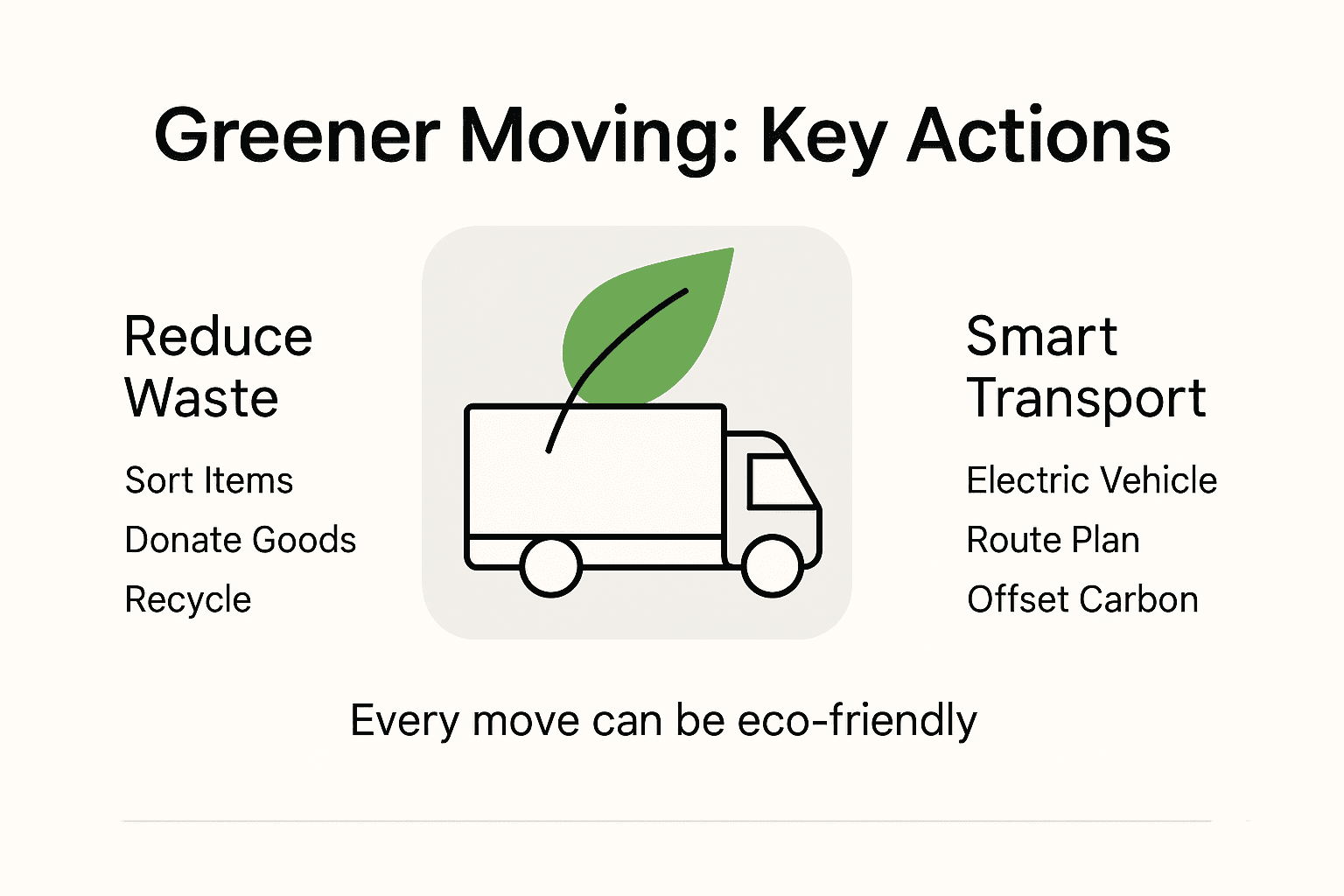
Practical approaches to sustainable moving involve detailed pre-move planning, such as conducting comprehensive inventories, donating or recycling unnecessary items, selecting fuel-efficient or electric moving vehicles, and optimising transportation routes. By breaking down the moving process into deliberate, environmentally conscious steps, Melbourne residents can transform relocation from a potentially wasteful activity into an opportunity for sustainable practice. This approach not only reduces immediate environmental impact but also contributes to broader national sustainability goals.
Pro tip: Create a comprehensive sustainability checklist before your move, detailing specific eco-friendly actions for each stage of your relocation process.
Moving sustainably in Melbourne takes more than good intentions – it requires expert planning and trusted partners who understand eco-friendly moving essentials like energy-efficient transport options and responsible waste disposal. Onyx Removals specialises in personalised relocation solutions designed to reduce your environmental footprint while ensuring a smooth, stress-free experience. From utilising fuel-efficient vehicles to offering green packing and waste disposal services, we help you turn your sustainable moving goals into reality.
Ready to embrace a greener move with professional support? Explore our comprehensive business removal services tailored for responsible relocations. Discover how our experienced Melbourne team can streamline your move with eco-conscious methods at Onyx Removals. Make the switch today and contribute to a cleaner environment while enjoying hassle-free moving. Contact us now to start your sustainable relocation journey.
Eco-friendly moving is a sustainable approach to relocation that minimises environmental impact and reduces carbon emissions associated with transporting household belongings.
You can use recyclable cardboard, biodegradable packing materials, and reusable storage containers to reduce environmental impact while ensuring your belongings are well-protected.
Consider using electric or hybrid vehicles, optimising load capacity, and consolidating transportation routes to minimise your carbon footprint during your relocation.
You can responsibly dispose of unwanted items by donating them to local charities, recycling electronic waste, and ensuring proper waste management for other household items.

No Related Post


