



Moving house or shifting your office in Australia can feel like wrangling a herd of wild kangaroos, with endless boxes, forms, and cleaning on your list. Most people just pack up and hope for the best. But the numbers tell a different story. A professionally organised move can cut your stress and costs by up to 30 percent. It’s not just about shifting your stuff, it’s about getting smart, staying organised, and making the whole thing easier than you ever thought possible.
| Takeaway | Explanation |
|---|---|
| Create a detailed moving inventory. | Catalog all items into keep, donate, or discard categories to simplify logistics and reduce costs. |
| Organize essential documents in a folder. | Compile lease agreements, utility details, and compliance paperwork to streamline your moving process. |
| Schedule professional end-of-lease cleaning. | Hire experts familiar with tenancy laws to ensure compliance and protect your rental bond. |
| Engage local resources for Melbourne moves. | Utilize available local services and networks to navigate relocation challenges specific to Melbourne. |
| Plan for unique transportation needs for plants. | Ensure proper care and packaging for botanical specimens during moves to maintain health and integrity. |
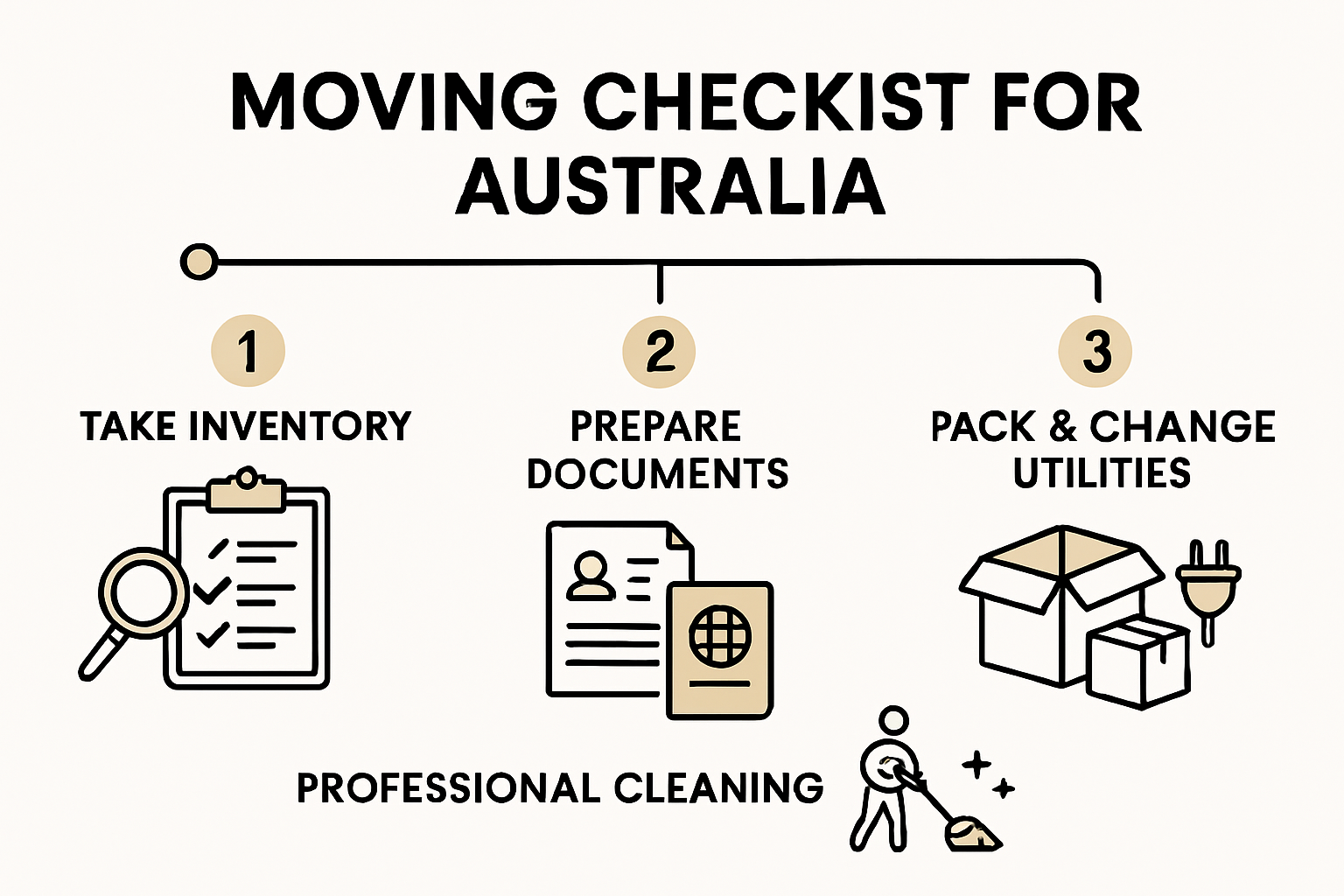
Moving requires meticulous planning and strategic execution. Whether you’re relocating a family home or transitioning an entire office, a comprehensive moving checklist can transform a potentially chaotic experience into a smooth, manageable process.
The foundation of any successful move begins with thorough preparation. Get expert insights on local moving strategies to streamline your relocation. Start by creating a detailed inventory of all items you’ll be moving. According to the Federal Motor Carrier Safety Administration, obtaining estimates from multiple moving providers and verifying their registration are critical first steps.
Begin by categorizing your belongings into three primary groups: items to keep, donate, or discard. This initial sorting reduces overall moving volume and potential transportation costs. For office relocations, involve department heads to ensure a coordinated approach. Create a comprehensive timeline that outlines key milestones, including packing deadlines, equipment disconnection, and potential service interruption windows.
To help you visualise the strategic preparation process, the table below summarises the recommended categorisation approach for belongings during the planning stage:
| Category | Purpose | Resulting Action |
|---|---|---|
| Keep | Items essential for new location | Pack carefully for move |
| Donate | Usable items not needed at new location | Arrange donation pickup |
| Discard | Unwanted/damaged items | Recycle or dispose safely |
Documentation plays a crucial role in a seamless move. Compile and organize all necessary paperwork, including lease agreements, property transfer documents, utility connection details, and change of address forms. For businesses, this might also include equipment transfer logs, insurance documentation, and regulatory compliance records.
Prepare a dedicated moving folder containing critical documents. Digital backups are equally important protect copies of important paperwork through cloud storage or secure external drives. Create a checklist of services requiring address updates, such as banks, healthcare providers, government agencies, and subscription services.
As moving day approaches, confirm all logistical details with your moving team. According to University of California Berkeley’s moving guidelines, assigning a dedicated move coordinator can significantly reduce potential complications. For office moves, this means ensuring IT infrastructure, communication systems, and operational continuity are carefully managed.
On the final week, conduct a comprehensive walkthrough of your current space. Check for any overlooked items, complete final cleaning requirements, and ensure all electrical equipment is properly disconnected and prepared for transportation. For residential moves, arrange for utility disconnections and final meter readings. Office relocations require additional steps like network equipment dismantling and secure data migration.
A successful move is not just about transporting items from one location to another. It’s about maintaining organization, minimizing disruption, and ensuring a smooth transition that protects your valuable assets and maintains operational efficiency. By following this structured approach, you’ll transform what could be a stressful experience into a well-orchestrated relocation process.
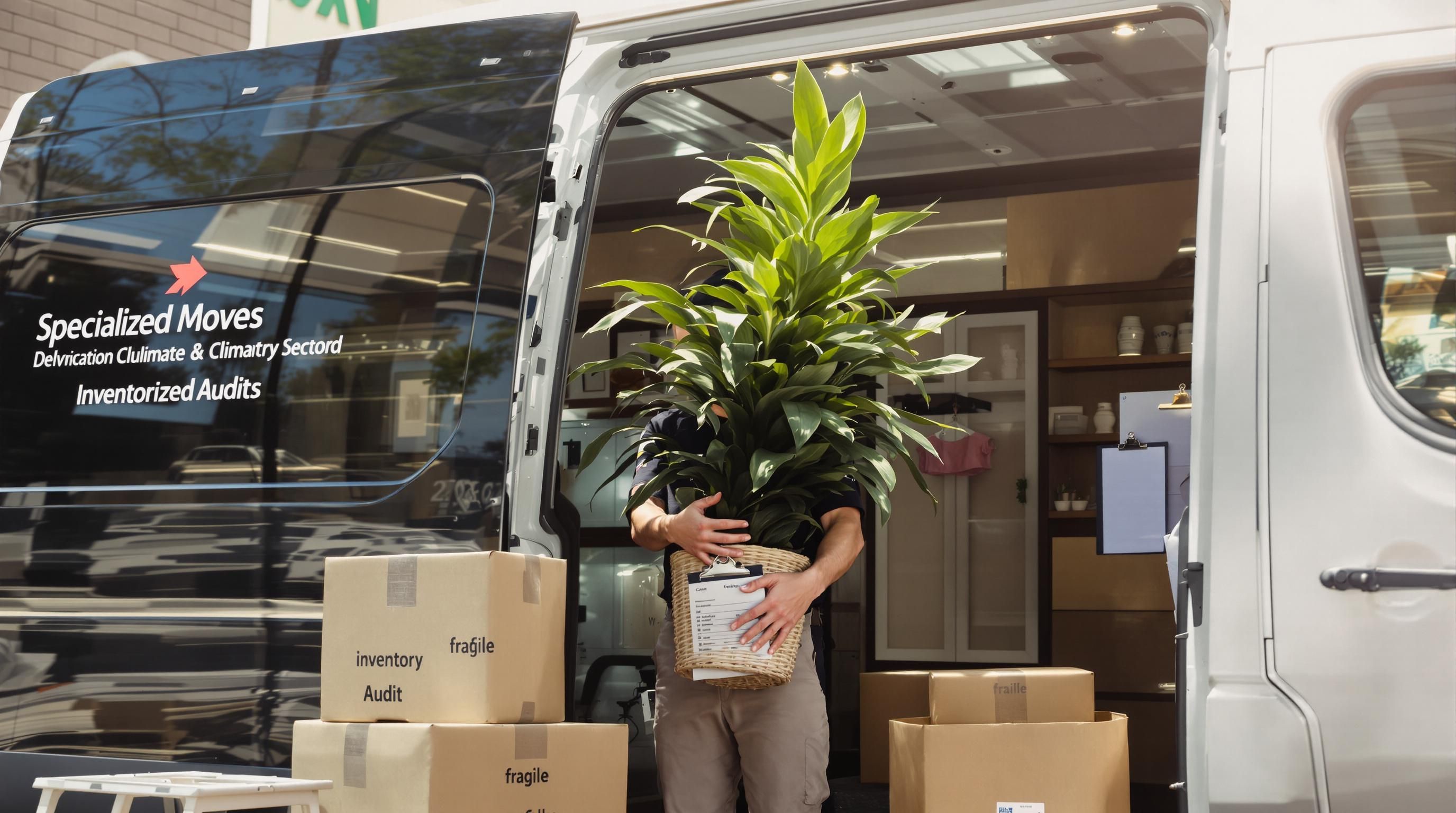
Retail and plant transportation require unique considerations that go beyond standard moving procedures. Specialized moving strategies protect delicate inventory, maintain product integrity, and ensure seamless transitions for businesses with fragile or living assets.
Moving retail environments demands precise planning and strategic logistics. Each item represents potential revenue, making careful handling critical. Learn about our professional moving approaches to understand comprehensive protection strategies. Start by conducting a comprehensive inventory audit, categorizing items based on fragility, value, and transportation requirements.
Warehouse and retail relocations involve complex equipment transfers. Professional movers recommend creating detailed equipment mapping, documenting serial numbers, and preparing specialized packaging for electronics, display units, and point-of-sale systems. Consider temperature-controlled transportation for sensitive electronics and pharmaceutical inventory. Develop a systematic labeling protocol that allows quick reassembly and minimizes potential disruption to business operations.
Transporting living botanical specimens requires specialized knowledge and careful execution. According to the University of Florida IFAS Extension, protecting root systems and maintaining stable environmental conditions are paramount during plant relocation. Professional movers utilize climate-controlled vehicles and custom packaging designed to minimize stress on botanical specimens.
Prepare plants for transportation by implementing several critical steps. Trim excess foliage to reduce potential damage during movement. Wrap root systems in moisture-retaining materials and use specialized containers that prevent soil displacement. For larger plants or commercial greenhouse relocations, consider phased transportation strategies that minimize environmental shock and preserve plant health.
To clarify essential steps for plant relocation, the following table breaks down the key plant transportation procedures mentioned:
| Step | Purpose |
|---|---|
| Trim excess foliage | Reduce potential damage during transport |
| Wrap roots in moisture material | Maintain hydration and prevent soil spillage |
| Use specialised containers | Secure soil and provide stable environment |
| Plan phased transport for large plants | Minimise environmental shock, preserve health |
Both retail and botanical moves involve complex logistical considerations beyond physical transportation. Develop comprehensive documentation tracking inventory movement, including detailed condition reports and insurance documentation. For retail moves, create digital backups of inventory records and ensure seamless communication between moving teams and business stakeholders.
Environmental compliance becomes crucial when transporting botanical specimens, especially across different ecological zones. Research local biosecurity regulations and obtain necessary permits for plant transportation. Professional moving services often provide guidance on navigating these complex regulatory landscapes, ensuring smooth and legally compliant relocations.
Successful specialized moves require meticulous planning, technical expertise, and a nuanced understanding of unique transportation challenges. By implementing strategic approaches tailored to retail and botanical needs, businesses can transform potentially disruptive relocations into smooth, efficient transitions that protect their most valuable assets.
End-of-lease cleaning represents a critical phase in the moving process, directly impacting rental bond return and future tenancy references. Understanding the comprehensive requirements and strategic approaches can transform this potentially stressful experience into a smooth transition.
Discover expert cleaning preparation strategies that protect your rental investment. According to Choice Australia, tenancy laws vary significantly across Australian states, making it crucial to understand specific local regulations. In New South Wales, for instance, landlords cannot automatically require professional carpet cleaning unless specific pet-related conditions are met.
Tenants must return the property to its original condition, accounting for reasonable wear and tear. This means thoroughly cleaning all surfaces, including often overlooked areas like ceiling fans, light fixtures, window tracks, and interior cupboards. Document the property’s initial condition through comprehensive photographs and compare them with your move-out cleaning results. This evidence can protect you during bond dispute discussions.
A systematic approach ensures no area is neglected during the move-out cleaning process. Begin with a room-by-room checklist that covers detailed cleaning requirements. Kitchen areas demand special attention clean all appliances inside and out, including refrigerator seals, oven interiors, and rangehood filters. Bathroom surfaces require thorough descaling, grout cleaning, and fixture polishing.
According to The Property Collective, if carpets were professionally cleaned at the start of your tenancy, you must provide a professional cleaning receipt upon exit. This means retaining documentation and selecting reputable cleaning services that provide detailed invoices and cleaning certificates.
Prepare for the final property inspection by addressing potential damage or wear. Minor wall scuffs can often be repaired with touch-up paint, while carpet indentations might be restored through professional steam cleaning. Create a staged cleaning approach: start with decluttering, progress to deep cleaning, and finish with a final detailed inspection.
Consider hiring professional cleaning services specializing in end-of-lease requirements. These experts understand landlord expectations and can provide documentation supporting the property’s condition. Schedule the cleaning shortly before your move-out date to ensure the property remains in pristine condition.
Successful end-of-lease cleaning transcends mere surface cleaning. It represents a strategic process of preserving your rental reputation, protecting your bond, and ensuring a smooth transition between properties. By approaching the task methodically and understanding your legal obligations, you transform what could be a stressful experience into a professional, efficient property handover.
Moving to Melbourne requires strategic planning and access to comprehensive local resources. Understanding the unique landscape of this vibrant city can transform your relocation experience from challenging to seamless. Learn about our local moving expertise to navigate Melbourne’s complex urban environment.
Melbourne attracts a diverse population of students, professionals, and international arrivals, each requiring specialized moving support. According to the University of Melbourne, successful relocation involves comprehensive preparation beyond physical transportation. International students and professionals must navigate multiple layers of administrative and logistical challenges.
Key preparation steps include obtaining appropriate visas, securing health insurance, and understanding local residential regulations. Study Melbourne recommends creating a detailed documentation portfolio that includes passport, visa, educational credentials, and proof of accommodation. This proactive approach minimizes potential bureaucratic complications and ensures a smoother transition into Melbourne’s dynamic environment.
To help clarify essential administrative preparations for international and professional relocations to Melbourne, the table below summarises the key items that should be included in your documentation portfolio:
| Document Type | Description/Notes |
|---|---|
| Passport | Valid and up to date |
| Visa | Appropriate for intended stay |
| Educational credentials | Degrees, transcripts as required |
| Proof of accommodation | Lease agreement or housing confirmation |
| Health insurance policy | Evidence of valid health cover |
Melbourne offers an extensive network of support services designed to assist newcomers. From government immigration resources to community welcome centers, multiple platforms provide guidance on settling into the city. Swinburne University highlights the importance of attending pre-departure webinars and connecting with local support groups that can offer practical advice about Melbourne’s unique cultural landscape.
Essential services to research and connect with before arrival include Medicare registration, tax file number applications, bank account setup, and public transportation systems. The Victorian government provides comprehensive online resources detailing these processes, helping newcomers understand their rights and responsibilities. Consider scheduling appointments with key service providers before your actual move date to streamline your transition.
Melbourne’s diverse suburbs and complex urban infrastructure require specialized moving knowledge. Different neighborhoods present unique challenges, from narrow inner-city streets to expansive suburban developments. Professional moving services familiar with local conditions can provide invaluable insights into efficient transportation routes, parking regulations, and building access requirements.
Additionally, understanding Melbourne’s variable climate is crucial for planning your move. The city experiences rapid weather changes, which can impact moving logistics. Prepare for potential temperature fluctuations by working with moving professionals who can adapt transportation and handling strategies accordingly. This might involve climate-controlled storage options or specialized packing techniques for temperature-sensitive items.
Successful relocation in Melbourne is more than a physical transition it represents a comprehensive journey of adaptation and integration. By leveraging local resources, understanding administrative requirements, and partnering with experienced moving professionals, you can transform a potentially overwhelming process into an exciting new chapter of your life. Approach your move with preparation, flexibility, and an openness to Melbourne’s rich, multicultural environment.
A comprehensive moving checklist should include a detailed inventory of items to keep, donate, or discard, essential logistics and documentation, timelines for packing and disconnection of services, and instructions for final preparations.
To ensure a smooth end-of-lease cleaning, thoroughly clean all surfaces, document the property’s condition with photos, hire professional cleaning services familiar with tenancy laws, and follow a systematic room-by-room cleaning checklist.
When transporting plants, trim excess foliage, wrap roots in moisture-retaining materials, use specialised containers to prevent soil displacement, and consider phased transportation strategies for larger plants to reduce environmental shock.
International students can access support services including visa assistance, health insurance guidance, and local community networks. It’s important to prepare documentation such as educational credentials and proof of accommodation to facilitate a smooth transition.
Facing a major move within Australia can feel overwhelming. The article has outlined just how much there is to manage, from sorting belongings and documenting every step, to ensuring legal compliance and preparing for specialised needs like plant relocation or retail equipment. Stress builds up quickly. Time ticks away. If you miss even a single step, costs and complications can multiply. You deserve a moving partner who does more than just lift boxes. You want genuine support, thorough organisation and solutions tailored to your unique situation.
Take action on your moving checklist today. The team at Onyx Removals knows exactly how to handle every challenge mentioned in this guide. Whether you’re moving your business, need expert plant transport, or require meticulous documentation, our business moving specialists will manage your move with zero stress. Request a free, no-obligation quote right now and see why so many Australians trust us for seamless, reliable relocations.

No Related Post


