


Did you know that only about one in three Australians moving house have adequate insurance for their belongings? Relocating exposes your valuables to a range of risks that even careful handling cannot always prevent. Understanding what moving insurance actually covers and what it leaves out can help you avoid costly surprises, safeguard your possessions, and make your move far less stressful.
| Point | Details |
|---|---|
| Insurance Coverage | Moving insurance typically covers accidental damage, theft, and natural disasters during transit, providing essential financial protection. |
| Exclusions | Common exclusions include improper packing, perishable items, and high-value items not declared prior to moving. |
| Types of Coverage | Key moving insurance types are Accidental Damage Cover for comprehensive protection and Restricted Cover for more limited scenarios. |
| Claims Process | To successfully claim, document damages meticulously, notify insurers promptly, and be aware of policy exclusions to avoid pitfalls. |
Moving insurance provides critical financial protection during relocations, safeguarding your belongings against unexpected incidents. Contents insurance typically covers your items during transportation, offering peace of mind throughout the moving process. According to research from Insurance for Moving House: Protect Your Move in 2025, comprehensive policies generally protect against several key risks.
Standard moving insurance usually covers several core scenarios, including:
However, not everything is protected. Common exclusions include:
For maximum protection, carefully document your belongings, understand your policy’s specific terms, and consider additional coverage for particularly valuable or fragile possessions. Professional movers can often recommend tailored insurance solutions that match your specific moving requirements.
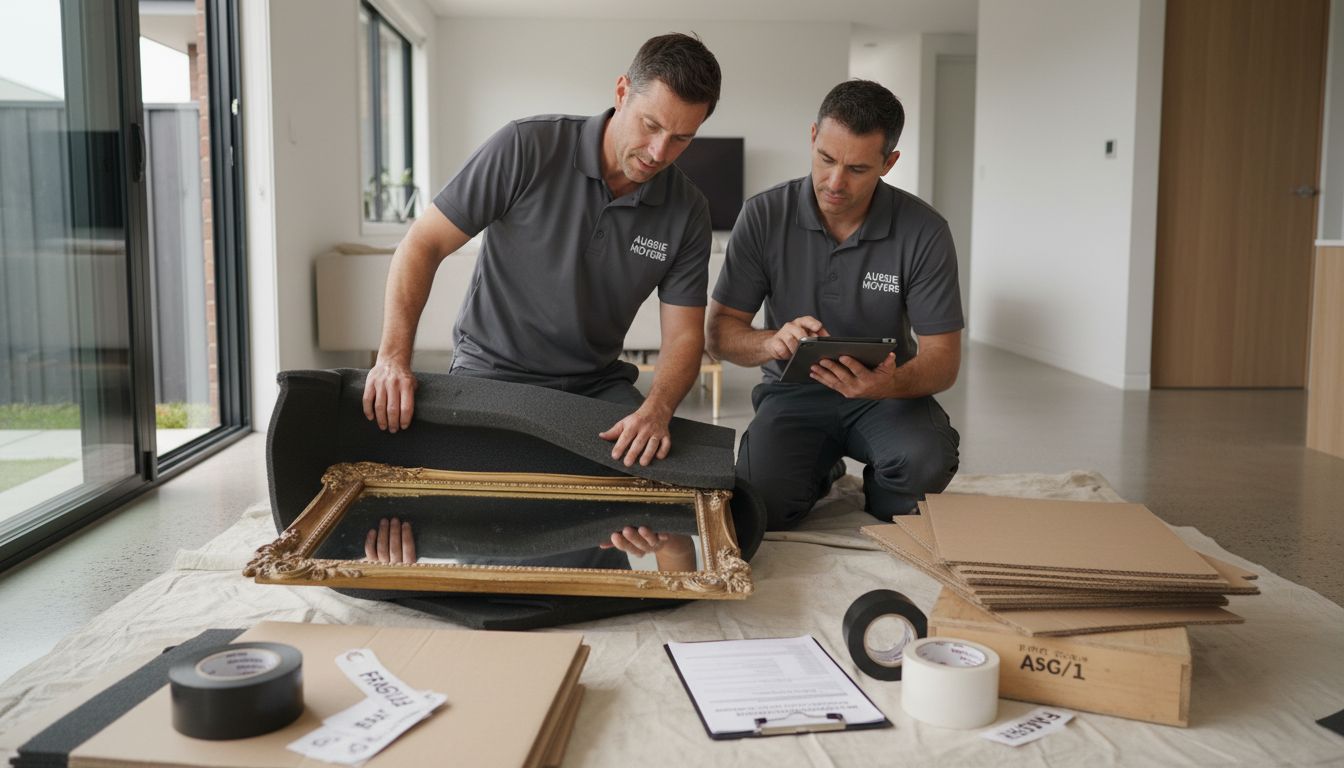
Moving insurance in Australia offers diverse coverage options to protect your belongings during transit. According to research from What Is a Moving Quote? Complete Guide for Australians, two primary types of moving insurance are commonly available: Accidental Damage Cover and Restricted Cover.
Accidental Damage Cover provides comprehensive protection and typically includes:
Restricted Cover, by contrast, offers more limited protection, specifically covering:
Professional movers often recommend additional options like Single Transit Within Australia and Annual Cover for businesses requiring multiple transportation events. These policies can be tailored to individual needs, ensuring your specific moving requirements are met with appropriate financial protection.
Here’s a comparison of the main moving insurance types available in Australia:
| Cover Type | What It Protects | Typical Inclusions | Best For |
|---|---|---|---|
| Accidental Damage | Loss or damage from accidents | Loading/unloading Third party damage Retail packaging |
Comprehensive protection |
| Restricted Cover | Major incidents only | Fire Flood Vehicle collision Vehicle overturning |
Basic, lower cost cover |
| Declared Value Cover | Pre-set value of items | Compensation up to declared value | Budget-friendly moves |
| Replacement Cover | Like-for-like replacement | Current market replacement Full value insured |
High-value belongings |
| Transit Cover | Items in transit only | Loading Transportation Unloading |
Short-term transport |
Choosing the right moving insurance requires understanding three primary coverage types: declared value, replacement, and transit cover. When planning your move, selecting the appropriate insurance can mean the difference between total financial protection and potential significant losses.
With declared value coverage, you specify the total worth of your items upfront. This approach allows you to:
Replacement cover offers a more comprehensive protection strategy. It guarantees:
Transit cover focuses specifically on protecting your items during transportation. According to Local vs Interstate Moves, this type of insurance typically covers incidents during loading, transportation, and unloading. Professional movers recommend carefully reviewing transit cover details to ensure complete understanding of your protection scope.
Moving insurance in Australia is regulated by strict legal frameworks designed to protect consumers and ensure transparency. According to the Australian Financial Services Reform Act, moving companies must meet specific qualifications to arrange and discuss insurance with clients.
Key legal requirements for moving insurance providers include:
Provider obligations extend beyond basic legal compliance. Authorised representatives must:
For consumers, understanding these legal requirements means knowing that only qualified professionals can guide your insurance selection. This regulatory approach ensures you receive expert advice tailored to your specific moving needs, providing peace of mind during what can be a complex and stressful process.
Navigating moving insurance claims can be complex, but understanding the right process can make a significant difference. According to research from What Is a Moving Quote? Complete Guide for Australians, successful claims require strategic preparation and careful documentation.
The claims process typically involves these critical steps:
Common pitfalls to avoid include:
Professional movers recommend creating a comprehensive inventory with item values, taking pre-move photographs, and carefully reading your policy’s fine print. By being proactive and meticulous, you can significantly increase your chances of a successful insurance claim and protect your belongings during transit.
Understanding the differences between moving insurance types like declared value, replacement, and transit cover is crucial for a smooth relocation. You want peace of mind knowing your belongings are shielded from accidental damage, theft, or natural events. At Onyx Removals, we recognise how overwhelming this process can be and aim to remove the guesswork with personalised moving plans tailored to your needs. Our professional team not only handles your move with care but also guides you on insurance options that match your specific requirements.
Don’t leave your valuables unprotected or risk unexpected costs. Take control of your move with comprehensive support offered by Onyx Removals. Visit our service overview to explore how we combine expert relocation with trusted advice on moving insurance. Secure your move today by contacting us for a quote and make your next transition stress-free and fully insured.
The main types of moving insurance include Accidental Damage Cover, Restricted Cover, Declared Value Cover, Replacement Cover, and Transit Cover. Each type offers different levels of protection for your belongings during a move.
Accidental Damage Cover provides comprehensive protection, covering physical loss or damage to items, deliberate third-party damage, and protection during loading and unloading.
Declared Value Cover allows you to set a specific worth for your belongings and receive compensation based on that amount, while Replacement Cover guarantees a like-for-like replacement of damaged or lost items according to current market prices.
Common exclusions include damage due to improper packing, normal wear and tear, perishable items, hazardous materials, and undeclared high-value items.

No Related Post


