


The removalist truck is rarely the surprise. What blows most moving budgets is the stack of small charges around it: bond, connection fees, packing materials, cleaning, storage, stair carries. The fix is simple to state and easy to skip: budget the whole stack, with dates attached, not just the quote in your inbox. Renters get hit hardest, because bond and rent paid in advance land in the same fortnight as everything else.
TL;DR:
- Packing materials, connection fees, storage, and special-item handling can significantly increase total moving costs beyond the basic truck and labour charges.
- Moving expenses often cluster within the same payment period, especially for renters paying bond and rent upfront, creating a cash-flow squeeze.
- A typical local move in Australia costs between $800 and $2,000, but additional charges for stairs, disassembly, and connection services can add hundreds to thousands of dollars.
- Budgeting should include a full list of line items with specific due dates, and a contingency of 5–10% to cover unexpected expenses or last-minute costs.
- Asking detailed questions upfront about inclusions, extras, and policies helps prevent unexpected charges and ensures a more accurate move budget.
Most unexpected moving costs aren’t hidden so much as ignored until the invoice arrives. They’re the line items that never make it into the first quote you get, because a removalist quote only covers the truck and the labour, not the ecosystem around it.
Run through this list against your own move and tick what applies:
If you’re moving interstate or importing goods from overseas, add vehicle transport and biosecurity inspection costs to that list too.
Cost drivers are straightforward: the size of your home, the distance travelled, and how hard your two properties are to access. A ground-floor unit with parking out front costs less to move than a third-floor apartment with no lift and a loading zone two streets away.
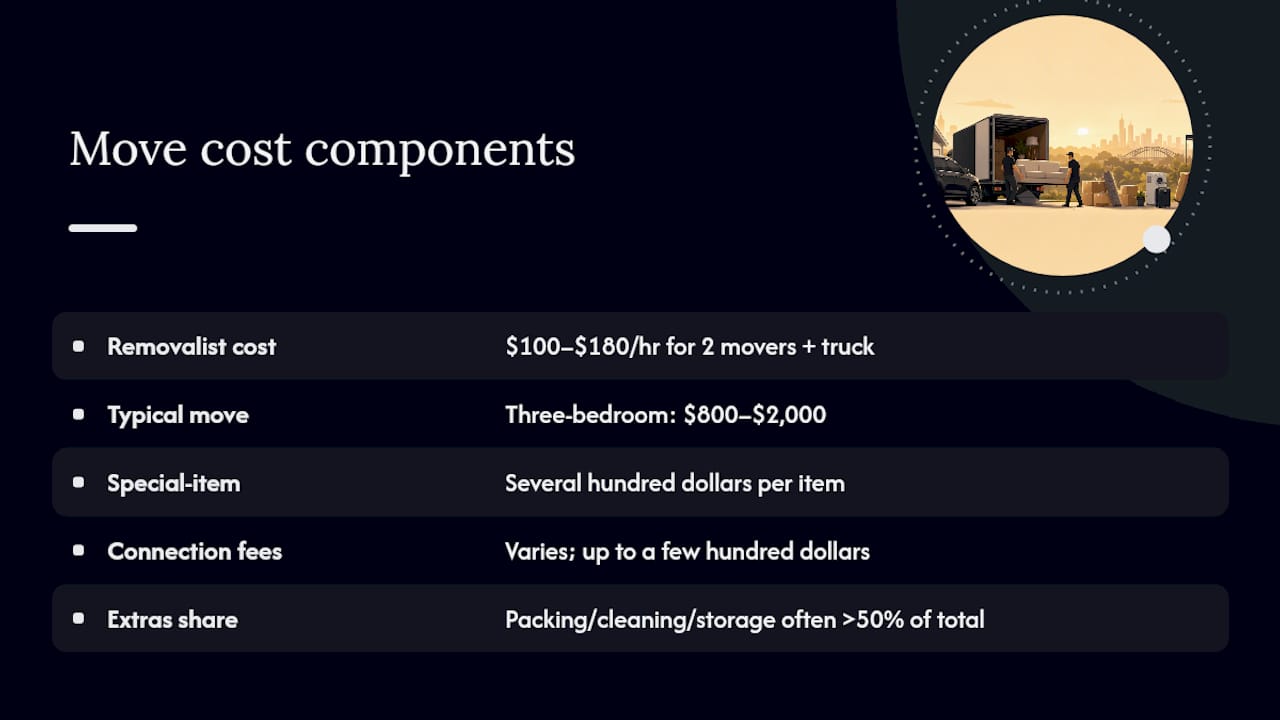
A local removalist typically charges $100–$180 per hour for two movers and a truck, with a three-bedroom local move commonly landing between $800 and $2,000. That’s the number most people budget around. It’s also the number that misleads them.
Special-item handling such as piano moves, disassembly and stair carries routinely adds several hundred dollars per item, and connection fees for internet and power vary wildly, with some providers waiving them and others charging up to a few hundred dollars for installation.
Once you add packing, cleaning, storage and connection fees to the truck, the removalist often covers under half of what a move actually costs. That’s the number worth sitting with before you set your budget.
The bills don’t spread out evenly. They cluster in the same fortnight, which is exactly why so many people end up short.
Renters face the sharpest version of this. You typically pay a new bond and rent in advance before you get the keys, while your old bond refund can take weeks to process and land back in your account. That gap between money out and money back is where emergency borrowing and rushed decisions happen.
A few fixes reduce the pressure:
A good budget treats the move as a stack of line items with dates, not a single number from one quote.
Pro Tip: Keep a 5–10% contingency on top of your total budget, plus a small cash float for moving day itself. Tips for the crew, a locksmith call-out, or last-minute cleaning supplies rarely make it onto any quote.
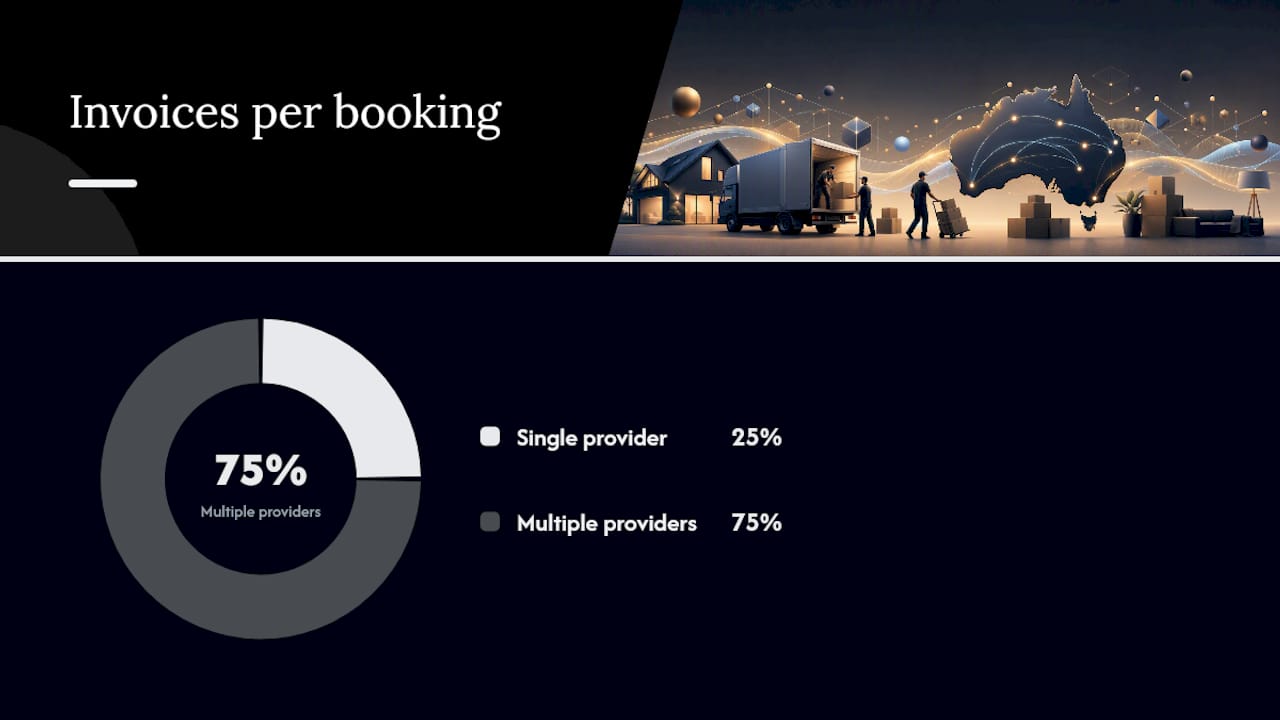
Years of quoting moves in Melbourne have shown the same pattern: the moves that blow their budget are almost always the ones where nobody asked the right questions upfront.
Before signing anything, ask:
Our 15 questions to ask movers covers this in more depth. One advantage of booking packing, storage and cleaning through a single provider is that you get one invoice and one point of contact instead of three separate businesses each adding their own surprise fee.
A low quote that turns into five separate invoices for packing, cleaning and storage rarely ends up cheaper than one itemised fixed price. If your timeline is tight or your household is large, paying a bit more for certainty and integrated service is often the better trade. It buys you time back, and it removes the guesswork of stacking vendors.
— Dinshaw
Onyx Removals bundles the services that usually arrive as separate, surprise invoices: packing and unpacking, bond cleaning, storage, and the move itself. Instead of juggling a removalist, a cleaner, a storage facility and a packing supplier, you get one itemised quote covering the lot, which is exactly the kind of upfront clarity this article has been building towards.
Office and house packing and unpacking is priced at $109 per hour through Onyx, and every other service, from bond cleaning to short-term storage, is quoted against your actual inventory rather than a generic estimate. If you’re planning a move in Melbourne and want to see the real numbers before you commit, request an itemised quote through the pricing page and get every line item in writing before moving week arrives.
Common examples include end-of-lease cleaning, utility connection fees, storage while waiting on settlement, stair-carry surcharges, and special-item handling for pianos or pool tables. Renters should also budget for the bond and rent-in-advance gap that lands in the same week as most other moving bills.
Watch for verbal-only quotes with no written inventory, reluctance to say whether stairs or long carries are charged as extras, and hourly rates that don’t specify whether travel time is included. A legitimate removalist will confirm inclusions in writing before moving day.
A local removalist typically costs $100–$180 per hour for two movers and a truck, with a typical three-bedroom local move landing between $800 and $2,000 once time on the job is factored in.
Moving costs cover far more than the truck: packing materials and labour, storage, cleaning, connection fees, special-item surcharges, insurance, and cash-flow items like bond and rent in advance. Surveys of Australian movers show stacked pre-move, moving-day and post-move costs can average several thousand dollars once every line is added together.
Yes, Onyx Removals offers office and house packing and unpacking at $109 per hour, alongside bundled cleaning and storage options designed to reduce the number of separate invoices you manage during a move.

No Related Post


