


TL;DR:
- Proper plant packing and transport techniques are essential to keep roots healthy and foliage intact during moves. Using breathable materials, secure packaging by plant size, and maintaining appropriate temperatures greatly reduce stress and damage. Approaching post-move recovery gradually ensures plants adapt well to their new environment and remain resilient over time.
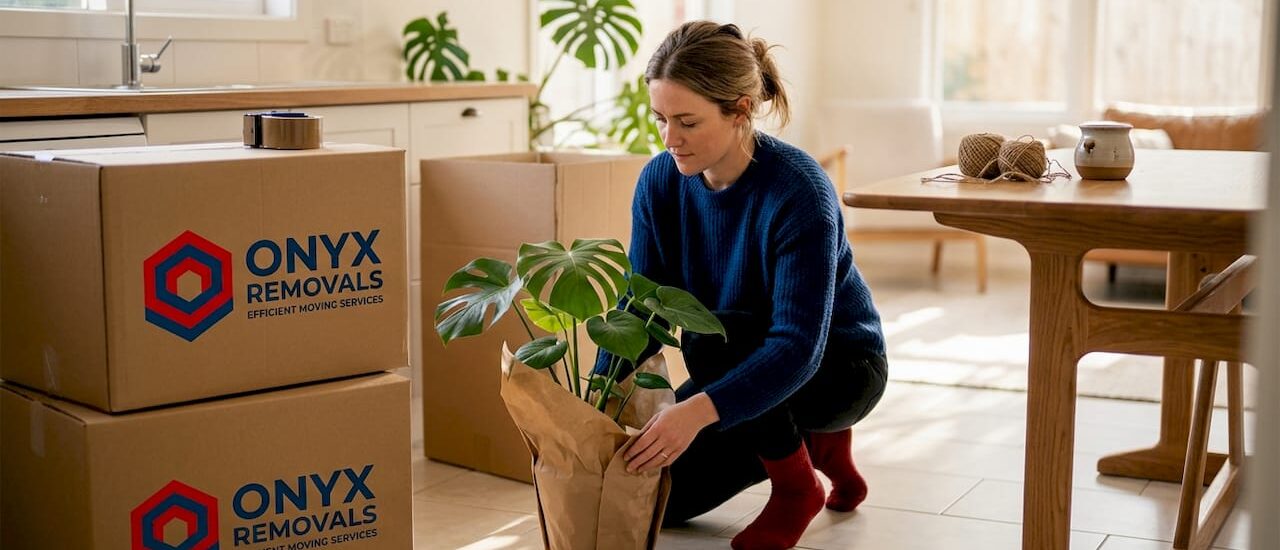
Moving with plants is nerve-wracking. You’ve spent months, sometimes years, nurturing a collection, and a single badly packed box can undo all of it. The good news is that proper packing tips for plants make an enormous difference. Whether you’re moving across Melbourne or travelling interstate, the right preparation, materials, and handling keep roots intact, foliage healthy, and your plants arriving in the same condition they left. This guide walks you through every stage, from what to gather before moving day to how to help your plants recover once you arrive.
| Point | Details |
|---|---|
| Prepare plants days ahead | Water 2 to 4 days before moving so soil is moist but not saturated, reducing weight and root rot risk. |
| Choose breathable materials | Use paper, landscape fabric, and cardboard rather than plastic, which traps gas and causes leaf decay. |
| Pack by plant size | Small, medium, and large plants each need different box types and securing methods to prevent damage. |
| Control temperature in transit | Keep plants between 7 and 24°C during transport; use heat packs in insulated boxes for cold weather. |
| Unpack promptly, water carefully | Place plants in indirect light immediately after arrival and check soil moisture before watering. |
Good outcomes on moving day start well before the removalist van arrives. Gathering the right supplies and preparing your plants properly reduces stress on both you and them.
Your plant packing guide should begin with a materials checklist. You’ll need sturdy cardboard boxes in a range of sizes, clean newspaper or packing paper, soft garden ties or strips of cotton fabric, breathable landscape fabric or hessian to cover soil surfaces, and clean towels for cushioning between pots. For larger specimens, wardrobe boxes work well as protective sleeves, combining physical protection with enough airflow to prevent overheating. Skip the bubble wrap on leaves and the plastic bags over pots. Plastic wrap traps ethylene gas, a natural plant hormone that accelerates leaf drop and encourages fungal growth when it builds up inside sealed packaging.
The week before your move matters more than most people realise. Start by doing a thorough pest inspection before packing; any hitchhiking spider mites or fungus gnats will thrive in the warm, confined environment of a packed box and cause real damage by the time you arrive.
Next, water 2 to 4 days before moving so the soil is just lightly moist. Soggy soil adds unnecessary weight, encourages root rot during transit, and makes pots heavy and unstable. Succulents and cacti can skip the pre-move water entirely and go longer between drinks without any harm. Remove any dead, yellowing, or damaged leaves before packing. They won’t recover during the move, and their decay can spread to healthy foliage.
Here’s a quick pre-move checklist:
Pro Tip: Move plants indoors two days before departure if they normally live outside. This gentle transition reduces the shock of going from garden to box.
One of the most practical plant packing guide principles is this: there is no single method that works for every plant. A monstera needs completely different treatment to a row of terracotta succulents.
Small plants are actually the trickiest. Their pots tip easily and they can get crushed under the weight of other boxes if not positioned correctly. Follow these steps:
For pots in the 15 to 30 centimetre range, stability is the challenge. Cardboard sleeves with ventilation holes work well here. Cut a sleeve from a larger box, wrap it around the plant like a collar, and tape it loosely so the foliage is contained but not crushed. Use soft ties to gently gather any wayward branches without binding them tightly. Pack the pot base in crumpled paper and place a towel around the outside of the pot to stop movement inside the box.
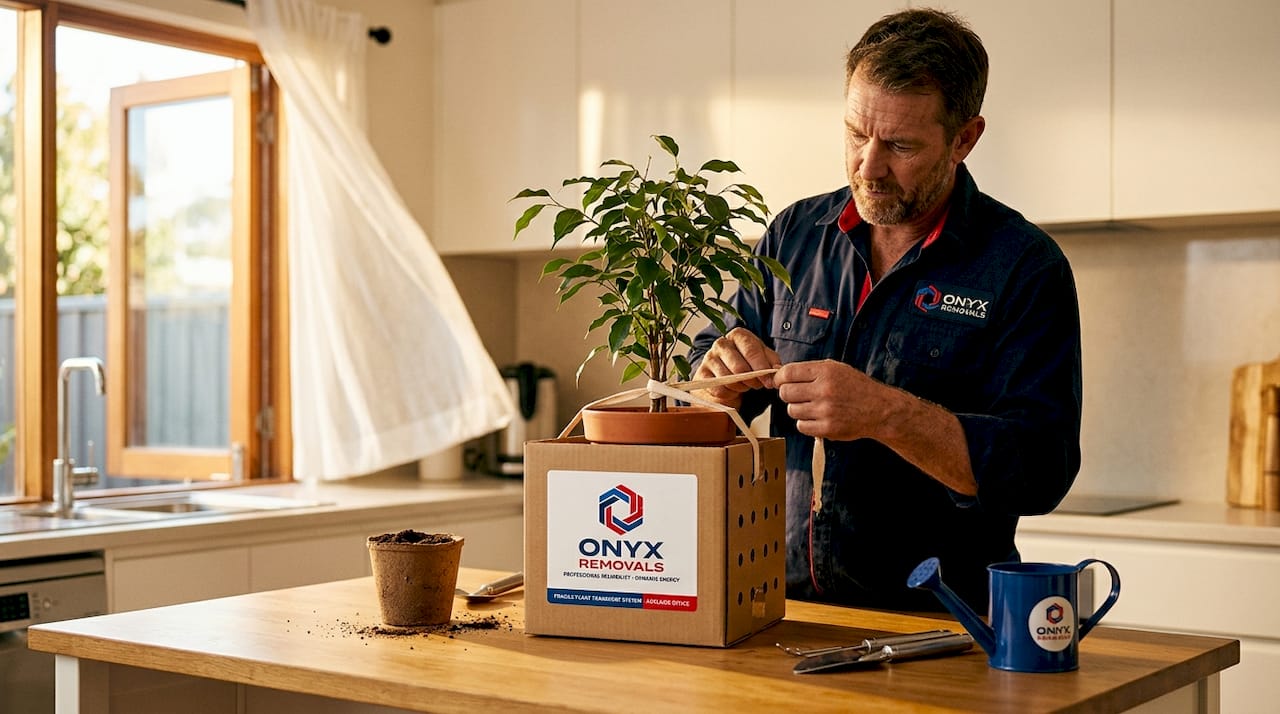
Large plants genuinely benefit from a wardrobe box used as a sleeve rather than a closed container. It provides vertical support for tall stems, protects foliage from brushing against walls or other furniture, and still allows airflow. For very large floor plants, upright transport in the back seat or boot of your car is far safer than laying them on their side. Roots and stems suffer under their own weight when horizontal for extended periods.
| Plant type | Best packing method | Materials to use | Materials to avoid |
|---|---|---|---|
| Small succulents | Snug box with paper cushioning | Packing paper, landscape fabric | Plastic bags, excessive watering |
| Medium tropicals | Cardboard sleeve with ventilation holes | Soft ties, breathable fabric, towels | Tight rubber bands, sealed wrap |
| Large floor plants | Wardrobe box sleeve or upright in vehicle | Open wardrobe box, cotton ties | Plastic sheeting, horizontal position |
| Tall stems (e.g. fiddle leaf fig) | Upright in car, stem loosely gathered | Soft cotton ties, paper around pot | Standard closed boxes |
Pro Tip: Punch four or five small holes in the sides of any closed box you use for plants. Proper ventilation prevents heat buildup and stops moisture from condensing on foliage during transport.
Packing well is only half the challenge. How you handle and transport plants matters just as much as how you pack them.
Plants are sensitive to temperature extremes in ways that catch many people off guard. Transit temperatures should stay between 7 and 24°C to prevent damage. If you’re moving during Melbourne’s cooler months and temperatures will drop below 7°C overnight, use a 72-hour heat pack inside an insulated box to maintain a safe environment. Always wrap the heat pack in a towel before placing it near pots. Direct contact between a heat pack and a plastic pot or ceramic vessel can cause heat damage to roots.
A sun-drenched car feels pleasant to you but can scorch a plant’s leaves in under an hour. Rapid leaf scorch from direct sunlight during vehicle transport is more common than most plant owners expect. UV-blocking window films or simple opaque fabric draped over plants during the drive prevent this without blocking airflow entirely. Parking in direct sun with plants in the car, even briefly during a rest stop, can cause serious damage.
Consider these transport safeguards:
“The biggest single mistake I see is loading plants into a vehicle last minute without securing them. One sharp turn and a 30-centimetre pot becomes a projectile. Put plants in before other gear so you can position them properly.”
Arriving at your new home is not the finish line for plant care. The days immediately after a move are when many plants show stress, and how you respond makes a real difference.
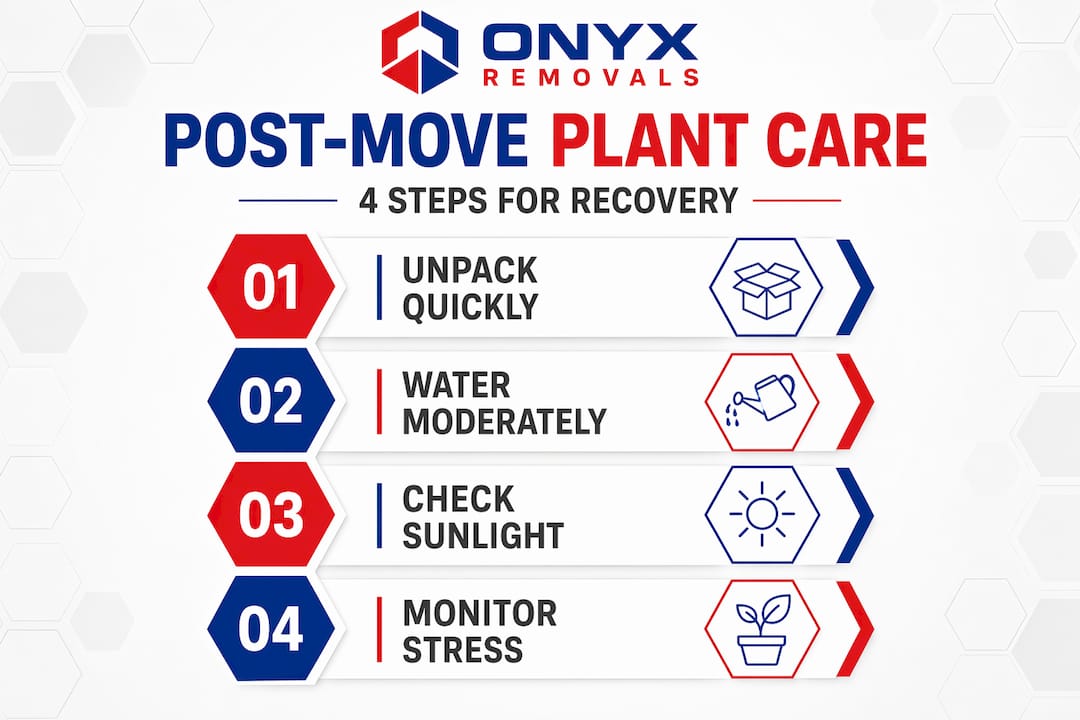
As soon as you arrive, remove all packaging from your plants. Do not leave them in closed boxes or wrapped in paper overnight, even if you are tired from the move. Unpack immediately and place plants in indirect light away from direct sun or heating vents. This is not the time to find the perfect long-term spot. Stability and gentle conditions matter most in the first 48 hours.
Here’s how to support recovery:
Pro Tip: Plants respond best to steady, consistent care rather than reactive treatment. If a leaf drops, that does not mean the plant needs more water. Check the soil, check the light, and resist the urge to intervene dramatically.
Knowing what recovery looks like helps too. Check out these indoor plant care tips for more detail on managing the post-move adjustment period.
I’ve seen a lot of plant collections make it through moves beautifully, and I’ve seen some heartbreaking losses. In my experience, the damage rarely happens because of bad luck. It happens because of rushing.
People try to over-correct after a move. A few yellowing leaves appear and suddenly the plant gets moved three times, heavily watered, pruned, and dosed with fertiliser all in one week. That kills more plants than the move itself. What I’ve learned is that plants are genuinely resilient when you give them steady conditions and leave them alone to adjust.
The packing mistakes I see most often are using plastic wrap on leaves, skipping the ventilation holes in boxes, and watering plants the night before a move so pots arrive waterlogged. Each of those is easy to avoid once you know about it.
For long-distance moves, the cold-weather transport errors concern me most. A single overnight below 7°C without insulation and a heat pack can wipe out tropical specimens that took years to grow. Plan for this before moving day, not on the morning of.
My honest advice: treat your plants’ packing as seriously as you treat your furniture. They’re living things with genuine needs during transit, and a bit of planning upfront saves a lot of grief later.
— Dinshaw

Packing and transporting a plant collection takes time, the right materials, and a calm approach that can be hard to maintain on a busy moving day. Onyx Removals offers residential moving services in Melbourne that include specialist handling for plants, from careful packing through to climate-aware transport and unpacking support. The team understands that your fiddle leaf fig is not just a pot of soil. Learn more about what professional plant movers bring to a Melbourne relocation, and get in touch for a personalised quote tailored to the size and complexity of your move.
Start at least one week before moving day. This gives you time to check for pests, adjust watering schedules, and source the right packing materials without rushing.
Use sturdy cardboard boxes, packing paper, landscape fabric to cover soil, soft cotton ties, and clean towels for cushioning. Avoid plastic wrap, which traps gas and moisture against foliage.
Standard non-climate-controlled freight is not recommended. Non-climate-controlled freight causes near-total mortality due to temperature swings and humidity loss. Use climate-controlled vehicles or specialist plant shipping services.
Keep transit temperatures between 7 and 24°C. For cold weather moves, place a 72-hour heat pack wrapped in a towel inside an insulated box, ensuring no direct contact between the heat pack and the pot.
Leaf drop is a normal stress response to changes in light, humidity, and temperature. Place plants in stable indirect light, check soil moisture before watering, and avoid repotting or pruning for at least three to four weeks.

No Related Post


