


TL;DR:
- Proper preparation before moving day significantly reduces the risk of injuries and ensures a smoother process.
- Using correct lifting techniques and actively managing hazards throughout the move prevent common injuries and accidents.
Moving day catches more people off guard than they expect. Most families focus entirely on logistics — the truck, the timeline, the boxes — and forget that overexertion from lifting is one of the leading causes of preventable injury during a move. A strained back or a fractured toe does not care how well-packed your kitchen boxes are. These safety tips for moving day will help you and your family get through the whole process without a trip to the emergency room or a nasty surprise on the bill.
| Point | Details |
|---|---|
| Prepare before moving day | Gather equipment, clear pathways, and brief all helpers on roles and safety expectations. |
| Use proper lifting form | Bend your knees, keep your back straight, and hold loads close to your body at all times. |
| Manage onsite hazards | Watch for wet floors, trip hazards, and traffic around the moving vehicle throughout the day. |
| Protect your belongings | Use inventory lists, photograph valuables, and verify your removalist’s credentials before signing anything. |
| Run a safety briefing | A 10 to 15 minute briefing before heavy lifting can reduce injury risk by up to 50 per cent. |
The single biggest mistake people make is treating moving day as the start of the process. By the time the truck arrives, your safety groundwork should already be done. Planning ahead transforms a chaotic, injury-prone day into one that runs with genuine control.
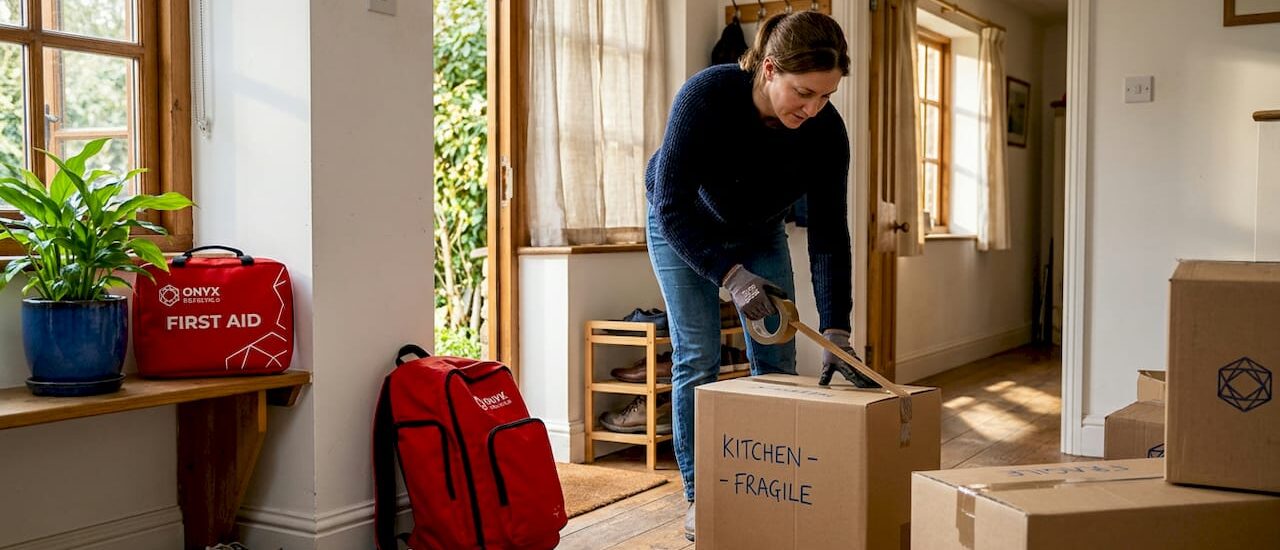
Gather the right equipment first. A dolly or hand truck, lifting straps, work gloves, and sturdy closed-toe footwear are not optional extras. They are the tools that prevent the injuries that land people on the couch for a week. Professional movers recommend keeping smaller boxes for heavy items like books and kitchenware to limit how much any single box weighs. A box that is too heavy to lift safely should be repacked, not forced. You can find a full rundown of essential moving equipment that makes a real difference to safety on moving day.
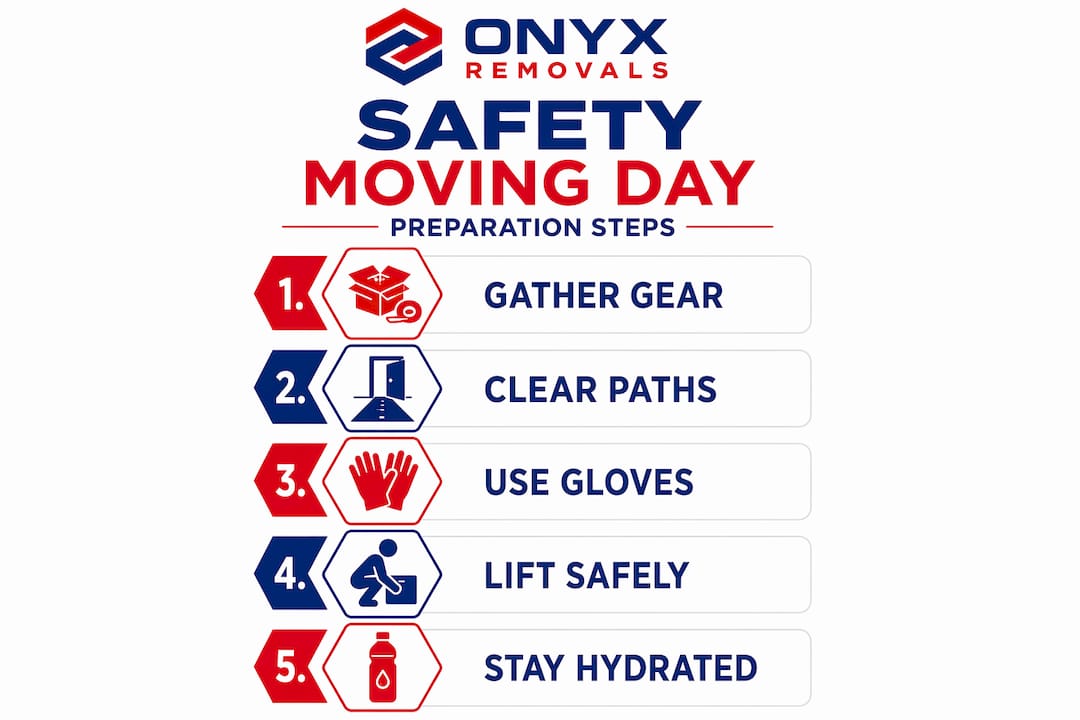
Before the first box leaves the house, walk through both properties and identify obstacles. Remove rugs that could slip, coil up cords, prop open doors, and mark any steps or uneven surfaces with brightly coloured tape. These small acts take ten minutes and prevent a serious fall.
Your packing method is a safety issue too. If an item moves inside the box, it will break. Fill every empty space with padding like socks, newsprint, or bubble wrap to stop contents shifting. Label boxes clearly on the top and sides, and mark anything fragile so handlers know before they lift. There are specific techniques for packing fragile items that protect both your belongings and the people carrying them.
Brief everyone involved. Whether you have hired professionals or are relying on mates and family, a quick pre-move briefing pays off. Assign roles, discuss the plan for heavy or awkward items, and agree on verbal cues. Transparent role assignment reduces confusion and dramatically improves how safely and efficiently the day runs.
Safety checklist before you start:
Pro Tip: Pack a separate “day-of” bag with your first aid kit, water bottles, snacks, and any essential documents. Keep it in your car or a designated safe spot so it does not end up on the truck.
This is where most moving injuries actually happen. Moving places repeated physical demands on the back, shoulders, and knees. The good news is that the majority of these injuries are entirely preventable when you understand and apply proper technique.
Here is how to lift safely every time:
For furniture that is too heavy or awkward to carry safely by hand, use a dolly or furniture sliders. Pushing is always safer than carrying over a long distance. Our detailed guide on moving heavy furniture safely walks through the step-by-step approach for large items.
Pro Tip: If you are unsure whether an item needs two people, it needs two people. The rule of thumb used by professional removalists is that anything over 25 kilograms should not be lifted alone.
Even with excellent preparation, moving day creates a constantly changing environment. New hazards appear as rooms empty out and foot traffic increases. Managing these actively is what separates a safe move from one that ends with an accident.
Walkways and staging areas deserve ongoing attention. As furniture moves out, floors that were previously covered get exposed. Watch for tile or timber floors that become slippery, nails or splinters left behind by furniture, and wet patches near external doors in wet weather. Continuously monitoring for new hazards throughout the move, rather than just at the start, significantly reduces accidents.
Here are the key hazard areas to manage throughout the day:
Physical safety on moving day is only part of the picture. Financial safety matters too, and moving scams are more common than most people realise. Consumers in North America reported a median loss of $532 from moving scams in a single year, and the tactics used are consistent across markets.
The best protection is doing your research before you book anyone. Here is what to look for and watch out for:
| Warning sign | What it means |
|---|---|
| No written quote | Company may add undisclosed fees later |
| Quote given without seeing items | Estimate will likely be inaccurate or dishonest |
| No ABN or business registration | No formal accountability if things go wrong |
| Demands full payment upfront | Legitimate companies do not operate this way |
| Refuses to unload without extra fees | Classic hostage freight scam tactic |
For more strategies to keep your possessions safe throughout the move, the guide on security tips for moving covers the full picture.
I used to think the biggest risk on moving day was dropping something valuable. After watching dozens of moves, I have changed my view completely.
The real risk is overconfidence. People who have moved before assume they already know how to do it safely. They skip the briefing, skip the stretching, and pick up the couch without thinking. That is exactly when the back goes.
The single change that has made the most difference in the moves I have been part of is running a proper safety briefing before the first heavy item moves. Not a lecture. Just ten minutes: who does what, how we lift the awkward pieces, what we call out if someone needs to stop. A well-run safety briefing does not just reduce injuries. It settles nerves and gets everyone on the same page.
The other thing I wish more people took seriously is fatigue. Most moving day injuries happen between 2pm and 4pm. Everyone has been at it for hours, the excitement has worn off, and people start rushing to finish. That is when corners get cut and muscles give out. Building in real rest breaks, not just five minutes leaning against the truck, changes the second half of the day entirely.
My honest advice: if you are moving anything larger than a one-bedroom apartment, hire professionals. Not because you cannot do it yourself, but because the cost of a professional removalist is almost always less than the cost of a back injury, a broken television, or a week of recovery time.
— Dinshaw
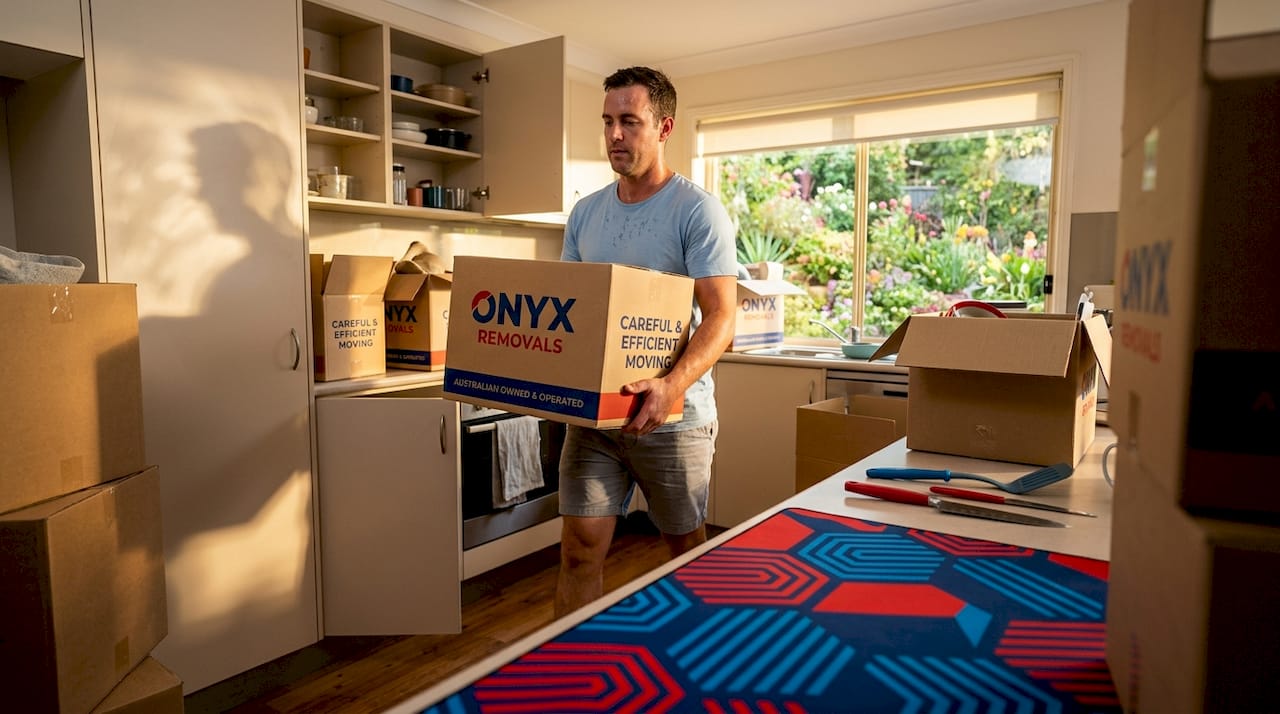
If you want to take the physical risk and guesswork out of moving day entirely, Onyx Removals is worth a conversation. As Melbourne’s experienced residential removalists, the team brings the right equipment, trained lifting technique, and a clear safety process to every job. You do not have to brief your mates on how to carry a fridge or worry about whether the truck will show up. Onyx Removals handles the planning, the heavy lifting, and the careful handling of your belongings from start to finish. Get a transparent moving quote and see what a professionally managed move looks like.
Back strains, shoulder injuries, and foot injuries from dropped items are the most frequent. Most are preventable with proper lifting technique and appropriate footwear.
Bend at the knees rather than the waist, keep your back straight, hold the box close to your body, and never twist at the waist while carrying a load.
Legitimate movers provide written estimates after inspecting your belongings. Avoid any company that quotes without seeing your items, demands full upfront payment, or has no verifiable ABN.
Where possible, arrange for children and pets to spend the day elsewhere. Moving day involves heavy loads, open doors, and vehicle movement, all of which create real risks for small children and animals.
A 10 to 15 minute briefing before any heavy lifting begins is enough to cover roles, lifting techniques, and communication signals. Research shows this simple step can cut injury risk by up to 50 per cent.

No Related Post


