


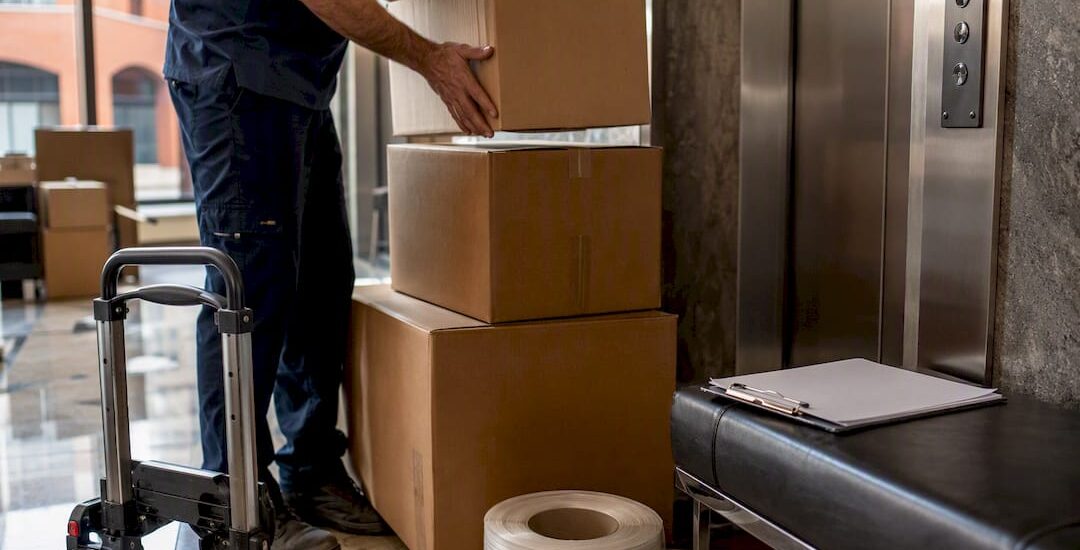
Book your lift slot, confirm your removalist’s insurance, and lock in a written condition report before boxes touch the truck. Those three things stop most apartment moves from turning into a dispute with strata, a fine from council, or a fight over a damage bond. Everything else on the apartment move in essentials list, from packing to parking permits, sits underneath those three pillars.
TL;DR:
- Book your lift and confirm its dimensions and protection in writing at least 48 to 72 hours before moving, and check if the building supplies protection.
- Apply for parking permits early, ideally right after confirming your move date, to avoid fines or delays caused by late application or street capacity limits.
- Verify the removalist’s insurance credentials and photography of common areas before and after the move to prevent disputes over damages and bonds.
- Measure vehicle clearance and plan alternative options like smaller trucks or shuttle runs for buildings with low basement or tight access to avoid move-day complications.
- Coordinate access codes, keys, and building regulations in advance, and check whether your move complies with specific restrictions on items or timing to prevent violations.
Most bond disputes and delayed lifts trace back to the same handful of missed steps. Tick these off before you commit to a moving date, and the day itself becomes far less stressful.
Pro Tip: Photograph the lift buttons, corridor corners, and doorframes on your reconnaissance visit, not just the furniture. Buildings almost always dispute damage to common areas, not your own belongings.
Skipping any one of these tends to cascade. A missed permit means the truck idles illegally while you scramble for street parking. An unconfirmed lift booking means your crew stands in the lobby waiting for a resident to finish their own move first.
Strata and building managers rarely accept a walk-up booking request. Most require formal paperwork submitted through a booking system, and the lead time catches people out more than anything else on this list.
Get this paperwork sorted before you finalise a moving date with your removalist. It’s the single biggest cause of last-minute reshuffles.
A truck that’s too tall for the basement entry, or one parked illegally on the street, can derail an otherwise well-planned move. Measure the clearance at your building’s loading entry and compare it against your removalist’s vehicle before booking.
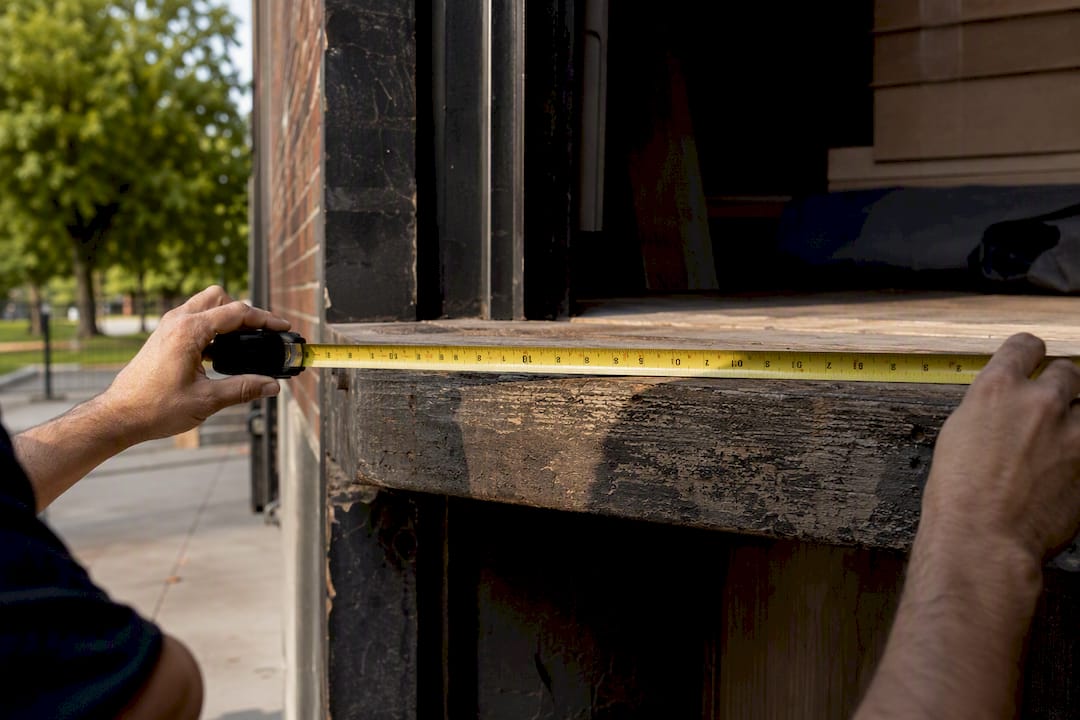
Standard removal trucks typically need 3.2 to 3.8 metres of clearance, while a compact van can fit through most basement entries with room to spare. If your building has a low-clearance basement or an awkward ramp angle, ask your removalist whether a smaller vehicle, a shuttle run, or a footpath-based trolley plan makes more sense than forcing a large truck into a tight space.
Council parking permits are the part people forget until the truck is already double-parked. Councils in major cities typically charge somewhere between $200 and $400 per day for a temporary loading permit, and getting one issued can take several business days.
Applying early avoids the double cost of a fine plus a rescheduled truck booking.
Ask to sight three documents before your removalist sets foot in the lobby: a public liability certificate of currency, proof of goods-in-transit cover, and their ABN. Buildings increasingly enforce this as a condition of lift access, not a courtesy.
Condition reports are where most disputes actually happen, and the fix is simple: photograph every common-area surface, corridor, and doorframe before the move starts, and again once it’s finished. Building move packs and NCAT dispute patterns both show that bonds get withheld more often when there’s no photographic evidence, and refunded faster when there is.
Pro Tip: Time-stamp your photos and send them to the building manager by email the same day. A photo sitting on your phone is weaker evidence than one already on record with a date attached.
Confirm the scope of work with your removalist well before moving day, not as an afterthought when the crew arrives. A mismatch between what you expected and what they quoted for is the single fastest way to blow out your timeline.
A removalist who asks these questions upfront, rather than waiting for you to raise them, is usually the one who has done enough apartment moves to know where things go wrong.
Moving day runs smoothly when everyone follows the same sequence, in the same order, every time.
| Step | Who’s responsible | What to collect |
|---|---|---|
| Building check-in | You or building manager | Confirmation lift protection is fitted |
| Before photos | You and removalist | Time-stamped images, signed report |
| Truck and lift supervision | Removalist crew | None, just clear access |
| After photos and handover | You | Signed sign-off, bond refund date |
Utilities rarely transfer themselves, and a gap of even a day without power or internet turns a smooth move into a miserable first night. Start the paperwork at least a week before moving day, ideally as soon as you have a confirmed settlement or lease start date.
Electricity and gas usually need a formal transfer request to your chosen retailer, who coordinates the meter reading with the distributor. If the apartment already has an active connection, this can sometimes be a same-day switch; if the meter needs to be turned on from scratch, allow a few extra business days.
Water in apartment buildings is often billed through the body corporate or a shared account, rather than a separate retail connection. Check your lease or the building’s move-in pack to see whether water is included in strata fees or billed to you directly, since this changes whether you need to set up anything at all.
Internet is the utility most likely to leave you without service on day one if you don’t plan ahead. Provider lead times for a new connection can run one to two weeks, so book the appointment as soon as you have an address, and ask whether the building uses a shared fibre network that limits your choice of provider.
Keep a simple list of the four services, when you contacted each provider, and the confirmed connection date. That list becomes useful again the day you move out, since most of these accounts need a closing reading too.

Getting the physical means to enter your building often takes more coordination than the move itself. Apartment buildings typically use one of three access systems: a physical key, a proximity fob, or a keypad code, and many use a combination of all three for different doors.
Arrange collection with the agent, building manager, or previous resident before moving day, not on it. If keys are held at a real estate office, check their opening hours against your move time. A common mistake is booking a Saturday move when the agency that holds the keys is closed on weekends.
Fobs and access cards usually need to be registered against your name in the building’s system before they’ll work on lifts or common doors. Ask whether this registration happens automatically on handover or whether you need to visit the building manager’s office in person.
If your building uses a keypad code for the loading dock, service lift, or bin room, get that code in writing ahead of time and pass it on to your removalist. Turning up with a fully loaded truck and no way to open the loading dock is an avoidable delay.
Keep a written record of every key, fob, and code you receive, along with any deposit paid for them. You’ll need this same list in reverse when you move out, to confirm everything has been returned and any access deposit refunded.
Every apartment building operates under its own by-laws, and moving day is when residents are most likely to breach one without realising it. Strata guidance generally recommends giving at least 14 days’ notice of a move where possible, and following the building’s published move routes and by-laws on common-area use.
Common restrictions worth checking before moving day include limits on moving hours (often excluding evenings, Sundays, or public holidays), rules against propping fire doors open, and bans on leaving items unattended in corridors or foyers, even briefly.
Some buildings also restrict specific items from being moved through common areas at all, particularly gas bottles, large volumes of flammable liquid, or anything that can’t be carried without risk to shared flooring or lifts. If you’re moving anything unusual, a piano, a large fish tank, gym equipment, or a motorbike, flag it with the building manager and your removalist ahead of time rather than discovering a restriction on the day.
Fire egress paths are the one rule buildings enforce without exception. Never block a fire exit, stairwell, or fire hose reel cabinet with boxes or furniture, even temporarily, and make sure your removalist crew understands this before they start unloading.
Packing generates a genuinely surprising volume of cardboard and plastic wrap, and most apartment bin rooms are not designed to absorb an entire household’s move in one hit. Check your building’s waste protocols before moving day so you don’t end up with a bin room overflowing onto the loading dock.
Many buildings limit how much bulk waste can go into shared bins at once, and some require large volumes of cardboard to be flattened and bundled rather than dumped loose. If you’re clearing out furniture you’re not taking with you, check whether the building allows hard rubbish in common areas at all. Most don’t, and leaving an old mattress by the bin room is a common source of building manager complaints.
If your move is generating more waste than the regular bin service can handle, arranging a skip bin for the day is often cheaper and far less stressful than multiple trips to a transfer station. This also keeps packing debris away from shared walkways where it becomes a trip hazard for other residents.
Flatten every box before it goes anywhere near a communal recycling bin. A handful of unflattened boxes can fill an entire recycling bin meant for the whole floor, and leaves you looking like the resident who caused the overflow everyone else has to deal with.
The three mistakes we see most often are unmeasured lifts, permits requested too late, and insurance paperwork produced on the day instead of before. Each one is entirely preventable with a phone call a week earlier. A simple set of time-stamped before-and-after photos resolves the vast majority of bond disagreements we’ve seen, because most disputes come down to who can produce evidence, not who is right. Buildings across Melbourne increasingly expect this level of documentation as standard, and residents who arrive prepared move through the process noticeably faster than those who don’t.
— Dinshaw
Onyx Removals is the alternative to juggling lift bookings, insurance paperwork, and building compliance yourself: we handle the coordination directly with your strata manager so nothing falls through on the day. Our crews arrive with current public liability certificates ready to show at check-in, fit lift protection before loading starts, and complete a photographed condition report with you at both ends of the move.
Beyond the truck and crew, we offer packing and unpacking, short-term storage if your new place isn’t ready, furniture disassembly, and waste removal for everything you’re leaving behind. When you request a quote, have your lift dimensions, preferred move date, and a rough list of large or awkward items ready. It speeds up the quote and means we send the right vehicle and crew size the first time. Get a quote for your Melbourne apartment move and we’ll confirm your building’s specific requirements before we lock in a date.
The building and strata practices covered here draw on real move-in packs, including Moore Park Gardens’ moving instructions, The Elizabeth’s move approval process, and Valentinos Apartments’ moving guide. Every building publishes its own version, so check yours before you book.

No Related Post


