


TL;DR:
- Moving is a vulnerable time for theft, so securing all entry points and changing locks is essential.
- Safeguard valuables during transit by personal transport, locking vehicles, and using concealment techniques.
- Proper insurance, community engagement, and working with licensed professionals significantly reduce security risks.
Moving house or relocating your business is one of the most chaotic periods you’ll face. Boxes pile up, doors stay propped open, and your attention is stretched in a dozen directions at once. That distraction creates a real window of opportunity for theft. Residential burglaries in Victoria rose 14% to 30,545 in the year ending June 2025, and moves are among the most vulnerable moments for any household or office. The good news is that a few deliberate steps, taken at the right time, can dramatically reduce your risk and keep your move on track.
| Point | Details |
|---|---|
| Change locks on arrival | Switch or rekey every lock as soon as you move for total control over property access. |
| Secure transit is crucial | Keep vehicles locked and valuables hidden on moving day to deter opportunistic theft. |
| Don’t skip moving insurance | Specialised insurance fills gaps standard policies don’t cover during relocation. |
| Vet your removalists | Ensure movers are licensed and insured, especially for commercial moves or sensitive office data. |
| Work with your new neighbours | Engage your community for added security, especially when your property is vacant. |
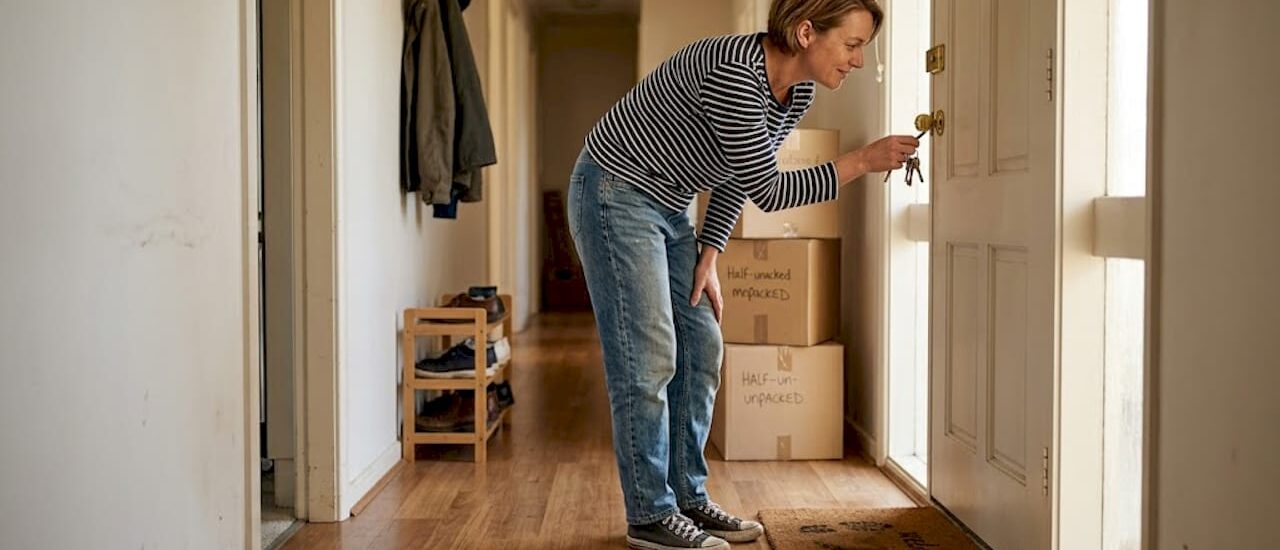
Your front door is not the only way in. Before you unpack a single box, take stock of every entry point in your new property.
Change locks immediately when you move into a new home. You have no idea how many copies of the old keys exist, whether they’re with a previous tenant, a neighbour, a tradesperson, or someone entirely unknown. Rekeying or replacing locks costs between $100 and $300 depending on the type, but that’s a small price compared to the risk of an uninvited guest.
For renters in Victoria, the law is on your side. Deadlocks on external doors are required under Victoria’s minimum rental security standards. Your landlord is responsible for ensuring these are in place before you move in. If they aren’t, you have grounds to request them immediately.
Here’s a quick checklist to run through on arrival:
For those renting, note that movable security devices such as door barricade bars and portable window locks are generally permitted and easily removed at the end of your lease. These are worth every cent.
Consider smart locks for your new entry. Many models allow you to delete old access codes, track entries, and grant temporary access to removalists without handing over a physical key.
Pro Tip: If you’re using a removalist on the day, use a smart lock to create a temporary code that expires automatically once the job is done. Pair this with secure package lockers if your new address is an apartment building.
When it comes to building community trust within your new neighbourhood, securing your entry points sends a clear signal that your property is not an easy target.
Once entry points are handled, it’s time to focus on keeping belongings safe during the most hectic part, moving day itself. The removal truck is loaded, the old place is half-empty, and nobody is watching everything at once. This is precisely when theft happens.
Follow these steps in order to keep things tight:
The risk is not just from strangers. Studies in residential areas consistently show that familiar faces, tradespeople, and even passing acquaintances account for a surprising share of opportunistic theft. Review theft reduction techniques to sharpen your approach.
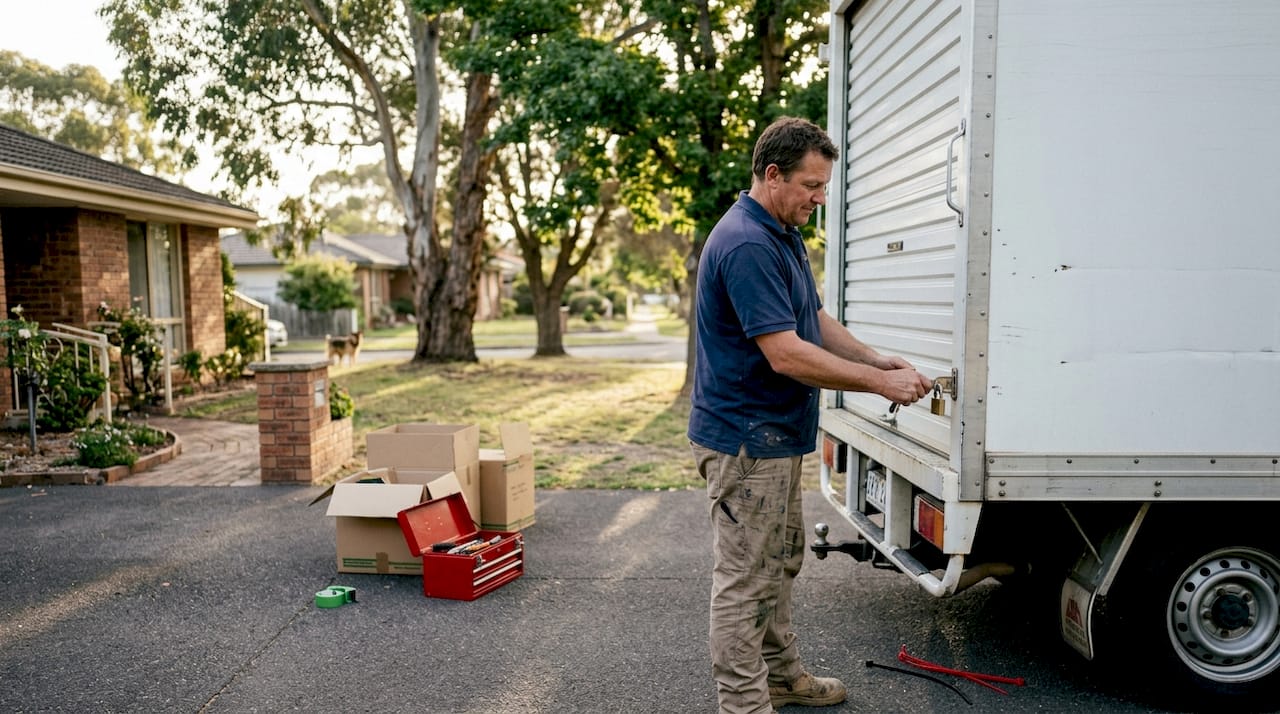
Knowing what not to pack on the truck is just as important as knowing what to keep close. Certain items, including important documents, prescribed medication, and spare keys, should never leave your direct custody.
Pro Tip: Schedule the bulk of your move early in the morning. Foot traffic is lower, visibility is higher, and you’re less likely to be observed by opportunists scouting the area during peak hours.
With physical protections in place, don’t overlook the financial safety net insurance can provide. Even the most careful move can go wrong, and understanding your cover before moving day could save you thousands.
Many people assume their existing home and contents policy covers a move. Often, it doesn’t. Review and update your insurance before moving and ask your insurer directly whether belongings in transit are covered. Most standard policies exclude items once they leave the insured premises.
Here’s what you need to know about your options:
Some insurers require you to notify them before a move takes place. Failing to do so can void a claim entirely.
| Insurance type | What it covers | Key limitation |
|---|---|---|
| Contents insurance | Belongings at home address | Usually excludes transit |
| Transit insurance | Goods during transport | May exclude fragile items |
| Removalist insurance | Items during the move | Exclusions vary widely |
| Business contents | Commercial assets | Needs separate policy |
For more detail on what to look for, the guides on moving insurance essentials and contents insurance tips are well worth reading before you commit to any policy.
Security priorities for businesses pose unique challenges beyond the typical home move. Data, client files, IT hardware, and confidential records all carry risks that go well beyond a broken lamp or a scratched bookshelf.
Verify that removalists are licensed, insured, and experienced in commercial moves before signing any contract. Confirm their insurance covers transit, public liability, and workers compensation. A removalist without these three is a liability you cannot afford.
Here’s a checklist for vetting a commercial removalist:
Secure sensitive documents and IT equipment in locked containers during the move to prevent data breaches. Servers, hard drives, and client files should be moved in sealed, tamper-evident boxes with an inventory list.
Never leave confidential paperwork in open boxes. A data breach during a move can result in regulatory penalties and reputational damage that far outweighs the cost of a proper secure transfer.
| Approach | Cost | Security level | Risk |
|---|---|---|---|
| DIY office move | Lower upfront | Low | High, especially for IT |
| Professional removalist | Higher upfront | High | Low with vetting |
For specialised guidance on office relocation security, including how to handle server rooms and access control systems, it pays to work with removalists who understand commercial compliance requirements.
Also watch for payment scams. Moving creates financial stress and time pressure, two conditions that scammers exploit. Always pay via traceable means and never transfer large sums based on a verbal quote alone. Review mailroom management ideas if you’re moving into a shared commercial building.
Security gains a meaningful boost when you work together with your local community. An occupied-looking property with engaged neighbours is a far less attractive target than a silent one with boxes stacked in the driveway.
Introduce yourself to neighbours and join your local Neighbourhood Watch programme. These programmes coordinate with local police, circulate alerts about suspicious activity, and create a network of vigilant residents who look out for one another, particularly useful when properties are unattended during a move.
Here are simple ways to engage your community before and during your move:
Using communication platforms like the Neighbours app or local Facebook groups lets you flag unfamiliar vehicles or people in the area quickly. A coordinated community response is genuinely one of the most effective deterrents available.
Pro Tip: On moving day, ask a trusted neighbour at your old address to keep watch over the property once the truck departs. An empty house with lights off and no activity is a common target. Use timers on interior lights to create the impression that someone is still present.
For more ideas on neighbourhood involvement and how to build positive relationships during a relocation, it’s worth investing a little time before move day arrives. You can also review resident mail handling tips if you’re moving into an apartment building with shared letterboxes.
Beyond step-by-step tips, let’s address the mindset that exposes movers to the greatest risks. The most common security failure we see isn’t a lack of knowledge. It’s the belief that bad things happen to other people.
Skipping the lock change to save $150 makes sense until someone lets themselves in three weeks later. Choosing the cheapest removalist without checking credentials feels efficient until goods go missing or a data breach triggers a regulatory inquiry. These are not edge cases. They’re predictable outcomes of predictable shortcuts.
Moving creates real scam vulnerability too. The stress of dealing with real estate agents, movers, and simultaneous payments makes people far more susceptible to phishing emails, fake deposit requests, and fraudulent moving quotes. Slow down before transferring any money.
The real cost of poor security during a move is not just the replacement value of stolen items. It’s the insurance excess, the time lost filing police reports, the data recovery costs, and the emotional toll of feeling violated in a space that should feel like home.
Working with professional movers who are vetted, insured, and experienced is not an upsell. It’s risk management with a moving truck attached.
If reading through all of this has made you realise just how much can go wrong without proper planning, you’re not alone. Most people don’t think about moving security until something has already happened.
At Onyx Removals, we’ve helped hundreds of Melbourne households and businesses relocate safely, with the right processes, equipment, and experience to protect your belongings from start to finish. Our stress-free moving services are designed around your specific needs, whether you’re moving a studio apartment or an entire office floor. We also supply quality moving equipment and packing materials to ensure everything is packed securely before it leaves your door. Get in touch for a quote and move with confidence.
Yes, rekeying locks is strongly recommended even for renters, as previous residents with keys could still access your home. Speak to your landlord about getting this done before or immediately on arrival.
You should review your existing home and contents policy and add transit insurance, since standard contents cover typically does not extend to goods during transport.
Unattended removal vehicles, visible electronics, and propped-open doors are the main risks. Keep vehicles locked at all times and never leave high-value items in plain sight.
Store all sensitive files and IT hardware in locked, tamper-evident containers and only work with licensed, insured removalists who have commercial moving experience.

No Related Post


