



TL;DR:
- Budget relocation minimizes expenses by planning early and reducing volume to lower costs. Moving truck and crew costs make up most of the budget, with longer distances increasing expenses significantly. Starting early, off-peak scheduling, decluttering, and comparing multiple quotes help families move affordably and avoid hidden charges.
Budget relocation is the process of moving home in a cost-efficient way that reduces expenses without compromising the safety or quality of your move. The industry term for this approach is “cost-managed residential relocation,” and it relies on three core principles: planning ahead, reducing volume, and comparing services. A 2-bedroom in-state move averages $2,500–$5,000 all-in, which means even modest savings strategies can put hundreds of dollars back in your pocket. Getting those savings requires knowing exactly where the money goes before you spend it.
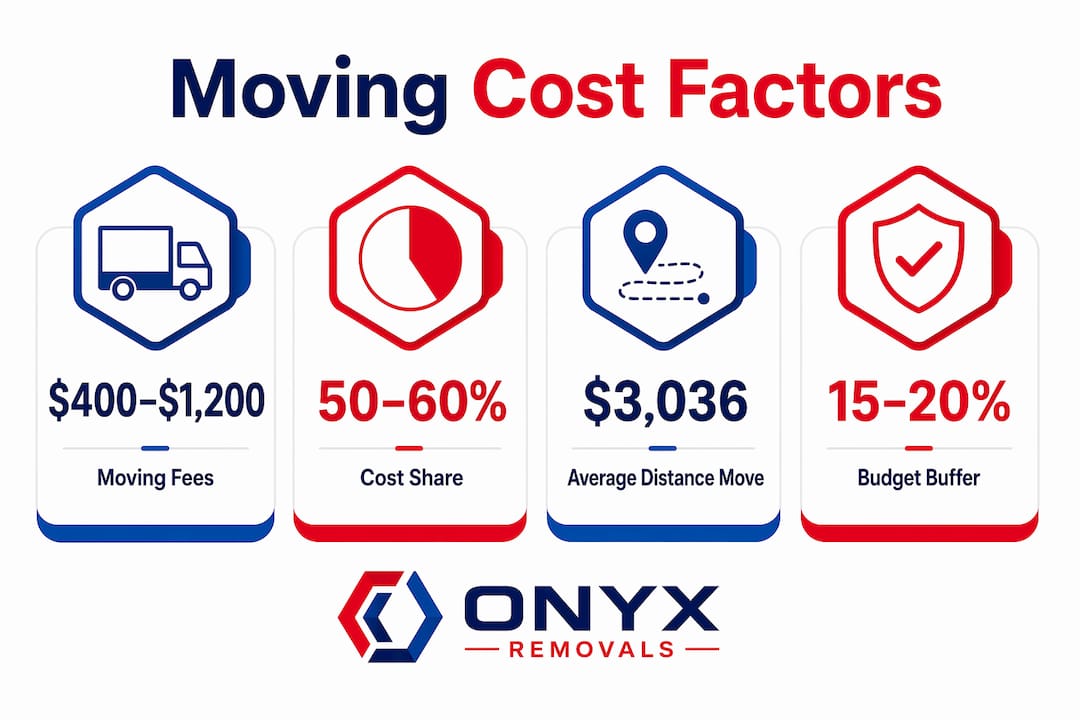
The moving truck and crew account for 50–60% of total moving costs. That single line item shapes your entire budget before you factor in anything else. The remaining 40–50% covers hidden expenses that most families underestimate or miss entirely.
For a typical local move, the numbers break down like this:
| Cost category | Estimated range |
|---|---|
| Moving company fees (1–3 bedrooms) | $400–$1,200 |
| Packing supplies | $80–$200 |
| Tips for crew | $50–$100 |
| Professional packing service (2–3 bedrooms) | $800–$2,000+ |
| Total local move (all-in) | $530–$3,400+ |
Distance and volume push costs up sharply for longer moves. A 3-bedroom move under 400 miles averages $3,036, while the same move over 2,000 miles can exceed $18,400. That gap exists almost entirely because of weight. Every item you remove from the truck before moving day reduces your bill in a measurable way.
A financial buffer of 15–20% on top of your quoted total is not optional. Unexpected charges appear on nearly every move, from access difficulties to last-minute packing time. Building that buffer in from the start means surprises become inconveniences rather than crises. A solid moving budget guide will help you map every category before you get your first quote.
Moving during off-peak periods is one of the most reliable ways to cut your bill. Off-peak season in Australia runs from september through april, when demand drops and removalists compete harder for bookings.
The savings are real and consistent:
Demand patterns create a predictable seasonal pricing cycle. Families who plan around that cycle rather than react to it consistently pay less for the same quality of service.
Pro Tip: Book your removalist at least four to six weeks out from your preferred date. Rates rise as availability shrinks, and the best crews fill up first.
Decluttering before you request quotes is the single most cost-effective thing you can do. Removalists price by volume and weight, so every box you eliminate before the quote is money you never spend. Read up on decluttering before moving to build a clear system before you start.
Here is a practical sequence to follow:
The risk with self-packing is underestimating how long it takes. Most families need two to three full weekends to pack a 3-bedroom home properly. Starting early removes that pressure. For a detailed breakdown of what materials you actually need, the packing supplies guide from Onyx Removals covers the essentials without the upsell.
Pro Tip: Pack room by room and label every box with its destination room and a brief contents list. Movers work faster when they know exactly where each box goes, which saves you money on hourly jobs.

Hidden costs are the most common reason moving budgets blow out. Most families budget for the truck and crew, then get hit by a string of smaller charges that add up fast.
The expenses most often overlooked include:
The fix is simple: build a full-cost checklist before you sign anything. Every category above is predictable if you look for it in advance. The hidden moving costs guide covers each of these in detail with current figures for Melbourne.
The assumption that DIY is always cheaper than hiring professionals is often wrong. The cost gap between DIY and full-service closes quickly when you add fuel, truck hire, time off work, and the risk of damage to furniture or property.
| Moving method | Typical cost range | Key trade-off |
|---|---|---|
| Full-service movers | $1,500–$5,000+ | Highest cost, lowest effort and risk |
| DIY truck hire | $300–$900 + fuel + time | Low base cost, high effort and hidden costs |
| Hybrid (truck + professional loaders) | 40–60% less than full-service | Balances savings with safety |
The hybrid approach is the most underused option in residential moving. You rent the truck yourself and hire professional loaders only for the physically demanding tasks. This method cuts full-service costs by 40–60% while keeping your furniture and your back in good shape. It works best for families with a straightforward floor plan and no specialty items like pianos or antiques.
Full-service movers make financial sense when your time has a high value, when you have fragile or heavy items, or when the move is long-distance. The advantages of professional movers go beyond convenience: experienced crews load trucks efficiently, which reduces the number of trips and the total time charged.
Whatever method you choose, get written estimates from at least three licensed movers before committing. Price variation for the same move can reach 20–50% between providers. That variation is not always about quality. It is about how each company structures its pricing and what it includes in the base rate.
Cost-managed residential relocation saves the most money when you reduce volume before quoting, move off-peak, and compare at least three written estimates from licensed removalists.
| Point | Details |
|---|---|
| Truck and crew dominate costs | Moving company fees account for 50–60% of your total bill, so compare quotes carefully. |
| Timing cuts rates by 20–30% | Moving off-peak (september to april) and mid-week saves $200–$600 on average. |
| Declutter before you quote | Every item removed before quoting reduces the volume movers price, lowering your rate directly. |
| Hidden costs add 15–25% | Budget for deposits, cleaning, utility fees, and access charges before you sign anything. |
| Hybrid moves offer the best value | Renting a truck and hiring professional loaders cuts full-service costs by 40–60%. |
The families who move well on a tight budget share one habit: they start budgeting 6–8 weeks ahead, not the week before. That lead time is not about stress reduction. It is about having enough runway to compare quotes properly, declutter without panic, and book off-peak dates that are still available.
The biggest mistake I see is treating the removalist quote as the total cost of moving. It is not. It is the starting point. The bond, the cleaning, the utility connections, the boxes of takeaway food because the kitchen is packed — those costs are real and they compound. Families who account for them in advance do not get surprised. Families who ignore them do.
Price transparency is the clearest signal of a quality removalist. Reputable movers lock in hourly rates upfront and list every potential surcharge before moving day. If a quote does not mention stair fees, fuel levies, or minimum hours, ask directly. A mover who cannot answer those questions clearly is a mover whose final bill will surprise you.
My practical advice: prioritise your budget on the things that protect your belongings. Cheap packing materials and rushed loading are where damage happens. Spend where it matters, save where it does not. The DIY versus professional decision comes down to that same logic. Know what you are trading off before you decide.
— Dinshaw
Onyx Removals is a Melbourne-based removalist built around one principle: no surprise fees. Every quote locks in your rate upfront, covering labour, truck, and any access considerations discussed during the quoting process.

Whether you want a full residential removal service, a hybrid arrangement where you handle the truck and Onyx handles the heavy lifting, or just professional packing for fragile items, the team works around your budget and timeline. Booking early secures the best available rates and the crew you actually want. If you are ready to get a clear, written figure for your move, request a removal quote and know exactly what you are paying before moving day arrives.
A local move for a 1–3 bedroom home typically costs $530–$1,400 all-in, covering moving company fees of $400–$1,200, packing supplies, and crew tips. That figure rises significantly if you add professional packing or face access difficulties.
Moving between september and april (off-peak season) and on a tuesday or wednesday saves 20–30% on removalist rates. Mid-month dates are also cheaper than end-of-month, when lease expiries drive peak demand.
Not always. The cost gap between DIY and full-service moving closes when you include truck hire, fuel, time off work, and damage risk. The hybrid approach, renting a truck and hiring professional loaders, often delivers the best balance of cost and safety.
Add a 15–20% buffer on top of your quoted moving cost to cover access fees, cleaning, utility connections, and bond payments. Disclosing access challenges upfront during quoting prevents surprise charges of 10–25% on moving day.
Get written estimates from at least three licensed removalists. Price variation for the same move can reach 20–50% between providers, and comparing quotes is the most reliable way to secure a fair rate without sacrificing service quality.

No Related Post


