


TL;DR:
- Affordable packing boxes for moving include new cartons and free recycled ones, with trade-offs in quality and reliability. Selecting the correct size and properly sealing each box with the H-tape method ensures safety and prevents damage during transportation. Balancing cost-effective sourcing and correct packing techniques reduces overall moving expenses and minimizes risks of injury or item breakage.
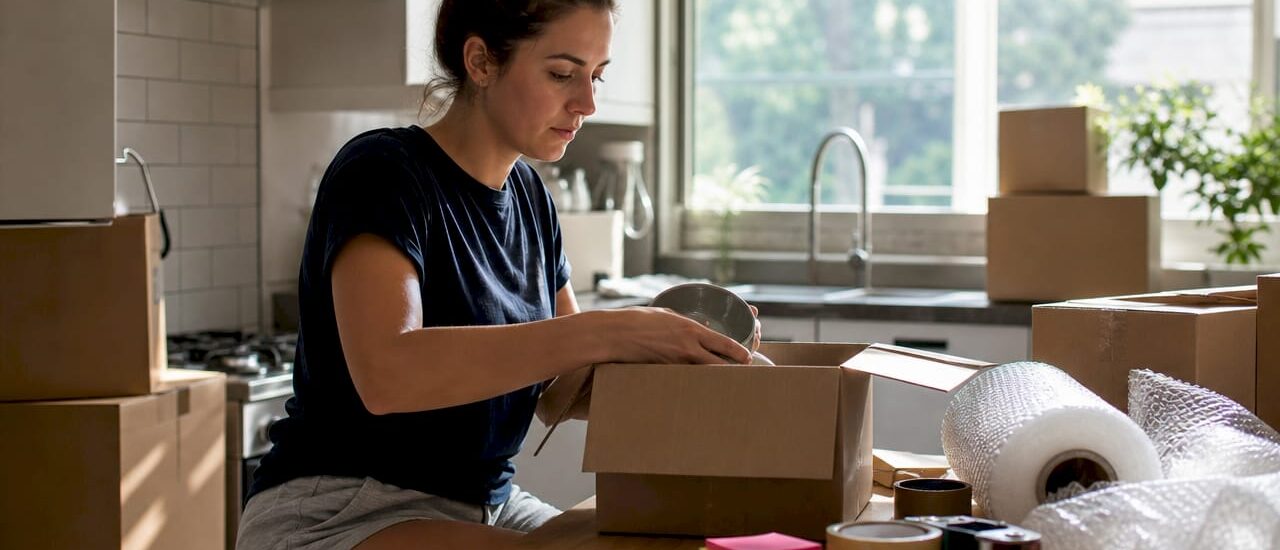
Cheap packing boxes for moving are affordable cardboard containers designed to protect your belongings during a relocation without blowing your budget. The right box choice directly affects both your moving costs and the safety of your possessions. New standard-sized boxes average around $1.69 each, while full moving kits range from $18 to over $300 depending on home size. Understanding where to source removal packing boxes, which sizes to use, and how to pack them correctly will save you money and prevent damage on moving day.
The best sources for affordable moving boxes fall into three broad categories: retail stores, online marketplaces, and free community sources. Each has trade-offs worth knowing before you commit.
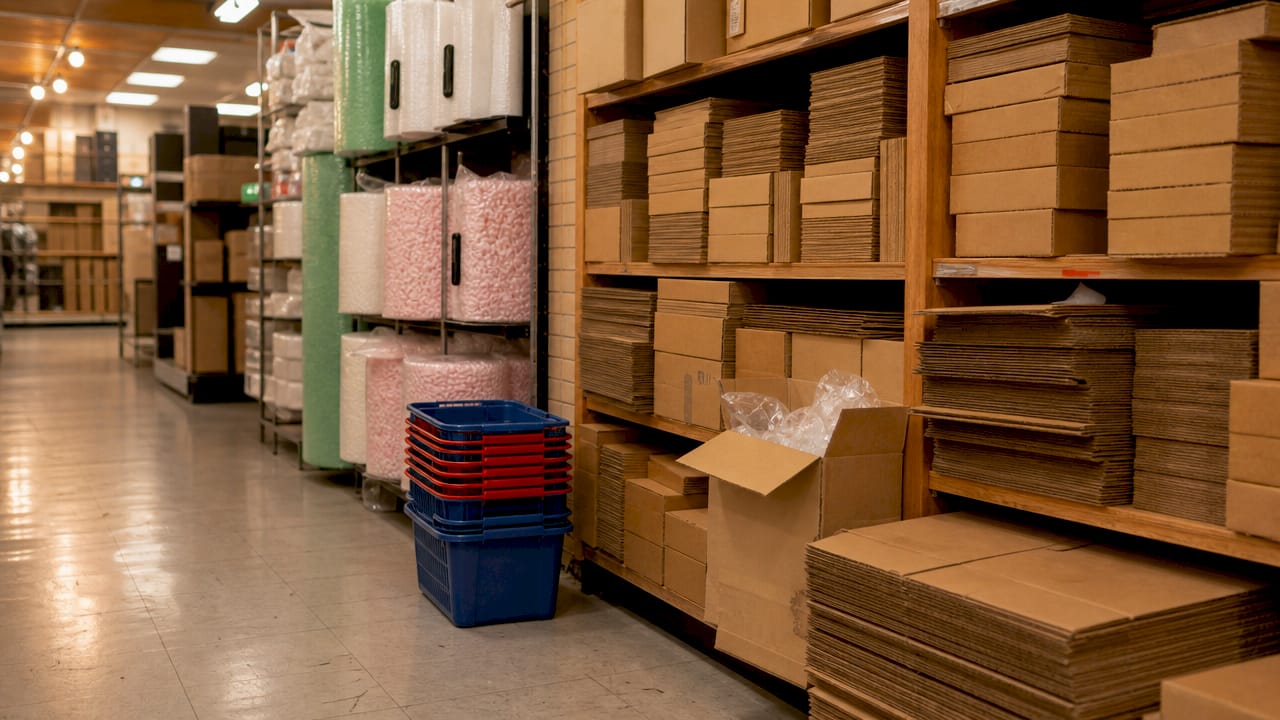
Retail and hardware stores stock new boxes in standard sizes. Buying boxes in bundles online and picking them up in-store typically delivers the lowest unit price. Buying in bulk also reduces the number of trips and keeps your costs predictable.
Buy-back programmes are worth using if you are worried about overbuying. A box buy-back guarantee means you return unused boxes after your move for a refund. This removes the risk of spending money on boxes you never use.
Free and low-cost sources include:
Pro Tip: Time your purchase well. If you buy boxes more than three weeks before moving day, you risk losing them to clutter or damage. Source free boxes two to three weeks out, and buy any remaining new boxes as a single bulk order to get the best unit price.
For a full list of what you will need beyond boxes, the packing supplies guide from Onyx Removals covers tape, bubble wrap, and protective materials in detail.
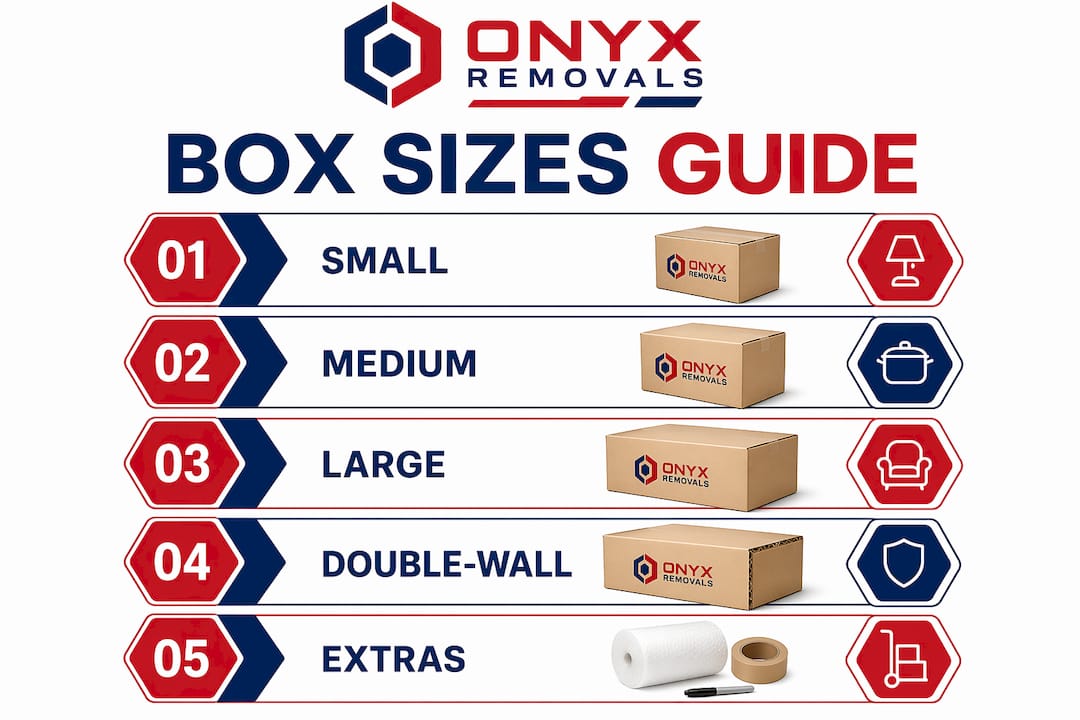
Choosing the right box size is as important as finding an affordable one. The wrong size leads to damaged goods, back injuries, and collapsed boxes on the truck.
| Box type | Typical use | Key rule |
|---|---|---|
| Small (1.5 cu ft) | Books, tools, canned food, records | Keep weight under 20 kg |
| Medium (3 cu ft) | Kitchen items, toys, small appliances | Balanced weight and bulk |
| Large (4.5 cu ft) | Pillows, linen, lampshades, light bulbs | Lightweight items only |
| Wardrobe box | Hanging clothes | Keeps garments wrinkle-free |
| Specialty dish box | Plates, glasses, ceramics | Dividers prevent breakage |
Heavy items like books and tools belong in small boxes. Large boxes are reserved for bulky but light items like pillows or linen. Overloading a large box with heavy goods causes the bottom to collapse and risks injury to anyone lifting it.
Double-walled or professional-grade boxes are worth the extra cost for fragile or heavy goods. A standard single-wall box handles everyday items well, but glassware, artwork, and electronics need the added rigidity of a double-walled carton.
Pro Tip: Order roughly 10% more boxes than you think you need. Running out mid-pack forces rushed decisions and often leads to overstuffed boxes. Any extras can go back under a buy-back programme or be passed on to a neighbour.
The decision between buying new moving house packing boxes and sourcing free ones depends on your move’s size, distance, and timeline.
New boxes offer three clear advantages:
Free or recycled boxes work well when:
Free boxes suit small, local moves where you have time to gather them carefully. Professionals caution that mixed free boxes create stacking instability on larger or long-distance moves. An uneven stack in a moving truck shifts during braking and can crush lighter boxes underneath.
The hidden cost of free boxes is damage. If a weakened box fails and breaks a lamp, a plate set, or a piece of electronics, the replacement cost quickly exceeds what you would have spent on new cartons. Professional-grade boxes carry a higher upfront cost but reduce the risk of expensive damage during the move.
For guidance on weighing up the full cost of doing it yourself versus getting professional help, the professional packing vs DIY comparison from Onyx Removals is a useful starting point.
Good packing technique protects your belongings regardless of whether your boxes cost $2 or $0. These steps apply to any budget packing supplies.
For fragile belongings, the fragile item packing tips guide from Onyx Removals covers specialist wrapping and box selection in detail.
Pro Tip: Pack a clear “open first” box with essentials: phone charger, toilet paper, a change of clothes, and basic kitchen items. Label it clearly and load it last so it comes off the truck first.
Packing heavy items in small boxes also reduces injury risk. A small box packed with books is manageable. The same books in a large box become a back injury waiting to happen.
The most cost-effective approach to inexpensive cardboard boxes for moving combines bulk buying of new boxes for fragile and heavy items with free or recycled boxes for lightweight goods, sealed correctly with the H-tape method.
| Point | Details |
|---|---|
| Source boxes strategically | Combine free community boxes with bulk-bought new ones to cut costs without sacrificing quality. |
| Match box size to item weight | Pack heavy items in small boxes and reserve large boxes for lightweight, bulky goods only. |
| Use the H-tape method | Tape the base with one centre strip and two perpendicular end strips to prevent box failure. |
| New boxes for fragile items | Double-walled cartons protect glassware and electronics better than recycled boxes. |
| Free boxes suit local moves | Free boxes work well for short-distance moves with low-fragility items and enough sourcing time. |
Moving house is already expensive, and the instinct to cut every possible cost is understandable. I have seen it play out many times, though, and the pattern is consistent: people who go for the absolute cheapest option on boxes often end up paying more in the end.
The most common mistake is using whatever free boxes come to hand without checking their condition. A box that held wine bottles six months ago and sat in a garage since then has weakened seams. It looks fine until someone lifts it by the base and the bottom gives way. A broken box mid-move wastes time, risks injury, and can destroy items that cost far more than a new carton would have.
My honest view is that free boxes are genuinely useful, but only when you are selective. Reject any box with soft spots, moisture staining, or a compromised base. Use free boxes for linen, pillows, and clothing. Buy new boxes for anything fragile, heavy, or irreplaceable.
The other mistake I see regularly is skipping the H-tape method and just running a single strip of tape down the seam. That approach fails under load. Two minutes of proper taping per box is the cheapest insurance you can buy on moving day.
Budget-conscious movers who get this right spend less overall. They source free boxes for the easy items, buy a targeted bundle of new cartons for the hard ones, and pack everything correctly the first time. That combination beats both extremes: all-free boxes that fail, or buying far more new boxes than needed.
— Dinshaw
Moving in Melbourne does not have to mean doing everything yourself.
Onyx Removals offers residential moving services that include quality packing materials and hands-on packing assistance. Whether you need a full pack and unpack or just help with the heavy lifting, the team brings the right supplies and experience to protect your belongings from the first box to the last. Onyx Removals also supplies professional-grade cartons, tape, and protective wrapping, so you are not scrambling to source budget packing supplies at the last minute. Get in touch for a quote and take the guesswork out of your next move.
New standard-sized moving boxes average around $1.69 each, with full moving kits ranging from $18 to over $300. Free boxes from community groups and local businesses cost nothing but require time to source.
Facebook Marketplace, Buy Nothing groups, liquor stores, and supermarkets are reliable sources of free cardboard boxes. Free boxes work best for local moves with lightweight, non-fragile items.
The H-tape method involves applying one strip of tape down the centre seam of the box base and two perpendicular strips across each end. This pattern prevents the base from collapsing under load.
Yes. Double-walled boxes provide significantly more rigidity than standard single-wall cartons and are recommended for glassware, electronics, artwork, and other fragile or heavy goods.
The number varies by home size, but ordering around 10% more than your estimate is a sound approach. A buy-back programme lets you return unused boxes, so over-ordering carries little financial risk.

No Related Post


