



Managing employee relocations within Melbourne can quickly become more than just a matter of shifting desks or coordinating transport. HR managers face the challenge of balancing organisational goals with the diverse personal needs of staff, from securing temporary accommodation to supporting family resettlement. Choosing reliable relocation support is crucial to minimising disruption and keeping morale high. This overview unpacks the practical steps and specialised assistance available to help your team transition smoothly to new workplaces.
| Point | Details |
|---|---|
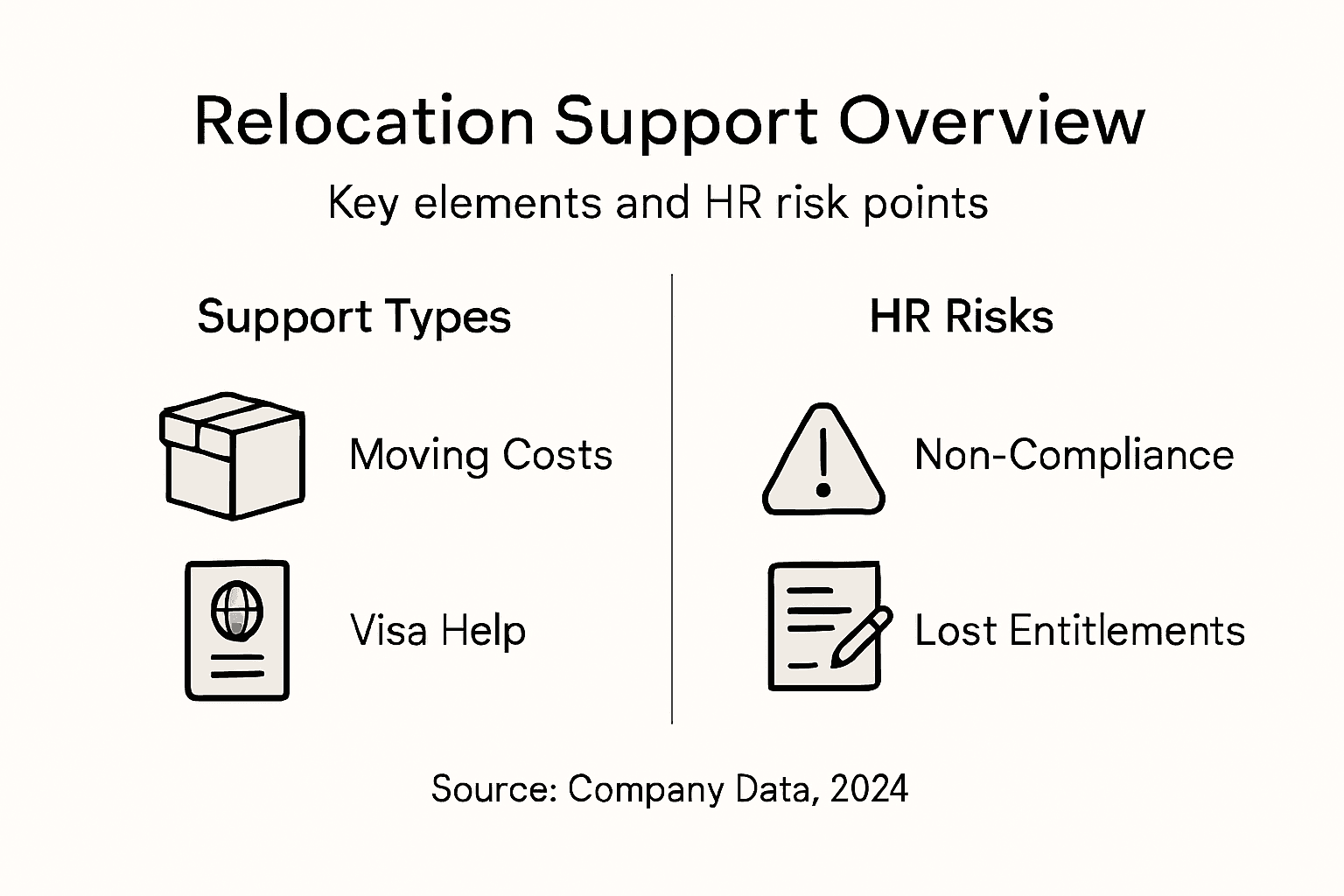
| Comprehensive Support Framework | Effective relocation assistance encompasses financial aid, accommodation support, and personal services to ensure smooth employee transitions. |
| Holistic Approach | HR managers must collaborate with employees to address individual needs and transition challenges effectively. |
| Legal Responsibilities | Understanding and complying with legal obligations is critical to protect both the organisation and employees during relocations. |
| Cost Management Strategies | Implementing various financial strategies can help balance employee support with organisational budget constraints while maximising the benefit. |
Company relocation assistance represents a comprehensive support framework designed to help employees transition smoothly when organisations move or transfer staff between different work locations. For HR managers, understanding relocation support goes beyond simple transportation logistics—it involves addressing complex personal and professional challenges employees face during workplace transitions.
The core components of effective relocation assistance typically include:
Companies increasingly recognise that strategic relocation support benefits encompass more than just physical movement. These programs aim to minimise disruption, maintain employee morale, and ensure staff can quickly re-establish productivity in new work environments.
Successful relocation assistance requires a holistic approach. HR managers must collaborate closely with employees to understand individual needs, manage transition challenges, and develop personalised support strategies. This might involve helping employees navigate practical concerns like housing, schooling for children, partner employment opportunities, and community integration.
Pro tip: Develop a comprehensive relocation checklist and assign a dedicated point of contact to guide employees through each stage of their workplace transition.
Company relocation services have evolved into comprehensive support systems designed to address the multifaceted challenges employees encounter during workplace transitions. These services extend far beyond simple transportation logistics, encompassing a holistic approach to employee well-being and professional continuity.
Typical relocation services generally include:
Comprehensive relocation support options vary significantly depending on the organisation’s policies, employee classification, and specific workplace requirements. Large corporations and academic institutions often provide more extensive support packages compared to smaller organisations, recognising that successful employee transitions require nuanced, personalised approaches.

Modern relocation services have become increasingly specialised. Global mobility support now includes sophisticated services like pet transportation, cultural integration workshops, and detailed administrative assistance to help employees and their families adapt seamlessly to new environments.
Comparing relocation support between large corporations and small organisations can help clarify expectations:
| Aspect | Large Corporations | Small Organisations |
|---|---|---|
| Support Package | Extensive, customised packages | Basic, limited support |
| Family Services | Comprehensive, including schooling | May offer minimal or none |
| Legal Assistance | Dedicated HR legal team | Outsourced or ad-hoc advice |
| Financial Aid | Generous allowances, tax planning | Restricted reimbursement options |
Pro tip: Create a standardised relocation service matrix that categorises support levels based on employee role, location complexity, and organisational budget to ensure consistent and fair assistance.
Company relocations present a complex legal landscape that demands meticulous attention from HR professionals. Understanding and navigating legal obligations is critical to protecting both the organisation and its employees during workplace transitions.
Key legal responsibilities for HR managers include:
Immigration sponsorship compliance represents a particularly intricate aspect of HR’s legal responsibilities during relocation. HR managers must carefully verify work rights, manage sponsorship nominations, and adhere to protective legislation that prevents potential worker exploitation.
Moreover, employee entitlements during business changes require careful navigation. This includes preserving continuity of service for critical entitlements like redundancy provisions, annual leave accruals, and unfair dismissal protections. Mismanaging these legal requirements can expose organisations to significant financial and reputational risks.
Pro tip: Develop a comprehensive legal compliance checklist specific to your organisation’s relocation process, and consider consulting an employment law specialist to review your transition strategy.
Company relocations involve a complex web of financial considerations that extend far beyond simple transportation expenses. HR managers must carefully navigate multiple cost dimensions while balancing employee support and organisational budget constraints.
Key cost factors typically include:
Regional skills relocation grants offer innovative financial support mechanisms for businesses hiring skilled workers, particularly in regional areas. These targeted grants can significantly offset relocation expenses and reduce financial barriers for both employers and employees.
Relocation cost management strategies require careful consideration of tax implications and reimbursement structures. Some expenses may be exempt from Fringe Benefits Tax, allowing organisations to provide comprehensive support while maintaining financial efficiency. Understanding these nuanced financial frameworks enables HR managers to design cost-effective relocation packages that balance employee needs with organisational budgetary constraints.
A summary of the most common relocation cost management strategies used by HR managers:
| Strategy | Purpose | Financial Impact |
|---|---|---|
| Tax-exempt allowances | Reduce fringe benefit tax | Maximise employee benefit |
| Regional grants | Offset regional hiring costs | Lower company expenditure |
| Cost spreadsheets | Track and forecast expenses | Improve future budgeting |
| Vendor negotiation | Lower service costs | Increase package value |
Pro tip: Create a standardised relocation cost spreadsheet that itemises potential expenses and tracks actual spending to improve future budgeting accuracy and support planning.
Employee relocations involve complex legal and ethical considerations that extend far beyond simple geographical movement. HR managers must navigate a delicate balance between organisational needs and individual employee rights, ensuring fair treatment and comprehensive protection throughout the transition process.
Common pitfalls in employee relocation include:
Overseas worker employment protections represent a critical area where HR must exercise extreme diligence. Mismanaging sponsorship obligations or failing to confirm precise work rights can expose organisations to significant legal and financial risks.
Employee entitlement preservation demands meticulous attention during relocations. HR managers must ensure continuity of service, protect accrued leave entitlements, and maintain fair redundancy provisions to prevent potential disputes and maintain workforce morale.
Pro tip: Develop a comprehensive employee rights checklist specific to relocation scenarios, and conduct individual consultation sessions to address each employee’s unique concerns and potential challenges.
Successful company relocations demand a strategic, comprehensive approach that prioritises employee well-being and organisational efficiency. Transition management requires careful planning, proactive communication, and a holistic understanding of the complex personal and professional dynamics involved.
Key best practices for seamless employee transitions include:
Relocation policy implementation requires meticulous coordination between HR departments, management, and employees. This involves creating tailored support frameworks that address individual employee needs while maintaining organisational objectives and minimising potential disruptions.
Strategic relocation coordination demands engaging specialised service providers and developing comprehensive support packages. Successful transitions hinge on understanding each employee’s unique circumstances, providing targeted assistance, and ensuring compliance with legal and tax regulations.
Pro tip: Create a personalised transition dashboard for each relocating employee, tracking key milestones, support requirements, and providing real-time communication channels to address concerns quickly and effectively.
Relocating your business creates unique challenges for HR managers who must carefully manage employee transitions to reduce risks and disruptions. From addressing complex legal obligations to coordinating personalised relocation services, these tasks demand a reliable partner who understands the importance of a smooth, stress-free move. Onyx Removals specialises in tailored commercial relocation solutions designed to support every step of your company’s journey, allowing your team to focus on what matters most.
Discover how our expert team at Onyx Removals can simplify your workplace transition by offering comprehensive services tailored to corporate clients. Explore specialised options on our business – Onyx Removals page and experience moving solutions that prioritise your employees’ wellbeing and your organisation’s operational continuity. Take the first step toward a seamless relocation today by contacting us through our homepage and securing professional support that minimises risk and maximises success.
Company relocation assistance refers to a support framework provided by employers to help employees transition smoothly during workplace relocations or transfers. This includes financial support, accommodation arrangements, transport logistics, and family resettlement services.
Effective relocation assistance typically includes financial support for moving expenses, temporary accommodation arrangements, transport and logistics management, legal and administrative support, and services for family resettlement.
HR managers can minimise risks by maintaining meticulous documentation of employee entitlements, ensuring compliance with immigration regulations, providing clear communication about relocation terms, and developing personalised support strategies for each employee.
Common challenges include managing visa and work permit requirements, maintaining continuous service records, addressing family support concerns, and ensuring adequate communication about relocation expectations.

No Related Post


