


Over 50 percent of Australian workplaces are still holding onto outdated equipment that could pose security and environmental risks. Proper disposal is not just a matter of space management, it is vital for avoiding potential fraud and meeting legal standards. This guide leads you through a clear, step-by-step process to help any Australian individual or business dispose of old equipment safely and responsibly.
| Key Insight | Explanation |
|---|---|
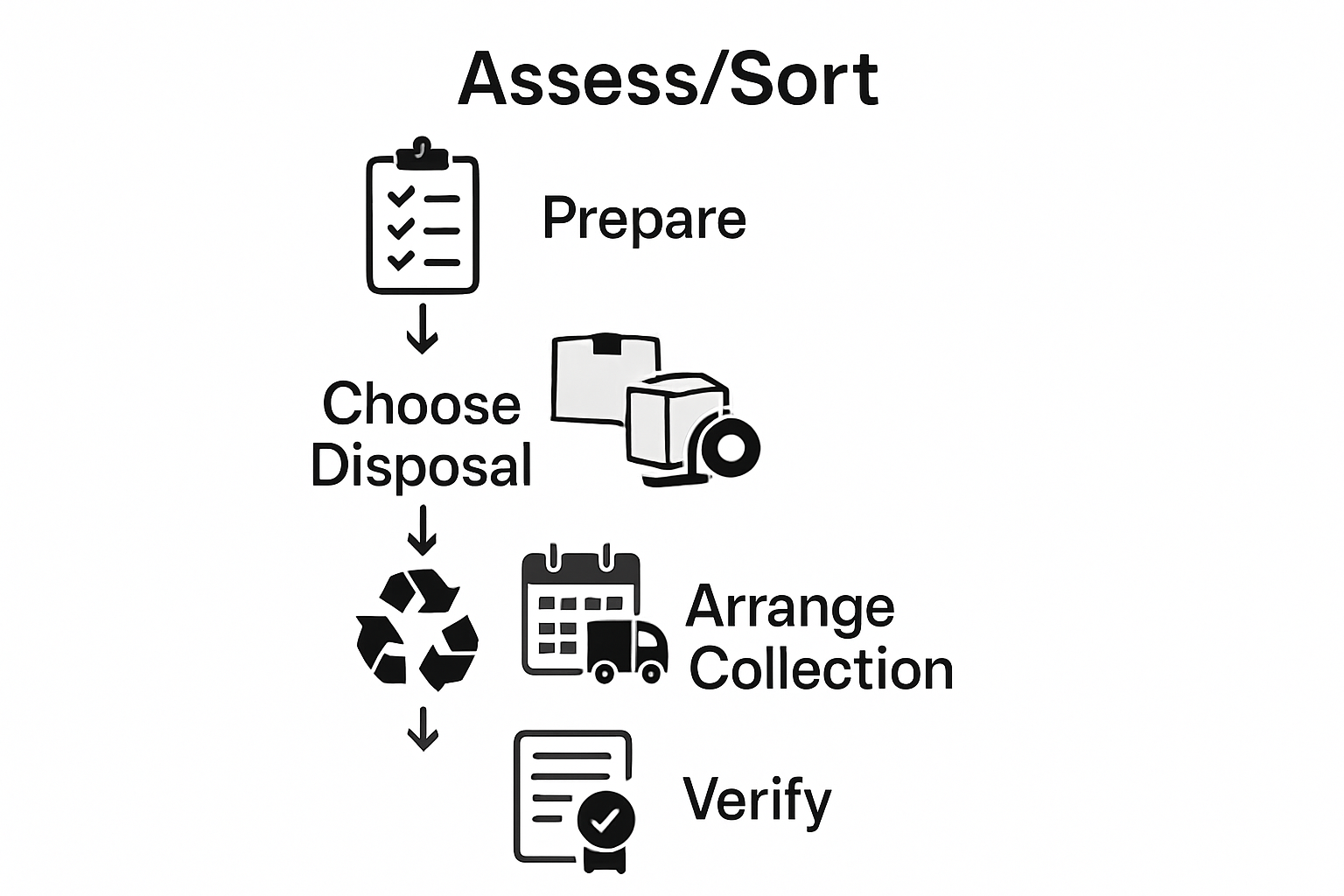
| 1. Sort Equipment into Three Categories | Begin by categorising items into keep, donate, and dispose to streamline the disposal process. |
| 2. Prepare Items with Care | Use sturdy materials and label boxes to ensure safe transport and protect fragile items during removal. |
| 3. Research Appropriate Recycling | Investigate specialised recycling options to responsibly dispose of different types of equipment. |
| 4. Arrange Professional Collection | Coordinate with removal services to facilitate efficient and environmentally responsible disposal. |
| 5. Document the Disposal Process | Request and store detailed disposal certificates to ensure compliance and protect against data loss. |
Beginning your equipment disposal journey requires a strategic and methodical approach. Proper archiving and disposal processes are critical for preventing potential fraud and misuse, so taking time to carefully assess your items will set you up for success.
Start by creating three distinct sorting categories: keep, donate, and dispose. Walk through each room or workspace systematically, examining every piece of equipment with a critical eye. Look for signs of damage, functionality, and potential remaining value. Electronic items should be checked for basic operational status first. Consider the age of the equipment, its current condition, and whether it still serves a practical purpose in your home or workplace. The Environment Protection Authority Victoria recommends thorough assessment to ensure safety and prevent illegal dumping.
Pro tip: Take photographs of items in each category before moving forward. This documentation can help with insurance records, potential resale, or tracking your disposal process. Your next step will involve researching appropriate disposal methods for each sorted category.
Remember that not all equipment can be treated the same. Some items require specialised recycling, while others might have trade in or donation potential. Stay organised and patient throughout this initial sorting phase.
Now that you have sorted your equipment, preparing items for safe removal becomes crucial. Careful handling guidelines emphasise protecting both yourself and your belongings during the moving process, ensuring a smooth and secure transition.
Start by gathering appropriate packing materials like sturdy cardboard boxes, bubble wrap, and packing tape. Wrap fragile items individually, using extra cushioning for delicate electronics or breakable objects. Group similar items together and label each box clearly with its contents and handling instructions. According to local council recommendations, ensure your items are neatly arranged and can be easily managed by two people, which helps movers handle your possessions efficiently.
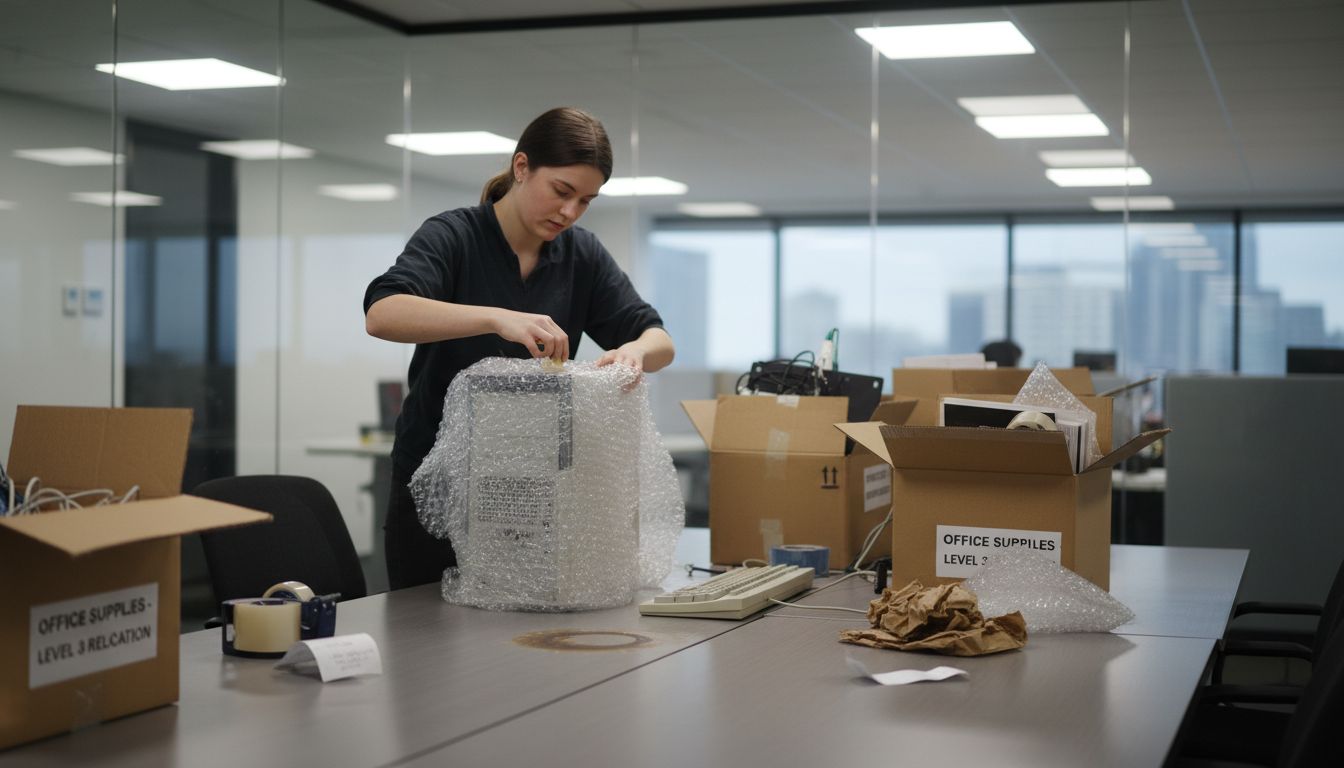
Pro tip: Create an inventory list of packed items, noting their condition and approximate value. This documentation protects you during transit and can be useful for insurance purposes. Take photographs of valuable or complex items before wrapping them to maintain a visual record.
Remember that proper preparation minimises potential damage and streamlines the entire removal process. Your next stage will involve finalising logistics and confirming removal details with your moving team.
Choosing the right disposal method is crucial for environmental sustainability and legal compliance. Secure product destruction services offer a comprehensive approach to responsibly managing out-of-date or damaged equipment, ensuring your items are handled professionally.
Start by researching specialised recycling options for different types of equipment. Electronic waste requires particular attention electronic items contain sensitive materials that can be harmful if discarded incorrectly. Specialised IT e-waste collection services can help businesses recycle old equipment while potentially offering financial rebates, making responsible disposal both environmentally friendly and potentially cost-effective.
Pro tip: Contact local recycling centres or specialised disposal services to understand the specific requirements for different types of equipment. Some items might need professional handling, while others can be recycled through community programs. Keep detailed records of your disposal process for future reference.
Remember that responsible disposal is not just about getting rid of items it is about minimising environmental impact and protecting potential data security. Your next step will involve executing your carefully planned disposal strategy.
With your equipment sorted and disposal methods planned, the next critical step is coordinating professional collection or identifying appropriate drop-off locations. Specialised asset disposition services offer comprehensive solutions for responsibly managing decommissioned equipment, ensuring your items are handled efficiently and sustainably.
Start by contacting local removal services or specialised recycling centres to confirm their collection requirements. Some services offer direct pickup from your location, while others might require you to deliver items to a designated drop-off point. Prepare a detailed inventory of items you are disposing of, including their condition and type. This helps the collection team understand the scope of work and plan accordingly. Confirm any potential fees, scheduling options, and specific preparation guidelines for your equipment.
Pro tip: When scheduling collection, ensure someone is available to guide the removal team and answer any questions about the items being disposed of. Have your inventory list and any relevant documentation ready to streamline the process.
Remember that professional collection not only simplifies your disposal process but also ensures environmental responsibility and potential data security for sensitive equipment. Your final step will involve completing any necessary paperwork and preparing your items for final removal.
The final stage of equipment disposal involves carefully documenting and verifying the entire removal process. Professional IT asset disposal services provide comprehensive certification and secure data erasure to ensure complete accountability, giving you peace of mind about your equipment’s final disposition.
Request a detailed disposal certificate from the removal service, which should include specifics about each item processed. Comprehensive disposal documentation helps businesses meet compliance requirements and maintain clear audit trails, protecting your interests and ensuring environmental responsibility. Review the documentation thoroughly, checking that serial numbers, equipment types, and destruction methods match your original inventory.
Pro tip: Store digital and physical copies of your disposal certificates in a secure location. These documents can be crucial for future reference, potential tax purposes, or insurance claims. Create a backup of the electronic certificates and keep a printed version in your personal records.
Remember that proper documentation is more than just paperwork it represents your commitment to responsible equipment management and data protection. Congratulations on completing a thorough and environmentally conscious disposal process.
Disposing of old or outdated equipment can feel overwhelming whether you are sorting, preparing for removal or choosing the right disposal method. The detailed steps outlined in the article highlight common challenges like ensuring safe removal, protecting sensitive data, and complying with environmental regulations. At Onyx Removals, we understand these pain points and offer tailored solutions designed to make your transition stress-free and efficient. Our professional team supports you through every stage from careful packing and secure transportation to responsible waste disposal and secure asset removal.

Take the worry out of your next move by choosing expert help that guarantees careful handling and full accountability for your equipment disposal. Visit Onyx Removals to explore how our comprehensive moving and removal services can ease your burden today. Whether you need specialised removal, packing assistance or environmentally responsible disposal, let us help you complete your equipment disposal responsibly and with confidence. Get started now with a personalised plan tailored to your needs.
Start by categorising your equipment into three groups: keep, donate, and dispose. Inspect each item for damage, functionality, and value to determine its future use or necessity.
Gather sturdy cardboard boxes, bubble wrap, and packing tape to protect your items during transit. Wrap fragile or delicate equipment individually to prevent damage before moving.
Research specialised recycling options that focus on electronic waste, as these items may contain harmful materials. Contact local e-waste collection services that ensure responsible recycling and potential financial rebates for old equipment.
Request proof of data destruction from your disposal service to ensure sensitive information is permanently erased. Keep documentation of this process for your records, which can be important for compliance and security purposes.
Verify the disposal process by requesting a detailed disposal certificate from your service provider. Store both digital and physical copies of this documentation in a safe place for future reference, such as for audits or insurance claims.

No Related Post


