



Moving house is challenging enough without worrying about how your fridge or piano will make it safely across Melbourne. Heavy appliances and oversized items often demand specialised knowledge and equipment that go well beyond what standard removalists provide. For peace of mind and legal compliance, Melbourne homeowners benefit from trusting movers experienced in the Heavy Vehicle National Law framework, ensuring every stage of transportation follows strict Australian safety standards while protecting your valuable possessions.
| Point | Details |
|---|---|
| Regulatory Compliance is Essential | Heavy object movers in Australia must adhere to the Heavy Vehicle National Law and obtain necessary licensing and permits for safe relocation of oversized items. |
| Specialised Equipment and Expertise | Unlike standard removalists, heavy object movers use specialised machinery and trained personnel to safely transport large and heavy items. |
| Insurance and Liability Are Crucial | Ensure your mover has appropriate liability coverage specific to the items being transported to safeguard against potential damages. |
| Cost Transparency is Key | Obtain detailed, itemised quotes from movers to understand all costs involved, avoiding unexpected charges on moving day. |
Heavy object movers in Australia are professional service providers who transport large, weighty items during residential relocations. These specialists handle appliances, machinery, and goods that exceed standard moving capacity. They operate under specific legal frameworks designed to ensure safety and compliance across the country.
Understanding what qualifies as a heavy object mover requires knowing Australia’s regulatory landscape. The Heavy Vehicle National Law governs vehicles over 4.5 tonnes gross vehicle mass, establishing standards for operators and equipment. This framework applies when moving heavy items that require specialised transport vehicles.
The National Heavy Vehicle Regulator (NHVR) administers rules across all states and territories. Heavy object movers must comply with these standards regardless of location within Australia.
Key regulatory points include:
The Heavy Vehicle National Law definitions classify various vehicle types and special purpose vehicles used for heavy object transport. This legal classification determines which operators qualify as heavy object movers and what obligations they must meet.
Heavy object movers differ from standard removalists in Melbourne through their equipment and expertise. They possess specialist machinery, trained staff, and specialised vehicles designed for weight distribution and safety.
These professionals typically handle:
Their training covers load assessment, securing techniques, and route planning for Melbourne’s varied residential areas. They understand how to protect both the items and your property during transport.
Here’s how heavy object movers differ from standard removalists:
| Aspect | Heavy Object Movers | Standard Removalists |
|---|---|---|
| Equipment Used | Specialist vehicles & machinery | Basic moving vans & tools |
| Staff Expertise | Trained in weight management | General moving experience |
| Handling Capability | Over 4.5 tonnes items | Standard household items |
| Regulatory Compliance | Heavy Vehicle National Law required | Fewer legal requirements |
| Insurance Coverage | Specific to heavy goods | General goods coverage |
Heavy object movers operate within strict regulatory frameworks and require specialised training to safely transport goods that standard removalists cannot handle.
Pro tip: When selecting a heavy object mover in Melbourne, verify they hold appropriate licensing under the Heavy Vehicle National Law and possess insurance specifically covering the weight and type of items you’re relocating.
Heavy objects movers in Melbourne encounter a wide variety of items requiring specialised transport solutions. Understanding what qualifies as a heavy object and how to handle it safely determines whether your relocation succeeds smoothly or encounters costly complications.
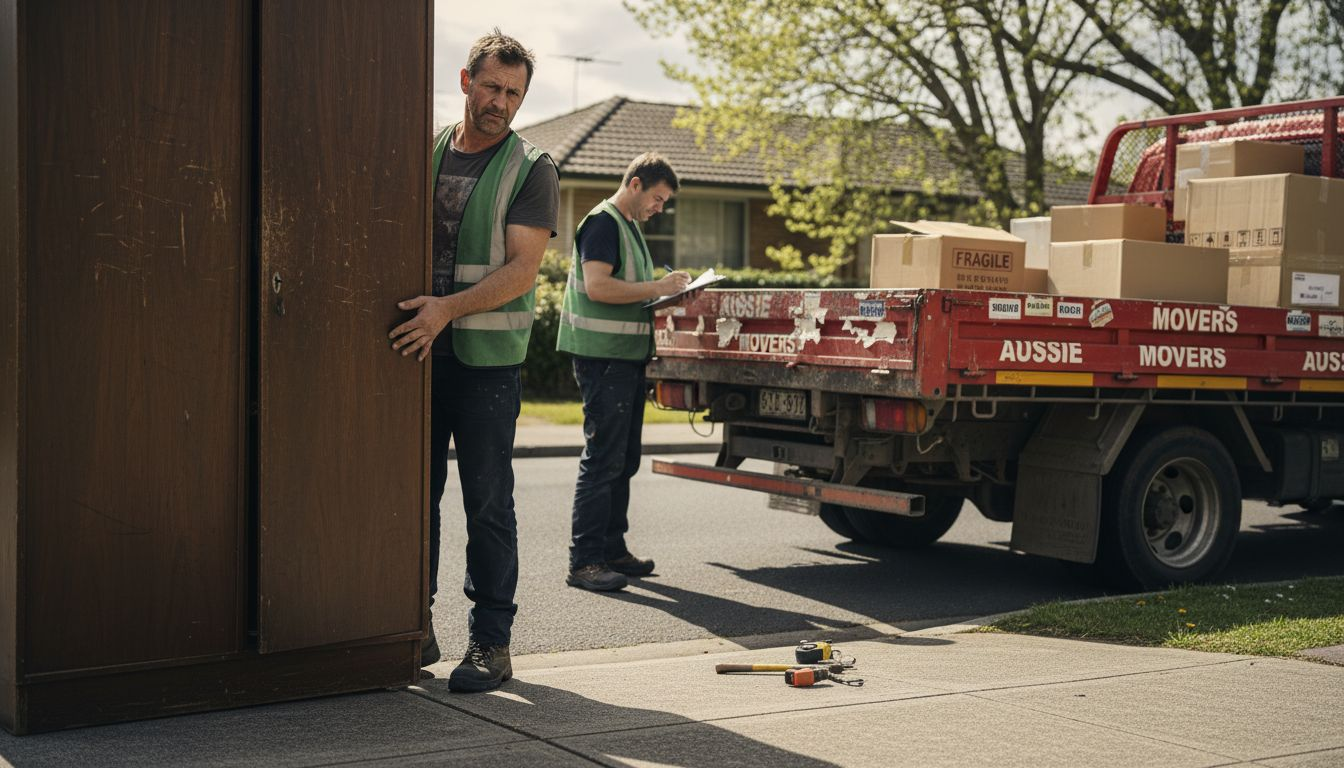
Common heavy objects homeowners need moved include large appliances, pianos, safes, and oversized furniture pieces. Each item presents unique challenges based on weight, dimensions, and fragility. The handling method chosen directly impacts both your items and your home’s structural integrity.
Australia’s regulatory framework categorises heavy objects into distinct classes. Classes of heavy vehicles include agricultural equipment, special purpose vehicles, and freight-carrying vehicles with specific requirements for each.
The main categories are:
Each class demands different handling protocols, equipment, and compliance measures. Your heavy object mover must understand which category your items fall into before transport begins.
For quick reference, here are the main heavy object vehicle classifications and their requirements:
| Vehicle Class | Typical Items Moved | Main Transport Requirement |
|---|---|---|
| Class 1 | Agricultural equipment, special purpose vehicles | Special permits required |
| Class 2 | Freight-carrying vehicles | Restricted access rules |
| Class 3 | Oversized and overweight vehicles | Assessment of mass/dimensions |
Different heavy objects require completely different approaches. A piano needs padding and climate control, whilst a safe requires reinforced straps and structural support.
Common handling approaches include:
Mass and dimension regulations govern how items can be transported, including permits for restricted access routes and specialised equipment requirements. Movers must comply with these standards or face penalties.
Transporting oversize or overmass items through Melbourne often requires permits. Road authority approvals ensure the transport route can safely accommodate your heavy object.
Permit considerations include:
Professional heavy object movers understand permit requirements and handle all compliance documentation, ensuring your relocation meets regulatory standards and protects your property.
Pro tip: Request a detailed handling plan from your mover before relocation day, specifying equipment type, securing methods, and any permits required for your particular heavy objects.
Moving heavy objects in Melbourne isn’t just about muscle and equipment. Your mover must follow strict legal protocols designed to protect you, your property, and your items. These requirements exist because heavy object transport carries real risks without proper safeguards.
Australia’s heavy vehicle transport industry operates under comprehensive legal frameworks. The Heavy Vehicle National Law sets out safety protocols including vehicle standards, load restraint requirements, and fatigue management obligations. These standards apply to anyone transporting heavy objects, regardless of whether they’re household items or commercial equipment.
One critical legal concept is chain of responsibility. This means multiple parties share responsibility for transport safety, not just the driver. Your mover, the vehicle owner, and even consignors can be held accountable for breaches.
The chain includes:
Understanding who’s responsible matters when problems occur. If an item is damaged or an accident happens, the chain of responsibility determines liability.
Proper load securing prevents items shifting during transport. Australian standards specify exactly how heavy objects must be fastened, including the type of straps, anchor points, and safety margins required.
Your mover should demonstrate:
Chain of responsibility obligations require identifying parties involved and applying risk management practices. Professional movers document their compliance to protect everyone involved.
Proper insurance protects you if something goes wrong. Your heavy object mover must carry appropriate liability coverage for the specific weight and type of items being transported.
Verify your mover has:
Legal compliance isn’t optional—it’s the foundation of safe heavy object relocation and protects your belongings, your home, and everyone involved in the move.
Pro tip: Before hiring, request copies of your mover’s insurance certificates, chain of responsibility documentation, and their safety compliance records to verify they meet legal requirements.
Heavy object moving costs in Melbourne vary significantly depending on the item type, distance, and complexity. Understanding what you’ll pay and exploring alternatives helps you make informed decisions that fit your budget and timeline.
Typical costs include labour, equipment hire, permits, insurance, and fuel. A piano move might cost $1,500 to $3,500, whilst moving a safe could range from $800 to $2,500. These prices reflect the specialised expertise and equipment required.
Several factors drive heavy object moving costs. The item’s size and weight determine vehicle requirements and labour hours needed. Distance travelled affects fuel costs and labour time.
Main cost components include:
Compliance with national regulations requires permits for oversize or overweight loads, adding to total costs. However, these costs protect your belongings and ensure legal transport.
Several legitimate approaches reduce moving expenses without compromising safety. Scheduling off-peak moves (mid-week or outside school holidays) often costs less because movers have greater availability.
Alternatives to minimise costs:
Oversized heavy objects sometimes qualify for alternative transport methods that reduce costs. Reclassifying loads or using different vehicle combinations may lower permit expenses and operational fees whilst maintaining safety compliance.
Your mover should provide detailed, itemised quotes explaining each cost. Generic quotes without breakdown leave you vulnerable to unexpected charges later.
Request quotes that specify:
Transparent pricing from the start prevents surprises on moving day and ensures you’re comparing genuine costs between movers.
Pro tip: Get written quotes from three different heavy object movers, then request itemised breakdowns explaining every charge before making your final decision.
Heavy object moving carries real risks. Items can be damaged, your home can suffer structural harm, and accidents can occur if proper precautions aren’t taken. Professional movers prevent these problems through systematic safety practices and specialised equipment.
The most common risks include shifting loads, improper securing, driver fatigue, and overloading vehicles. Each risk has proven prevention methods that professional movers implement before transport begins. Understanding these risks helps you recognise quality service when evaluating movers.
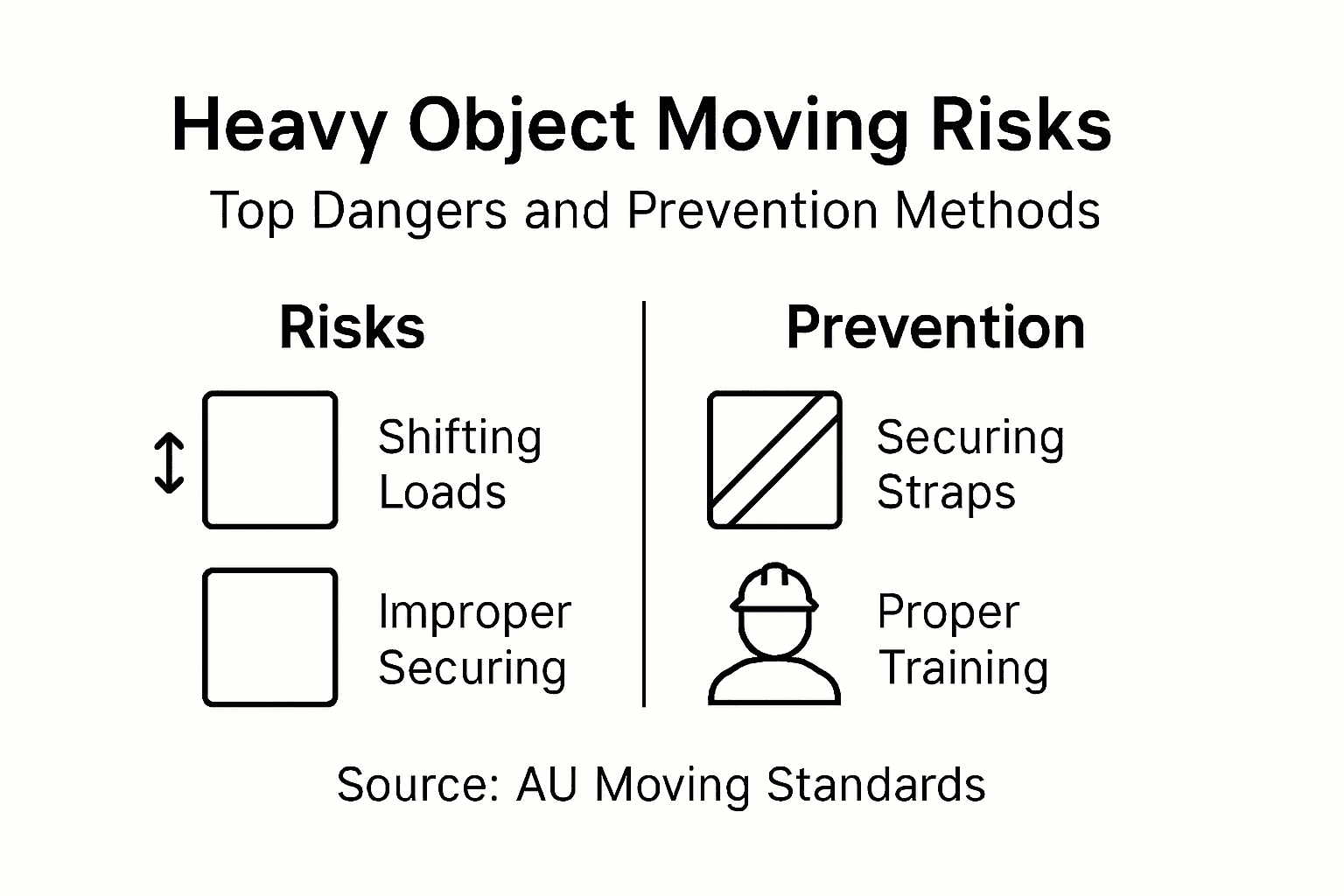
Improper load securing causes most heavy object damage. Items shift during transport, colliding with vehicle walls or other cargo. This damages your belongings and destabilises the vehicle, creating safety hazards.
Professional movers prevent this through:
Proper load distribution prevents the vehicle from becoming unstable during turns or braking, which could cause damage or accidents.
Your mover’s vehicle condition directly impacts your items’ safety. Well-maintained vehicles with modern safety features significantly reduce accident risk and damage likelihood.
Quality moving services maintain:
Ask your mover about their vehicle maintenance schedule and inspection records before hiring.
Fatigued drivers cause accidents. Professional movers implement strict fatigue management protocols, ensuring drivers take adequate rest and follow legal work hour limits.
Your mover should demonstrate:
These practices protect both your items and everyone sharing the road.
Damage prevention starts before moving day. Professional movers assess your home’s entry points, hallways, and stairs to plan safe routes and prevent property damage.
Systematic prevention—from load securing to vehicle maintenance to driver fatigue management—separates professional movers from inexperienced operators, directly protecting your belongings and your home.
Pro tip: Request that your mover conduct a detailed property inspection before providing a quote, ensuring they understand doorway widths, staircase dimensions, and any structural limitations affecting the move.
Handling heavy objects demands specialised expertise and a strict commitment to legal compliance to protect your belongings and property. The article emphasises challenges such as load securing, vehicle maintenance, fatigue management and permit acquisition. At Onyx Removals, we understand the importance of adhering to the Heavy Vehicle National Law and chain of responsibility obligations to deliver a stress-free experience tailored to your unique moving needs.
Why risk your valuable items with inexperienced operators when you can trust our team? We provide comprehensive solutions combining trained professionals, specialist equipment and thorough route planning to ensure your heavy objects are safely transported without damage or delay.
Discover seamless relocation services at Onyx Removals where personalised moving plans address every detail. Request your detailed heavy object moving quote today and benefit from transparent pricing, full legal compliance and reliable insurance coverage. Protect your investment and enjoy peace of mind by choosing a trusted Melbourne mover who puts safety and professionalism first. Start your smooth transition now with Onyx Removals and learn more about our expert residential moving services.
Heavy object movers are specialists trained to transport large and weighty items, such as appliances, machinery, and oversized furniture, which exceed the standard moving capacity. They operate under specific legal regulations to ensure safety during the transport process.
Heavy object movers differ from standard removalists by employing specialised equipment and trained staff capable of handling items over 4.5 tonnes. They adhere to strict regulatory compliance and possess insurance specific to transporting heavy goods.
Common heavy objects that movers handle include large appliances (like refrigerators and washing machines), pianos, safes, industrial equipment, and oversized furniture pieces. Each of these requires specialised handling techniques to ensure safe transport.
Yes, transporting oversized or overweight items often requires permits to ensure compliance with road regulations. Professional heavy object movers typically manage the necessary permits and documentation for safe transportation.

No Related Post


