



Nearly 30 percent of workplace injuries in Australia link directly to improper handling of heavy machinery. Planning a machinery move can impact not only your safety but also your bottom line if risks go unchecked. By understanding key steps for assessing, prepping, and relocating equipment, you can minimise downtime and avoid unexpected hazards while keeping your operation running smoothly.
| Key Point | Explanation |
|---|---|
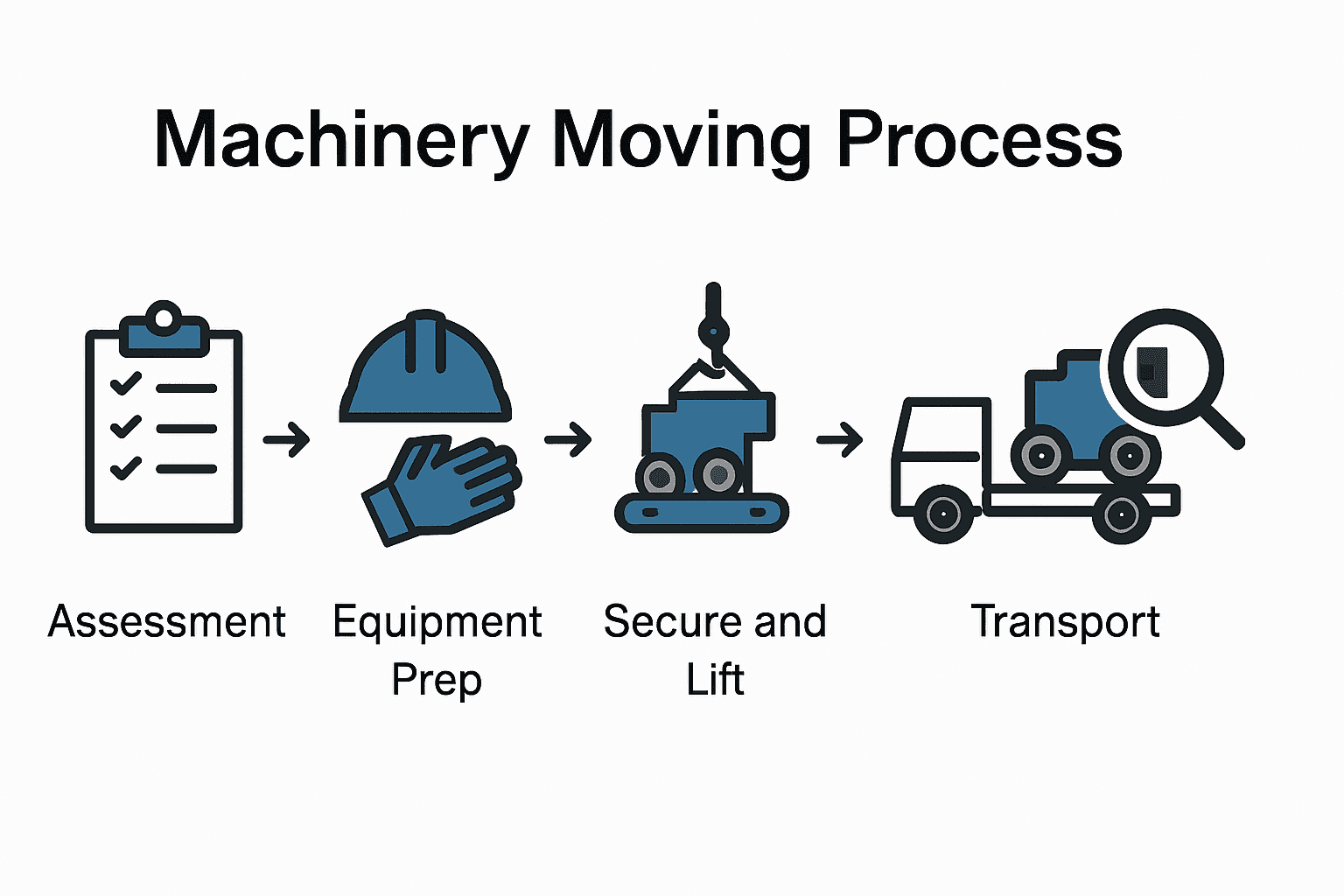
| 1. Assess machinery and workspace needs | Evaluate equipment and environment to avoid safety risks during relocation. |
| 2. Gather appropriate safety equipment | Use specialized gear like hard hats and gloves to ensure safety during the move. |
| 3. Prepare machinery for relocation | Secure and stabilize equipment, disconnect power, and minimize handling risks. |
| 4. Utilize correct lifting methods | Inspect rigging gear and choose appropriate lifting points to prevent accidents. |
| 5. Conduct thorough post-installation inspection | Verify machinery stability and functionality after moving to prevent future issues. |
Before moving any heavy machinery, you will need a comprehensive evaluation of both your equipment and the surrounding environment. This initial assessment helps prevent potential safety risks and ensures a smooth relocation process.
Start by thoroughly examining your machinery from multiple angles. Look for specific details like weight distribution, physical dimensions, and any fragile components that might require special handling. According to Safe Work Australia, identifying potential hazards at every stage of transport and installation is critical.
Your workspace assessment should include measuring doorways, corridors, and potential pathways the machinery will travel through. Create a detailed sketch or digital map noting potential obstacles such as uneven flooring, tight corners, overhead obstructions, or electrical connections. This preparatory step helps you anticipate challenges and plan appropriate strategies.
Here’s a summary of the key assessment factors for both machinery and workspace:
| Assessment Area | Key Factors | Common Hazards |
|---|---|---|
| Machinery | Weight & size Fragile components Power requirements |
Uneven weight Electrical risks Loose parts |
| Workspace | Doorway width Corridor/pathway Obstacles & clearance |
Tight corners Uneven flooring Overhead obstructions |
Pro Tip: Always leave at least 20% extra clearance space around your machinery’s total dimensions to account for unexpected movement during relocation.
Next, document your machinery’s specific technical specifications. Record exact weight, dimensions, power requirements, and any manufacturer recommendations for transportation. As recommended by Safe Work Australia, use a hierarchical approach to manage potential risks:
Preparing meticulously now saves significant time and reduces potential safety issues during the actual move. Your next step will involve selecting appropriate transportation and rigging equipment matched precisely to your machinery’s specific requirements.
Successful heavy machinery relocation requires more than just physical strength. You will need specialised equipment and comprehensive safety gear to protect yourself and ensure a smooth moving process.
Start by assembling your personal protective equipment. Safe Work Australia Training Guidelines recommend a complete safety kit including hard hats, safety glasses, heavy duty work gloves, steel-toed boots, and high-visibility vests. These items are not optional extras they are essential protection against potential workplace accidents.
For machinery moving, you will need specific rigging and lifting equipment matched to your machinery’s specifications. This includes sturdy lifting straps, robust chains, heavy-duty pulleys, and precision load-bearing equipment. As recommended by Safe Lifting Australia, every piece of equipment must undergo rigorous pre-use inspections and comply with Australian standards AS3775 and AS4991.
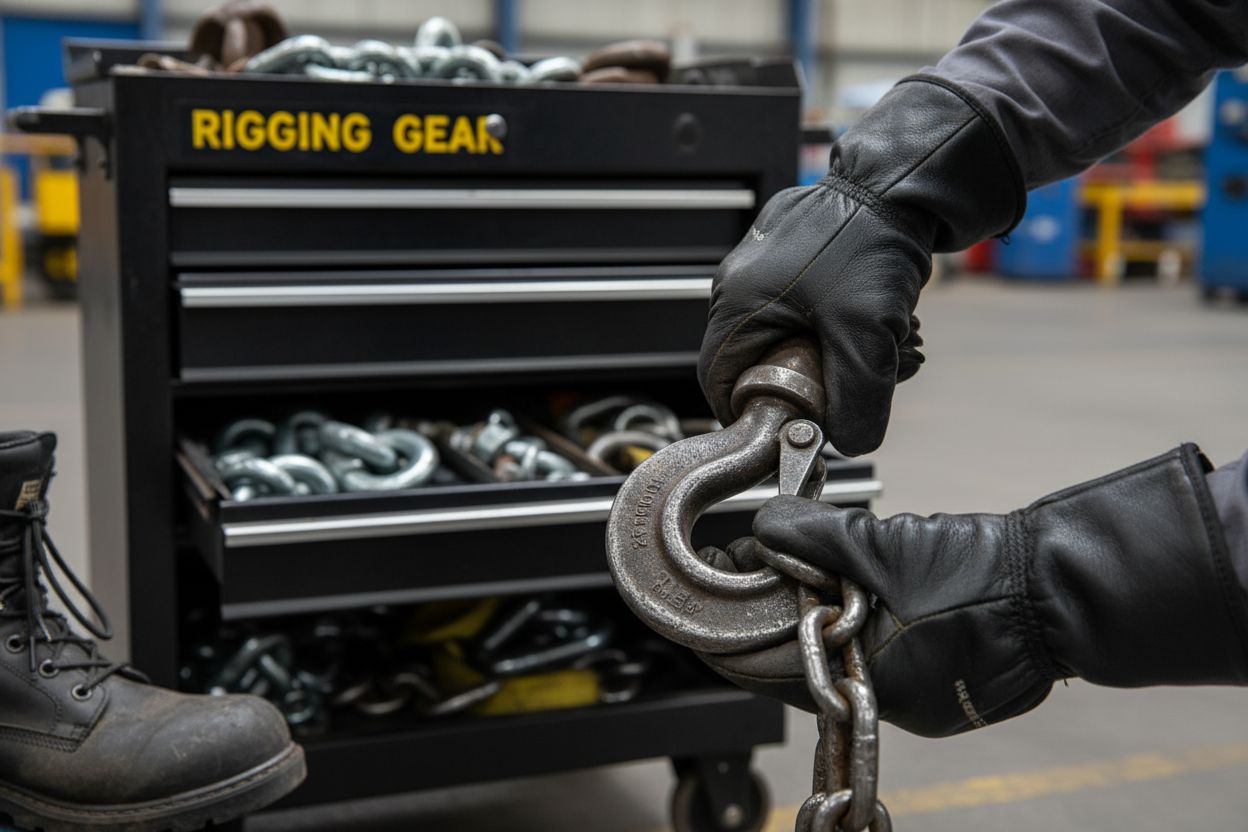
Warning: Never use lifting equipment that shows signs of wear, fraying, or structural compromise.
Consider renting or purchasing specialised moving equipment like hydraulic jacks, skates, rollers, and precision levelling tools. These will help you manage different machinery weights and navigate complex moving scenarios. Your equipment selection should directly correlate with the specific machinery you are relocating.
Ensure all team members are trained in proper equipment usage. This means understanding load limits, correct attachment techniques, and emergency protocols. A team with shared knowledge reduces risk significantly.
Before moving forward, double-check that all your safety gear fits correctly and all moving equipment is in pristine working condition. Your next step will involve creating a detailed moving strategy that incorporates these tools and safety measures.
Preparing heavy machinery for relocation involves careful planning and strategic immobilisation to ensure safe transportation. You will need to secure and stabilise your equipment to prevent unexpected movements during the moving process.
Begin by thoroughly disconnecting all power sources and electrical connections. According to Safe Work Australia, preventing unintended vehicle roll-aways requires strategic immobilisation techniques like using wheel chocks and ensuring equipment is positioned on completely level ground.
Carefully assess each machinery component for potential manual handling risks. Safe Work Australia guidelines recommend identifying and minimising hazardous tasks through mechanical aids and strategic design. This might involve removing detachable parts, securing loose components, or using specialised lifting equipment to redistribute weight.
Pro Tip: Take photographs of your machinery before disassembly to help with precise reassembly at the new location.
Implement comprehensive stabilisation methods. Use high-quality restraints, secure all moving parts, and pad vulnerable sections to prevent potential damage. Check that each machinery component is tightly fastened and cannot shift during transportation.
If you need more detailed information about moving large machinery, read our expert guide on machinery relocation for additional insights. Methodical preparation now will significantly reduce risks and ensure a smoother moving experience.
Your next step involves creating a detailed transportation plan that accounts for the specific requirements of your carefully prepared machinery.
Lifting heavy machinery requires precision expertise and strict adherence to safety protocols. You will need advanced skills and meticulous attention to detail to successfully transport complex equipment without risking damage or personal injury.
All Lifting Australia recommends conducting a comprehensive visual inspection of all rigging equipment before initiating any lift. This means carefully examining each sling, chain, and attachment point for signs of wear, fraying, or structural weakness. Your equipment must be tagged and categorised as either pass, repair, or fail before attempting any machinery movement.
Select lifting points that align precisely with your machinery’s centre of gravity. Look for manufacturer-designated attachment zones or structural reinforcement points. Distribute weight evenly across multiple connection points to prevent unbalanced loading that could cause tipping or structural stress.
Pro Tip: Always use taglines to provide additional load control and prevent unexpected swinging during lift.
According to material handling safety guidelines, never position yourself or allow team members to stand underneath suspended loads. Maintain clear communication channels and establish predetermined hand signals or radio protocols to coordinate complex lifting manoeuvres.
If you are uncertain about any aspect of the lifting process, consult our expert machinery moving guide for additional technical insights. Proper lifting technique combines mechanical knowledge with disciplined safety practices.
Your next step involves carefully transporting the machinery using carefully planned movement strategies that minimise potential risks.
Safely transporting heavy machinery to its final location requires strategic planning and precise execution. You will need to navigate complex logistical challenges while maintaining equipment integrity and complying with transportation regulations.
The National Heavy Vehicle Regulator emphasises strict compliance with load transportation standards. This means carefully verifying load mass, dimensions, and securing mechanisms before and during transportation. Ensure your transport vehicle matches the machinery weight requirements and has appropriate certification for heavy load movement.
Prepare the destination area meticulously before arrival. Confirm the space has been cleared, levelled, and prepped with appropriate foundation supports. Measure doorways, corridors, and potential entry points to guarantee smooth machinery placement. If possible, create a detailed floor plan indicating the exact positioning location.
Pro Tip: Always have backup positioning equipment like hydraulic jacks and precision rollers ready in case manual adjustments are needed.
During unloading, maintain slow and controlled movements. Use spotters to guide the machinery placement and communicate clearly about potential obstacles or alignment challenges. If you need additional guidance on moving equipment, consult professional resources to ensure precision.
Once positioned, immediately conduct a comprehensive inspection to verify no transportation damage occurred. Check alignment, stability, and functional components before considering the move complete.
Your final step involves performing initial calibration and testing to ensure the machinery operates correctly in its new environment.
After successfully relocating heavy machinery, a comprehensive inspection and functional test become crucial to ensure safe and optimal performance. You will need to methodically verify every aspect of the machinery installation and operational capabilities.
Safe Lifting Australia recommends conducting detailed inspections of all rigging and lifting gear post installation. This involves carefully examining slings, shackles, hooks, lifting frames, and anchor points to confirm they meet Australian Standards and remain structurally sound.
Begin with a visual assessment of the entire machinery setup. Check for any signs of misalignment, unexpected stress points, or potential structural compromises during transportation. Verify that all mounting points are secure and foundation supports are level and stable.
Pro Tip: Document your inspection process with photographs to maintain a clear record of the machinery’s condition post move.
According to recent Australian worksite incident reports, improper modifications or lack of proper testing can lead to serious workplace incidents. Therefore, systematically test each machinery function under controlled conditions.
Start with low speed and minimal load tests, gradually increasing operational parameters to ensure smooth performance. Listen for unusual sounds, watch for unexpected vibrations, and monitor temperature and pressure indicators throughout the testing process.
If you need additional guidance on equipment installation, professional resources can provide detailed testing protocols specific to your machinery type.
Your final recommendation is to create a comprehensive report documenting the entire installation and testing process for future reference and maintenance planning.
Moving heavy machinery demands more than manpower. It takes precise planning, strict safety checks, and the kind of expertise highlighted in this guide. If you feel overwhelmed by the risks of injury, equipment damage, or downtime, you are not alone. Many Melbourne businesses face these same challenges—from assessing workspace hazards and sourcing reliable lifting equipment to ensuring machinery reaches its destination without a hitch.
Our team at Onyx Removals understands every detail covered in this article. We specialise in professional machinery moves that tick every box: exhaustive preparation, advanced rigging, and safe transport methods aligned with Australian standards. With us, your assets are protected, your timelines are met, and your peace of mind comes first. From first assessment to final inspection, our team of experts delivers tailored relocation solutions you can trust.
Don’t risk costly setbacks or workplace injuries. Speak to our professionals today and experience a seamless heavy equipment relocation. Get your free consultation from Onyx Removals now and see why local businesses count on us for moving jobs big and small. You can also check our practical advice for using moving equipment or dive deeper into machinery relocation in Melbourne if you need technical guidance. Let us handle the heavy lifting while you focus on what matters most—getting your operations running smoothly again.
Begin by thoroughly evaluating your machinery for weight, dimensions, and fragile components. Measure pathways, doorways, and note any obstacles to ensure a smooth relocation process.
Ensure you have a complete personal protective equipment kit, including hard hats, safety glasses, gloves, and steel-toed boots. Assemble this gear before starting your machinery moving project to protect yourself from potential accidents.
Disconnect all power sources and secure loose components to prevent unexpected movements. Use wheel chocks and ensure stable positioning on level ground to immobilize the equipment effectively.
Select appropriate lifting points and conduct a visual inspection of all rigging equipment before lifting. Distribute weight evenly across multiple points to prevent tipping and check that all attachments and connections are secure.
Ensure that your transport vehicle complies with load standards and prepares the destination area before arrival. Use slow, controlled movements during unloading and guide the machinery with spotters for precise positioning.
Complete a detailed inspection of all rigging and stability elements post-installation to confirm they meet safety standards. Test each machinery function gradually and document any findings to maintain a clear record for future reference.

No Related Post


