



More than forty percent of australian businesses experience significant disruption during major relocations. Every change brings a unique mix of practical hurdles and emotional stress, affecting both individuals and entire teams. Understanding change management in relocation means recognising the need for clear strategies that minimise stress while ensuring smooth transitions. This guide offers insights that help you meet challenges head-on and support better outcomes for every australian move.
| Point | Details |
|---|---|
| Change Management is Essential | A strategic approach is vital for navigating organisational and personal transitions during relocations, focusing on comprehensive planning and risk assessment. |
| Tailored Support is Key | Effective relocation requires personalised support strategies that address the unique emotional and practical needs of individuals. |
| Effective Communication Enhances Success | Clear communication protocols and stakeholder engagement are crucial for ensuring a smooth relocation process. |
| Anticipating Challenges Minimises Stress | Proactive planning and understanding common pitfalls can transform potential disruptions into manageable transitions. |
Change management represents a strategic approach to navigating organisational and personal transitions during relocations. At its core, it focuses on preparing, supporting, and guiding individuals and teams through significant transformational processes. Change management involves understanding psychological, operational, and logistical challenges that emerge when moving physical spaces, whether for businesses or residential purposes.
Professional change management approaches typically involve comprehensive frameworks for anticipating potential disruptions and creating structured transition strategies. Relocation project management strategies help organisations minimise potential risks and maintain operational continuity during complex moves. The University of Queensland’s advanced change management research emphasises developing systematic approaches that address both human and technical aspects of transitions.
Key components of effective change management during relocation include:
Successful change management transforms potential challenges into opportunities for growth, ensuring smoother transitions that minimise disruption and maximise organisational resilience.
Relocation changes in Australia encompass diverse scenarios across residential, commercial, and institutional contexts, each presenting unique challenges and requirements. Organisational relocations range from small office movements to large-scale corporate migrations, involving complex logistical and human resource considerations. Comprehensive moving solutions recognise the multifaceted nature of these transitions, acknowledging that each move represents a significant operational transformation.
The National Mental Health Commission highlights several critical types of relocations that impact individuals and organisations. These include career-related moves, institutional transfers, workplace restructuring, and residential transitions. Local vs interstate moves introduce additional complexity, with different regulatory and logistical considerations depending on the geographical scale of the relocation.
Key types of relocation changes in Australia include:
Each relocation type requires tailored strategies that address specific operational, psychological, and logistical challenges. The Canberra Institute of Technology’s policies emphasise the importance of minimising workplace disruption and maintaining health and safety standards throughout any transition process.
Moving represents a profound life transition that simultaneously challenges individuals’ emotional resilience and practical capabilities. Relocation stress manifests through complex psychological and logistical dimensions that extend far beyond physical transportation of belongings. The National Mental Health Commission highlights the significant emotional landscape surrounding moves, characterising them as deeply transformative experiences involving feelings of loss, uncertainty, and potential grief.

Understanding stress free moving requires recognising the intricate interplay between emotional adaptation and practical planning. Research from the ANU Institute for Climate, Energy & Disaster Solutions reveals that relocation decisions are often influenced by environmental and personal factors that trigger profound emotional responses, particularly when individuals must leave familiar surroundings.
Key emotional and practical impacts of moving include:
Successful navigation of relocation involves acknowledging these multifaceted challenges, developing comprehensive coping strategies, and maintaining emotional flexibility throughout the transition process. Recognising that moving is not merely a physical shift but a holistic life experience can help individuals approach changes with greater resilience and understanding.
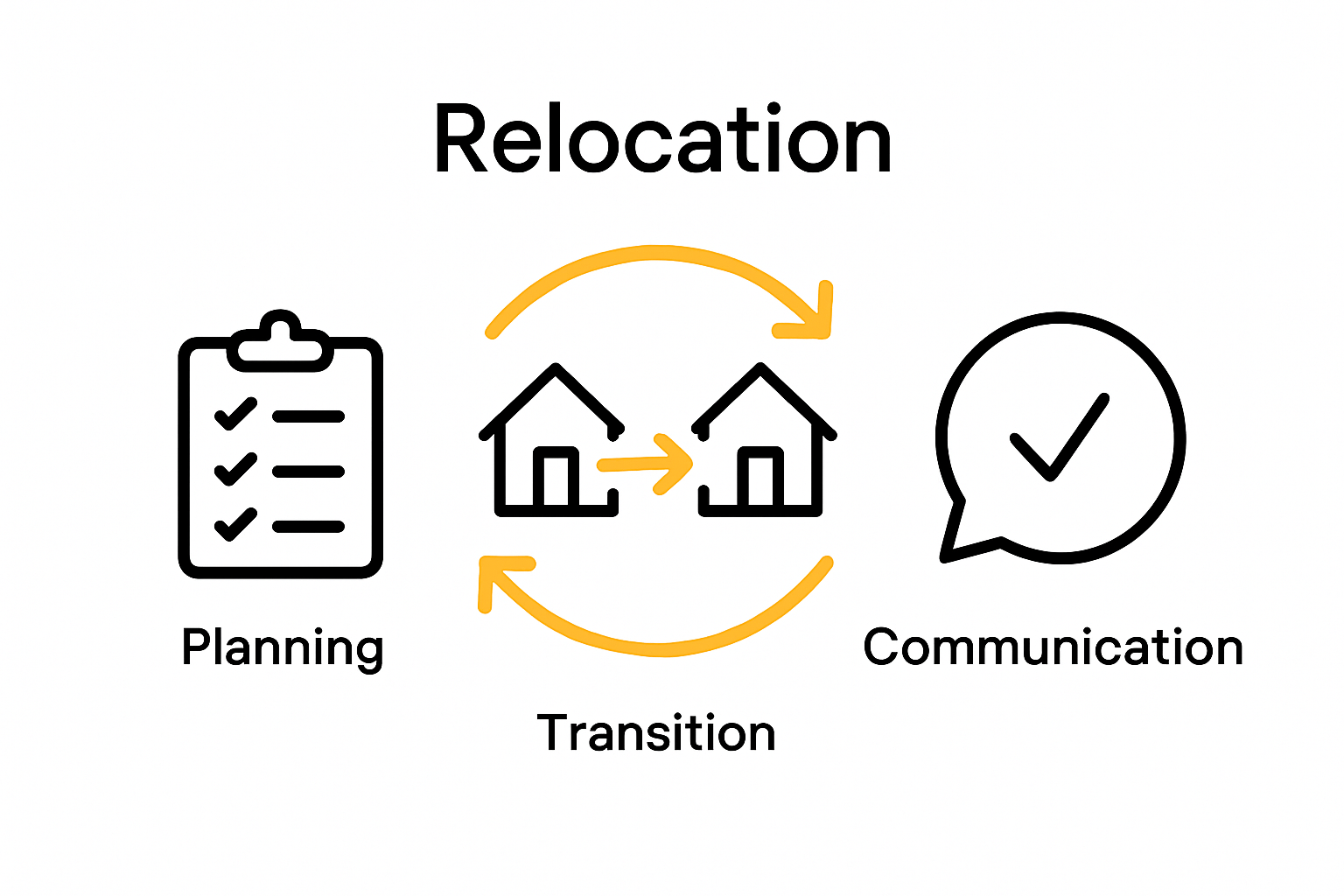
Successful relocation hinges on robust planning and communication methodologies that anticipate potential challenges and create structured pathways for seamless transitions. Comprehensive moving solutions require meticulous coordination across multiple stakeholder groups, ensuring everyone understands their roles, responsibilities, and expected outcomes throughout the relocation process.
The University of Sydney’s change implementation research emphasises the critical importance of developing systematic change management approaches that address both operational requirements and human psychological dynamics. Effective strategies involve creating transparent communication channels, establishing clear timelines, and developing adaptive frameworks that can respond to unexpected complexities during the transition.
Key planning and communication strategies include:
Successful planning transforms potential disruption into an organised, manageable process. By prioritising clear communication, maintaining flexibility, and supporting all stakeholders through structured approaches, organisations and individuals can navigate relocation challenges with confidence and minimal stress.
Supporting individuals through relocation requires a holistic approach that addresses both psychological and practical dimensions of change. Emotional resilience becomes crucial during transitions, with each person experiencing unique challenges that demand personalised support strategies. Moving house with pets guide illustrates how comprehensive support extends beyond human experiences to include care for entire family units.
The National Mental Health Commission’s career transition research emphasises comprehensive support mechanisms that address psychological adaptation during significant life changes. Effective support strategies acknowledge the complex emotional landscape of relocation, recognising that transitions involve more than physical movement but fundamental shifts in personal and professional identity.
Key strategies for supporting individuals during transition include:
Successful support requires empathy, understanding, and proactive engagement. By recognising the deeply personal nature of relocation, organisations and individuals can create nurturing environments that transform potential stress into opportunities for growth and personal development.
Relocation processes are fraught with potential errors that can significantly disrupt transitions and create unnecessary stress. Systematic planning becomes crucial in mitigating risks and preventing common pitfalls that derail smooth moves. Comprehensive moving solutions emphasise proactive approaches that anticipate and neutralise potential challenges before they escalate.
The Canberra Institute of Technology’s refurbishment policy highlights critical relocation risk management strategies that address systemic vulnerabilities in transition processes. Understanding these potential mistakes allows organisations and individuals to develop more resilient, adaptive moving strategies that minimise disruption and maintain operational continuity.
Common relocation mistakes and prevention strategies include:
Successful relocation requires a holistic approach that combines meticulous planning, robust communication, and flexible adaptation. By anticipating potential challenges and developing comprehensive mitigation strategies, individuals and organisations can transform potentially disruptive moves into seamless, manageable transitions.
Managing change during a relocation comes with challenges like emotional stress and complex logistics. You need clear planning, effective communication, and personalised support to ease this transition. Onyx Removals understands the importance of turning these challenges into smooth and manageable steps by offering tailored solutions that address both practical and emotional aspects of moving.
Whether you are moving a business or your home, our expert team provides comprehensive services including packing, transportation and storage designed to reduce disruption and give you confidence throughout the journey. We invite you to explore our business removal services for corporate relocations or visit our main site Onyx Removals for a full range of moving options.
Start your transition with trusted professionals who prioritise communication and care. Contact Onyx Removals now and make your next move a seamless experience guided by expertise and understanding. Visit Onyx Removals to get your personalised quote today.
Change management in relocation is an approach used to prepare, support, and guide individuals and organizations through the various transitions that occur during a move. It involves anticipating challenges and creating structured strategies for a smoother transition.
The key components include comprehensive planning and risk assessment, clear communication, stakeholder engagement, flexible adaptation strategies, and ongoing monitoring. These elements help to minimize disruptions and enhance resilience throughout the relocation process.
To manage emotional impacts, it’s important to recognize the psychological challenges of moving. Strategies include accessing emotional support resources, establishing peer networks, and developing a personalized transition plan that addresses individual needs.
Common mistakes include inadequate planning, poor communication among stakeholders, overlooking emotional needs, and neglecting inventory management. To prevent these errors, create a detailed plan, establish clear roles, and anticipate both logistical and emotional complexities.

No Related Post


