



Your move-in check list, in priority order: confirm your settlement or lease start date, serve any required tenancy notice, book your removalist, order your NBN connection, arrange electricity and gas transfers, set up Australia Post mail redirection, and take dated photos plus meter readings at both properties. That is the sequence that matters most, because every item on it has an external deadline you cannot control once you miss it.
Two items carry legal weight above everything else. Your tenancy notice period, which varies depending on your state and lease type and your obligation to update your electoral enrolment and driver licence address within the required windows. Miss the notice and you may owe extra rent. Miss the electoral update and you are technically in breach of the Commonwealth Electoral Act 1918.
Immediate action list:
Pro Tip: Before you cancel any utility contract, read the fine print on exit fees. Some energy retailers charge a flat fee for early termination; others charge per remaining month. A quick call can save you hundreds.
A move goes smoothly when deadline-critical tasks (lease notice, removalist booking, NBN order, utility transfers) are handled weeks ahead, and government address updates are completed within 14 days of moving in.
| Point | Details |
|---|---|
| Sort by deadline risk | Lease notice, removalist booking and NBN order carry the highest cost if missed; do these first. |
| Renters: complete the condition report | Photograph every room, initial every page and return the signed report within the required timeframe to protect your bond. |
| Update government services within 14 days | Prioritise myGov, ATO, AEC and driver licence; use Australia Post redirection as a safety net, not a substitute. |
| Check utility exit fees before switching | Some energy contracts charge per remaining month; a quick check before cancelling can save a significant amount. |
| Onyx Removals | Onyx Removals handles residential moves, packing, storage and cleaning across Melbourne with tailored plans for each job. |
Sorting tasks by deadline risk is the single most useful structural decision you can make when planning a move. Packing is forgiving. Lease notices, removalist availability and NBN lead times are not.
Serve your lease notice as soon as you have a confirmed move date. Book your removalist next. Demand for quality removalists peaks on weekends and at the end of the month, and the best operators fill up 4–6 weeks out. While you are at it, start decluttering. Anything you donate, sell or bin now is weight you do not pay to move.
If you are buying, confirm your settlement date with your conveyancer and build a buffer of at least two days between settlement and your removalist booking. Settlement delays happen.
Confirm your removalist quote in writing, including what is and is not covered by their transit insurance. Order packing supplies: double-walled boxes, packing tape, bubble wrap and furniture blankets. Start your utility and internet orders now. AGL advises that electricity connections can often be arranged with as little as one business day’s notice, but gas typically needs three business days. NBN is the slow one: allow up to two weeks, sometimes more in regional areas.
Check whether your building or street requires a parking permit for the moving truck. In Melbourne’s inner suburbs, councils often require a permit for a large vehicle to stop in a clearway or timed zone. Apply at least a week ahead.
Pack your essentials box last so it comes off the truck first. Take final meter readings at your current address, photograph every room, and do a last check of cupboards, the roof space and the garden shed. Gather all documents: lease agreements, settlement paperwork, insurance certificates, and keys.
Pro Tip: Book your NBN connection the moment you have a confirmed move date. Providers need time to schedule a technician visit for some connection types (FTTC, FTTP), and a two-week delay with no internet at home costs more in frustration than the connection itself.
Hand over keys only after you have done a final walkthrough and confirmed the condition report is complete. Confirm utilities are live at the new address before the truck leaves the old one. Keep your phone charged and have your agent’s and removalist’s numbers saved.
Confirm all utilities are active, register for waste collection with your local council, update your address with myGov, the ATO, Medicare, the Australian Electoral Commission, your bank and your insurer. More on this in the change-of-address section below.
Pack one clearly labelled box or bag that travels in your car, not the truck. It should contain: phone chargers, a change of clothes, basic toiletries, medications, coffee or tea supplies, toilet paper, a torch, your important documents folder, and snacks for the day. You will thank yourself at 9 PM when the truck is still being unloaded.
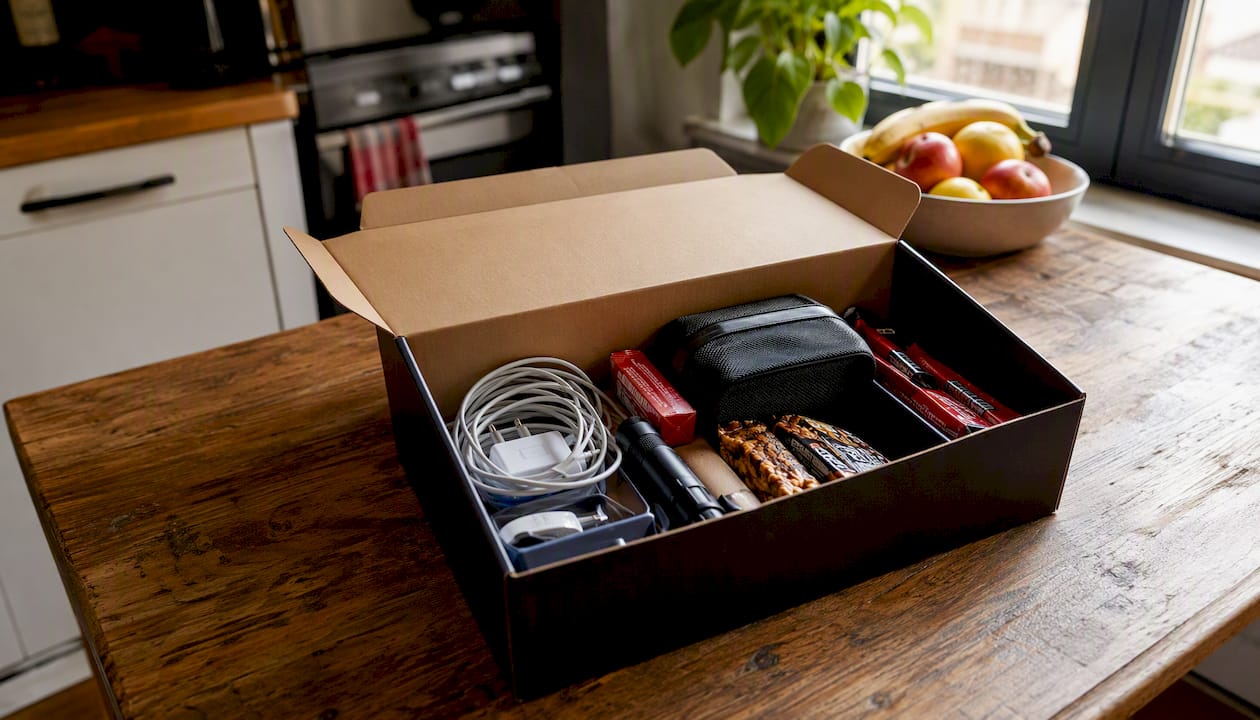
Label every other box with the destination room AND a brief contents note (“Kitchen — pots and pans”, not just “Kitchen”). Colour-coded tape by room is faster to read than handwriting when you are tired.
Do not pack perishable food, aerosols, flammable liquids (paint, petrol, cleaning solvents), or gas cylinders. Most removalists will refuse these items, and for good reason. Transport important documents, jewellery and irreplaceable items yourself. Check state biosecurity rules before moving plants interstate; some species require permits or cannot cross state borders at all.
For moving large or heavy furniture, photograph each piece before it goes on the truck. Note any existing scratches or dents. This protects you if a damage claim arises later.
Defrost your fridge and freezer at least 24 hours before the move. Secure your washing machine drum with transit bolts (check the manual or ask your removalist). Do not attempt to disconnect a gas appliance yourself; a licensed gasfitter should disconnect and reconnect gas cooktops and dryers. Photograph appliance serial numbers before they are wrapped.

Give your removalist a written brief that covers: full addresses for pickup and delivery, access details (stairs, lifts, narrow doorways, parking restrictions), a list of fragile or high-value items, your preferred timeframe, and a question about their transit insurance cover. Ask specifically whether their policy covers your goods at full replacement value or at depreciated value. The difference matters if something breaks.
When comparing quotes, ask each removalist to quote on the same job description. Hourly rates look cheap until you factor in travel time, truck size and whether packing materials are included. Getting accurate removal quotes upfront prevents bill shock on the day.
For readers weighing up whether to pack themselves or pay for it, professional packing versus DIY is a genuine trade-off between cost and time, not a clear winner either way.
Internet is the slowest service to connect, so order it first. NBN connections can take up to two weeks, and some connection types (FTTP, FTTC) require a technician visit. Check NBN availability at your new address via the NBN Co address checker before you sign up with a provider, because the connection type affects both speed options and lead time.
Electricity is faster. Finder recommends notifying your energy provider at least five days before your move date and taking meter readings at both properties to avoid billing disputes. Gas takes a little longer to arrange than electricity in most cases.
Moving house is also a good moment to compare energy plans. Retailers are required to offer you their best available deal when you move, and switching at this point carries no switching fee. Just check your existing contract for exit or relocation fees first — these can range from a nominal amount to a significant charge depending on the retailer and remaining contract term.
AGL’s move-house guidance notes that electricity connections can often be arranged with one business day’s notice if booked early, while gas typically needs three business days. Do not leave either until the day before.
Victorian consumers can compare energy retailers and plans by postcode at Compare.
Home and contents insurance should be active from your move-in date, not the day after you unpack. Moneysmart advises checking policy limits for high-value items during transit, as standard contents policies sometimes exclude items in transit or cap the payout per item. If you own jewellery, art or electronics worth more than the per-item limit, ask about a scheduled items extension.
Pro Tip: Take a meter reading photo the moment you arrive at your new address, before you touch anything. Send it to your energy retailer the same day. This single step prevents billing disputes that can take months to resolve.
When you arrive, locate the main switchboard and the gas isolation valve. Confirm the power is live before the removalists start unloading. Find where the modem needs to go and check the NBN connection box (NTD) is installed and powered. Check that the hot water system is on.
The ingoing condition report is the most important document a renter will handle at move-in. It is the baseline record of the property’s condition and the primary evidence used in bond disputes.
Consumer Affairs Victoria states that the rental provider or agent must give the renter two signed copies (or one electronic copy) of the condition report before they move in. The renter then has a set number of days to inspect the property, add their own comments, and return one signed copy to the agent.
What to do, step by step:
If no condition report is provided, write to your agent immediately requesting one. If they still do not provide it, document the property’s condition yourself with dated photos and a written record, and contact your state tenancy authority. In Queensland, the RTA’s entry condition report (Form 1a) sets out exactly what renters must inspect and initial. In Victoria, Consumer Affairs Victoria provides the official template. Using the official form matters: a non-standard document carries less weight in a VCAT or tribunal hearing.
For renters focused on getting their bond back in full, a thorough rental property cleaning checklist at both ends of the tenancy is as important as the condition report itself.
Update government, banking and identity services first. Services Australia recommends updating your address details within 14 days of moving. An incorrect address with the ATO, Medicare or the AEC creates legal and financial risk that a missed magazine subscription simply does not.
| Category | Who to notify |
|---|---|
| Government and identity | myGov/Services Australia, ATO, Medicare, AEC, Centrelink, passport office |
| Transport | State roads authority (driver licence, vehicle registration) |
| Banking and finance | Banks, credit cards, superannuation funds, financial advisers |
| Health | GP, dentist, pharmacy, private health insurer, NDIS (if applicable) |
| Insurance | Home/contents, car, life, income protection |
| Utilities | Electricity, gas, water, internet provider |
| Education | Schools, universities, HECS/HELP records via ATO |
| Employer and payroll | HR department, payroll, professional associations |
| Subscriptions and retail | Online shopping accounts, streaming services, loyalty programmes |
Queensland Government’s moving-in guidance reinforces this priority order and adds local council registration to the first-week list.
Use Australia Post mail redirection as a safety net, not a substitute. It catches mail from senders you forgot to notify, but it does not update your legal address with government bodies. Set it up for at least three months, ideally six. For readers also managing a property sale as part of their move, a property selling checklist can help coordinate the two processes.
Test every smoke alarm within the first hour. Press the test button; if it does not sound, replace the battery immediately. Check that all door and window locks work. If the property has a security alarm, get the code from the agent before moving day. Walk the perimeter and check any balcony railings, gate latches and external lighting.
Register for waste collection with your local council if it is not automatic. Check bin day schedules and what goes in each bin. Find out whether your street has resident parking permits and apply if needed. Locate your nearest GP, pharmacy, hospital and emergency vet if you have pets.
Move pets on moving day last, or arrange for them to stay with a friend or in a boarding facility. Once in the new home, set up their familiar items (bed, food bowl, litter tray) in a quiet room before letting them explore. Update your pet’s microchip registration with your new address through the relevant state registry. Register your dog with the local council within the required timeframe (usually 30 days of moving in).
A brief knock on the neighbour’s door in the first week pays dividends. They know which bin days are actually enforced, where the good parking spots are, and whether the strata has quirks worth knowing. It also means they are more likely to call you rather than the council if something goes wrong.
Lost keys: call the agent first. Most agents have a spare set or can authorise a locksmith. Truck delays: call the removalist and then the building manager if you have a lift booking window to protect. If utilities are not live on arrival, call your retailer directly with your account number and move-in date. Housing Victoria recommends confirming utility connections a day before the move rather than assuming they will be active.
Common moving costs include removalist fees, packing materials, parking permits, utility disconnection and reconnection charges, and potential exit fees on existing contracts. The items that carry the highest financial penalty if missed are not the ones most people worry about.
Cost risk by task:
When comparing removalist quotes, ask each company to quote on an identical scope: same pickup and delivery addresses, same number of rooms, same access conditions, same date. An hourly rate without a minimum hours clause can blow out on the day.
Pro Tip: Ask your removalist whether they offer off-peak rates for mid-week or mid-month moves. Shifting your move date by two or three days can reduce the cost noticeably, and the truck is less likely to be running late from a previous job.
Most moving stress is not caused by the big things. It is caused by the small things that were never written down.
The clients who have the smoothest moves share a few habits. They pack one labelled essentials box and put it in their car, not the truck. They photograph every room before they leave and again when they arrive. They book the NBN the same day they sign the lease, not the week before they move. And they check their utility contracts for exit fees before they call to cancel, not after.
The video walkthrough is the most underused tool in a move. Record a slow, narrated video of every room as you leave the old property and again as you arrive at the new one. It takes ten minutes and creates a timestamped record that photographs alone cannot match. If a bond dispute or insurance claim arises six months later, that video is worth more than any written description.
One more thing worth saying plainly: the condition report is not a formality. Renters who treat it as paperwork to sign and return quickly are the ones who lose bond money at the end of a tenancy. Spend an hour on it. Photograph everything. Initial every page.
Moving in Melbourne comes with its own set of logistics: inner-suburb parking restrictions, high-rise lift bookings, and the sheer volume of moves happening at the end of each month. Onyx Removals handles the physical side of all of it, from residential removal and professional packing and unpacking through to cleaning, storage and specialist transport for plants and large items.
If you need somewhere to put your belongings between settlement and move-in, temporary storage during relocation is available for short or longer terms. The team works across Melbourne and tailors each move to the property type, access conditions and timeline. Get a quote for your Melbourne moving services and lock in your date before the slot goes.
Official resources and tools to act on the checklist above:

No Related Post


