


1-800-PACK-RAT is a US-based portable storage container company. It does not operate as a local provider in Australia. If you have been searching “pack rat moving cost” hoping to book a container for a Melbourne or Sydney move, you will need an Australian alternative — but the US pricing model is still a useful reference for understanding how portable container moves are structured and what drives the cost.
For context, FreightWaves reports that Pack-Rat charges roughly US$350–$800 for a local move and US$1,800–$5,500 for a long-distance move in the United States. Once you convert those figures to Australian dollars and add GST, higher labour rates, and the longer road legs typical of Australian freight, the landed cost climbs noticeably above the raw conversion.
The bottom line for Australian movers: Pack-Rat pricing is a US benchmark only. Use it to understand the fee structure, then get a locally priced quote from an Australian provider. The cost components are the same; the numbers are not.
Three immediate steps worth taking:
Pack-Rat is a US-only service; Australian movers need a local provider, and the true cost of a portable container move in Australia is consistently higher than a direct currency conversion of US prices suggests.
| Point | Details |
|---|---|
| Pack-Rat availability | 1-800-PACK-RAT operates in the US only; it has no Australian depots or local pricing. |
| US cost reference | Local US moves run US$350–$800; long-distance moves run US$1,800–$5,500 per FreightWaves. |
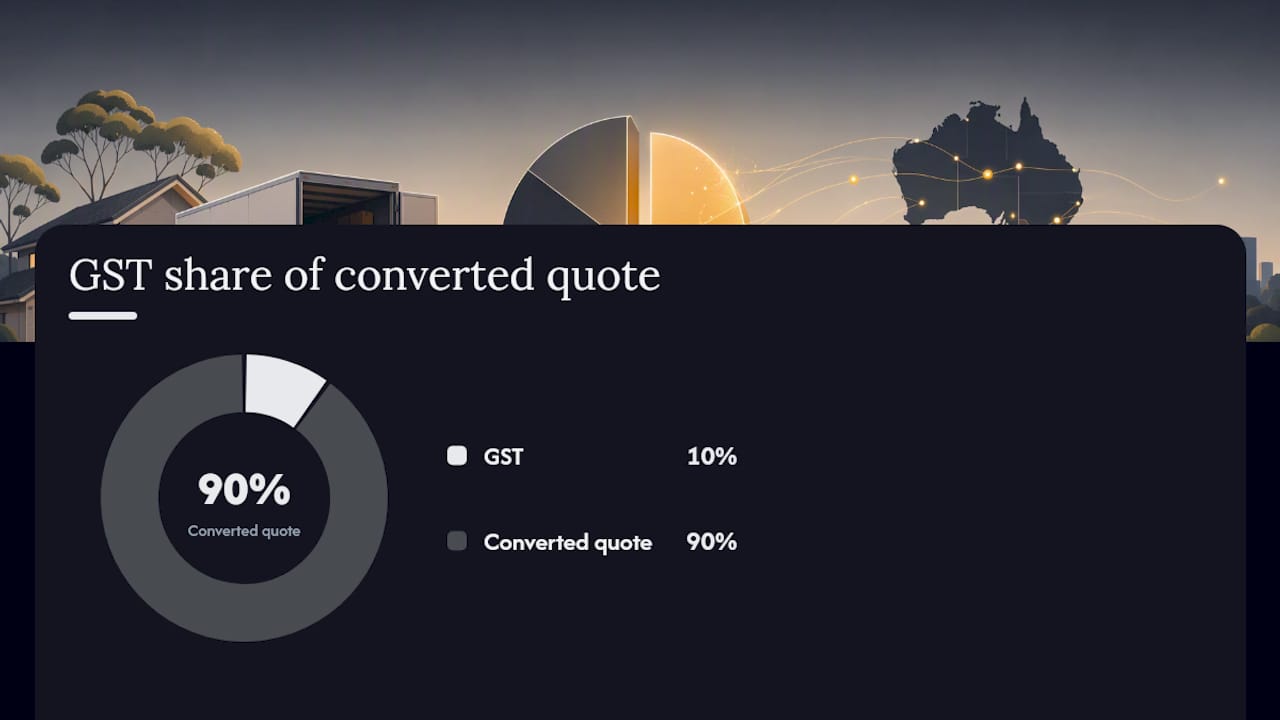
| Australian cost adjustments | Add GST (10%), higher labour rates, longer freight distances, and council permit fees to any converted figure. |
| Month-to-month billing risk | Container rental bills monthly; storage that runs long adds a full extra month’s charge with no pro-rata. |
| Onyx Removals next step | Get an itemised Australian quote from Onyx Removals to compare against US reference pricing. |
Understanding the fee structure matters more than any single headline figure, because the total pack rat moving cost is almost always the sum of several separate charges. Here is how each line item typically works, using Pack-Rat’s US model as the reference.
Core fee components:
Seasonality also affects price. Move notes that summer and early autumn are peak periods for container moves, which pushes prices higher across the board.
Pro Tip: Ask any container provider one specific question before you sign: “What is included in the base quote, and what triggers an additional charge?” That single question forces the rep to name every conditional fee — waiting time, re-delivery, stair carry, long-carry distance — before you commit.
Pack-Rat and similar portable container services generally offer three container sizes. The right size depends on your home’s room count, not just its floor area, because furniture volume is what fills a container.
US ranges sourced from FreightWaves and Move. These are US dollar figures for US domestic moves only.
Move.org also highlights that Pack-Rat’s steel containers are a genuine differentiator over some competitors’ timber-framed alternatives, particularly for long hauls where structural integrity matters.
A few points on translating these figures to Australia:
Pro Tip: Never size down to save money on the container and then discover mid-pack that you need a second one. Overestimate by half a room. A slightly oversized container costs less than a second delivery fee.
Pack-Rat operates in selected US states only. It has no Australian network, no local depots, and no Australian pricing. If you have seen Pack-Rat mentioned in an Australian moving forum, the poster was either referencing US experience or using the term generically for any portable container service.
For Australian movers, the practical path is a local provider. Onyx Removals, based in Melbourne, offers the core services that make up a Pack-Rat-style move:
When requesting a quote from any Australian provider, supply these details upfront: property addresses (both ends), number of rooms and approximate volume of furniture, any access constraints (stairs, no-parking zones, narrow driveway), expected storage duration if needed, and whether you want packing labour included. The more specific you are, the more accurate the quote.
One cost that catches Australian movers off guard: council parking permits. In inner-city Melbourne and Sydney, a removalist truck or container pod needs a permit to occupy a parking bay or clearway. Permit costs and lead times vary by council. Some providers handle this; others leave it to you. Ask before you book.
Some US container providers partner with hourly labour platforms to supply loading and unloading help, as Move.org notes. In Australia, that labour is typically either included in a full-service quote or priced separately as an add-on. Knowing which model your provider uses changes your total cost significantly.
A reliable estimate requires more than a currency conversion. Work through these inputs before you call anyone.
A worked example (illustrative): A two-bedroom Melbourne-to-Brisbane move using a 12-foot-equivalent container. The US reference range for a comparable long-distance move is roughly US$2,500–$4,000. Converting at a representative rate gives approximately A$3,900–$6,200. Add professional loading and unloading labour (two people, four hours each end): roughly A$600–$900. Add a council parking permit at the Melbourne end: A$80–$200 depending on the council. Total realistic range: A$4,970–$7,920, before insurance.
That is a meaningful gap from the raw currency conversion, and it is why US Pack-Rat pricing is a floor reference, not a ceiling.
Questions to ask when getting a quote:
For a step-by-step guide to getting a reliable local quote, securing accurate home removal quotes walks through exactly what information to prepare.
Three models dominate the Australian moving market. Each has a different cost structure and suits a different type of move.
Drop-off container (Pack-Rat style)
You pack and load at your own pace; the provider delivers and collects the container. Pricing is typically a flat container fee plus transport. Storage between homes is straightforward because the container stays put. The downside: you pay for the container whether it is full or not, and month-to-month billing punishes slow packers. Best for moves where you want flexibility on timing and have the labour to load yourself.
Shared truck or consolidated freight
Your belongings share space on a truck with other customers’ goods. You pay per cubic metre or per item, not for a whole container. This is often the most affordable pack rat move equivalent for smaller loads or partial-house moves. The trade-off is a less flexible delivery window, since the truck runs on a consolidated schedule. Shared truck moving in Melbourne explains how this model works locally.

Full-service removalist
The provider supplies the truck, the labour, and the packing materials. You pay more per hour or per job, but you do nothing except point and direct. For interstate moves or households with large furniture, the time saved often justifies the cost. This is the model Onyx Removals specialises in.
Pro Tip: If you need storage between homes for more than six weeks, compare the cost of a month-to-month container rental against booking a dedicated storage unit separately and using a single long-haul freight run. The consolidated freight plus separate storage often works out cheaper once the container rental compounds past the second month.
Seasonality affects all three models. Peak periods (December through February in Australia, when school terms change and leases turn over) push prices up across the board. Booking four to six weeks ahead and avoiding weekend delivery slots can reduce costs noticeably.
Currency conversion is the first adjustment, but it is nowhere near the last. Australian movers who use a US Pack-Rat quote as a budget baseline consistently underestimate their costs.
Adjustments to add to any converted US figure:
A US long-distance quote of US$3,000 (roughly A$4,650 at current rates) becomes A$5,115 after GST, then climbs further once labour, permits, and freight distance are factored in.
Budget relocation strategies for Australian moves cover several ways to reduce these add-on costs without cutting corners on coverage.
The cost item that surprises people most is not the container itself. It is the failed delivery charge.
If the container arrives and the driver cannot access your property — because a car is blocking the driveway, the council permit has not been arranged, or the building manager is unavailable to open the loading dock — the truck leaves and you pay a re-delivery fee. In some cases that fee equals the original delivery charge. It is entirely avoidable, but it requires coordination that people underestimate when they are already stressed about the move itself.
Onyx Removals handles permit applications and site access coordination as part of the move planning process, which removes that risk. Trustpilot reviews for 1-800-PACK-RAT show a pattern of delivery punctuality complaints that reflects exactly this kind of coordination gap — worth reading before you assume any container provider will manage access logistics on your behalf.
Portable container moves in Australia cost more than a US Pack-Rat quote suggests, and the gap is widest when you add labour, permits, and GST. Onyx Removals is the practical local answer: a Melbourne-based removalist that covers residential moves, interstate transport, packing and unpacking, and temporary storage under one quote.
Where a US container service drops off a box and leaves, Onyx coordinates the full move: site access, council permits, loading labour, and storage if you need a gap between homes. The quote reflects Australian rates from the start, so there is no conversion arithmetic or surprise GST line at the end.
For residential removals in Melbourne and beyond, Onyx provides itemised quotes based on your specific home size, postcodes, access conditions, and storage needs. Request a quote online, compare it against any US reference figure you have gathered, and you will immediately see what a locally priced move actually looks like.

No Related Post


