



Sustainable transport solutions are changing how cities move people and goods. You might think this is just about swapping out petrol for electric cars. The real surprise is that transport makes up around 18 percent of Australia’s total greenhouse gas emissions and tackling this can reshape the health, air quality, and even the liveability of our cities in ways most Aussies have never imagined.
| Takeaway | Explanation |
|---|---|
| Prioritise minimal carbon emissions. | Sustainable transport aims to drastically reduce greenhouse gas outputs from transportation systems. |
| Transition to electric and eco-friendly vehicles. | Electrification and alternative energy solutions decrease reliance on fossil fuels and improve energy efficiency. |
| Implement integrated mobility networks. | Comprehensive transportation ecosystems enable smooth transitions between different transport modes, enhancing urban mobility. |
| Adopt smart technologies for transport efficiency. | Advanced traffic management and digital platforms optimise routes, alleviate congestion, and lower emissions. |
| Enhance urban health through sustainability. | Cleaner transport options lead to better air quality, improving public health and community well-being. |
Sustainable transport solutions represent comprehensive strategies designed to minimise environmental impact while efficiently moving people and goods across urban and regional landscapes. These innovative approaches prioritise reducing carbon emissions, improving energy efficiency, and creating more environmentally friendly transportation networks.
At its foundation, sustainable transport focuses on developing mobility systems that balance ecological responsibility with practical transportation needs. The primary objectives include:
Sustainable transport solutions encompass a wide range of strategies that transform how communities move. These include electrification of public transit, development of cycling infrastructure, expansion of pedestrian zones, and implementation of smart transportation technologies that optimize route efficiency.
The impact of sustainable transport extends far beyond reducing carbon footprints. According to Climate Council of Australia, transportation represents approximately 18% of Australia’s total greenhouse gas emissions, making sustainable solutions critical for national climate goals.
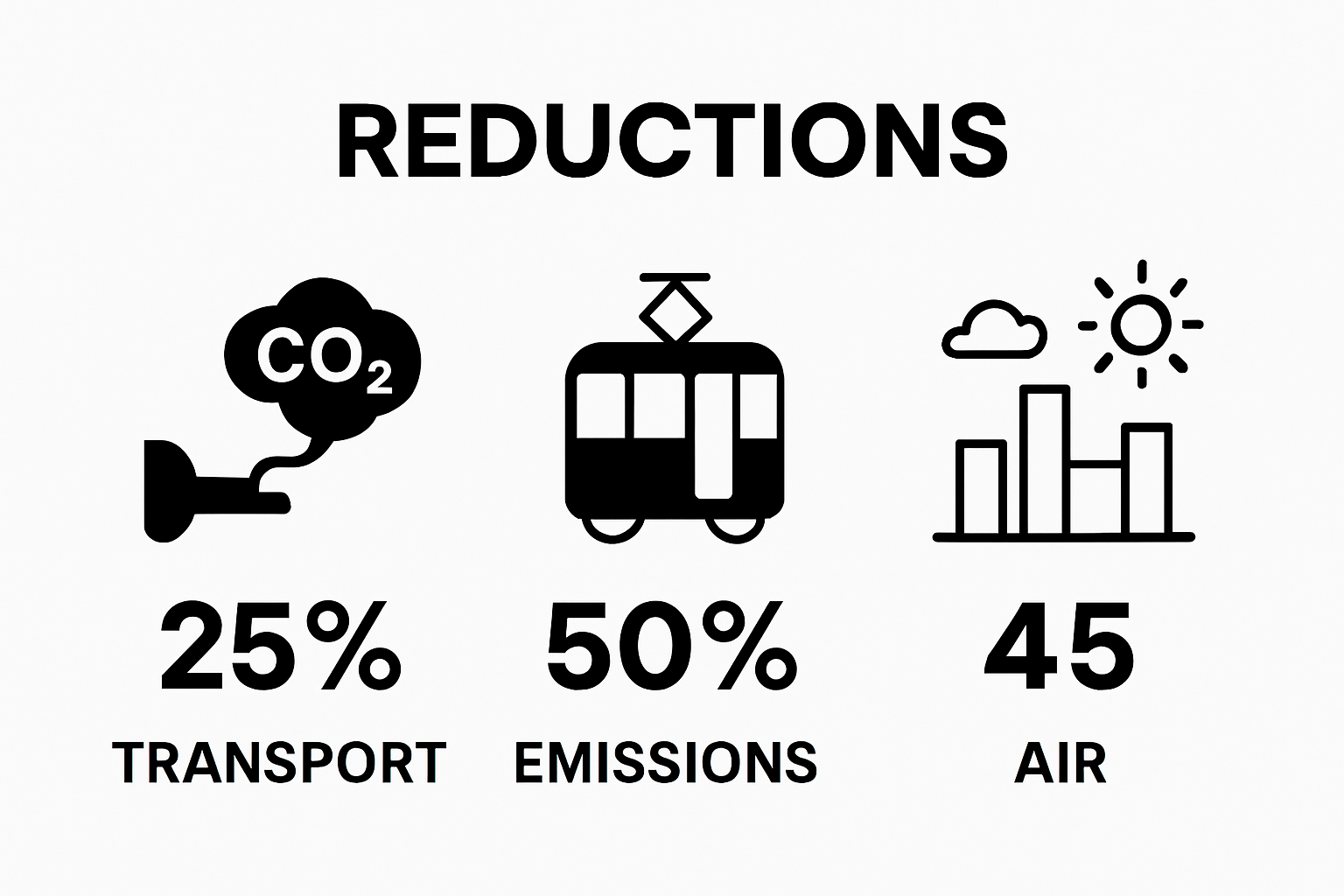
By transitioning to more environmentally conscious transportation models, cities can simultaneously address multiple challenges.
To help readers compare the main principles and impacts, the following table summarises the environmental and social benefits highlighted in the article.
| Benefit Area | Description |
|---|---|
| Emissions Reduction | Reduces total greenhouse gas outputs from transport systems |
| Improved Air Quality | Lowers pollution, leading to healthier urban environments |
| Less Traffic Congestion | Supports smoother traffic flow and reduces reliance on private cars |
| Enhanced Public Health | Cleaner air and more active mobility improve physical wellbeing |
| Greater Liveability | Creates more connected and pleasant urban communities |
| Biodiversity Protection | Minimises environmental stress on local ecosystems |
| Efficient Urban Design | Promotes compact, energy-efficient cities |
Melbourne, with its progressive urban planning approach, stands at the forefront of implementing sustainable transport solutions. From expanding electric bus networks to developing dedicated cycling corridors, the city demonstrates a commitment to reimagining urban mobility through an ecological lens.
The significance of sustainable transport solutions extends far beyond simple mobility considerations. These strategies represent a critical approach to addressing climate change, reducing environmental degradation, and creating healthier urban ecosystems for current and future generations.
Transport sectors are major contributors to global greenhouse gas emissions, with significant implications for environmental sustainability. According to Victorian Government Environmental Research, transport represents a substantial portion of Victoria’s total carbon footprint, making sustainable solutions imperative for meaningful climate action.
Key environmental challenges addressed by sustainable transport include:
By transitioning towards greener transportation models, communities can dramatically reduce their ecological footprint and contribute to broader climate mitigation strategies.
Sustainable transport solutions offer multifaceted benefits that extend beyond emissions reduction. These approaches directly contribute to improving urban environmental quality by:
The interconnected nature of sustainable transport means that environmental improvements translate into tangible health benefits for urban populations. Cleaner air, reduced noise pollution, and more integrated green spaces contribute to improved community wellbeing and ecological resilience.
Moreover, sustainable transport represents a holistic approach to urban planning that recognises the delicate balance between human mobility needs and environmental preservation. By reimagining transportation as an ecological system rather than merely an infrastructure challenge, cities like Melbourne can pioneer innovative solutions that protect and enhance our natural environment.
Sustainable transport solutions operate through complex, interconnected systems that transform urban mobility by integrating advanced technologies, strategic infrastructure design, and innovative policy frameworks. These systems aim to create seamless, efficient, and environmentally responsible transportation networks that meet community needs while minimising ecological impact.
The core functionality of sustainable transport solutions revolves around creating comprehensive, interconnected transportation ecosystems. These networks prioritise multi-modal transportation options that allow individuals to smoothly transition between different modes of transport with minimal friction.
Key components of integrated mobility networks include:
According to City of Melbourne Transport Strategy, these integrated approaches enable more flexible and efficient urban movement patterns that reduce individual vehicle dependency.
Sustainable transport solutions leverage advanced technological systems to optimize transportation efficiency. Smart traffic management technologies, electric vehicle charging infrastructure, and digital mobility platforms work together to create intelligent transportation ecosystems.
Technological interventions facilitate:
These technological systems transform traditional transportation models by providing dynamic, responsive mobility solutions that adapt to changing urban requirements. By combining data analytics, infrastructure design, and user experience considerations, sustainable transport solutions create more intelligent and environmentally responsive urban mobility frameworks.
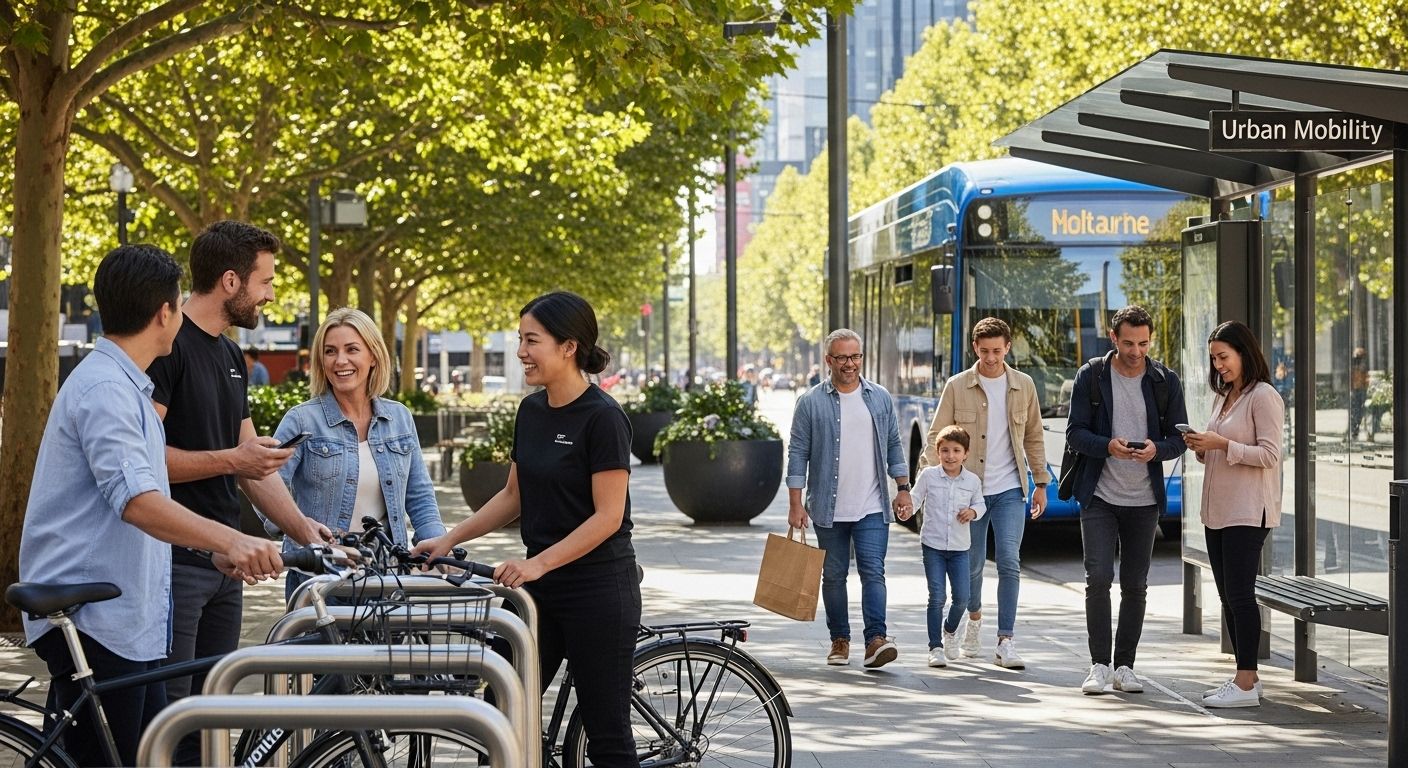
Sustainable transport solutions are grounded in sophisticated theoretical frameworks that reimagine mobility as a holistic, interconnected system balancing technological innovation, environmental responsibility, and human community needs. These foundational concepts provide the intellectual infrastructure for transforming urban transportation paradigms.
At the core of sustainable transport solutions lies ecological systems thinking, an approach that views transportation not as an isolated infrastructure challenge, but as an integrated component of broader environmental and social ecosystems. This perspective emphasises understanding complex interdependencies between transportation technologies, urban design, human behaviour, and ecological impact.
Key principles of ecological systems thinking include:
Sustainable transport solutions emerge from the intersection of technological capabilities and social innovation. According to Monash University’s Sustainable Development Institute, these solutions require reimagining not just technological infrastructure, but also social practices and cultural attitudes towards mobility.
Critical innovation dimensions include:
By combining technological advancement with nuanced understanding of human social systems, sustainable transport solutions can create more responsive, efficient, and environmentally conscious urban mobility frameworks that adapt to changing community needs and environmental challenges.
This table outlines the core principles of ecological systems thinking and technological/social innovation, giving a direct comparison of the key concepts underpinning sustainable transport solutions.
| Concept | Focus Area | Key Principles or Actions |
|---|---|---|
| Ecological Systems Thinking | Environmental and systems awareness | Views transport as part of a broader ecosystem; prioritises interdependence, adaptability, regeneration |
| Technological and Social Innovation | Technology, behaviour, culture | Develops clean transport tech, digital platforms; encourages sustainable behaviour and social change |
Are you striving to embrace sustainability and cut down your environmental impact during your next move in Melbourne? If you worry about rising transport emissions, urban congestion or simply want a cleaner relocation journey for your family or business, you’re not alone. As the article highlighted, creating efficient and eco-friendly transport systems is essential for both the planet and our daily well-being. We know that relocating isn’t just about moving boxes—it is about making choices that reflect your values and support a greener Melbourne.

Take action today by choosing a skilled removalist committed to both professionalism and sustainability. At Onyx Removals, our experienced team delivers personalised moving plans, clean fleet options and careful handling for every type of removal, whether residential or office. With our comprehensive moving services, you can enjoy a seamless and eco-conscious move, knowing every detail supports Melbourne’s vision of more sustainable transport. For a stress-free relocation focused on your needs and our environment, visit our homepage and get your tailored quote now.
Sustainable transport solutions are strategies designed to minimize environmental impact while effectively moving people and goods. They prioritize reducing carbon emissions, improving energy efficiency, and creating eco-friendly transportation networks.
These solutions improve air quality, reduce traffic congestion, and enhance public health by promoting cleaner transportation options. They contribute to more livable and connected communities through integrated mobility networks.
Technologies such as smart traffic management systems, electric vehicle charging infrastructure, and digital mobility platforms are utilized to optimize transportation efficiency and reduce congestion.
Individuals can support sustainable transport by using public transit, cycling, walking, and advocating for policies that promote environmentally friendly transportation options.

No Related Post


