



TL;DR:
- Interstate moving cost calculators estimate expenses based on volume, distance, and service level, helping families plan budgets effectively. A typical 3-bedroom move in Australia costs between $3,500 and $8,000, with total relocation expenses averaging around $7,676 when including additional costs. Precise volume measurement, timing, and transparent quotes are essential for accurate budgeting and avoiding unexpected fees.
An interstate moving cost calculator estimates your relocation expenses based on three core inputs: volume in cubic metres, distance between origin and destination, and your chosen service level. Used correctly, it gives you a working budget before you speak to a single removalist. Interstate moving costs in Australia range between $2,500 and $8,000 for standard household moves in 2026, with 3-bedroom homes typically landing between $3,500 and $8,000 depending on route and volume. Knowing this range before you request quotes puts you in a far stronger position to spot a fair price from an inflated one.
The standard industry term for the pricing method behind these calculators is “volume-based cubic metre pricing.” Removalists charge by volume, not weight, because truck space is the limiting factor on any long-haul run. That distinction matters: a household full of light but bulky furniture costs more to move than a compact collection of heavy boxes.
The typical cost formula is straightforward. Total cost equals volume in cubic metres multiplied by the base rate per cubic metre, plus a distance fee, plus any add-ons and insurance. Base rates in 2026 range between $60 and $150 per cubic metre for typical Australian routes. A calculator applies this formula automatically once you enter your details.
Most online calculators ask for your home size, your origin and destination postcodes, and whether you want a basic, standard, or full-service move. Each variable shifts the estimate meaningfully. A Sydney-to-Melbourne run costs less per cubic metre than a Melbourne-to-Perth run because of the greater distance and fewer backloading opportunities on the longer route.
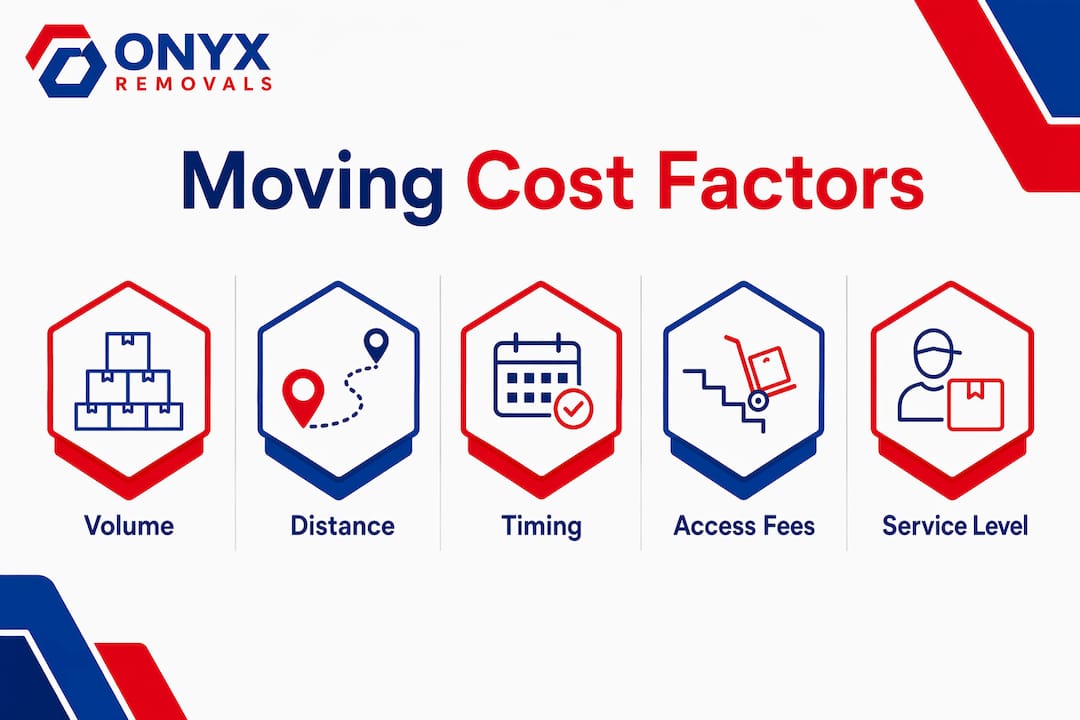
Volume is the single biggest driver of moving company cost. The table below shows typical price ranges by home size for 2026 Australian interstate moves.
| Home size | Estimated volume | Typical cost range |
|---|---|---|
| 1-bedroom | 10–15 m³ | $2,500–$4,000 |
| 2-bedroom | 15–25 m³ | $3,000–$5,500 |
| 3-bedroom | 25–35 m³ | $3,500–$8,000 |
| 4-bedroom+ | 35–50 m³ | $5,000–$10,000+ |
Service level is the second major variable. Three tiers dominate the Australian market:
Timing affects movers cost more than most families expect. Peak seasons drive prices up by 15% to 30%. December, january, and the school holiday periods in april and september are the most expensive windows. Booking in winter or mid-term reduces your exposure to those surcharges.
Access fees are a frequently overlooked cost. Limited truck access such as stairs, narrow driveways, or lifts can add $150 to $300 to your final bill. Disclose every access detail when you request a quote, not on moving day.
Pro Tip: Ask each removalist to itemise access fees, fuel levies, and insurance separately. A low headline price with undisclosed add-ons often costs more than a transparent higher quote.
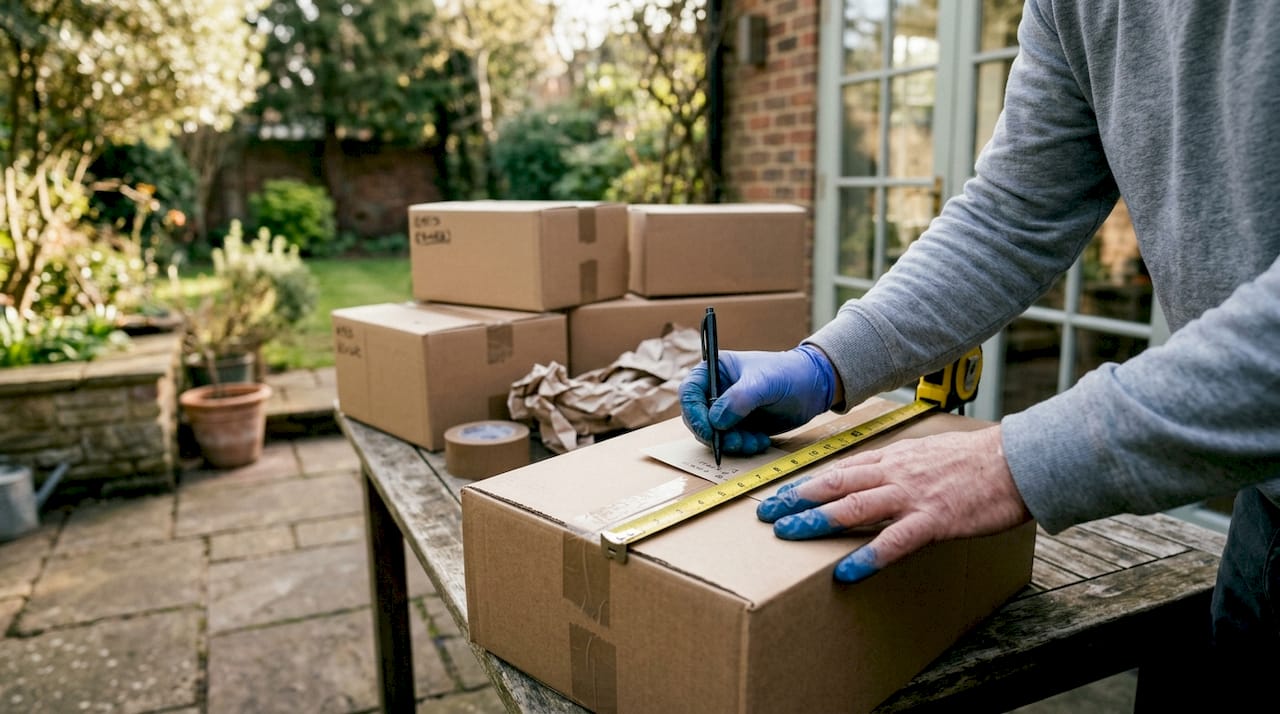
Volume accuracy is the most important thing you can do to improve the reliability of any cost estimate. A rough guess of “3-bedroom house” can vary by 15 cubic metres depending on how much furniture you own. That gap translates directly into hundreds of dollars on your final invoice.
Average volume ranges by home size give you a starting point:
Decluttering before you request quotes is the most effective way to reduce your volume and your bill. Selling, donating, or disposing of items you no longer need directly lowers the cubic metres a removalist must transport. A garage sale or a few listings on Facebook Marketplace can cut your volume by 5–10 m³ and save you several hundred dollars.
Bulky or special items need separate attention. A piano, a ride-on mower, a large spa, or an oversized wardrobe each adds volume and may require specialist handling fees. List these items explicitly when using any calculator or requesting a quote.
Pro Tip: Walk through each room with a notepad and list every item larger than a bar fridge. Add up the rough dimensions using a tape measure. This simple inventory takes 30 minutes and produces a far more accurate volume estimate than guessing by room count alone.
An online interstate moving cost calculator is a starting point, not a final price. Online calculators often miss bulky items, garage storage, or complex access situations that significantly affect the final quote. Treat the output as a budget range, not a binding figure.
To get the most from a calculator, follow these steps:
After using a calculator, the next step is a professional survey. A virtual assessment via video call or an in-home visit gives a removalist the detail they need to produce an accurate, binding quote. Professional surveys replace guesswork with verified volume and access data. For moves above $5,000, this step is worth the time.
Pro Tip: Request at least three quotes using a standardised inclusions list. Comparing three quotes with identical line items reveals the true price difference between removalists, not just the headline figure.
The professional movers cost is only part of your total relocation spend. Total relocation costs average around $7,676 when you include removalist fees, utilities, re-registration, packing, and storage. Planning for these additional expenses prevents budget blowouts in the weeks after your move.
Key costs to include in your full budget:
Advance planning of at least 8 weeks gives you the best chance of securing off-peak rates and managing tasks like school enrolment and vehicle re-registration without last-minute pressure. Families who book late consistently pay more and have fewer service options available.
An accurate interstate moving budget requires volume, distance, service level, and total relocation costs to be calculated together, not just the removalist fee in isolation.
| Point | Details |
|---|---|
| Volume drives price | Removalists price by cubic metres, so decluttering before quoting directly reduces your cost. |
| Calculators are guides | Online tools produce estimates, not binding quotes; always follow up with a professional survey. |
| Timing affects cost | Booking outside peak seasons (december, january, school holidays) saves 15%–30% on moving company long distance rates. |
| Budget beyond transport | Total relocation costs average $7,676 when storage, utilities, re-registration, and packing are included. |
| Compare three quotes | Use a standardised inclusions list to compare movers near me prices accurately across at least three removalists. |
Most families underestimate their interstate move budget by focusing only on the removalist quote. The transport cost is the largest single line item, but it rarely tells the full story. I’ve seen well-organised families get caught out by storage fees when settlement dates shifted, or by access surcharges at a new apartment building nobody thought to mention during quoting.
The advice I give every time is this: treat the calculator output as your floor, not your ceiling. Build your budget upward from that figure by adding insurance, packing, storage, and a 10%–15% contingency. That approach produces a realistic number rather than a wishful one.
Flexible moving dates are genuinely worth money. If you can move mid-week in june or july rather than a friday in january, you will pay less and have more removalist options available. The movers from state to state cost varies more by timing than most families realise until they have already locked in a date.
Hidden fees are the most common complaint I hear after moves. Ask every removalist directly: “What is not included in this quote?” A good removalist will answer clearly. One who deflects or gives vague answers is showing you something important about how they operate. Detailed conversations before you sign protect you far more than reading the fine print after the fact.
— Dinshaw
Onyx Removals provides transparent, itemised quotes for interstate residential moves from Melbourne, covering transport, packing, storage, and specialty items in a single conversation.

Getting an accurate figure starts with a proper assessment, not a generic online form. Com offers both in-home and virtual quote services so you receive a price based on your actual volume and access conditions, not a bedroom-count estimate. The residential moving services Com provides include full packing, unpacking, and storage options to suit a range of budgets. For families who want a clear, no-surprise quote before committing to a move date, requesting a personalised assessment through the Com website is the most reliable next step.
The standard formula is: total cost equals volume in cubic metres multiplied by the base rate per cubic metre, plus a distance fee, plus add-ons and insurance. Base rates range between $60 and $150 per cubic metre depending on the route.
A 3-bedroom home typically costs between $3,500 and $8,000 for transport alone in 2026, based on a volume of 25–35 cubic metres. Total relocation costs including storage, packing, and utilities average around $7,676.
Online calculators provide useful budget ranges but cannot replace a professional survey. They often miss bulky items, garage contents, and access complications that affect the final quote.
Mid-week moves in winter months, particularly june and july, attract the lowest rates. Peak seasons in december, january, and school holiday periods can increase costs by 15%–30%.
Backloading means your goods share truck space with another customer’s load on a return trip. It reduces moving costs by 30%–50% but comes with less flexible delivery windows, making it best suited to moves where timing is not critical.

No Related Post


