



Compare moving services by asking for two to three itemised quotes, then normalise them against the same six factors: crew size, travel charging, insurance, deposit terms, surcharges, and inclusions. Choose the provider with the best combined estimated total, not the cheapest hourly rate.
Five terms quietly decide what you actually pay:
Request itemised quotes from each provider today and record these six data points side by side before you commit.
Comparing moving services accurately means normalising crew size, travel charges, insurance, deposits, and surcharges into one estimated total, then choosing on that total plus cover.
| Point | Details |
|---|---|
| Compare totals, not rates | A higher hourly rate with a bigger crew can still finish cheaper overall. |
| Convert travel rules to dollars | Multiply estimated travel hours by the hourly rate to expose hidden depot-to-depot costs. |
| Check the insurance type | Limited liability typically only pays out for proven negligence, unlike transit insurance. |
| Watch deposits and cancellation windows | Some deposits become non-refundable inside 48 to 72 hours’ notice. |
| Onyx Removals matches the checklist | Itemised quotes, facilitated insurance, and sized crews reduce the risk of budget surprises. |
A quote without these details is a quote you cannot compare against anything else. Missing itemisation is the clearest sign that surprise charges are coming later.
Run every quote against this list:
A proper quote itemises labour, vehicle costs, packing materials, disassembly and reassembly, and GST separately, so you can see exactly where your money goes.
Pro Tip: Ask every provider to send their quote as a line-by-line PDF, not a single lump figure in an email. If they resist, that alone tells you something about how they’ll handle the invoice.
The pricing structure a mover uses tells you where the financial risk sits, and it sits with either you or them.
A two-hour job quoted hourly at a low rate can finish more expensive than a fixed quote from a company that simply works faster with a bigger crew.
Comparing moving company quotes only works when every number sits in the same units. Here’s the method.
Pro Tip: Run this same six-row comparison for every quote you get, even the ones you’re inclined to dismiss. A higher hourly rate with a bigger crew often finishes cheaper overall because the job wraps up in fewer billed hours.
For a wider walkthrough of this process, our guide to comparing moving quotes covers the same steps with worked examples.
Ask the same short set of questions to every company so their answers actually line up.
Walk away from any provider who won’t put a quote in writing, quotes suspiciously low with vague travel terms, dodges questions about subcontracting, can’t confirm a business address or insurance details, or demands a large non-refundable deposit upfront. Record every answer in the same spreadsheet columns you used for pricing, so weak answers show up as clearly as weak numbers.
A two-person crew with a truck commonly costs $100 to $150 per hour in Australian capital cities, with each additional mover adding roughly $40 to $50 per hour to the rate.
Distance is the biggest driver beyond crew size. Interstate moves need a bigger truck, more fuel, and sometimes tolls, all of which show up as separate line items. Stairs and long carries from the truck to your front door add time that hourly quotes will bill for and fixed quotes should already have factored in.
Timing matters too: weekend, end-of-month, and school holiday bookings commonly run 20 to 30% above off-peak rates. A fixed price locked in during a quiet period can save real money, but the same fixed price agreed for a peak Saturday with an unclear inventory can backfire if the mover under-quoted the job.
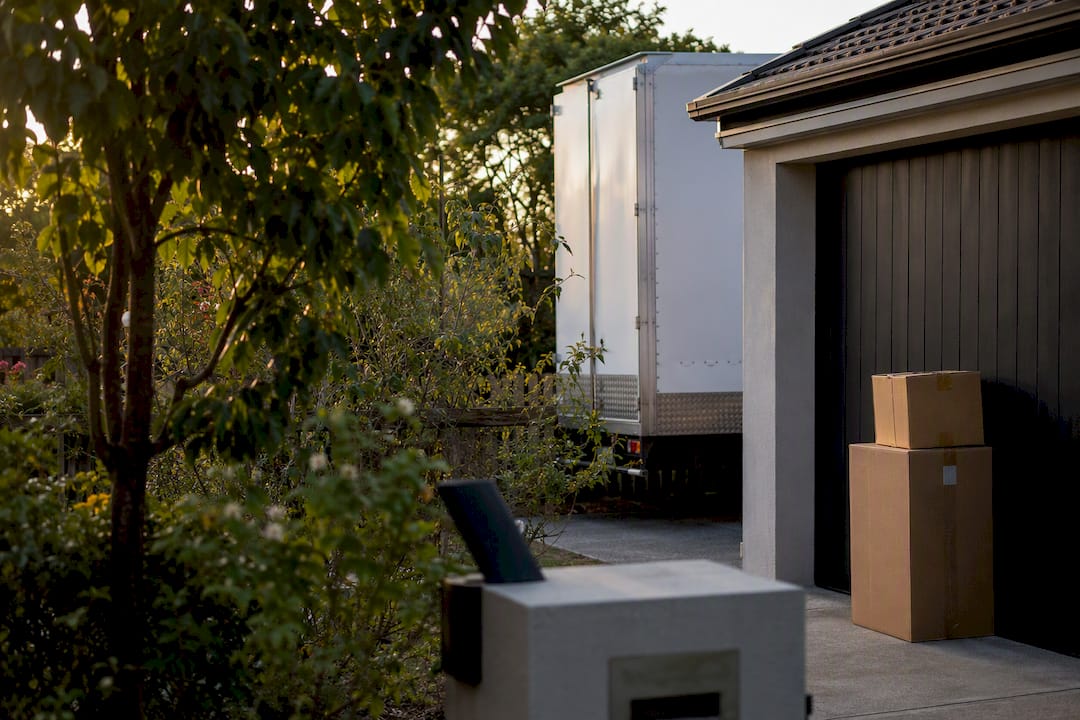
Onyx Removals builds every quote around the same checklist outlined above, because that’s what actually protects a customer once moving day arrives.
Readers comparing residential versus commercial moving needs can check which service category applies before requesting a quote, and our Melbourne removalist comparison guide breaks the local market down further.
| What matters | How Onyx Removals addresses it |
|---|---|
| Itemised pricing | Quotes break out labour, vehicle, packing, and surcharges line by line |
| Insurance clarity | Limited liability and transit insurance options are explained before booking |
| Crew sizing | Jobs are staffed to match the inventory, reducing hourly blowouts |
Most clients I’ve seen get burned didn’t get scammed. They just booked the lowest hourly number without asking about travel time or minimum hours, then were shocked by the invoice. Ask for the total estimate in writing before you book, not just the rate.
— Dinshaw
Getting three quotes and normalising them by hand takes time most people don’t have in the middle of a move. Onyx Removals removes that guesswork by giving Melbourne customers itemised pricing from the first conversation, so you’re comparing a real total instead of a headline rate.

We handle residential and commercial removals, packing and unpacking, short-term storage, and waste disposal as one coordinated job rather than separate bookings you have to chase down yourself. If you’re weighing up whether your move counts as residential or commercial for quoting purposes, our guide to residential versus commercial moves will clear that up in a few minutes. From there, request an itemised quote through our site and see exactly where your budget goes before you commit to a date.
For deeper detail on reading a quote line by line, see how to read a removalist quote and Choice’s guide to finding a removalist. For current cost benchmarks, check Airtasker’s removalist cost data, and for a partner’s take on service quality, see this review breakdown.

No Related Post


