



The single biggest factor in a stress free move is sequencing: lock in the tasks with a hard deadline first, everything else second. That means booking your removalist, giving lease notice, and ordering internet before you touch a packing box. Layer in a proper declutter, a labelled room-by-room pack, and an essentials box for night one, and most of the chaos people associate with moving day simply doesn’t happen.
TL;DR:
- Booking removalists, internet, and lease notice at least six weeks ahead prevents last-minute delays and unexpected costs.
- Decluttering before packing and labeling every box on two sides with a detailed inventory reduces unpacking time and potential damage claims.
- Comparing volume-based quotes and asking about insurance and hidden costs ensures accurate budgeting and avoids surprises.
- Managing access, confirming arrival times, and preparing for weather delays on moving day help prevent chaos and damage.
- Hiring professionals for fragile, high-value, or bulky items saves time, reduces risk, and ensures proper handling during the move.
Most moving stress comes from the same handful of mistakes: booking a removalist too late, forgetting to give lease notice, or discovering the internet won’t connect for two weeks. Starting preparation eight to twelve weeks out and working from a week-by-week checklist fixes this before it becomes a problem. The trick is ordering tasks by risk, not by how easy they feel. Date-locked jobs like lease notice, removalist bookings and internet orders go first because they’re the ones that quietly wreck a move if left too late.
Keep photocopies (or photos) of leases, ID, and insurance documents in one folder. It’s a small task that saves a scramble later.
Packing a house full of things you don’t want is the fastest way to blow a budget and a Saturday. Sort every room with a simple five-way split: keep, donate, sell, recycle, discard. Do this before a single box comes out, not while you’re mid-pack and exhausted.
Once you know what’s actually moving, pack with a system rather than by instinct.
An inventory spreadsheet with three columns, item, box ID, and destination room, turns a hunt for the kettle into a 30-second job. It also makes an insurance claim far less painful if something’s damaged in transit. For breakables specifically, a dedicated fragile-packing approach reduces breakage rates more than generic bubble wrap ever will.
Pro Tip: Pack a box per room labelled “open first” containing tools, extension cords, and cleaning spray. It saves you digging through ten boxes on day one.
If you’re decluttering a genuinely full house, a room-by-room decluttering guide is worth a read before you start, particularly for working out what to do with things you can’t easily donate or bin yourself.
Book four to six weeks ahead for a local move, six to eight weeks for interstate. Removalists book out fast around the end of the month, when most leases turn over, so the “I’ll sort it next week” approach usually means paying more for whoever’s left.
When comparing quotes, ask:
Insist on a proper volume estimate rather than a flat quote for anything beyond a one-bedroom unit. It’s the single biggest driver of “surprise” costs on the day. Our guide on how to choose a removalist company walks through the comparison in more detail.
Moving day tips only matter if someone’s actually managing the day, not just hoping it goes to plan. Confirm arrival windows the night before, and check parking and building access, especially for apartments with lift bookings or loading dock time slots.
Our moving day practices guide covers communication with your crew in more depth if you’re managing a bigger household.
Pack this box last and open it first: medications, phone chargers, a basic toiletries kit, one set of bedding per person, and a folder with leases, ID, and insurance papers. Add a kettle, mugs, and something for breakfast, small comforts matter more than people expect on night one.
Once you’re in, prioritise:
For kids and pets, set up one familiar room early with their bedding and a couple of toys. It gives them a stable base while the rest of the house is still boxes.
Work room by room, not box by box: bedroom, bathroom, and kitchen first, since they cover sleep, hygiene, and food. Assemble beds and any furniture you’ll need in the first few days before tackling anything decorative.
Booking early isn’t just about beating the calendar. Internet connections and removalist availability both run on lead times outside your control, which is exactly why they sit at the top of every credible moving checklist.
Professional crews disassemble furniture rather than force it through doorways, wrap corners and legs before anything touches a truck, and run an inventory sheet against every item loaded and unloaded. That process, not raw muscle, is what actually prevents damage.
Over half of people surveyed by Airtasker said they wished they’d paid for extra help after their move, usually because the DIY version took longer and cost more in indirect ways, injuries, damaged furniture, extra days off work, than the service would have.
Professional packing tends to earn its cost on high-value or awkward items: antiques, large artworks, and electronics that need proper crating rather than a roll of bubble wrap.
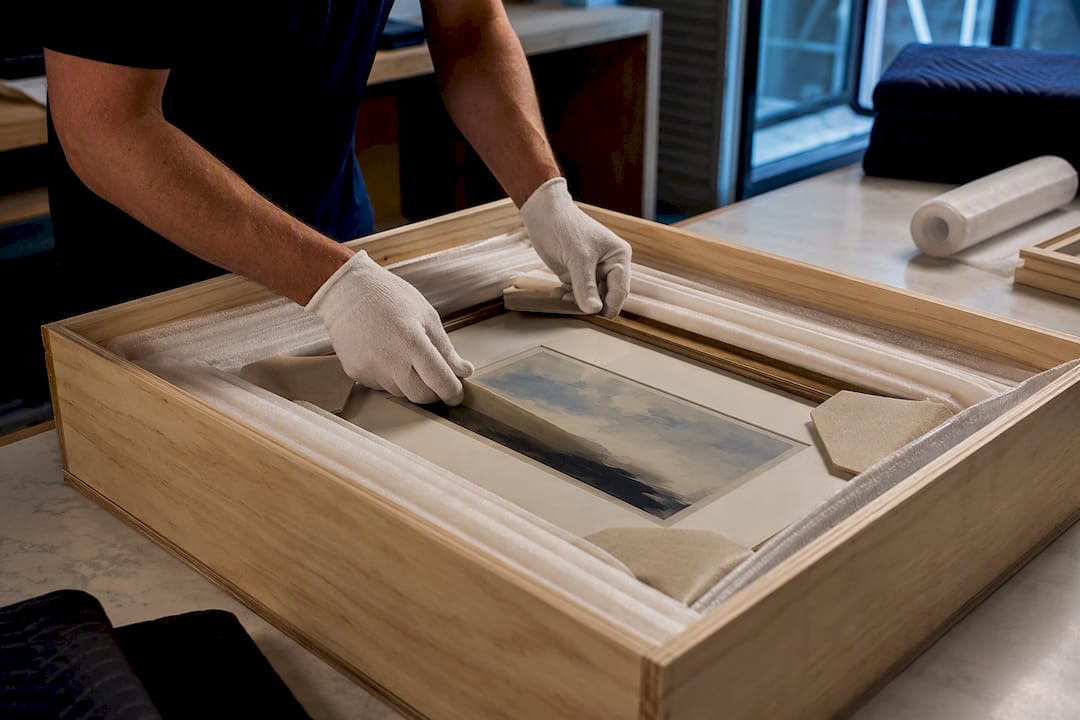
Pro Tip: If you’re only paying for one professional service, make it the fragile and high-value items. That’s where DIY packing goes wrong most often.
A move runs smoother when everyone in the house knows their job, not just the person holding the calendar. Sit down early, ideally at the eight-week mark, and split responsibilities by room or by task rather than leaving it vague.
Give kids age-appropriate jobs: packing their own toy box, choosing what goes in their essentials bag, or decorating their new room’s box with stickers so it feels like their move too, not something happening to them. Teenagers can take ownership of their own room’s packing and labelling, which also frees up your time for the harder logistics.
With roommates or a partner, agree on shared versus individual items before packing starts. It avoids the awkward moment of two people claiming the same saucepan on unpacking day. A shared spreadsheet or a group chat with photos of boxes as they’re packed keeps everyone aligned without constant check-ins.
If someone in the house is anxious about the move, kids especially, involve them in low-stakes decisions: which wall their bed goes against, what colour box is “theirs.” Control over small things reduces anxiety about the big change happening around them.
For pets, keep their routine as close to normal as possible in the lead-up. Don’t pack their bed or bowls until the last possible moment, and keep them in one closed-off room on moving day itself so an open front door doesn’t turn into an escape route.
Even a tightly run move hits at least one snag. The truck’s delayed, a lift booking falls through, or the previous tenants haven’t moved out of your new place yet. What separates a stressful day from a manageable one is having a rough plan for these before they happen, not scrambling in the moment.
Build in a two-hour buffer either side of your scheduled times. If the removalist is running late, confirm a revised arrival window early rather than waiting anxiously by the window. Keep your removalist’s phone number and your own agent’s or landlord’s number saved somewhere you’ll actually check, not buried in an email.
If access is blocked, no parking, a locked loading dock, a narrow stairwell nobody measured, have a fallback: a nearby loading zone, a caretaker’s number, or a smaller vehicle for a first trip. This is where that floor plan and doorway measurement from your planning phase earns its place.
Weather delays are common enough to plan for. Keep a few tarps or extra moving blankets on hand regardless of the forecast, and have a wet-weather path mapped for carrying items in if it turns.
If something breaks or goes missing, photograph it immediately and note it against your inventory sheet before emotions take over and details get fuzzy. Most disputes over damage come down to timing. The sooner it’s documented, the smoother the claim.
Financial stress during a move usually comes from costs nobody priced in, not the costs everyone expected. Removalist fees are rarely the surprise; it’s the packing supplies, the cleaning bond, the parking permits, and the extra weeks of storage that blow out a budget.
Start with a written estimate that separates fixed costs (removalist quote, cleaning, any permits) from variable ones (extra boxes, tape, replacement items).
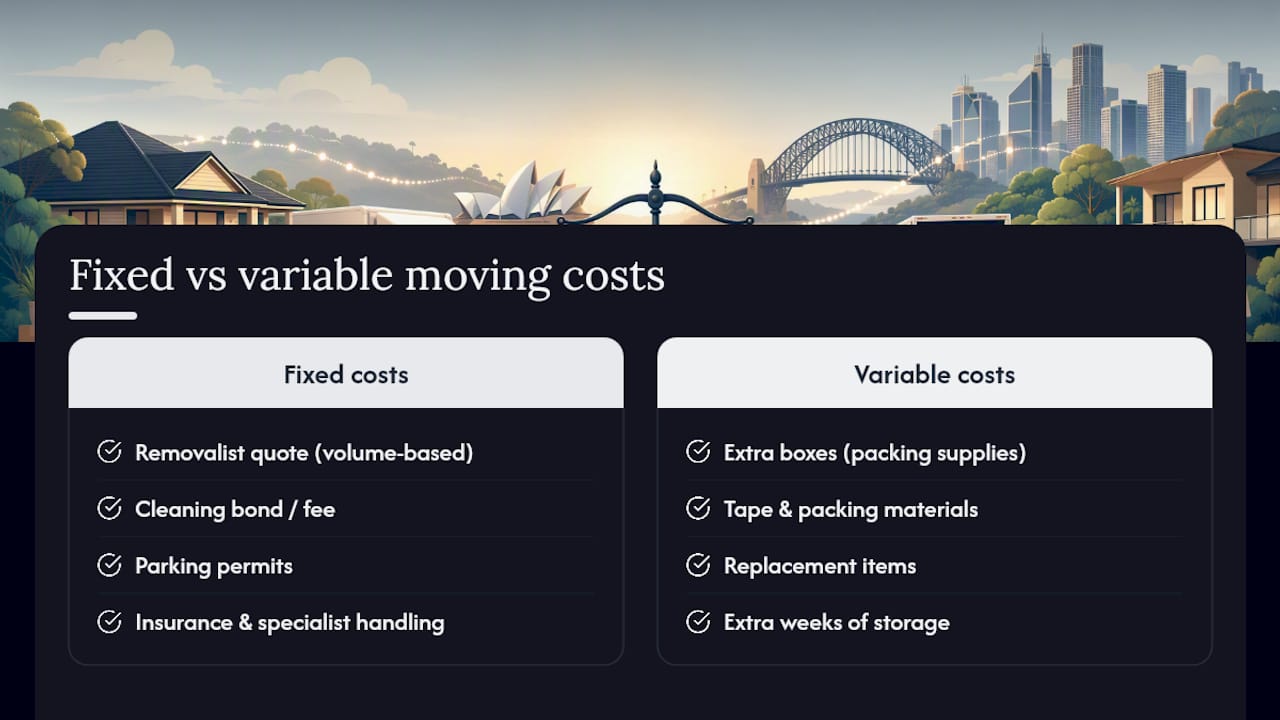
Compare removalist quotes on the same basis. A cheaper quote based on a phone guess can end up costing more than a higher quote based on an actual volume assessment, especially if it doesn’t include insurance or disassembly. Ask directly what’s excluded before you sign anything.
Where you can save without adding stress: source free boxes from local shops or community groups, do your own decluttering and selling instead of paying for disposal, and pack non-fragile items yourself while leaving the fragile or bulky work to professionals. Where you shouldn’t cut corners: insurance, and any specialist handling for items that are expensive or impossible to replace.
If your settlement or lease dates don’t line up neatly, short-term storage is often cheaper than a rushed second move or a break in your lease. Price it into your budget early rather than treating it as an emergency cost later.
Moving ranks among the more disruptive life events precisely because it hits sleep, routine, and a sense of control all at once. Protecting your own energy through it isn’t indulgent, it’s what keeps the logistics from falling apart.
Eat properly in the days around your move, even if it’s just easy, filling food. Packing week is not the week to run on coffee and takeaway grabbed standing up. Keep sleeping on a real bed until the last possible night; exhaustion makes every decision on moving day harder than it needs to be.
Build in short breaks during packing and moving day itself, ten minutes outside, a proper meal sitting down, a phone call to someone who isn’t involved in the move. It sounds small, but decision fatigue is real over a full day of choices, and stepping away briefly resets it.
Ask for help earlier than feels necessary, whether that’s a friend for an afternoon or a full removalist crew for the day. Trying to prove you can do everything yourself is one of the most common reasons moves become genuinely stressful rather than just busy.
Give yourself permission for the new place to be imperfect for a while. Boxes in the spare room for a fortnight aren’t a failure, they’re normal. The pressure to have everything unpacked and settled within 48 hours is self-imposed, and letting it go is often the biggest stress reliever of the whole process.
Some moves genuinely need professional hands, not just a spare Saturday and good intentions. Large households, tight settlement deadlines, or specialty items, pianos, artwork, gym equipment, are where DIY tends to cost more time and risk than it saves.
Onyx Removals builds each move around the deadline-first approach in this guide: locking in the booking early, planning access and parking in advance, and handling fragile or awkward items with proper equipment rather than guesswork. That’s the difference between a move that runs to plan and one that runs on hope.
If you’re weighing up how much to take on yourself, our complete guide to stress free house moving breaks down where professional help tends to earn its cost and where DIY still makes sense.
— Dinshaw
If reading this checklist has you thinking “I’d rather someone else run this,” that’s exactly what a managed move solves. Onyx Removals handles the parts that cause the most stress on this list, packing, fragile item handling, and moving-day logistics, so you’re not the one holding the whole schedule together.

Our Melbourne-based team covers residential removals, professional packing and unpacking, short-term storage, and specialist transport for awkward or high-value items, the exact categories where DIY moves tend to blow out in time and cost. Rather than a generic hourly quote, we assess volume and access properly upfront, so there are no surprise fees on the day.
If your move involves a tight settlement date, a full household, or anything fragile and irreplaceable, get a personalised residential removal quote from Onyx Removals and lock in your booking before the busy end-of-month window fills up.

No Related Post


