



Over 50 percent of Australian companies report that relocating their offices leads to noticeable gains in productivity and cost savings. The pressure to stay competitive and adaptable drives many Australian businesses to re-evaluate their locations and operational setup. Understanding what corporate moving means for businesses reveals how a well-planned relocation can unlock new growth opportunities, streamline operations, and help organisations attract better talent in the ever-evolving corporate landscape.
| Point | Details |
|---|---|
| Strategic Relocation Benefits | Corporate moving enhances operational efficiency, reduces costs, and creates opportunities for improved financial performance. |
| Employee Engagement and Culture | Relocations can invigorate staff by aligning workplace environments with corporate strategies, improving employee morale and attracting top talent. |
| Risk Management and Compliance | Navigating legal and regulatory challenges during corporate moves is crucial for minimising risks and ensuring compliance through thorough planning. |
| Growth and Market Expansion | Strategic location selection during relocations allows businesses to access new markets and improve networking opportunities, driving organisational growth. |
Corporate moving represents far more than simply transporting office equipment from one location to another. It is a strategic process that enables businesses to optimise their operational efficiency through carefully planned physical relocation. When companies decide to move, they are typically pursuing significant organisational objectives that extend well beyond changing physical addresses.
Businesses initiate relocations for multiple strategic reasons, with cost reduction being a primary motivator. Research from Camoin Associates reveals that companies frequently relocate to cities offering lower office space expenses and opportunities to consolidate business units. This approach allows organisations to streamline operations, reduce overhead, and potentially improve their financial performance.
Interestingly, corporate relocations are not solely driven by financial considerations. A compelling study in the International Review of Economics & Finance demonstrates that firms maintain their corporate social responsibility (CSR) commitments even during strategic moves. This suggests that modern businesses view relocation as a nuanced strategic decision that balances economic efficiency with broader organisational values. Key moving considerations typically include:
Ultimately, corporate moving represents a complex, multifaceted strategy that requires meticulous planning and execution. Successful relocations can transform a company’s operational landscape, providing opportunities for improved productivity, cost management, and strategic repositioning.
Corporate relocations are strategic investments that directly impact a company’s bottom line and operational efficiency. Research from CBRE reveals that businesses frequently relocate to optimise their real estate portfolios and access valuable tax incentives, creating opportunities for significant financial improvements.
Operational cost reduction emerges as a primary benefit of strategic corporate moves. Market research indicates that organisations can achieve substantial savings by relocating to areas with lower office space expenses and consolidating operational functions. This approach allows businesses to streamline processes, reduce overhead, and potentially redirect resources towards core business activities.
Beyond financial considerations, corporate moves can dramatically enhance workforce productivity. Strategically designed workspaces can:
Ultimately, a well-planned corporate relocation transforms more than physical location. It represents a comprehensive opportunity to reimagine organisational structure, boost operational efficiency, and position the business for future growth and competitive advantage.
Corporate relocations represent more than a physical move; they are powerful opportunities to reshape organisational culture and employee engagement. Research from CBRE highlights that strategic relocations can invigorate staff, aligning workplace environments with evolving corporate strategies and attracting top-tier talent.

Navigating the human side of corporate moves requires thoughtful, empathetic planning. Comprehensive relocation support becomes crucial in minimising employee anxiety and maximising transition success. Companies that invest in cultural training, language lessons, and local orientation programs demonstrate a commitment to employee wellbeing that goes far beyond simple logistical arrangements.
The talent advantages of strategic relocation extend well beyond immediate operational needs. Potential benefits include:
Ultimately, a well-executed corporate relocation transforms workplace dynamics, creating an environment where employees feel valued, supported, and excited about their professional journey.
Corporate relocations involve complex legal and regulatory landscapes that can expose businesses to significant risks if not managed carefully. Insights from BTR International highlight the critical importance of expert consultation in navigating immigration, tax, and compliance challenges during organisational moves.
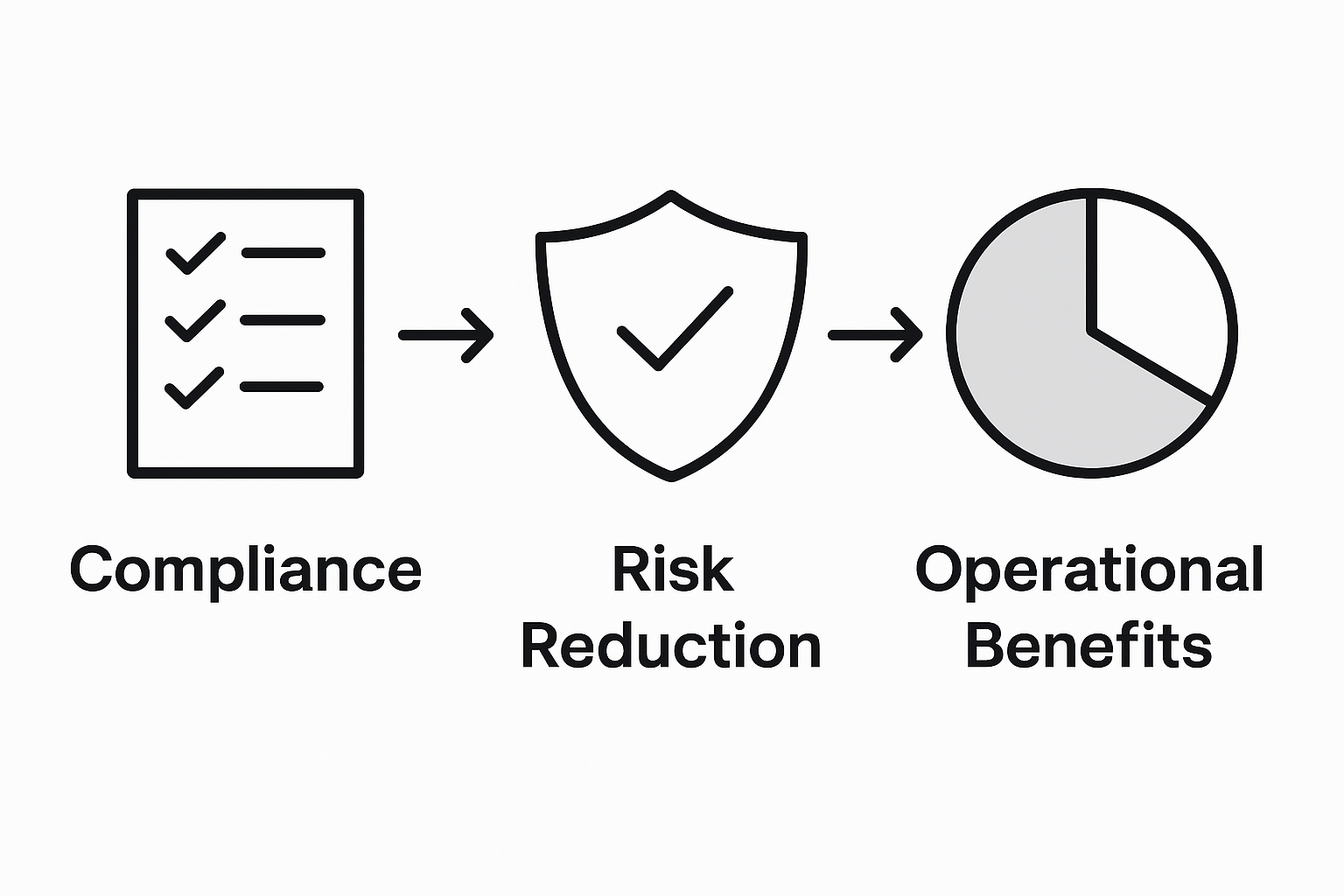
Successful risk mitigation requires a comprehensive approach that addresses multiple potential legal and operational vulnerabilities. Businesses must proactively develop strategies that encompass detailed planning, thorough documentation, and robust legal frameworks. This approach helps organisations minimise potential disruptions and ensure seamless transitions while maintaining full regulatory compliance.
Key compliance and risk reduction strategies include:
Ultimately, a well-planned corporate relocation transforms potential risks into strategic opportunities, allowing businesses to navigate complex regulatory environments with confidence and precision.
Corporate relocations are far more than simple geographical shifts; they represent strategic manoeuvres with profound implications for business expansion. CBRE’s comprehensive research reveals that companies strategically relocate headquarters to access new markets, customer bases, and position themselves advantageously within their competitive landscapes.
The economic ripple effects of corporate moves extend beyond immediate business interests. Economic research demonstrates that corporate relocations can stimulate local economic activity, creating symbiotic relationships between businesses and their new geographical environments. This interconnected dynamic transforms relocation from a logistical exercise into a nuanced strategic opportunity for growth and market penetration.
Strategic location selection offers businesses multiple growth advantages:
Ultimately, a well-executed corporate relocation becomes a powerful catalyst for organisational transformation, enabling businesses to reimagine their strategic potential and unlock unprecedented growth trajectories.
Corporate relocations involve complex challenges such as minimising operational costs, enhancing workforce productivity and ensuring compliance with industry regulations. If your organisation in Melbourne is ready to transform these challenges into strategic advantages, Onyx Removals offers tailored solutions designed specifically for business needs. With a deep understanding of the importance of seamless transitions, our team supports you to reduce downtime and improve employee satisfaction during every stage of your move.
Discover how our professional commercial services can streamline your corporate relocation. Visit our business removal services page for customised moving plans built around your goals. Act now to experience a stress-free move that boosts operational efficiency and supports your company’s growth ambitions. For trusted expertise and personalised support, explore https://onyxremovals.com.au and start your journey to a better workspace today.
Corporate moving offers several benefits including operational cost reduction, improved workforce productivity, enhanced employee satisfaction, and better access to strategic growth opportunities.
Strategic relocations can enhance productivity by creating better-designed workspaces that foster collaboration, reduce commute times, provide ergonomic environments, and enable advanced technology infrastructure.
Key considerations include operational cost savings, access to talent pools, workspace functionality, opportunities for infrastructure improvements, and positioning for future growth.
Relocations help businesses mitigate risks by ensuring compliance with legal and regulatory requirements, such as thorough documentation, immigration status verification, and alignment with workplace safety regulations.

No Related Post


