


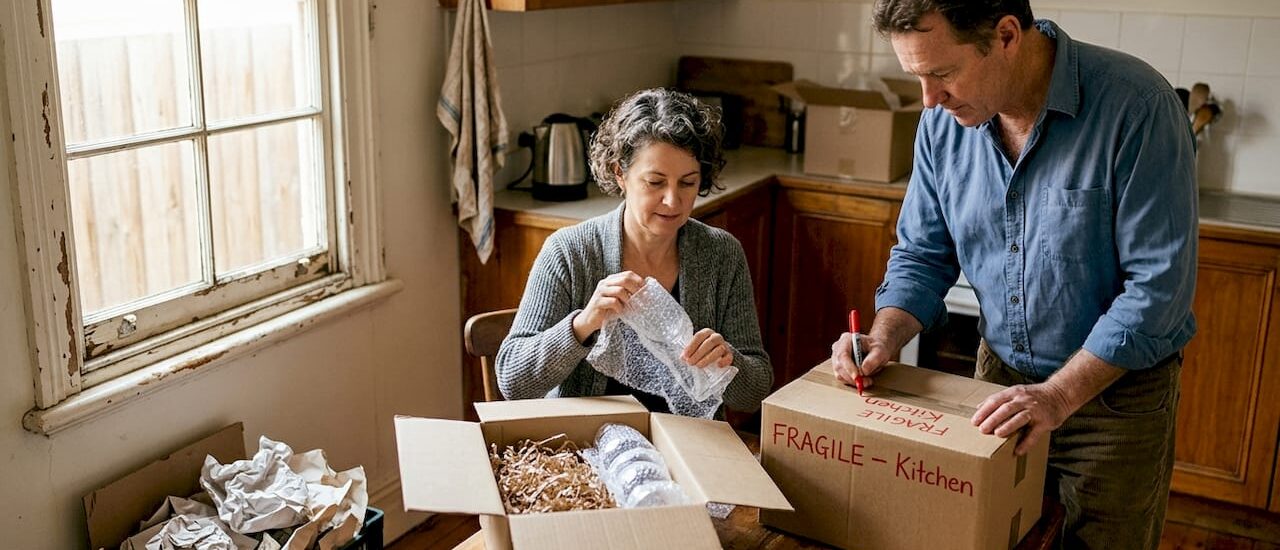
Moving fragile items safely is one of the most stressful aspects of relocating in Melbourne. Whether you’re transporting delicate glassware, priceless artwork, or sensitive electronics, the risk of damage looms large. Without proper preparation and handling techniques, even a short move across Melbourne can result in costly breakages. This guide walks you through every step of protecting your fragile possessions during transport, from initial preparation through to final verification, ensuring your valuables arrive intact at your new home or business premises.
| Point | Details |
|---|---|
| Preparation is critical | Gather specialised packing materials, clean items, and label boxes clearly before transport begins. |
| Professional handling reduces risks | Expert removalists use proven techniques and equipment that significantly lower damage rates. |
| Insurance protects investments | Declared value coverage safeguards high-value fragile items beyond standard moving insurance. |
| Verification prevents disputes | Inspect all fragile items immediately upon delivery and document any damage for insurance claims. |
| Early planning saves stress | Starting fragile item preparation weeks ahead allows time for proper wrapping and testing. |
Fragile items include glassware, ceramics, artwork, mirrors, electronics, antiques, and collectibles that Melbourne homeowners and businesses commonly need to relocate. These possessions share a vulnerability to physical stress that makes them prone to damage during moves. Understanding what threatens these items helps you implement protective measures effectively.
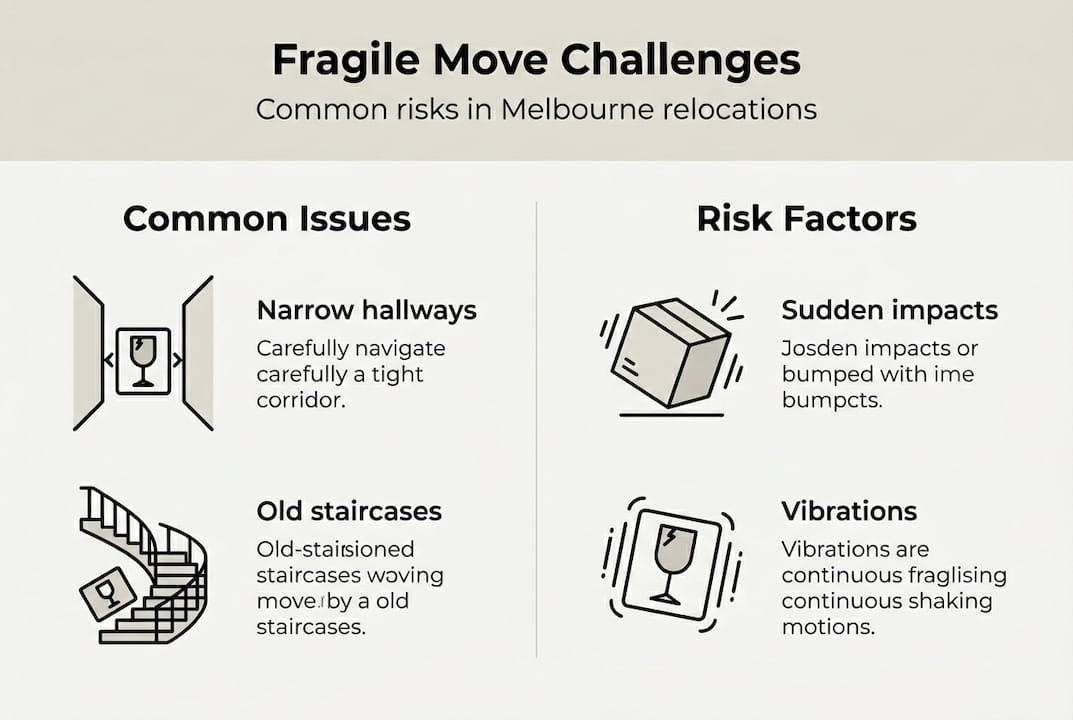
Several distinct risks endanger fragile belongings during transport. Fragile possessions are easily damaged due to vibrations, shocks, and improper handling throughout the moving process. The main threats include:
Each fragile item type responds differently to these stressors. Glassware shatters from impacts, electronics malfunction after vibration damage, and artwork deteriorates with moisture exposure. Recognising these specific vulnerabilities allows you to tailor your packing fragile items safely approach to each possession’s needs.
Melbourne’s diverse housing stock presents additional challenges. Moving fragile items from heritage homes with narrow staircases differs vastly from relocating business equipment from modern office buildings. Professional removalists account for these environmental factors when planning fragile item transport, adjusting techniques to suit your specific Melbourne property and destination.
The financial stakes are substantial. A single broken antique or damaged artwork can represent thousands of dollars in losses. Beyond monetary value, many fragile items carry irreplaceable sentimental significance. This combination of financial and emotional investment makes proper fragile item transportation absolutely essential for Melbourne movers.
Successful fragile item transport begins well before moving day. Gathering the right materials and completing preparatory steps ensures your belongings receive maximum protection. Customised packing materials and early preparation are essential for safeguarding fragile items during transit.
Start by assembling these essential packing materials:
| Material | Purpose | Best Use |
|---|---|---|
| Bubble wrap | Cushions against impacts and vibration | Wrap individual items in multiple layers |
| Foam sheets | Provides firm padding and separation | Line boxes and create dividers |
| Custom boxes | Sized appropriately for specific items | Prevents excess movement inside containers |
| Packing tape | Secures wrapping and seals boxes | Use heavy-duty tape for fragile loads |
| Corner protectors | Shields vulnerable edges and corners | Apply to picture frames and furniture |
| Packing paper | Fills voids and wraps delicate surfaces | Crumple for cushioning or wrap smoothly |
Before wrapping anything, complete these preparatory steps. Clean each fragile item thoroughly to remove dust and grime that could scratch surfaces during transport. Photograph valuable pieces from multiple angles to document their pre-move condition for insurance purposes. Measure larger fragile items to ensure you have appropriately sized boxes ready.
Pro Tip: Test your wrapping technique on a less valuable fragile item first, then gently shake it to verify the cushioning prevents movement and protects adequately.
Disassemble fragile items where possible. Remove glass shelves from cabinets, detach mirrors from frames, and separate electronic components. This reduces weight and eliminates stress points where breakage commonly occurs. Store all hardware in labelled bags taped to the corresponding item.
Create a dedicated staging area in your Melbourne home or office where you can organise fragile items by category. Group similar items together to streamline packing and ensure compatible pieces share boxes. Label everything clearly with contents, destination room, and prominent “FRAGILE” warnings on all sides.
Consider engaging professional packing services in Melbourne if you have numerous high-value fragile items or lack time for thorough preparation. Professionals bring specialised materials and expertise that often justify the investment through damage prevention.
Executing proper packing and transport techniques transforms preparation into protection. Follow these detailed steps to minimise breakage risks during your Melbourne move.
Careful packing combined with professional handling significantly reduces fragile item damage during moves. The difference between DIY and professional approaches often determines whether your valuables survive intact.
| Aspect | DIY Packing | Professional Packing |
|---|---|---|
| Material quality | Standard retail supplies | Commercial-grade specialised materials |
| Technique expertise | Learning through trial and error | Years of trained experience |
| Time investment | Significant personal hours required | Efficient team completes quickly |
| Damage risk | Higher due to inexperience | Lower with proven methods |
| Insurance coverage | Limited personal liability | Professional indemnity included |
| Cost | Materials only | Service fee plus materials |
Pro Tip: Place non-slip drawer liners or rubber mats under fragile boxes inside the moving vehicle to absorb vibration and prevent sliding during transport.
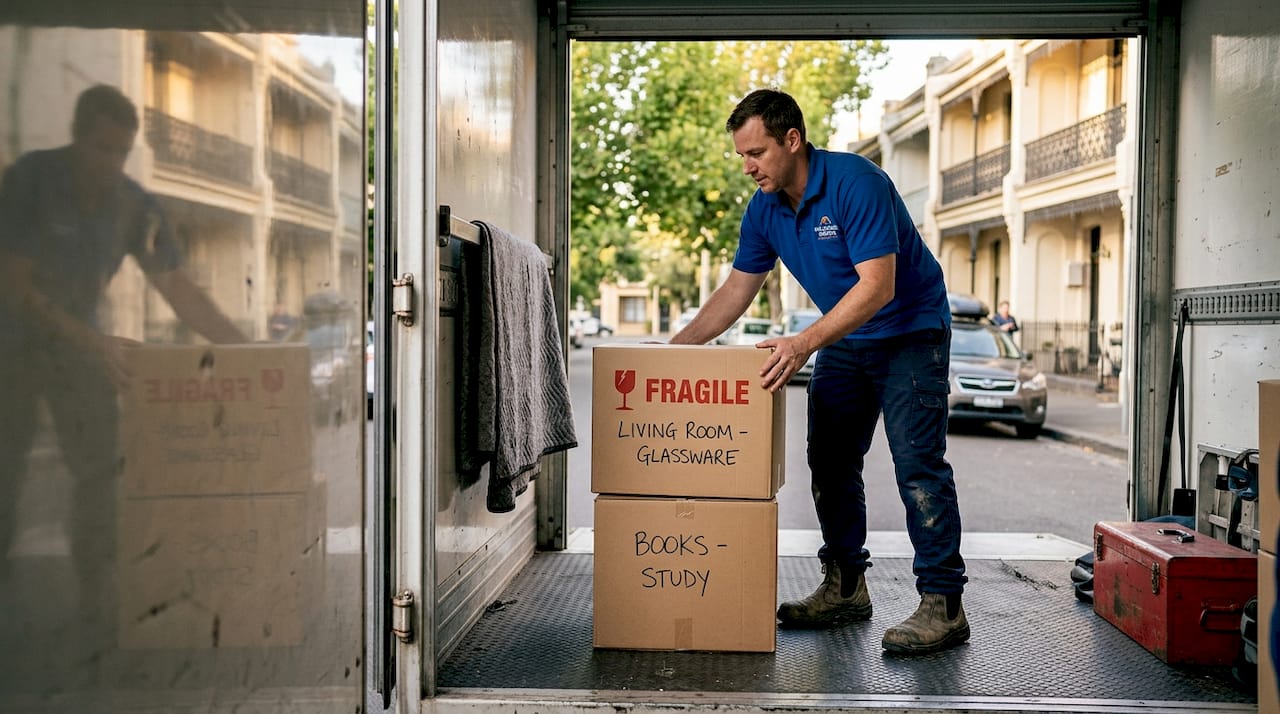
When loading the truck, position fragile boxes away from the doors where they might shift during opening and closing. Stack them against stable larger items that won’t move. Never place heavy furniture or appliances on top of boxes marked fragile, regardless of how well packed they appear.
Communicate clearly with anyone helping you move about which boxes contain fragile items. Consider using colour-coded labels or distinctive tape to make fragile boxes instantly recognisable. This visual system helps prevent accidental rough handling when multiple people are loading and unloading.
For extremely valuable or delicate items, transport them separately in your personal vehicle where you maintain complete control. This approach works well for small antiques, important documents, or irreplaceable heirlooms that would be devastating to lose.
Understanding the benefits of packing fragile items safely versus shortcuts helps you make informed decisions about where to invest effort. The comparison between professional packing vs DIY approaches reveals that expertise often prevents damage that costs far more than professional services.
Your responsibilities don’t end when the truck arrives at your new Melbourne location. Thorough verification protects you financially and identifies issues while evidence remains fresh.
Inspect fragile items systematically as you unpack. Check each piece against your inventory list and photographs taken before the move. Look for obvious damage like cracks, chips, or broken components. Test electronics to ensure they function properly after transport.
If you discover damage, take these immediate actions:
Insurance coverage and thorough inspection reduce financial risks associated with moving fragile possessions, making comprehensive policies essential for valuable items.
Most professional Melbourne removalists provide some level of liability coverage, but standard policies often exclude or limit fragile item protection. Review your moving insurance coverage well before moving day to understand exactly what protection you have.
Declared value insurance offers enhanced protection for high-value fragile items. You specify the value of particularly precious possessions, and the insurer provides coverage up to that amount. This costs more than standard coverage but provides peace of mind for irreplaceable antiques, artwork, or collectibles.
Learn from each move to improve your fragile item handling. Note which packing techniques worked well and which items sustained damage despite precautions. This knowledge helps you refine your approach for future relocations or when advising friends and family.
Consider recording video as you pack and unpack fragile items. This creates indisputable evidence of item condition and handling methods, which proves invaluable if disputes arise with removalists or insurers. Modern smartphones make this documentation effortless.
Maintain open communication with your removalist throughout the process. Professional companies appreciate feedback and want to resolve issues promptly. Establishing a collaborative relationship often leads to better outcomes than adversarial approaches when problems occur.
While DIY approaches can work for simple moves, fragile item transport often justifies professional expertise. Onyx Removals brings specialised knowledge and equipment that protects your valuables throughout every stage of relocation.
Our Melbourne team understands the unique challenges of transporting delicate possessions through varied properties and traffic conditions. We use commercial-grade packing materials designed specifically for fragile items, from custom-sized boxes to professional-quality cushioning that far exceeds retail options. Our residential removal services in Melbourne include careful handling protocols that minimise damage risks.
Comprehensive insurance coverage protects your investment. Our professional packing services come with liability protection that gives you financial security beyond DIY moves. We handle everything from initial assessment through final placement, ensuring your fragile items receive consistent expert care.
Contact Onyx Removals today for a customised quote on your Melbourne move. Our experienced team will assess your fragile items, recommend optimal protection strategies, and deliver the stress-free relocation you deserve. Discover the full range of Onyx Removals moving services designed to make your transition seamless and secure.
Items made of glass, porcelain, antiques, electronics, or artwork typically require professional handling for safe transport. If an item is irreplaceable, extremely valuable, or would be difficult to repair if damaged, professional services significantly reduce risk. When unsure about your ability to protect something adequately, consult experienced removalists for assessment before attempting DIY packing.
Bubble wrap, foam sheets, padded dividers, and custom-sized boxes provide superior cushioning for fragile possessions. Using multiple layers and securing items tightly prevents movement damage during transport. Corner protectors shield vulnerable edges on frames and furniture. Commercial-grade materials outperform standard retail supplies because they’re designed specifically for the stresses of professional moving.
Standard coverage varies significantly between removalists, and delicate items often need declared value insurance for adequate protection. Basic policies typically provide minimal compensation based on weight rather than actual value. Check your moving house insurance guide carefully and consider purchasing additional coverage to protect high-value fragile possessions. Always declare valuable items to your removalist before the move.
DIY packing can save money but risks damage without proper experience and materials. Professional packing uses specialised supplies and proven techniques that protect fragile items far more effectively than amateur efforts. For high-value or irreplaceable possessions, the cost of professional packing versus DIY approaches often justifies itself through damage prevention. Consider your items’ value, your experience level, and available time when deciding.

No Related Post


