


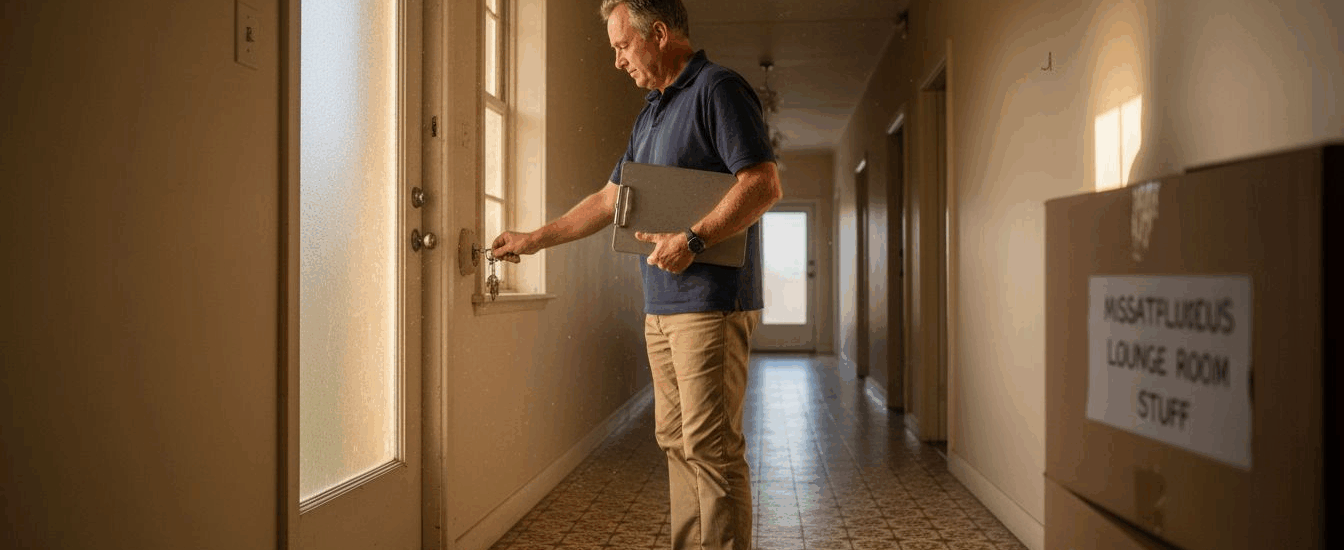
Over 60 percent of australian landlords report that detailed inspection records help prevent costly tenant disputes during lease changes. With Melbourne’s strict rental laws and evolving market, landlords need more than just a casual walkthrough to protect both investment and compliance interests. This guide breaks down the essential steps for clear communication, thorough documentation, and legal certainty to give residential landlords the practical tools needed for smooth property inspections and fewer end-of-lease conflicts.
| Key Point | Explanation |
|---|---|
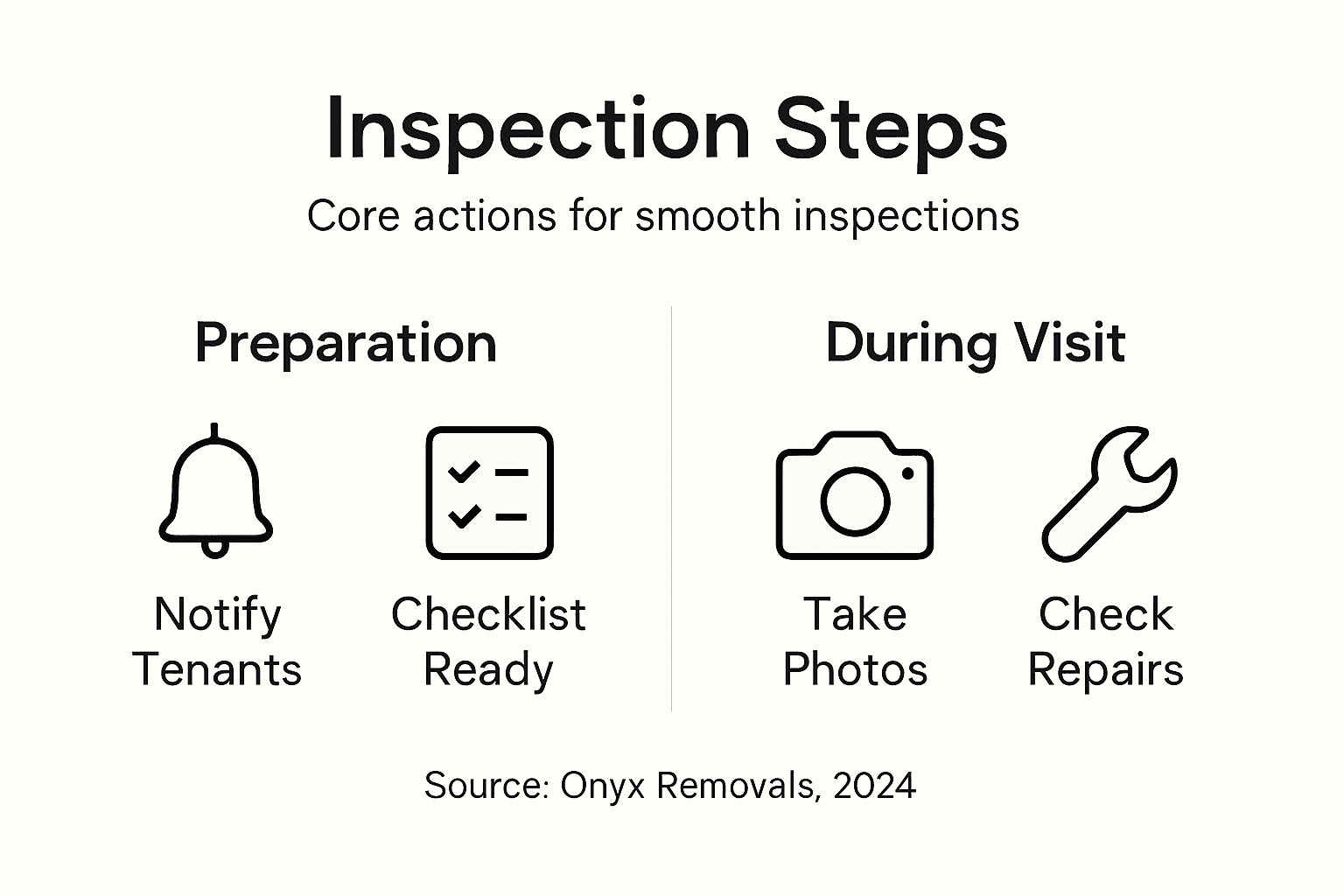
| 1. Develop a thorough inspection checklist | Create a comprehensive checklist to systematically assess the property’s condition and document all relevant areas before inspection. |
| 2. Notify tenants in advance | Provide written notice to tenants at least seven days before the inspection, including all essential details for clear communication. |
| 3. Document findings with evidence | Capture photographs and detailed notes during the inspection to ensure a transparent record of the property’s condition. |
| 4. Address maintenance promptly | Categorise repairs into immediate and non-urgent; prioritise safety issues to uphold tenant comfort and compliance with regulations. |
| 5. Communicate outcomes professionally | Summarise findings in a detailed final report for tenants, ensuring they understand any required actions or implications. |
Successfully preparing for your property inspection starts with smart planning and clear communication. Your goal is to create a smooth process that respects your tenant’s rights while protecting your property investment.
Begin by developing a comprehensive property inspection checklist that covers all key areas of your rental property. This should include documenting the current condition of walls, floors, fixtures, and any provided appliances. Gather all necessary documentation beforehand such as previous inspection records, maintenance logs, and your original lease agreement. Australian tenancy laws require you to provide written notice at least seven days prior to the inspection, so draft a formal notification that specifies the exact date, time, and purpose of your visit.
Here’s a quick summary of essential property inspection materials and their purpose:
| Material | Purpose | Benefit for Landlord |
|---|---|---|
| Inspection checklist | Guides thorough evaluation of all areas | Ensures systematic assessment |
| Previous inspection records | Tracks property changes over time | Supports fair dispute resolution |
| Maintenance logs | Details all repairs and upkeep | Demonstrates compliance |
| Lease agreement | Defines rights and responsibilities | Clarifies legal obligations |
When sending your notification, be professional and respectful. Use a clear written communication method like email or registered post that provides proof of delivery. Tenant inspections are regulated by specific state guidelines, so ensure you’re following local requirements precisely. Include your contact details and be open to reasonable scheduling requests from your tenant. This approach helps maintain a positive relationship and demonstrates your commitment to professional property management.
Top tip: Create a digital folder with all inspection documents to streamline your record keeping and ensure you have instant access to property history whenever needed.
Once you arrive at the rental property, your primary objective is to conduct a comprehensive and objective assessment of its current condition. Property inspections require systematic evaluation of both interior and exterior spaces to ensure the property remains well maintained and complies with lease agreements.
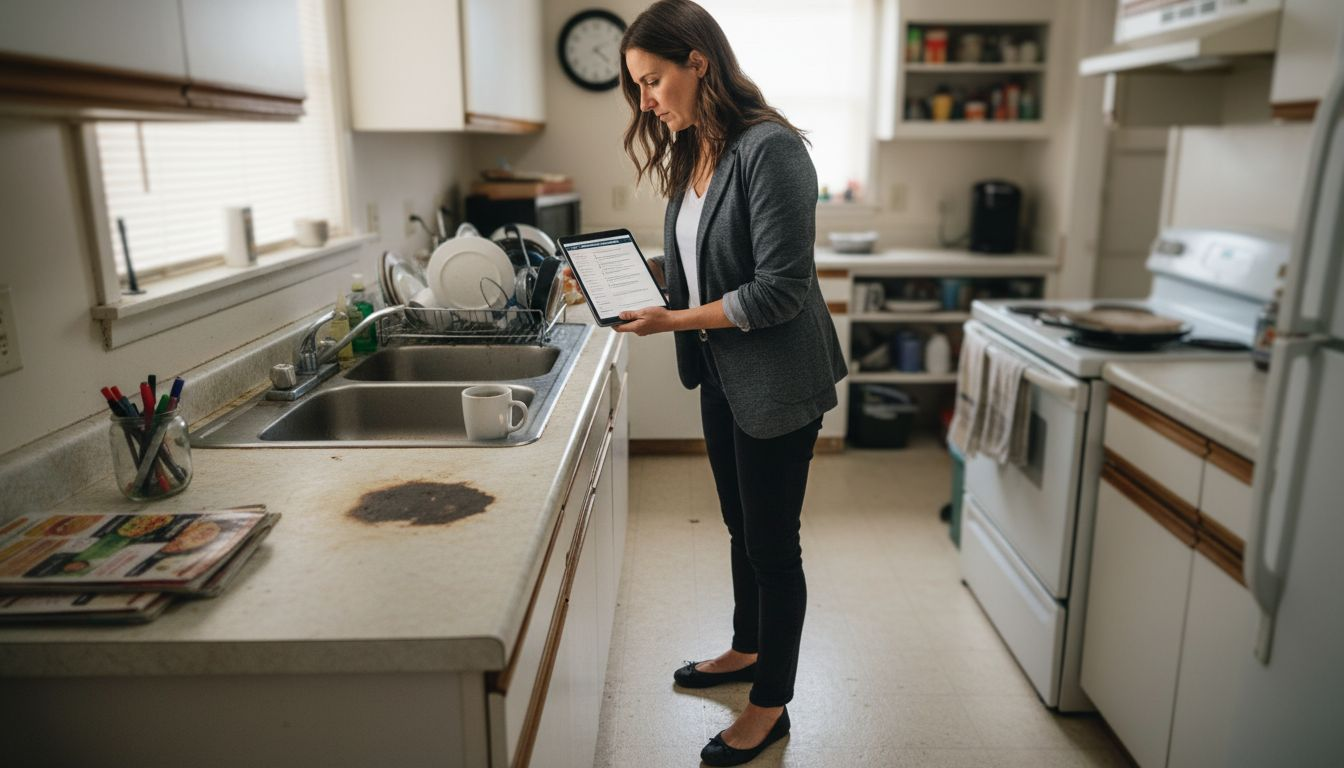
Start by methodically examining each room and area of the property. Check walls for any signs of damage such as cracks, marks, or moisture stains. Test all fixtures including light switches, power points, taps, and plumbing functionality. Inspect flooring for wear and tear, checking carpet conditions and potential issues with timber or tiles. Pay special attention to kitchen and bathroom areas where water damage or mould can develop quickly. Comprehensive inspection reports should include detailed photographic evidence documenting the current state of each area, providing a clear baseline for future comparisons.
As you move through the property, take clear notes and photographs that capture the precise condition of each space. Use consistent lighting and angles to ensure your documentation is professional and unambiguous. These records serve multiple purposes protecting both you and your tenant by creating a transparent record of the property’s condition at this specific point in time.
Top tip: Invest in a digital camera or smartphone with high resolution capabilities to capture clear property condition images that can be easily stored and referenced later.
After completing your property inspection, you must proactively address any maintenance issues and ensure full legal compliance. Routine inspections help identify potential problems early, preventing costly repairs and maintaining tenant safety.
Start by categorising any maintenance requirements into immediate and non urgent repairs. Immediate repairs include issues affecting safety or habitability such as electrical faults, plumbing leaks, broken locks, or structural damage. These should be addressed within 24 to 48 hours. For less critical maintenance needs, schedule repairs within a reasonable timeframe typically between one to two weeks. Rental property compliance involves meeting specific state regulations including functioning smoke alarms, electrical and gas safety standards, and overall property condition. Carefully document all maintenance activities, including dates, specific repairs performed, and any professional service reports.
Below is a comparison of immediate vs non urgent maintenance actions following inspections:
| Maintenance Type | Typical Issues | Response Timeframe | Tenant Impact |
|---|---|---|---|
| Immediate Repairs | Safety concerns, leaks, faults | 24–48 hours | Prevents risk and discomfort |
| Non Urgent Repairs | Cosmetic damage, minor wear | 1–2 weeks | Maintains property standard |
Communicate transparently with your tenant about upcoming repairs. Provide clear timelines, explain the scope of work, and arrange convenient access to the property. When hiring professionals, choose licensed and insured tradespeople who can provide detailed invoices and compliance certificates. This approach demonstrates your commitment to maintaining a safe and well managed rental property while protecting your investment.
Top tip: Maintain a digital maintenance log with photographs, invoices, and repair records to create a comprehensive history of property upkeep.
The next critical phase of property management involves carefully assessing whether your tenants are meeting their agreed responsibilities and addressing any potential issues professionally and systematically. Maintenance disputes require clear communication and a strategic approach to resolution.
Compare your initial entry condition report with the current property state to identify any deviations from expected tenant care. Look for signs of damage beyond normal wear and tear such as unreported issues, cleanliness concerns, or unauthorised modifications. Landlords can use inspections to verify tenant responsibilities including maintenance reporting and property upkeep. When discrepancies emerge, document them thoroughly with dated photographs and detailed notes. Approach the conversation objectively by presenting evidence and allowing the tenant an opportunity to explain or address the concerns. Your goal is to find a constructive solution that preserves the tenancy agreement while protecting your property investment.
If significant issues are discovered, consider providing a formal written notice outlining specific concerns and required actions. Specify reasonable timeframes for rectification and potential consequences if improvements are not made. Always maintain a professional tone and be prepared to negotiate fairly while remaining firm about maintaining the property’s condition.
Top tip: Create a standardised discrepancy reporting template to ensure consistent and fair documentation of any tenant responsibility issues.
The concluding phase of your property inspection involves synthesising all gathered information into a comprehensive and clear final report that protects both your interests and maintains transparent communication with your tenant. Final inspection reports document property condition objectively and provide a critical record of the property’s state.
Compile your final report by systematically organising all inspection photographs, notes, maintenance records, and observed discrepancies. Ensure the document is structured logically with clear sections highlighting property condition, any identified issues, recommended repairs, and potential bond implications. Rental inspection reports consolidate comprehensive findings and serve as an official record of the property’s condition. When communicating outcomes, be direct yet professional. Explain any findings that might impact the bond return, provide specific evidence for your observations, and outline any required actions from the tenant. Include precise details about repair costs, timeframes for addressing issues, and potential financial consequences if improvements are not made.
Schedule a follow-up discussion or send a detailed written communication that allows the tenant to understand and respond to the report. This approach demonstrates fairness and provides an opportunity for collaborative problem solving. By presenting your findings comprehensively and objectively, you minimise the potential for future disputes and maintain a professional landlord tenant relationship.
Top tip: Use digital reporting tools that allow secure document sharing and electronic signatures to streamline the final reporting process.
Managing landlord property inspections involves careful preparation, precise documentation, and timely maintenance—challenges that can quickly become overwhelming amid a busy schedule. Whether you are organising tenant notifications, evaluating property conditions, or addressing maintenance needs, each stage requires attention to detail and effective communication to maintain positive landlord tenant relationships.
Onyx Removals understands how essential it is to keep the leasing process stress-free and seamless. Our expert residential removals service takes the pressure off moving day, allowing you to focus on conducting thorough inspections and ensuring compliance without distraction. With personalised moving plans and trusted professionals at your side, we help landlords and tenants transition smoothly into or out of properties.
Take control of your next property inspection and relocation by partnering with Onyx Removals. Visit our website to explore how our comprehensive moving and storage solutions can complement your landlord responsibilities and deliver peace of mind throughout the entire lease cycle.
Discover personalised support now at https://onyxremovals.com.au.
Start by creating a comprehensive property inspection checklist to document the condition of all areas. Notify your tenants at least seven days in advance, specifying the date, time, and purpose of the inspection.
Your report should contain photographs, detailed notes on property condition, any maintenance records, and discrepancies observed during the inspection. Organise the information clearly to serve as an official record of the property’s state.
Categorise the maintenance issues into immediate and non-urgent repairs. Prioritise immediate concerns, such as safety hazards, and ensure they are addressed within 24 to 48 hours to maintain tenant safety and compliance.
Review the initial condition report against the current state of the property to identify discrepancies. Document these issues and address them with your tenants objectively, providing them an opportunity to rectify concerns within a reasonable timeframe.
Communicate clearly and respectfully with tenants by notifying them in writing ahead of an inspection and discussing any issues thoroughly after the inspection. Schedule a follow-up discussion to ensure they understand your findings and any actions needed.
Documenting inspections provides a transparent record of the property’s condition, helping to protect both your investment and the rights of your tenants. Maintain a complete history of inspections and maintenance to streamline future evaluations and dispute resolutions.

No Related Post


