


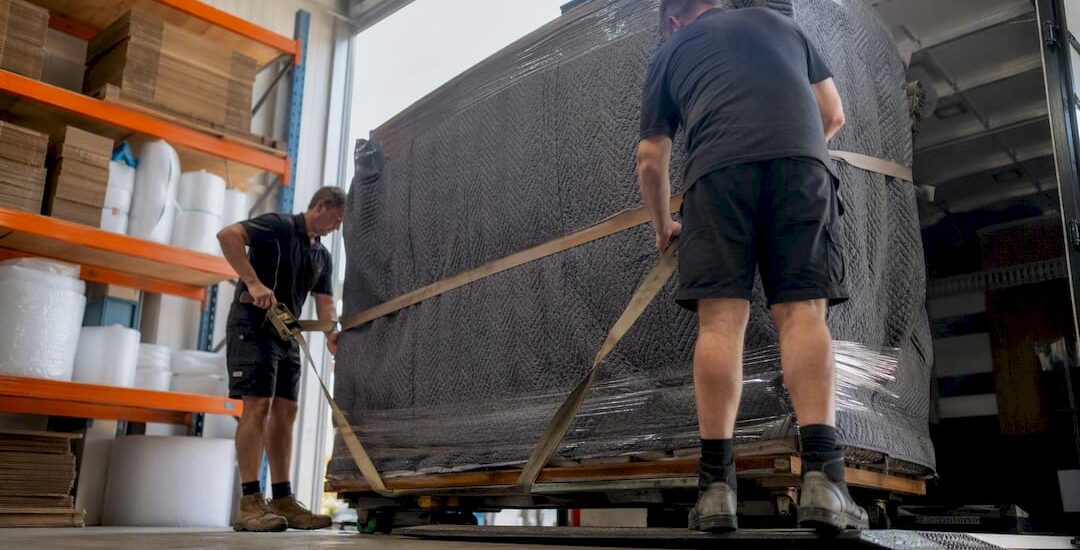
If you’re moving a piano, a slate pool table, an oversized wardrobe or a shopfront’s worth of retail fixtures, hire a specialist large equipment moving company, not a general removalist. Onyx Removals is the practical choice for Melbourne homeowners, tenants and small businesses because a trained crew with the right gear cuts the risk of damage, injury and blown deadlines. Do these three things now:
Look for three signals in that first phone call or email: an insured and licensed crew, mention of specialist equipment like stair climbers or hoists, and a willingness to put the price in writing.
Hiring a specialist large equipment moving company with proper survey, insurance and equipment is the single biggest factor in a damage-free, on-budget oversized-item move.
| Point | Details |
|---|---|
| Book a survey first | An on-site or virtual survey before quoting avoids the underquote-then-surprise-fee problem entirely. |
| Check for real equipment | Confirm stair climbers, hoists and motor dollies rather than accepting a standard furniture truck. |
| Get an itemised quote | Ask for stairs, packing, disassembly and parking fees broken out separately, not bundled into one number. |
| Expect $250 to $600+ per item | Single heavy-item moves typically fall in this range depending on access and distance. |
| Onyx Removals fits this job | Offers surveys, insured crews, specialist gear and itemised quotes for Melbourne oversized-item moves. |
The term covers movers who handle oversized household and commercial items on short, local runs. Think pianos, pool tables, wall units, gun safes, gym equipment, and retail fixtures like display cabinets or point-of-sale counters. It does not cover long-haul industrial machinery relocation, which is a different trade with different trucks and different rules entirely.
For the jobs this article is about, a competent operator typically offers:
Most reputable crews also throw in site protection, floor runners and timed delivery windows, especially for retail clients who can’t afford a fixture blocking the shop floor at 10 am on a Saturday. Onyx Removals lists this full spread, from residential and commercial removal through to specialist item handling.
Pro Tip: Ask whether packing materials for oversized items are included in the quote or billed separately. It’s a common gap that surprises people at invoice time.
Not every removalist that owns a truck can safely shift a 350 kg pool table down a narrow staircase. Look for proven heavy-item experience first, then check whether they actually stock the specialist equipment for the job, not just a hand trolley and some furniture blankets.
Run through this before you book:
When you call, ask direct questions rather than accepting a vague “yeah, we can do that”:
Red flags are easy to spot once you know what to watch for. A quote given without measurements or photos is a guess dressed up as a price. A company that won’t do a survey, physical or virtual, is telling you they don’t plan properly. So is a business that can’t answer a straight insurance question, or one that turns up with two people and a van for a job that clearly needs four and a hoist. Heavy object movers built around this kind of work generally welcome the scrutiny, because it’s how they land the job in the first place.
Price comes down to six things: weight and dimensions, access difficulty (stairs, lifts, narrow hallways), distance and travel time, equipment required, time on site, and whether you need insurance top-ups or storage. A piano on the ground floor with wide doorways costs a fraction of the same piano three flights up with a tight stairwell turn.
Industry guidance puts a single specialist heavy-item move at roughly $250 to $600 or more, depending on the item, the distance and how many obstacles the crew has to work around. That range moves quickly once stairs, long carries or extra crew get added, so treat it as a starting point rather than a promise.
A hybrid approach often works out cheapest: pack and move your ordinary boxes yourself, then bring in real estate professionals for luxury moves just for the piano, pool table or heavy cabinet. This is common enough that most quoting tools are built to handle it.
To get a number you can actually trust:
Good preparation is the cheapest insurance you’ll ever buy on a move. Work through this in the week before:
Some disassembly is fine to do yourself: piano lids, loose shelving, detachable table legs. Leave the technical parts to the professionals. Pool table slate sections and piano actions need specific tools and technique to come apart and go back together without warping or cracking.
Pro Tip: If you’re in an apartment, book the lift with building management and check whether you need a parking permit for the truck. Both take five minutes to sort and can otherwise stall a crew for an hour.
A crew equipped for oversized items carries powered stair climbers, motor dollies and skates, hoists and slings, heavy-duty straps with ratchet systems, and a tail-lift or tailgate truck built for awkward loads. Floor protection runners and corner padding should turn up as standard, not as an optional extra you have to request.
Safety isn’t optional either. A properly run crew briefs the job before lifting, wears appropriate PPE, and secures every load before the truck moves an inch. Safe Work Australia’s guidance on manual handling sets the baseline that competent operators are expected to follow.
A slate pool table can weigh around 350 kg, and shifting it safely needs multiple trained lifters plus hydraulic trolleys or hoists. Attempting that alone is a fast route to a hospital visit or a cracked slab, not a saved dollar.
Ask for proof of insurance before the truck arrives, not after something goes wrong. A legitimate company can produce a Certificate of Insurance on request, showing liability and transit/cargo cover for the item you’re moving. If they hesitate or can’t explain what it actually covers, that’s your answer.
Book at least one to two weeks ahead for a single oversized item, longer if the building requires a lift booking or parking permit application. That gives time for the survey, the quote, and any paperwork the property manager or council needs signed off.
On the day, a single-item lift like a piano or pool table usually takes one to three hours depending on access. A multi-item load or partial house move runs longer, often a half day to a full day.
You’ll typically need a permit or temporary parking arrangement when:
Who arranges what varies. Some movers, including established local operators, will handle building permissions as part of the job; others expect the client to organise access and any council paperwork. Confirm this before moving day, not on it.
The quoted figure rarely tells the whole story. Beyond the base fee tied to weight, distance and access, most companies charge separately for a few predictable extras, and knowing them upfront stops nasty surprises on invoice day.
Common additional charges include:
None of these are hidden if you’re dealing with a transparent operator. The fix is simple: ask for every line item before you sign, and get it in writing. A company that itemises stairs, packing and disassembly separately is giving you a real quote. One that gives a single round number for a complex job is either padding the price heavily or hasn’t actually worked out what the job involves.
The single biggest mistake I see is skipping the survey to save fifteen minutes. Someone quotes a piano move over the phone, the crew turns up, and there’s a tight stairwell turn nobody mentioned. Now you’re paying for extra time and extra hands on the spot, or the job doesn’t happen at all that day.
Book the survey, physical or virtual. It’s the cheapest safeguard in the whole process, and it’s why experienced crews with proper equipment and a written itemised quote consistently outperform a rushed phone booking.
Onyx Removals is the alternative to guessing your way through a heavy-item move: a Melbourne-based crew that actually specialises in the pianos, pool tables, retail fixtures and heavy furniture jobs that generic removalists tend to underquote or turn down outright. You get an on-site or virtual survey before any number gets put in writing, an itemised quote so you know exactly what you’re paying for, and insured crews running proper stair climbers and hoists rather than a hand trolley and hope.
Storage is available if your settlement dates don’t line up, and the same team handles packing and unpacking if you’d rather not do it yourself. Customers who’ve used the service point to the same things repeatedly: the crew shows up with the right gear, and the quote matches the invoice.
To get started, measure your item, snap a few photos of the access points, and request an accurate quote through the online tool, or book a survey directly through the residential removal page. If you’re moving a shopfront or office instead, the commercial removals team handles that scope specifically.

No Related Post


