



Moving house with pets sounds straightforward until you realise animals can become highly anxious at the very sight of a cardboard box. Research shows that some pets may need medication or specialised care just to handle the stress of relocation. But most people focus only on moving their belongings, and forget that a bit of planning for their pets can actually make the whole move a lot smoother for everyone involved.
| Key Point | Explanation |
|---|---|
| 1. Assess pet needs before moving | Understand your pet’s individual requirements and stress triggers with a thorough health assessment from your veterinarian. |
| 2. Develop a structured moving plan | Create a detailed timeline incorporating pet care provisions to manage potential stress during packing and moving periods. |
| 3. Prepare pets for moving day | Gradually introduce moving supplies and establish a safe space for your pets to retreat during chaotic moments. |
| 4. Manage transportation meticulously | Choose appropriate transportation methods and ensure the comfort and safety of your pets throughout the journey. |
| 5. Monitor pets’ adjustment post-move | Conduct regular assessments of your pets’ behaviour and health to ensure they are comfortable in their new environment. |
Moving house with pets requires thoughtful preparation well before the actual moving day. Each animal has unique requirements that demand careful consideration and personalised planning. Your goal during this initial stage is to understand your pet’s specific needs, potential stress triggers, and create a comprehensive strategy that minimises their anxiety during the relocation process.
Begin by conducting a thorough health assessment with your veterinarian. Discuss your upcoming move and obtain essential medical documentation, vaccination records, and potentially a health certificate if you’re moving interstate. Some pets might require specific medical preparations or medications to manage travel stress, so this consultation is crucial. Your vet can provide tailored advice about managing your pet’s potential travel anxieties, recommending potential sedation options or natural calming techniques appropriate for your specific animal.
Next, evaluate your pet’s individual temperament and past experiences with travel. Animals with previous challenging transportation experiences or high anxiety levels will need more intensive preparation. Dogs might require gradual desensitisation to moving equipment like boxes and carriers, while cats often need more controlled environments during transitions. Consider creating a safe, familiar space during packing and moving, using their existing bedding, toys, and comfort items to provide psychological stability.
Logistical planning is equally important. Research pet transportation regulations for your destination, especially if you’re moving between different local government areas or states. Some regions have specific quarantine or registration requirements for animals. Check out our comprehensive moving tips for additional guidance on managing complex relocation scenarios with pets.
Finally, compile a dedicated pet moving kit that includes:
By meticulously assessing your pet’s needs before moving, you’re establishing a solid foundation for a smooth, stress-reduced relocation experience that prioritises your furry companion’s wellbeing.
To help you organise everything needed for a smooth move with your pets, here is a checklist of essential items for your pet moving kit, including their purpose and considerations.
| Item | Purpose | Special Considerations |
|---|---|---|
| Medical records | Proof of health and vaccination status | Required if moving interstate |
| Comfort items (bedding, toys) | Reduce anxiety and provide familiarity | Use pet’s current, unwashed items |
| Food and water supplies | Ensure continuity of diet and hydration | Pack enough for several days |
| Medications | Maintain pet’s health during the move | Include anxiety medication if needed |
| Temporary identification tags | Enable easy identification if pets get lost | Include new address and contact info |
| Portable water bowl | Provide hydration during travel | Use a spill-proof or travel-friendly type |
| Waste management supplies | Maintain hygiene during transit | Suitable for both dogs and cats |
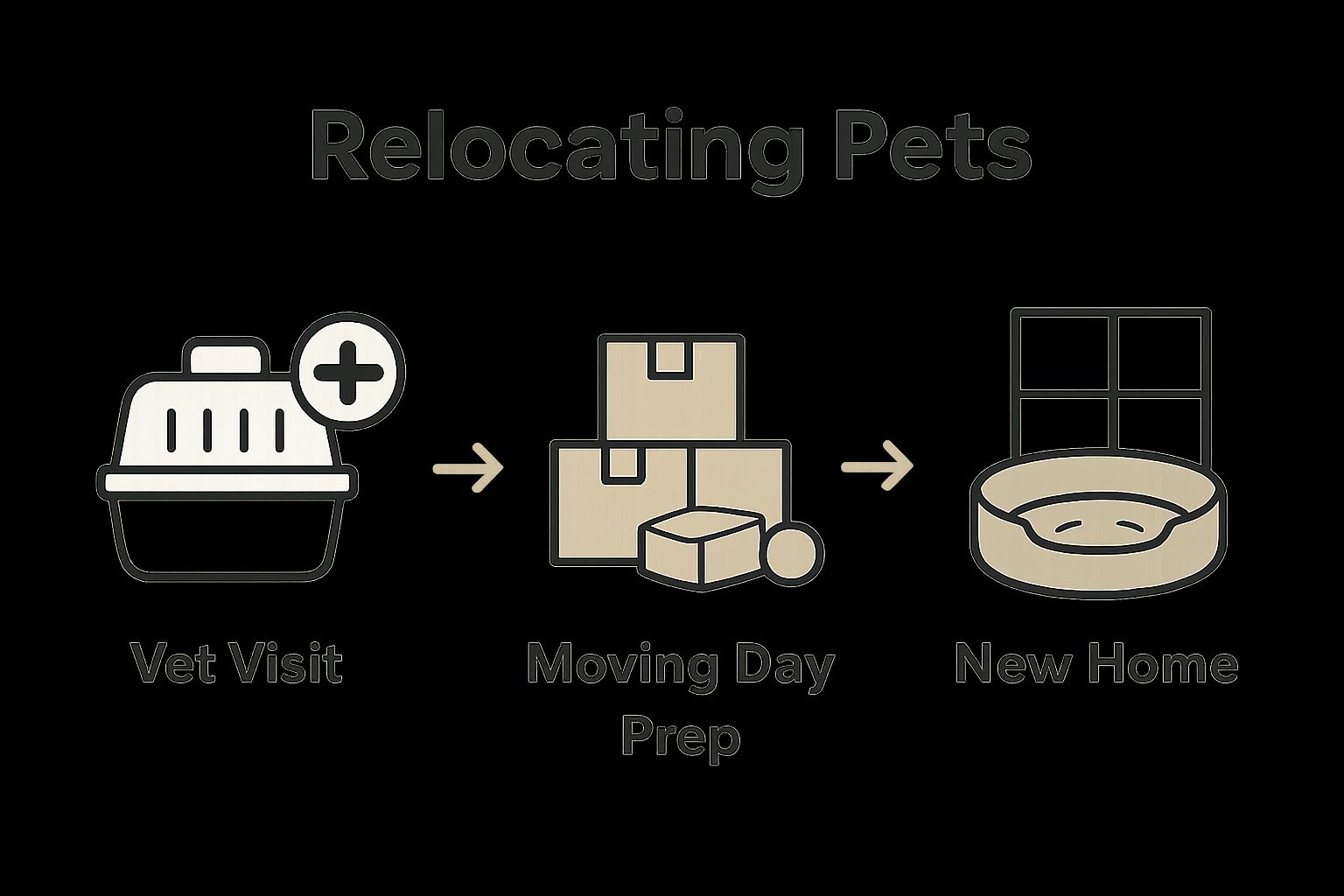
Creating a comprehensive moving plan for your pets transforms a potentially chaotic relocation into a structured, manageable process. This critical step involves detailed scheduling, strategic preparation, and anticipating potential challenges that could disrupt your pet’s comfort during the transition.
Start by developing a precise timeline that integrates your pet’s specific needs with your overall moving schedule. Identify potential stress points in the moving process and develop targeted strategies to mitigate them. This might involve arranging for pet care during the most intense moving periods, such as packing days or actual transportation. Consider booking a trusted pet sitter or arranging temporary boarding to keep your animal companion safe and calm during the most disruptive phases of moving.
Transportation logistics demand careful consideration. If you’re moving interstate or over significant distances, research pet-friendly transportation options thoroughly. Some removal companies offer specialised pet transportation services, while others might have restrictions. Explore our moving tips for comprehensive planning guidance to ensure you’ve covered all necessary arrangements. Determine whether your pet will travel with you in your personal vehicle, require separate transportation, or need specialised shipping arrangements.
Documentation and legal preparations are equally crucial. Compile a comprehensive pet travel folder containing:
Additionally, research destination-specific requirements. Some regions have specific regulations about pet entry, mandatory quarantine periods, or required health screenings. Contact local councils or relevant authorities to understand these requirements well in advance of your moving date.
Prepare a dedicated pet moving kit that ensures their immediate comfort and security upon arrival. Pack familiar bedding, favourite toys, sufficient food supplies, portable water containers, and any necessary medications. This approach helps create a sense of continuity and reduces potential anxiety during the transition. By meticulously planning each aspect of your pet’s move, you’re setting the foundation for a smooth, stress-minimised relocation experience that prioritises their wellbeing and comfort.
Preparing your pets for moving day requires strategic planning and a calm, methodical approach that minimises stress and uncertainty. The goal is to create a predictable, controlled environment that helps your animal companions feel secure during this significant transition.
Begin by gradually introducing moving supplies into your pet’s environment several weeks before the actual move. Strategically place cardboard boxes, packing materials, and moving containers in areas where your pet can become familiar with them. This gradual exposure helps reduce anxiety and prevents sudden shock on moving day. For dogs, consider creating positive associations by offering treats or playing near these items. Cats might need more subtle approaches, such as allowing them to explore boxes at their own pace without direct intervention.
Establish a dedicated safe space within your home where your pet can retreat during the most chaotic packing moments. This area should contain their favourite bedding, toys, and familiar items that provide comfort and security. Learn more about maintaining professional moving standards to ensure a smooth transition for both you and your pets.
On the actual moving day, implement a structured approach to transportation and containment. Prepare a specially designed pet carrier or travel crate that allows sufficient space for movement while providing a sense of security. Ensure the carrier is well-ventilated, has comfortable bedding, and includes familiar items that carry your pet’s scent. For dogs, consider a secure harness and leash for additional control during transportation. Cats typically require more enclosed spaces to feel safe.
Your essential moving day pet kit should include:
Maintain a calm demeanour throughout the moving process, as pets are highly attuned to their owners’ emotional states. Speak in soft, reassuring tones and provide consistent, gentle interactions. By methodically preparing your pets and creating a structured, predictable environment, you’ll significantly reduce their stress and ensure a smoother transition to your new home.
Transporting pets during a move requires meticulous planning, patience, and a strategic approach that prioritises their safety and emotional wellbeing. The transportation phase is a critical moment that can significantly impact your animal companion’s stress levels and overall moving experience.
Selecting the appropriate transportation method is crucial and depends on your pet’s specific characteristics, travel distance, and individual temperament. For shorter local moves, travelling in your personal vehicle provides the most controlled environment. Larger dogs might require secure harnesses or crates, while cats typically need enclosed carriers that limit visual stimulation and provide a sense of security. If you’re undertaking a longer journey, consider breaking the trip into manageable segments that allow for regular breaks, hydration, and brief exercise opportunities.
Prepare your vehicle in advance to create a comfortable, safe transportation environment. Cover seats with protective materials, secure carriers or restraints, and ensure adequate ventilation. Temperature management is critical – avoid leaving pets in vehicles during extreme weather conditions. Check out our professional moving tips for additional guidance on managing complex transportation scenarios.
Before departing, conduct a final health and comfort check. Ensure your pet has access to:
During transportation, maintain a calm and consistent atmosphere. Soft, soothing music or familiar sounds can help reduce anxiety. Avoid sudden movements or aggressive driving that might startle your pet. If travelling with multiple animals, consider separating them to prevent potential stress or conflict. For longer journeys, plan strategic rest stops that allow your pets to stretch, hydrate, and relieve themselves in safe, controlled environments.
Upon arriving at your new home, prioritise creating an immediate sense of familiarity and security for your pets. Set up their designated safe space first, using familiar bedding, toys, and comfort items. This approach helps them acclimate to the new environment gradually, reducing potential anxiety and providing a stable transition point. By methodically managing the transportation process, you’re ensuring a smoother, less stressful moving experience for your beloved animal companions.
Settling your pets into a new home requires patience, strategic planning, and a compassionate approach that acknowledges their potential stress and uncertainty. The first few days are critical in establishing a sense of security and helping your animal companions adapt to their unfamiliar surroundings.
Create an immediate sanctuary space within your new home that mirrors their previous environment. Select a quiet, low-traffic area where you can set up their familiar bedding, toys, food and water bowls, and litter boxes or designated bathroom areas. This dedicated zone provides a psychological anchor, offering a consistent reference point amidst the chaos of new surroundings. For cats, consider providing elevated perches or hiding spaces that allow them to observe their new territory while feeling protected. Dogs might benefit from a crate or specific corner that feels like their personal territory.
Explore our professional moving tips for additional strategies in managing pet transitions. Gradually introduce your pets to different areas of the new home, allowing them to explore at their own pace. Supervision is key during these initial explorations, ensuring they don’t encounter potential hazards or become overwhelmed.
Establish consistent routines quickly to provide psychological stability. Maintain the same feeding times, walking schedules, and interaction patterns from your previous home. Predictability reduces anxiety and helps pets understand that despite the changed environment, their fundamental life rhythm remains unchanged.
Watch for signs of stress or adjustment challenges, which might include:
Below is a summary table of common signs of pet stress after moving, their likely causes, and recommended actions you can take, as discussed in the article.
| Sign of Stress | Likely Cause | Recommended Action |
|---|---|---|
| Excessive vocalisation | Anxiety, unfamiliar environment | Provide comfort items, maintain routines |
| Change in eating habits | Stress, change in surroundings | Monitor, offer familiar food, consult vet if prolonged |
| Increased sleeping | Fatigue from transition, anxiety | Allow adjustment period, keep environment quiet |
| Unusual hiding behaviour | Feeling unsafe or overwhelmed | Create safe sanctuary space, allow gradual exploration |
| Inappropriate elimination | Territory anxiety, unfamiliar scents | Keep litter box/bathroom area consistent, consult vet if ongoing |
| Lethargy or withdrawal | Emotional or physical stress | Observe closely, consult veterinarian if persistent |
If your pet displays prolonged signs of distress, consult your veterinarian. Some animals might require additional support, such as pheromone diffusers, calming supplements, or short-term anxiety medications. Be prepared to offer extra patience, gentle interactions, and positive reinforcement during this transition.
Remember that each animal adapts differently. Some might feel comfortable within hours, while others could take weeks to fully settle. Maintain a calm, consistent presence, and allow your pets to set their own pace of exploration and acceptance. By creating a structured, supportive environment, you’re helping your animal companions transform an unfamiliar space into a new, secure home.
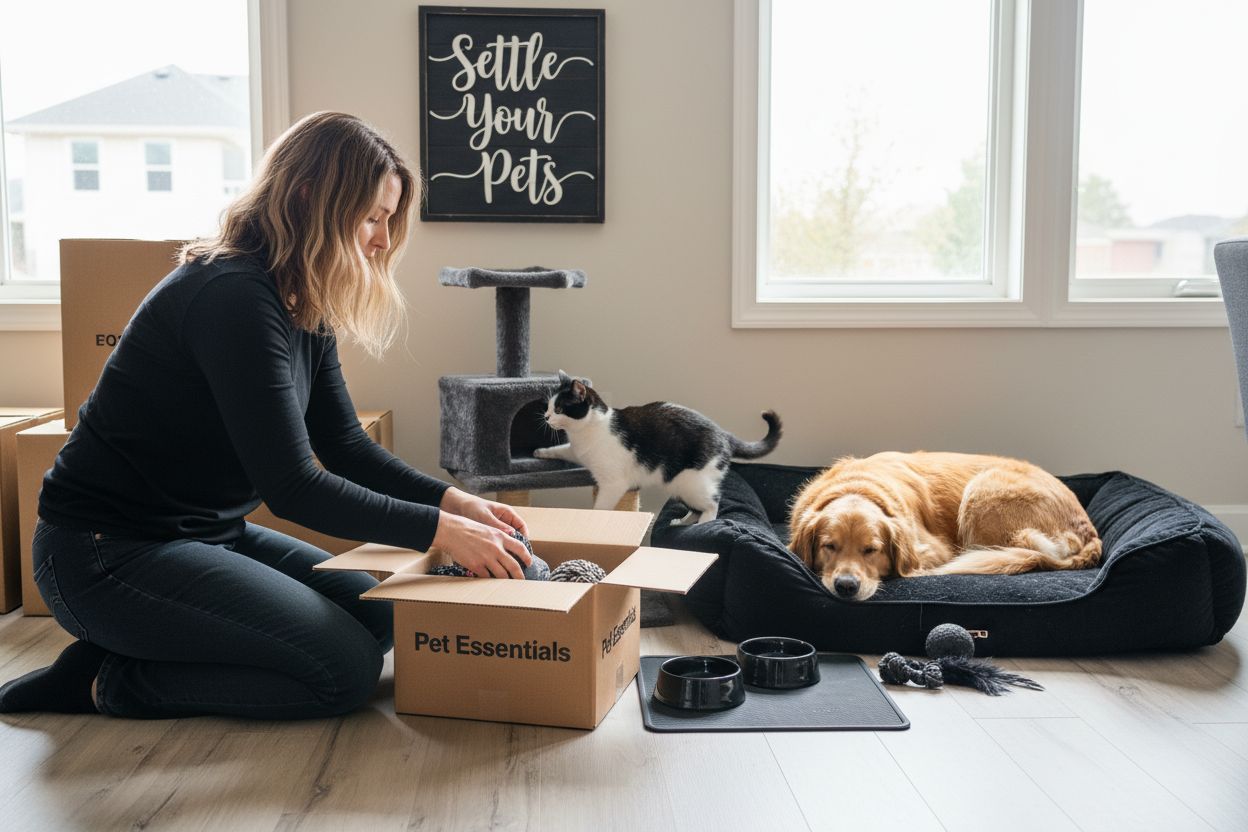
Verifying your pets’ comfort and safety after relocation is a critical phase that extends beyond initial settlement. This step involves comprehensive monitoring, proactive intervention, and systematic assessment of your animal companions’ physical and emotional wellbeing in their new environment.
Conduct a detailed health and behaviour assessment in the weeks following your move. Observe your pets’ eating patterns, sleep cycles, energy levels, and interaction dynamics. Subtle changes can indicate underlying stress or adjustment challenges that require immediate attention. For instance, significant alterations in appetite, unusual lethargy, or sudden behavioural shifts might signal deeper emotional or physiological responses to the move.
Review our professional moving recommendations to ensure comprehensive post-move care. Schedule a follow-up veterinary consultation within the first month after relocation. This preventative check can help identify any potential health issues triggered by the move, such as stress-induced immune system changes or environmental adaptation challenges.
Establish a structured observation protocol to track your pets’ adjustment. Pay close attention to their interactions with new spaces, potential anxiety triggers, and overall comfort levels. Some animals might require additional support mechanisms, such as pheromone diffusers, calming supplements, or gradual desensitisation techniques.
Key indicators of successful post-move adjustment include:
Reintroduce familiar routines gradually while remaining flexible. Some pets might need extended periods of gentle transition. Maintain consistent feeding times, exercise schedules, and interaction patterns from your previous home. Create positive associations with the new environment by offering treats, engaging in play, and providing extra affection during this adaptation period.
Remember that each animal adapts differently. Some might settle quickly, while others require weeks or even months to feel completely comfortable. Patience, consistent observation, and a supportive approach are essential. By systematically verifying your pets’ comfort and safety, you’re ensuring a smooth, stress-minimised transition that prioritises their physical and emotional wellbeing in their new home.
If the thought of moving house with pets leaves you feeling anxious, you’re not alone. From managing your furry friend’s stress triggers to coping with changing routines, it can quickly become overwhelming. Our article highlights specific challenges, such as the need for careful planning, strategic safe spaces, and maintaining consistency for your companion’s wellbeing. That is exactly where our team steps in.

Onyx Removals specialises in personalised home relocations that ease the burden for both you and your pets. We offer tailored moving plans, expert packing, and specialised transportation options to ensure a calm transition for every member of your household. For peace of mind through every stage, trust the professionals with a proven record of seamless moves in Melbourne. Visit Onyx Removals to explore our dedicated services or dive into our business relocation expertise to see how we support every unique move. Ready to help your pets settle in quickly and safely? Contact us now for a free consultation so you and your loved ones can start your next chapter without the stress.
To assess your pet’s needs, start by consulting your veterinarian for a thorough health check and documentation for travel. Identify any specific stress triggers related to moving and prepare a comfort kit with familiar items to ease their transition.
Develop a timeline that includes pet care arrangements during packing and moving days. Identify potential stress points and consider booking a sitter or temporary boarding to keep your pets safe and calm in the most chaotic moments.
Introduce moving supplies gradually to help your pets adjust to the changes. Designate a safe area for them to retreat to during hectic packing days, and ensure you have everything they’ll need in a moving day kit, including food, water, and comfort items.
The best way to transport your pets depends on their characteristics and the journey length. For short moves, use your personal vehicle, securing them in appropriate carriers, and plan for regular breaks if travelling longer distances.
Create a sanctuary space in your new home with their familiar items, and gradually introduce them to other areas. Establish consistent routines for feeding and walking to provide comfort and predictability during this transition.
Monitor your pets’ eating, sleeping, and behaviour patterns for signs of stress or discomfort after the move. Schedule a follow-up check with your vet if you notice any unusual changes, such as loss of appetite or lethargy, within the first month of settling in.

No Related Post


