



TL;DR:
- Shared truck moving allows multiple households to share transport costs by fitting belongings onto one vehicle, saving 30–50% compared to full truck hire. The service operates on flexible delivery windows of 1–2 weeks, requiring early booking, careful packing, and flexible accommodation plans. It is ideal for small households with flexible schedules but involves more handling, increasing risk for fragile or high-value items.
Shared truck moving is a service where multiple customers’ belongings travel together on the same vehicle, and each household pays only for the cubic space or weight their items occupy. The industry term for this model is “shared load moving,” and it sits alongside backloading as one of the most cost-effective residential moving options available in Melbourne. Rather than hiring an entire truck for your move, you split the transport cost with other customers heading in the same direction. For Melbourne families and individuals watching their relocation budget, this distinction matters enormously.
Shared load moving functions more like a bus than a taxi: multiple customers share the logistics rather than receiving exclusive service. A single truck consolidates between 8 and 12 separate shipments per run, which is what makes the per-kilometre cost so much lower for each customer.
Here is the typical process for a Melbourne shared truck move:
The most important thing to understand is the timing model. Shared trucks wait until capacity is optimised before departing, which adds variability to both pickup and delivery. This is not a flaw in the service. It is the mechanism that keeps costs low for everyone on board.
Pro Tip: Book your shared truck move at least three to four weeks in advance. Last-minute bookings often miss the next available consolidated run, which can push your move out by another week.
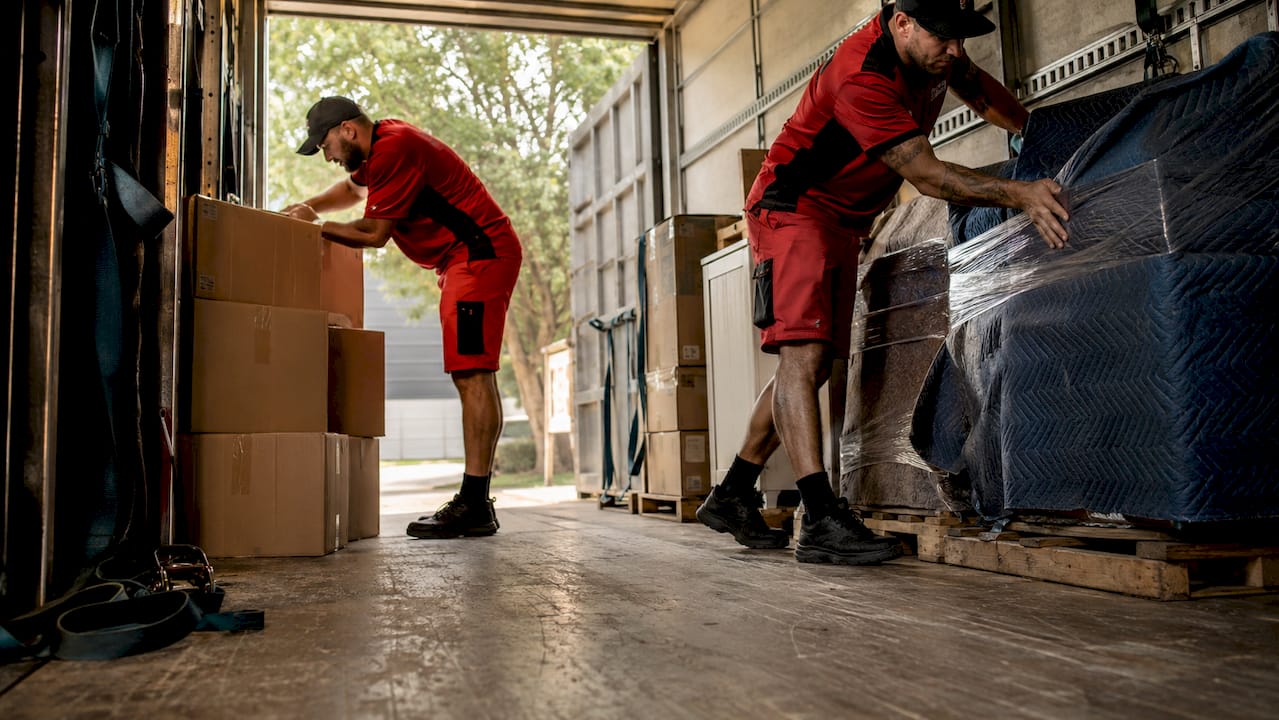
Security is a common concern, and it is worth addressing directly. Professional removalists use numbered labels, manifest sheets, and physical barriers inside the truck to keep each customer’s load separate. The quality of your belongings during transit depends heavily on choosing a licensed, insured company rather than the cheapest option you can find online.
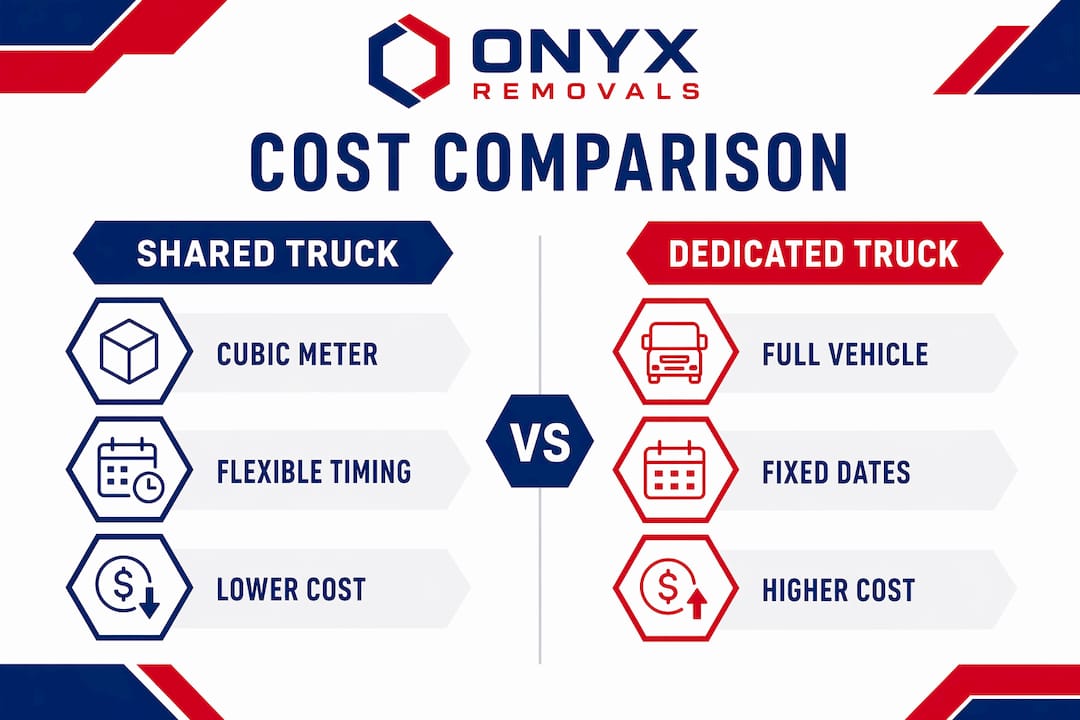
Shared load pricing is based on actual cubic footage or weight, not the full truck capacity. This is the core reason shared moves cost 30–50% less than booking a dedicated vehicle. You are not paying for empty space.
To put that in context: a standard two-bedroom Melbourne household move might occupy 15–20 cubic metres of truck space. On a dedicated truck, you pay for the full vehicle regardless of how much you fill it. On a shared truck, you pay for those 15–20 cubic metres only.
| Move type | Cost basis | Typical delivery | Best for |
|---|---|---|---|
| Shared truck (shared load) | Cubic metres or weight | 1–2 week window | Small households, flexible timelines |
| Dedicated truck | Full vehicle hire | Fixed date | Large households, tight deadlines |
| DIY truck rental | Daily rate plus mileage | You control timing | Budget movers doing own labour |
DIY truck rental through providers like U-Haul starts around $19.95 per day with additional mileage fees on top, while Penske offers unlimited mileage on some one-way routes. These rates look cheap until you add fuel, insurance, and the physical labour of loading and unloading yourself. Shared load moving bundles professional handling into the price, which changes the real cost comparison significantly.
Backloading is a related strategy worth knowing. Backloading uses a truck’s return trip that would otherwise run empty, and removalists sometimes offer deeper discounts to fill that space. These deals are rarely advertised and require direct inquiry. If your move dates are flexible, call your removalist and ask specifically whether any backloading runs are available on your route.
Pro Tip: When comparing quotes, always ask for the total delivered price including fuel levies, insurance, and any depot fees. A low cubic-metre rate can climb quickly once those extras are added.
For a detailed breakdown of affordable moving truck options in Melbourne, the cost differences between shared and full vehicle hire become even clearer when you factor in distance.
Planning a shared truck move requires more preparation than a standard dedicated move, because the logistics are less forgiving of last-minute changes. Follow these steps to avoid the most common mistakes.
For a full packing timeline and checklist, planning your packing schedule two weeks out is the standard recommendation from professional removalists.
The right choice depends on three factors: your household size, your schedule flexibility, and the value of your goods. Consolidating 8–12 shipments per truck lowers the per-kilometre cost for each customer significantly, but that efficiency comes with trade-offs.
Shared truck moving suits you if:
Dedicated truck moving suits you if:
The key risk with shared loads is handling. Multiple transshipment points increase the risk of damage compared to a dedicated truck that loads once and delivers directly. Professional removalists mitigate this with careful packing and secure loading practices, but the risk is not zero. If you have fragile or irreplaceable items, review the fragile item transport guide before deciding on a shared load.
For Melbourne households on a tight budget who can plan ahead, shared load moving is the most cost-effective professional option available. For those with inflexible timelines or high-value goods, a dedicated truck is worth the premium.
Shared truck moving saves Melbourne households 30–50% on transport costs by charging only for the space used, but requires flexible scheduling and careful packing to avoid delays and damage.
| Point | Details |
|---|---|
| Cost savings are real | Shared loads cut transport costs by 30–50% by charging for cubic metres used, not full truck capacity. |
| Delivery windows are not fixed | Expect a 1–2 week delivery window, not a set date; book flexible accommodation at your destination. |
| Book early and declare accurately | Book 3–4 weeks out and provide an accurate inventory to avoid extra charges or items being left behind. |
| Backloading unlocks deeper savings | Ask your removalist directly about backloading deals on return trips; these are rarely advertised. |
| Shared loads suit smaller households | One and two-bedroom households with flexible schedules get the best value from shared truck services. |
People tend to frame shared load moving as a compromise. Pay less, get less. I have seen that framing lead Melbourne movers to spend hundreds of dollars more on a dedicated truck they did not need, simply because the idea of a delivery window made them nervous.
The honest reality is that the delivery window is only a problem if you have not planned for it. Most Melbourne renters have a two-week overlap between their old and new leases. Most owner-occupiers have settlement flexibility built into their contracts. The window is not a problem. The lack of planning is.
What I would tell anyone considering this option: the 30–50% saving is not a rounding error. On an interstate move from Melbourne to Brisbane, that can mean $800 to $1,500 back in your pocket. That is real money. The question is not whether shared load moving is inferior. The question is whether your specific timeline actually requires a dedicated truck.
Where I do urge caution is with high-value goods. More handling points genuinely do increase risk, and no amount of professional care eliminates that entirely. If you are moving a collection of fragile items or furniture with sentimental value, either book a dedicated truck or invest in proper transit insurance before you commit to a shared load.
The other thing most articles skip: ask about backloading before you accept a standard shared load quote. Removalists with return trips to fill will sometimes offer rates well below their published shared load pricing. You will not get that deal unless you ask for it directly.
— Dinshaw
Onyx Removals offers residential moving services across Melbourne tailored to households of every size, including shared load and backloading options for budget-conscious movers. The team provides accurate volume assessments so you book exactly the space you need, with no costly surprises on move day. Onyx Removals handles packing, secure loading, and customer communication from booking through to delivery. Whether you need a full-service move or just the transport component, you can get a home removal quote online and receive a clear, itemised price based on your actual inventory and preferred moving window.
Shared truck moving, also called shared load moving, is a service where multiple customers’ belongings travel on the same truck and each pays only for the cubic space or weight their items occupy. It typically costs 30–50% less than hiring a dedicated vehicle.
Shared truck moves have delivery windows of 1–2 weeks rather than fixed dates, because trucks depart once their load is optimised. Plan for this window when arranging accommodation at your destination.
Reputable removalists label and physically separate each customer’s load inside the truck. The main risk is additional handling at consolidation points, so packing items securely and taking out transit insurance is strongly recommended.
Backloading uses a truck’s return trip that would otherwise run empty, often at a deeper discount than standard shared load pricing. Both models share truck space across customers, but backloading deals require direct inquiry and greater schedule flexibility.
Smaller households with one or two bedrooms and flexible delivery schedules get the best value from shared load services. Households with tight deadlines, large volumes, or high-value goods are better suited to a dedicated truck.

No Related Post


