


Most people assume their everyday removalist can safely handle fine art, century-old furniture, or delicate indoor plants. The reality is starkly different. Without specialised packing materials, climate control, and expert handling techniques, these valuable possessions face serious damage risks during transit. This comprehensive guide reveals the professional methods Melbourne removalists use to protect artwork, antiques, and plants throughout every stage of relocation. You’ll learn which items demand expert care, how to evaluate your options, and when investing in professional specialty removals saves you money and heartache.
| Point | Details |
|---|---|
| Archival packing materials | Using archival grade packing materials such as acid free tissue and custom crates protects valuable items. |
| Climate controlled transport | Climate controlled transport and strategic timing reduce environmental stress on artworks, antiques and plants. |
| Specialist handling saves damage | Professional removalists apply tailored handling techniques to safely manage fragile pieces during move. |
| Customised packing required | Customised packing practices tailored to each item type ensure minimal movement and damage. |
| DIY risky for bulky items | DIY moves are risky for high value or bulky items without specialist packing and transport expertise. |
Specialty item removals involve the careful relocation of unique possessions that standard moving methods cannot adequately protect. This category includes original artwork, antique furniture, delicate indoor plants, musical instruments, sculptures, and valuable collectables. Each requires customised handling approaches that account for fragility, size, weight distribution, and environmental sensitivity.
Standard packing materials pose genuine threats to these items. Newspaper contains acids that transfer to artwork surfaces, causing discolouration over time. Regular cardboard boxes lack the structural support needed for heavy antiques. Generic bubble wrap, while cushioning impacts, traps moisture against wood surfaces and can scratch polished finishes. Professional removalists in Melbourne use specialised packing materials such as acid-free tissue, archival-quality bubble wrap, foam corner protectors, and custom timber crates designed for each item’s dimensions.
Climate factors dramatically increase risk during Melbourne moves. Temperature swings cause wood to expand and contract, loosening joints in antique furniture. Humidity changes warp canvases and crack oil paint layers. Plants experience shock from sudden temperature drops or excessive heat in enclosed truck spaces. Professional specialty removals incorporate climate-controlled vehicles and strategic timing to minimise these environmental stresses.
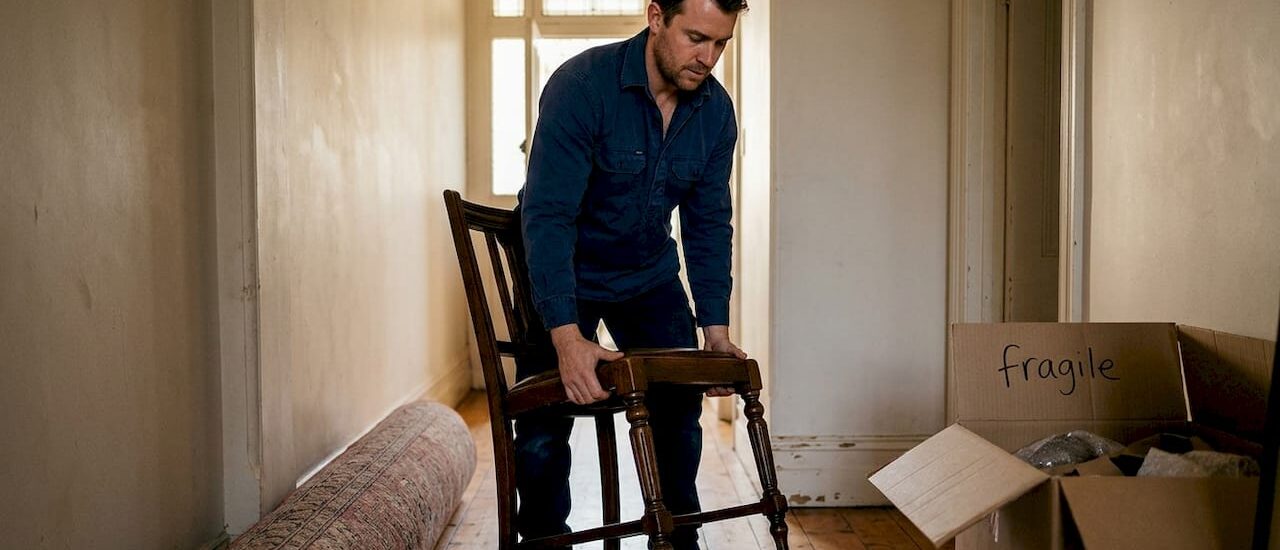
Mishandling compounds these risks. Lifting antique chairs by their arms rather than structural bases breaks delicate joints. Laying framed artwork flat allows weight to stress canvas or glass. Tipping potted plants damages root systems and snaps branches. Understanding these vulnerabilities explains why packing fragile items demands specialised knowledge rather than general moving experience.
Pro Tip: Always ask your mover about the specific packing materials used for your items to ensure archival safety. Request details about acid-free tissue, foam grades, and crate construction methods before booking.
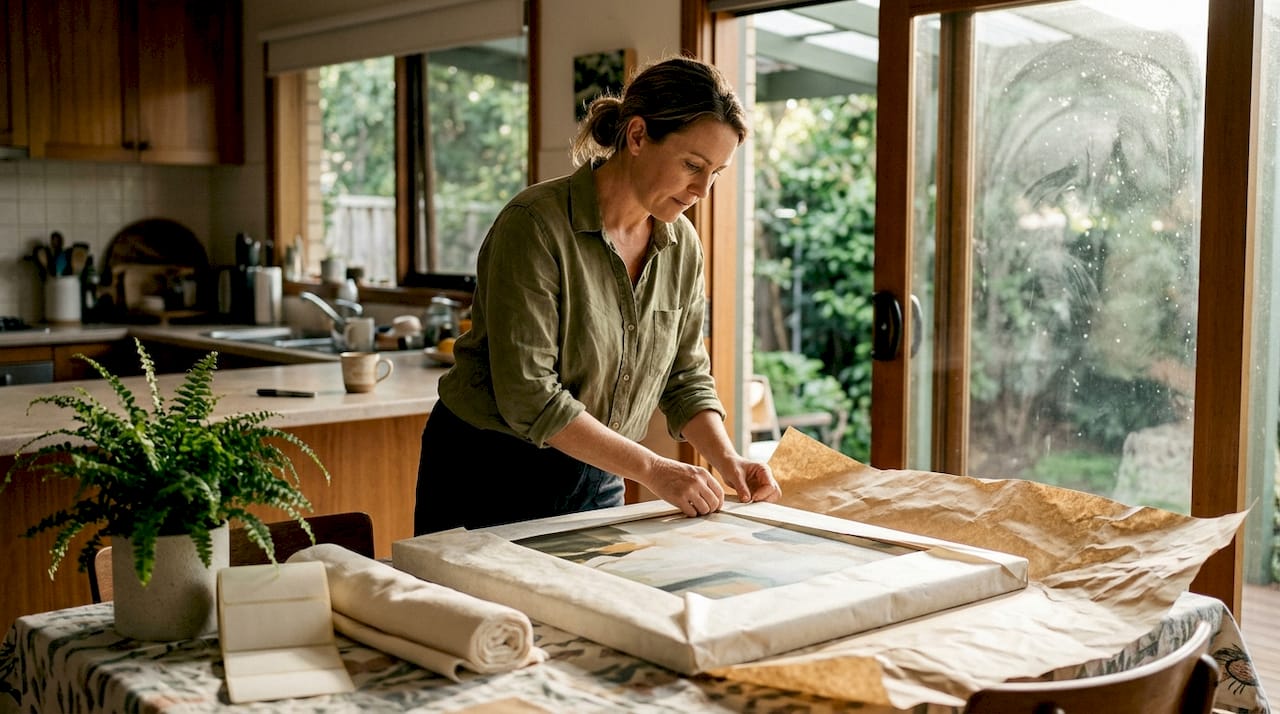
Each specialty item category demands tailored packing approaches that address its unique vulnerabilities. Artwork requires acid-free tissue, bubble wrap, foam corner protectors, and picture boxes with proper labelling to prevent damage. The process begins by documenting the piece’s condition with photographs, then applying glassine paper directly to the surface before layering protective materials. Corner protectors prevent frame damage, whilst custom-sized boxes eliminate movement during transit.
The following table compares essential packing requirements across common specialty items:
| Item type | Primary materials | Critical techniques | Common mistakes to avoid |
|---|---|---|---|
| Framed artwork | Acid-free tissue, foam corners, picture boxes | Glass protection, upright positioning | Using newspaper, laying flat |
| Antique furniture | Moving blankets, foam padding, climate control | Disassembly, structural lifting | Lifting by decorative elements |
| Indoor plants | Breathable wrapping, moisture retention, ventilation | Root ball securing, branch support | Plastic bag suffocation |
| Sculptures | Custom crating, foam inserts, suspension systems | Weight distribution, base support | Generic box sizing |
Antique furniture handling includes disassembly, wrapping in moving blankets, climate control, and lifting from structural points. Remove drawers, doors, and detachable elements before wrapping. Apply foam padding to carved details and protruding elements. Document hardware locations with photographs and label bags clearly. Climate-controlled transport prevents finish damage from temperature fluctuations.
Delicate plants require different considerations. Transporting plants safely involves securing root balls, supporting branches, and maintaining appropriate moisture levels. Water plants two days before moving to ensure hydration without waterlogged soil. Wrap foliage loosely in breathable paper, never plastic. Position plants upright in boxes with ventilation holes, cushioning pots to prevent tipping.
Precautions when handling antiques preserve their integrity:
Pro Tip: Label all packages clearly with handling instructions and fragile warnings to ensure careful treatment. Use bright-coloured labels with directional arrows indicating proper orientation.
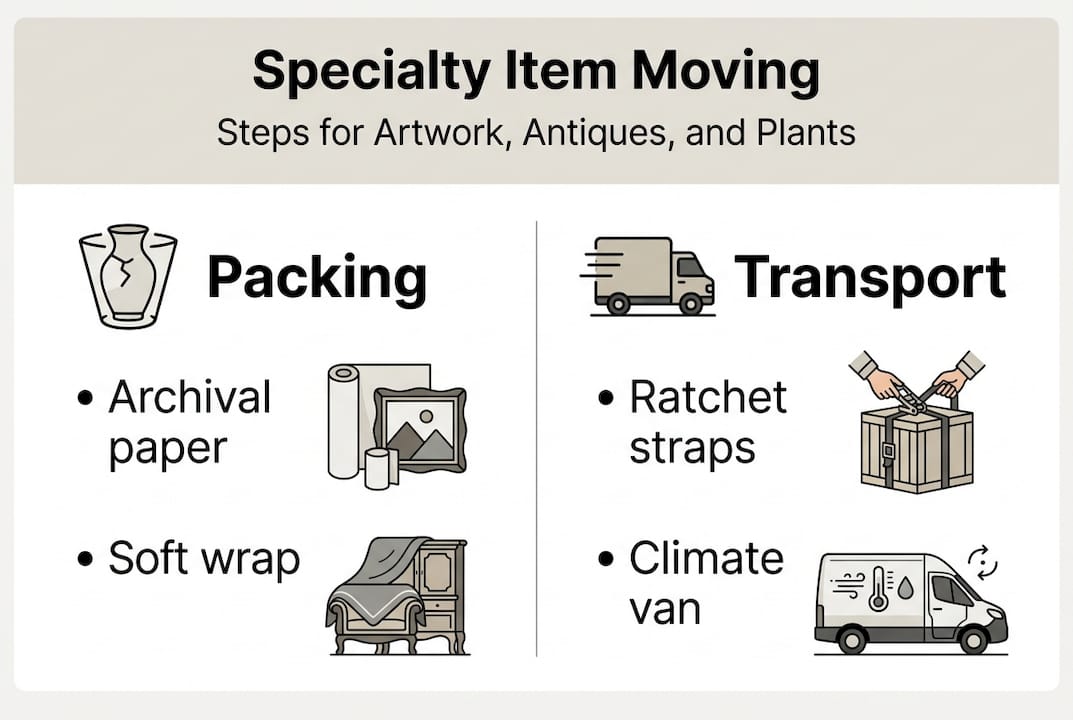
The loading sequence directly impacts specialty item safety during transit. Loading fragile items last on and first off, keeping artwork and plants upright, using air-ride trucks to reduce vibration, and securing items prevents damage. Professional removalists follow systematic approaches that maximise protection:
Vehicle suspension systems significantly affect vibration transmission to cargo. The comparison below illustrates key differences:
| Suspension type | Vibration reduction | Best for | Limitations |
|---|---|---|---|
| Standard leaf spring | Minimal | General household goods | High vibration transfer |
| Air-ride suspension | 70-80% reduction | Artwork, antiques, electronics | Higher rental costs |
| Hydraulic suspension | 60-70% reduction | Mixed loads with some fragile items | Moderate cost increase |
Upright positioning proves critical for artwork and plants. Laying framed pieces flat concentrates weight on canvas or glass, causing stress fractures. Plants laid sideways experience stem damage and soil displacement. Professional removalists construct vertical storage systems within trucks, using padded dividers to separate items whilst maintaining proper orientation.
Professional techniques prevent 85% of damage claims whilst over 20% of DIY attempts experience damage due to improper materials and handling. The difference stems from systematic approaches, specialised equipment, and experience recognising vulnerability points that amateur movers overlook.
Lifting techniques matter enormously for antique furniture. Structural points, typically where legs meet the frame, distribute weight safely. Decorative elements like arms, spindles, or carved details cannot support the piece’s weight and break under stress. Professional movers identify load-bearing structures before lifting, using proper body mechanics and team coordination.
Securing items prevents the shifting that causes most transit damage. Ratchet straps anchor large pieces to truck walls. Foam blocks fill gaps between items. Moving blankets provide cushioning whilst preventing surface scratches. This multilayered approach creates a stable cargo environment that withstands braking, acceleration, and road irregularities.
Deciding between professional services and DIY approaches requires honest assessment of your items, skills, and resources. The following comparison highlights critical factors:
| Factor | Professional removals | DIY approach |
|---|---|---|
| Packing materials | Archival-quality, specialised supplies | Often substandard, items you shouldn’t pack |
| Damage risk | 85% reduction in claims | 20%+ experience damage |
| Insurance coverage | Comprehensive transit insurance | Limited homeowner’s policy coverage |
| Time investment | Minimal client involvement | Extensive research and execution |
| Physical demands | Professional team handles all lifting | Risk of personal injury |
| Cost | Higher upfront, lower risk | Lower upfront, higher damage potential |
Scenarios where DIY might work include:
Professionals become essential when:
Professional techniques prevent 85% of damage claims whilst over 20% of DIY attempts experience damage due to improper materials and handling. This stark difference reflects the compound effect of expertise across packing, loading, transport, and unloading phases. A single mistake at any stage compromises the entire move.
Cost considerations extend beyond initial quotes. DIY moves require purchasing specialised packing materials, potentially renting appropriate vehicles, and investing substantial time in research and execution. Damage to a single valuable item easily exceeds professional moving costs. Insurance gaps in homeowner’s policies often leave DIY movers personally liable for transit damage.
Melbourne’s professional removalists bring accreditation, insurance, and proven systems. Professional packing services include material costs, expert execution, and accountability for outcomes. Comparing professional packing vs DIY reveals that apparent savings often disappear when accounting for material costs, time value, and risk exposure.
Experience matters profoundly with specialty items. Professionals recognise vulnerability points, understand material behaviours, and anticipate problems before they occur. This expertise, developed over hundreds of moves, cannot be replicated through internet research or good intentions.
Protecting your valuable possessions during relocation demands expertise, proper materials, and systematic approaches that only experienced professionals consistently deliver. Onyx Removals specialises in the careful handling of artwork, antiques, and delicate plants throughout Melbourne, using archival-quality packing materials and proven techniques that prevent the damage common in standard moves.
Our teams understand that specialty items represent more than monetary value. Family heirlooms, collected artwork, and cherished plants carry irreplaceable memories and personal significance. We treat each piece with the individual attention it deserves, from initial assessment through final placement in your new space. Our residential removal services incorporate specialised handling protocols as standard, ensuring your unique possessions receive expert care throughout the moving process.
Whether you need comprehensive professional packing services or prefer handling some aspects yourself, we tailor our approach to your preferences and budget. Our packing and unpacking services offer flexible options that let you choose the level of support that suits your situation. Contact us for a detailed assessment of your specialty items and a transparent quote that reflects the care your possessions deserve.
Specialty item removal refers to the careful packing, handling, and moving of unique, fragile, or valuable possessions like artwork, antiques, and delicate plants to prevent damage during relocation. Standard moving methods use materials and techniques inadequate for these items’ specific vulnerabilities. Professional specialty removals employ archival-quality packing materials, climate-controlled transport, and expert handling protocols that protect items throughout the moving process, preventing the damage that occurs in over 20% of DIY attempts.
Professional removalists use acid-free tissue, bubble wrap, foam corner protectors, picture boxes, and label packages as fragile with upright arrows. The process begins with photographic documentation, then applies glassine paper directly to artwork surfaces before layering protective materials. Custom-sized boxes eliminate movement during transit, whilst corner protectors prevent frame damage. This systematic approach using proper artwork moving techniques addresses every vulnerability point from packing through final placement.
Improper handling causes structural damage; improper padding and climate conditions warp or degrade antiques. Antiques disassembled incorrectly may break at weak joints that amateur movers fail to identify. Lifting by decorative elements rather than structural points stresses pieces beyond their design limits. Lack of climate control during transport causes wood expansion and contraction that loosens joints and cracks finishes. DIY attempts typically overlook these critical considerations, leading to damage that professional heavy furniture moving techniques prevent through systematic assessment and execution.
Professionals prevent 85% of damage claims; DIY risks increase with high-value, bulky, or numerous specialty items. When items exceed $5,000 in value or hold irreplaceable sentimental worth, professional services provide essential protection and accountability. Multiple specialty pieces requiring coordinated handling justify professional expertise, as does lack of experience with proper packing techniques. Small, low-value moves may be feasible DIY with proper preparation, but understanding the professional packing vs DIY comparison helps you make informed decisions based on your specific situation and risk tolerance.

No Related Post


