



Moving into a rental property feels like a fresh start and a huge step all at once. Did you know that more than 36 percent of Americans choose renting over home ownership, and this number keeps growing? It sounds like a simple move, but the real story is that renting shapes your financial freedom, legal standing, and even your sense of home in ways most people never expect.
| Takeaway | Explanation |
|---|---|
| Understand your rental rights | Knowing your tenant rights prevents exploitation and ensures fair treatment during your tenancy. |
| Thoroughly review lease agreements | Carefully examine lease terms, including costs and responsibilities, to avoid misunderstandings. |
| Plan your move strategically | Organise all aspects of your move, from logistics to budgeting, to reduce stress. |
| Research the rental market | Awareness of local housing trends helps in making informed renting decisions and negotiating better terms. |
| Engage with property managers | Good communication with property managers can address concerns and smoothen the transition process. |
Moving into a rental property represents a significant life transition that goes beyond simply changing physical locations. It involves navigating complex legal, financial, and personal considerations that can profoundly impact an individual’s living experience and financial stability.
A rental property is more than just a temporary living space. It is a legally binding arrangement where tenants gain the right to occupy a premises in exchange for periodic rent payments. This arrangement creates a unique relationship between tenant and property owner, governed by specific rights and responsibilities.
Massachusetts Attorney General’s Guide highlights that understanding these dynamics is crucial for a smooth tenancy. The significance of moving into a rental property extends far beyond the physical move itself and encompasses several critical aspects:
Before signing a lease and moving into a rental property, tenants must conduct thorough due diligence. This involves carefully reviewing lease terms, understanding utility responsibilities, assessing the property’s condition, and comprehending local rental regulations.
Rental properties come with unique challenges and opportunities. They provide flexibility for individuals who may not want long-term property ownership, offering mobility and reduced maintenance responsibilities. However, they also require careful navigation of tenant-landlord relationships and potential limitations on personalizing living spaces.
By approaching a rental property move strategically, individuals can transform a potentially stressful transition into an opportunity for personal growth and stable living arrangements. The process demands attention to detail, financial planning, and a clear understanding of one’s rights and obligations as a tenant.
The rental market is a complex ecosystem of supply, demand, economic factors, and individual housing needs. Understanding this market is crucial for tenants seeking not just a place to live, but a strategic housing solution that aligns with their personal and financial circumstances.
Rental markets are driven by intricate interactions between economic conditions, population trends, and local housing policies. These factors collectively determine rental availability, pricing, and overall accessibility for potential tenants.
Federal Reserve Bank of St. Louis indicates that rental markets are experiencing significant transformations, with increasing numbers of people choosing renting as a preferred housing option. This shift has profound implications for tenants:
Navigating the rental market requires more than passive observation. Successful tenants develop a nuanced understanding of local housing trends, vacancy rates, and potential negotiation strategies. This knowledge empowers them to make informed decisions about where and when to rent.
Rental markets are not uniform across different regions or property types. Factors such as location, property condition, amenities, and local economic health significantly influence rental dynamics. Tenants who comprehend these variables can better position themselves to secure advantageous rental arrangements that meet their specific needs and budget constraints.
By approaching the rental market with strategic insight and comprehensive understanding, tenants transform from passive participants to informed consumers. This approach enables more confident decision-making, potentially leading to better living conditions and more sustainable housing choices.
Rental agreements form the foundational legal framework that governs the relationship between tenants and property owners. These documents are more than mere paperwork they represent a critical contract defining rights, responsibilities, and expectations for both parties.
A comprehensive rental agreement encompasses multiple critical elements that protect both tenant and landlord interests. These documents establish clear boundaries, financial obligations, and operational guidelines for the tenancy.
Legal Aid of West Virginia emphasizes the importance of understanding each clause within a rental agreement. Key components typically include:
To help clarify the components you should expect in a rental agreement, the table below summarises the essential elements and their roles in the tenancy process.
| Component | Description |
|---|---|
| Lease Duration | Specifies the exact rental period terms (e.g. 12 months, month-to-month) |
| Rental Costs | Outlines monthly payments and any additional fees |
| Maintenance Responsibilities | Defines obligations for repairs and property upkeep |
| Termination Procedures | Lists the process and requirements for ending the tenancy |
| Property Access | Details when and how the landlord can access the property |
Tenant rights represent a critical legal safeguard ensuring fair treatment and preventing potential exploitation. These rights vary across jurisdictions but generally cover fundamental aspects of residential occupancy such as privacy, safe living conditions, and protection against arbitrary eviction.
Rental agreements serve as a formal mechanism for establishing mutual expectations. They outline specific conditions under which both tenant and landlord must operate, including protocols for property access, maintenance requests, rent payment procedures, and potential lease termination scenarios.
By comprehensively understanding rental agreements, tenants can protect themselves from potential misunderstandings, establish clear communication channels with property owners, and ensure a stable, legally sound living arrangement. Knowledge of these key concepts transforms a simple housing transaction into a transparent, mutually respectful living partnership.
Property managers function as critical intermediaries in the complex landscape of rental housing, bridging the crucial gap between property owners and tenants. Their role extends far beyond simple administrative tasks, encompassing strategic management, conflict resolution, and operational oversight.
Property managers serve as the primary point of contact and operational backbone for rental properties. They are responsible for maintaining the property’s value, ensuring tenant satisfaction, and protecting the property owner’s financial interests through comprehensive management strategies.
National Multifamily Housing Council highlights the multifaceted nature of property management. Their core responsibilities include:
Understanding the roles property managers play can help tenants know what to expect during their rental journey. The following table outlines the main operational responsibilities of property managers as mentioned in the article.
| Responsibility | Description |
|---|---|
| Tenant Screening | Evaluating potential renters for reliability and financial stability |
| Maintenance Coordination | Managing repairs, maintenance requests, and property upkeep |
| Financial Management | Handling rent collection, expense tracking, and financial records |
| Move-In/Out Inspections | Conducting inspections when tenants move in or out |
| Conflict Resolution | Mediating and resolving disputes between tenants and owners |
Property managers play a pivotal role in managing the complex process of tenant turnover. This involves conducting thorough move-in and move-out inspections, managing security deposits, addressing maintenance issues, and ensuring seamless transitions between occupants.
Their expertise helps mitigate potential conflicts by establishing clear communication channels, implementing standardized procedures, and maintaining comprehensive documentation. Property managers essentially act as professional mediators, balancing the interests of property owners and tenants while maintaining the property’s operational integrity and financial performance.

By providing professional oversight, property managers transform rental properties from simple real estate assets into well-managed, efficiently operated living spaces. Their strategic approach ensures a stable, responsive, and professionally managed rental environment that benefits all stakeholders involved.
Moving into a rental property represents a complex logistical and emotional journey that requires strategic preparation and comprehensive planning. Successful transitions demand more than physical relocation they involve careful consideration of numerous interconnected factors that impact overall residential satisfaction.
Effective move preparation transcends simple packing and transportation. It involves a holistic approach that encompasses financial planning, logistical coordination, and personal adaptation to a new living environment. Tenants must develop a multifaceted strategy that addresses practical requirements and personal preferences.
Preparing for a rental move involves evaluating multiple dimensions of residential transition. This includes understanding financial implications, assessing property suitability, and developing a structured approach to relocation. Moving Tips Melbourne emphasizes the importance of comprehensive planning in reducing relocation stress.
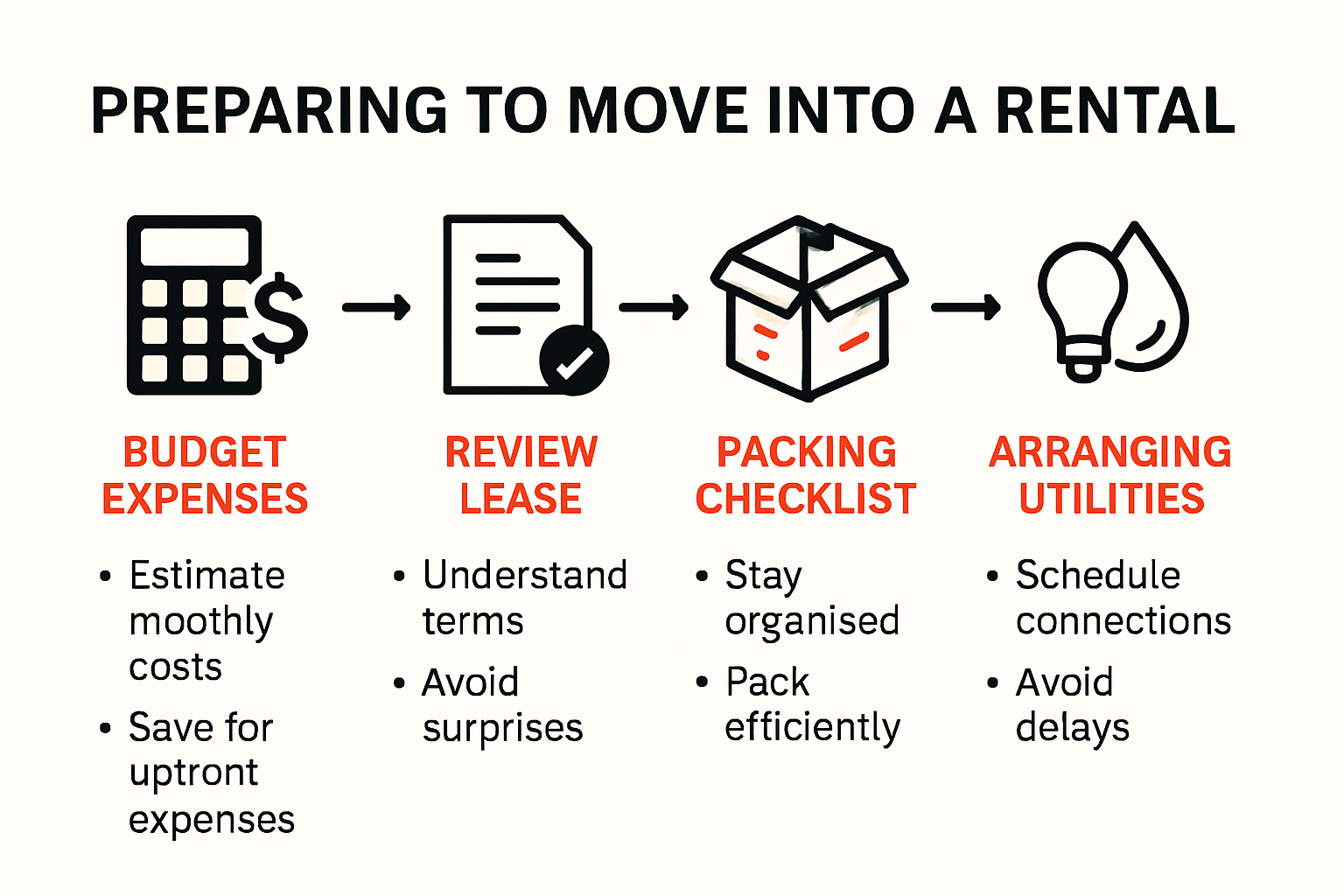
Careful preparation transforms a potentially overwhelming experience into a structured, manageable process. By anticipating potential challenges and developing proactive solutions, tenants can significantly reduce relocation stress and create a smoother transition into their new living space.
Planning allows individuals to approach rental moves as strategic life transitions rather than mere physical relocations. This approach enables tenants to make informed decisions, protect their financial interests, and establish a solid foundation for their new living arrangement.
Ultimately, meticulous preparation is the cornerstone of a successful rental property move. By investing time and effort into comprehensive planning, tenants can convert a potentially complex process into an opportunity for personal growth and positive lifestyle transformation.
Moving into a rental property is a big step – it comes with legal paperwork, budgeting worries, and the fear of starting over somewhere new. The article highlights just how overwhelming it can be to juggle lease agreements, financial planning, and the need to minimise stress during your transition. These are moments when you want to feel secure, supported, and genuinely understood.

Why risk delays, missed details, or last-minute headaches? Our Melbourne-based team at Onyx Removals is built around your unique rental move. We handle everything from careful packing and trustworthy transport to convenient waste disposal and cleaning solutions. Each service is designed for renters who want a quick, smooth changeover and total peace of mind. If you are planning your move now, get a personalised quote or learn more about our tailored residential moving services so you can move in relaxed, fully organised, and ready for your new chapter.
It’s essential to review lease terms, understand utility responsibilities, assess the property’s condition, and become familiar with local rental regulations.
Budget for moving expenses, monthly rent, and any initial costs such as security deposits and utility setup fees to ensure financial stability during the transition.
Important components include lease duration, rental costs, maintenance responsibilities, and termination procedures, which outline your obligations and rights as a tenant.
Property managers act as intermediaries between tenants and property owners, handling tenant screening, maintenance coordination, and ensuring smooth transitions, helping to mitigate potential conflicts.

No Related Post


