



Backloading is quietly changing how stuff gets moved around Australia and saving heaps along the way. Some trucks spend up to 30 percent of their time completely empty on the road. Sounds backwards right? But smart operators are turning those empty kilometres into profit by filling every return trip. The secret is, backloading is not just about cost but actually reshapes how businesses think about transport from the ground up.
| Takeaway | Explanation |
|---|---|
| Maximise vehicle efficiency | Backloading enables vehicles to generate revenue during return trips by utilising available cargo space. |
| Reduce transportation costs | By combining multiple loads, businesses can significantly lower per-unit transportation expenses with backloading services. |
| Minimise environmental impact | Backloading decreases unnecessary vehicle movements, leading to lower carbon emissions and more sustainable logistics practices. |
| Flexible logistics solutions | This approach allows businesses to adapt shipping strategies to incorporate varied cargo, enhancing operational efficiency. |
| Enhance operational capabilities | Real-time cargo tracking and route optimisation enable transport operators to create effective backloading arrangements. |
Backloading represents a strategic transportation and logistics approach designed to maximise vehicle efficiency and reduce operational costs by utilising return trips or available cargo space. Unlike traditional transportation methods that often involve vehicles returning empty after delivering goods, backloading allows businesses and transporters to optimise their resources by finding alternative cargo or freight for the return journey.
At its fundamental level, backloading is about transforming what would typically be an unproductive return trip into a revenue-generating opportunity. When a truck or transport vehicle completes a delivery to a specific destination, instead of returning empty, it can be loaded with alternative cargo heading back towards its original starting point or another suitable location. This approach significantly reduces transportation expenses and minimises unnecessary vehicle movements.
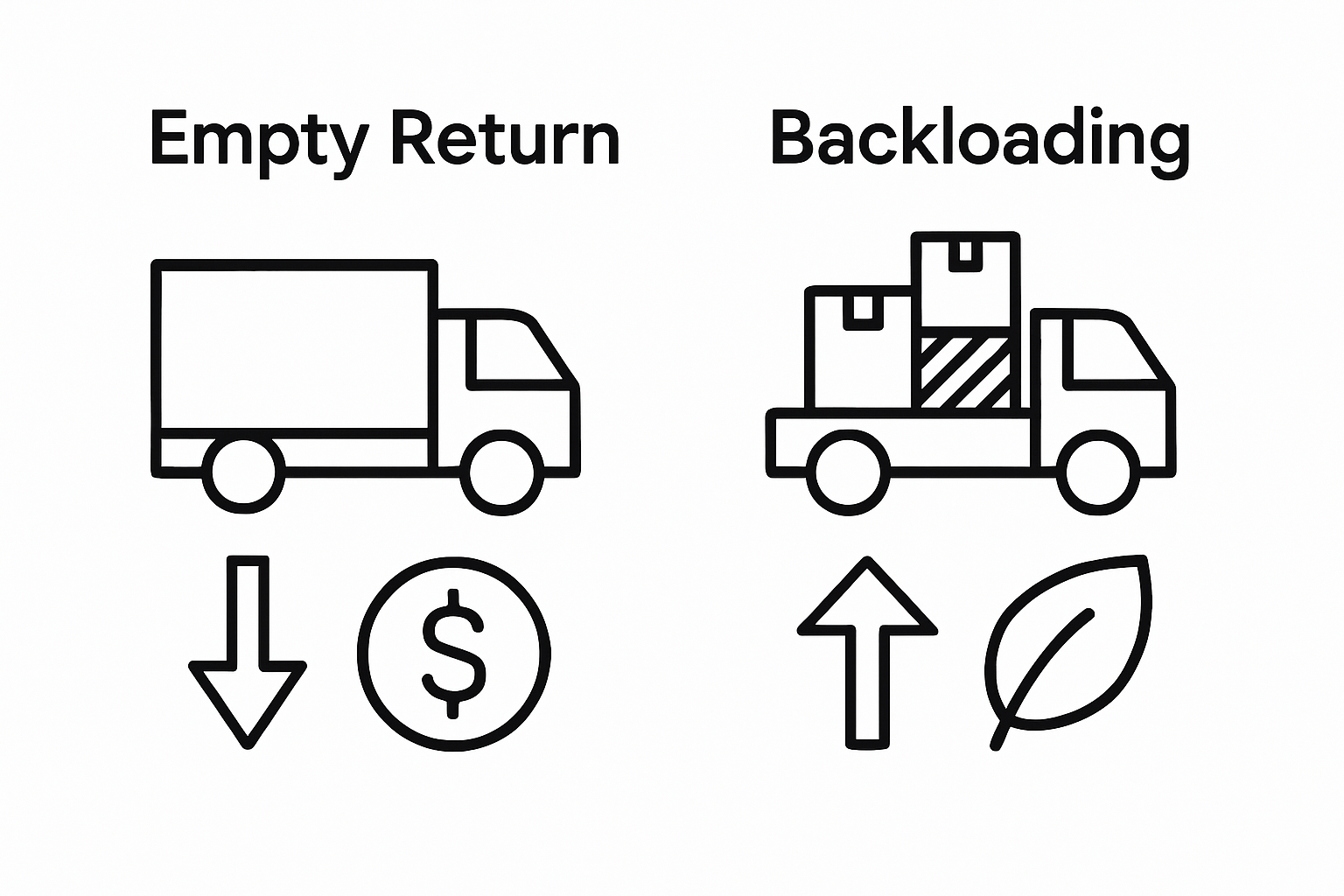
Key characteristics of backloading include:
According to the National Heavy Vehicle Regulator, backloading provides substantial economic advantages for transport operators. By finding complementary freight loads for return journeys, businesses can offset transportation expenses and improve their operational efficiency. This approach not only reduces financial strain but also contributes to more sustainable transportation practices by decreasing unnecessary vehicle movements and associated carbon emissions.
Backloading essentially transforms what would be an unproductive journey into a profitable and environmentally conscious transportation strategy, offering a win-win solution for businesses seeking to optimise their logistics operations while maintaining cost-effectiveness and reducing their carbon footprint.
Below is a table comparing key economic and environmental benefits of backloading, helping you quickly contrast their impact on transport operations in Australia.
| Benefit Type | Description | Example in Practice |
|---|---|---|
| Economic | Reduces costs by sharing loads and maximising vehicle capacity during return trips | Lower per-unit transport costs by combining multiple loads |
| Environmental | Cuts carbon emissions through fewer unnecessary vehicle movements and better vehicle utilisation | Reduced fuel use and greenhouse gases from optimised routes |
| Operational | Enables flexible logistics solutions and increases fleet efficiency | Realtime tracking, route optimisation, and multi-client use |
| Financial | Offsets expenses by generating revenue on what would otherwise be empty journeys | More regular cash flow for transport operators |
| Sustainability | Promotes greener logistics and demonstrates business responsibility in supply chain management | Lower environmental impact for retail and agriculture moves |
Backloading has become an increasingly critical strategy in modern transportation and logistics, offering significant advantages for businesses, individuals, and the broader environment. By transforming traditionally inefficient transportation models, backloading provides a comprehensive solution that addresses economic, operational, and sustainability challenges.
In the transportation industry, empty return trips represent substantial financial waste. Backloading directly tackles this inefficiency by enabling vehicles to generate revenue during what would otherwise be unproductive journeys. For businesses managing extensive transport networks, this approach can dramatically reduce per-kilometre operational costs. By finding complementary cargo or sharing transport capacity, companies can effectively spread transportation expenses across multiple clients or cargo types.
Key operational benefits include:
According to the National Heavy Vehicle Regulator, backloading contributes significantly to sustainable transportation practices. By reducing unnecessary vehicle movements, this approach directly decreases carbon emissions and environmental impact. Transport vehicles consume substantial fuel and generate significant greenhouse gases, so optimising their capacity and reducing empty return trips can lead to meaningful ecological benefits.
For businesses interested in understanding moving equipment and how it relates to efficient transport strategies, backloading represents an innovative approach to resource management. The practice not only makes economic sense but also demonstrates a commitment to more responsible and environmentally conscious logistics operations.
Backloading operates through a sophisticated network of logistics coordination, transportation brokers, and digital platforms that connect businesses with complementary shipping requirements. The process involves complex matching algorithms and strategic planning to ensure efficient cargo transportation across different routes and industries.
The practical implementation of backloading relies on intricate matching systems that identify potential cargo opportunities for return journeys. Transport operators and logistics companies use specialised digital platforms to connect carriers with businesses needing freight transportation. These platforms analyse available vehicle capacity, planned routes, and potential cargo requirements to create optimal transportation solutions.
Key coordination elements include:
According to the National Heavy Vehicle Regulator, successful backloading requires meticulous load assessment and verification. Transport operators must ensure that potential return loads meet specific criteria, including weight distribution, legal transportation requirements, and compatibility with existing vehicle configurations. This verification process helps maintain safety standards and operational efficiency.
For moving equipment considerations, backloading requires careful assessment of vehicle capabilities, cargo characteristics, and potential transportation constraints. Operators must evaluate factors such as vehicle capacity, load stability, and route-specific regulations to create successful backloading arrangements.
The process transforms what might seem like a complex logistical challenge into a streamlined, efficient transportation strategy that benefits multiple stakeholders across various industries.
To clarify, here is a table outlining the main practical mechanisms and procedures involved in successful backloading operations as discussed in this section.
| Process Stage | Key Activity or Tool | Purpose |
|---|---|---|
| Cargo Matching | Digital platforms and matching algorithms | Identifies suitable freight for return trips |
| Route Optimisation | Route planning tools and analytics | Maximises efficiency and minimises empty kilometres |
| Real-Time Tracking | Live cargo status updates | Allows dynamic adjustment and coordination |
| Load Verification | Assessment of cargo weight, legal requirements, and vehicle compatibility | Ensures safety and operational compliance |
| Pricing Mechanism | Dynamic or shared pricing models | Distributes transportation costs across multiple parties |
| Network Integration | Connecting operators, brokers, and businesses within a logistics network | Expands access to backloading opportunities |
Backloading services offer a comprehensive solution for businesses and individuals seeking efficient, cost-effective, and environmentally responsible transportation options. By leveraging innovative logistics strategies, these services provide multiple advantages that extend far beyond traditional transportation approaches.
The primary economic benefit of backloading services lies in their ability to significantly reduce transportation costs. Traditional shipping methods often involve paying for entire vehicle capacity, even when cargo does not fully utilise the available space. Backloading allows clients to share transportation expenses by combining multiple loads within the same vehicle journey. This approach dramatically lowers per-unit transportation costs, making it an attractive option for businesses looking to optimise their logistics expenditure.
Key economic benefits include:
Backloading services contribute substantially to operational efficiency and environmental sustainability. By minimising empty return trips and maximising vehicle capacity, these services reduce unnecessary vehicle movements and associated carbon emissions. Transport vehicles consume significant fuel and generate considerable greenhouse gases, so optimising their usage represents a meaningful approach to reducing environmental impact.
According to research examining transportation strategies, backloading presents an innovative approach to managing logistical challenges while simultaneously addressing environmental concerns. This method demonstrates how economic objectives can align with sustainable practices.
For businesses interested in understanding moving equipment and exploring more efficient transportation solutions, backloading services offer a strategic pathway to achieving both cost savings and environmental responsibility. The approach transforms traditional transportation models by creating more intelligent, responsive, and resource-efficient logistics networks.
Backloading demonstrates remarkable versatility across multiple industries, transforming transportation strategies and creating innovative solutions for complex logistical challenges. By understanding practical implementations, businesses can appreciate the substantial potential of this approach in various operational contexts.
In the retail sector, backloading has revolutionized supply chain management. Imagine a furniture retailer shipping products from a manufacturing facility to distribution centres. Instead of returning empty, the same truck can collect returned merchandise, damaged goods, or even collect products from smaller regional suppliers. This approach minimises transportation costs and maximises vehicle utilisation, creating a more efficient distribution network.
Key retail backloading scenarios include:
The agricultural sector provides compelling examples of backloading’s effectiveness. Farmers and agricultural businesses can coordinate transportation of produce, equipment, or raw materials by sharing vehicle capacity. A truck delivering agricultural machinery to a rural area can return with a load of agricultural products, effectively reducing transportation expenses for multiple stakeholders.
According to the National Heavy Vehicle Regulator, strategic load management is crucial in these complex transportation scenarios. By understanding vehicle capacity, route optimization, and cargo compatibility, businesses can create more sustainable and cost-effective transportation solutions.
For businesses interested in understanding moving equipment, these real-world examples demonstrate how backloading transforms traditional transportation models. The approach goes beyond simple cost reduction, offering a sophisticated strategy for resource optimization across diverse industries.
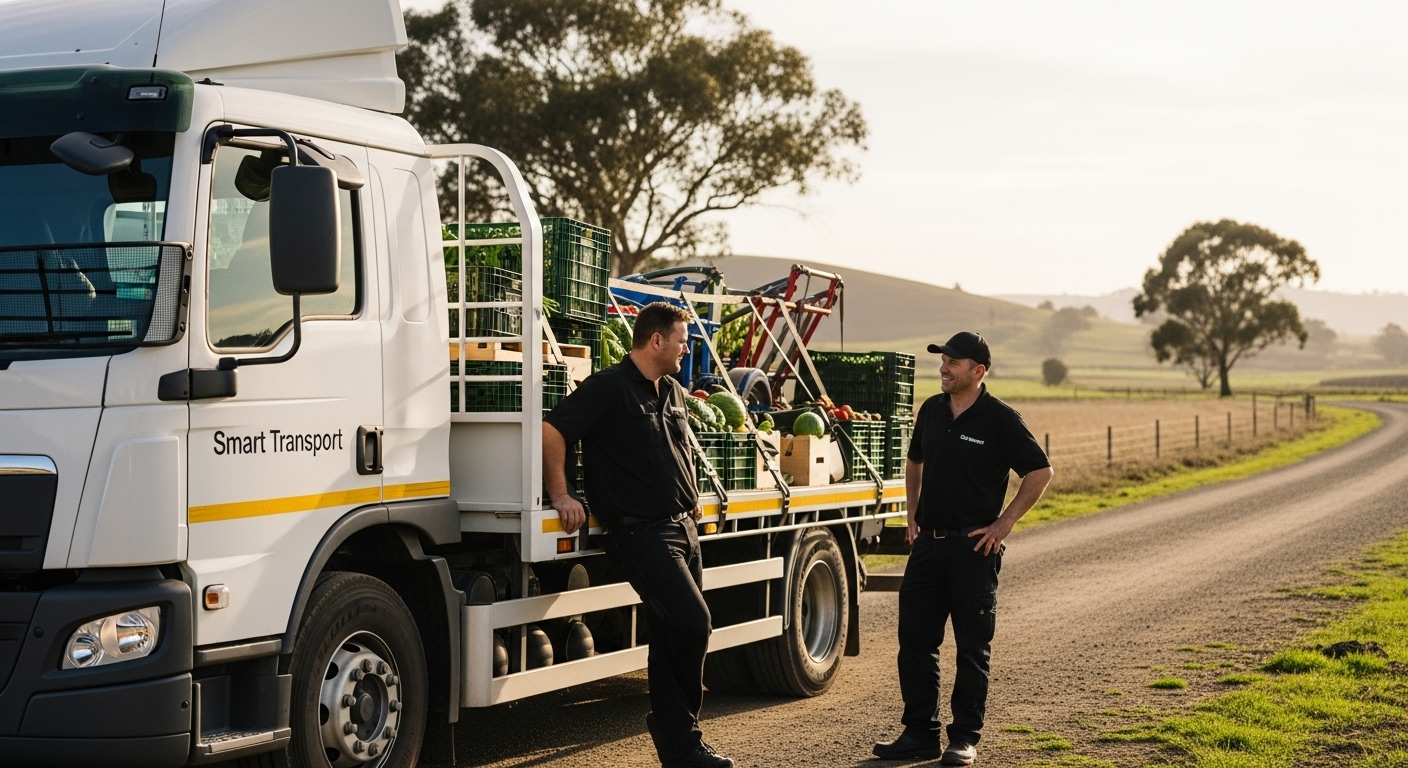
Understanding the true value of backloading can completely change how you approach your next move. If you are worried about empty trips, wasted costs or finding greener ways to relocate, you are not alone. As highlighted in our article, many people struggle with the headache of unused space and unnecessary expenses during transport. Backloading not only saves money but also helps cut down on environmental impact, giving you a smarter, more responsible way to move.
At Onyx Removals, we specialise in backloading solutions for both homes and businesses across Melbourne. Our team will tailor a moving plan that makes use of every kilometre, whether you need residential moving, commercial relocation or support with specialty moving needs. Stress less knowing your move supports both your budget and the environment. Visit our main site now to book your cost-effective and sustainable removal with experts who understand the power of backloading. Get your quote and move smarter today.
Backloading is a transportation strategy that involves using available cargo space in vehicles on return trips after delivering goods, enabling businesses to reduce costs and improve resource efficiency.
Backloading services offer reduced transportation expenses, increased vehicle capacity utilisation, and environmental benefits by minimising unnecessary vehicle movements and associated carbon emissions.
In practice, backloading involves logistics coordination that connects transport operators with businesses needing freight services, using technology to match available vehicle capacity with potential cargo opportunities for return journeys.
Backloading is beneficial across various industries, including retail, agriculture, and industrial logistics, where it enhances supply chain efficiency by optimally using transportation resources.

No Related Post


