



A rental bond is usually the biggest upfront expense for Aussie renters, often adding up to 4 to 6 weeks of rent locked away until the end of your lease. Most people only focus on getting this money back when their tenancy winds up and hope for the best. The real story though is that how you handle your bond now can make or break your chances of snagging that perfect future rental and even save you a small fortune when you next move.
| Takeaway | Explanation |
|---|---|
| Understand the rental bond purpose | A rental bond protects landlords against damages or lease violations by tenants. It ensures accountability in rental agreements. |
| Complete thorough property cleaning | Professional cleaning significantly increases the chances of getting your full bond back at the end of the lease. |
| Document property condition and communication | Keeping detailed records and photographs of the property helps resolve disputes and supports bond recovery. |
| Follow proper bond refund procedures | Ensure all rental payments are current and submit the bond refund request through official channels to streamline the process. |
| Build a positive rental history | Consistently receiving full bond refunds reflects reliability, aiding future rental applications in competitive markets. |
A rental bond represents a financial security mechanism designed to protect property owners from potential financial risks associated with renting out their property. When tenants enter a rental agreement, they are required to pay a specific amount of money upfront, which serves as a safeguard for the property owner against potential damages or lease violations.
The rental bond functions as a form of financial protection that ensures landlords have recourse if tenants cause significant property damage beyond normal wear and tear or fail to meet their contractual obligations. According to Consumer Protection WA, this payment covers potential costs rental providers might incur when a tenant moves out.
Typically, the bond amount is calculated as a percentage of the weekly rental rate and is held by a government regulatory body. For residential properties, this is usually equivalent to 4-6 weeks of rent, providing a substantial buffer for property owners against potential financial losses.
Rental bonds have several important characteristics that distinguish them from other forms of property security:
The primary purpose of a rental bond extends beyond mere financial protection. It creates a mutual accountability framework between tenants and property owners, encouraging responsible property usage and maintaining transparent rental relationships. By requiring tenants to invest financially in the property’s condition, landlords can mitigate potential risks and ensure proper property maintenance throughout the tenancy period.
Under standard rental agreements, the bond is typically lodged with the relevant state’s residential tenancy authority within a specific timeframe. Tenants are entitled to receive a receipt confirming the bond’s registration, which protects their rights and ensures proper documentation of the transaction.
The following table summarises the key characteristics of rental bonds, helping clarify their main features and what sets them apart in Australian tenancy arrangements.
| Characteristic | Description |
|---|---|
| Mandatory | Required by law in most Australian states and territories |
| Managed by Authority | Lodged and held by government tenancy agencies, not the landlord directly |
| Refundable | Returned at the end of tenancy if all terms are met and no significant issues arise |
| Financial Guarantee | Acts as a security for landlords in case of property damage or lease breaches |
| Supports Accountability | Encourages tenants to look after the property and comply with the rental agreement |
| Proof of Lodgement | Tenants should receive an official receipt confirming the bond is lodged |
While the bond provides significant protection for property owners, it also offers tenants an opportunity to demonstrate their reliability and commitment to maintaining the property in good condition. Successfully completing a tenancy and receiving a full bond refund can contribute positively to a tenant’s rental history and future housing opportunities.
Recovering your full rental bond represents more than just reclaiming a financial deposit it symbolizes a successful tenancy and directly impacts your future rental prospects. Financial prudence and responsible property management are critical factors in ensuring you receive the entire bond refund.
The rental bond typically represents a significant upfront expense for tenants, often equivalent to 4-6 weeks of rent. According to New South Wales Government, tenants can claim their bond refund through official channels, making the recovery process structured and transparent.
For many renters, the bond represents a substantial financial investment that can be crucial for future housing transitions. Recovering this money provides immediate financial relief and can serve as a critical fund for subsequent moving expenses or rental deposits.
Successfully retrieving your rental bond goes beyond immediate financial benefits. It contributes significantly to building a positive rental history, which can be instrumental in securing future accommodation. Property managers and landlords often review previous tenancy records when considering new rental applications.
Key factors that demonstrate tenant reliability include:
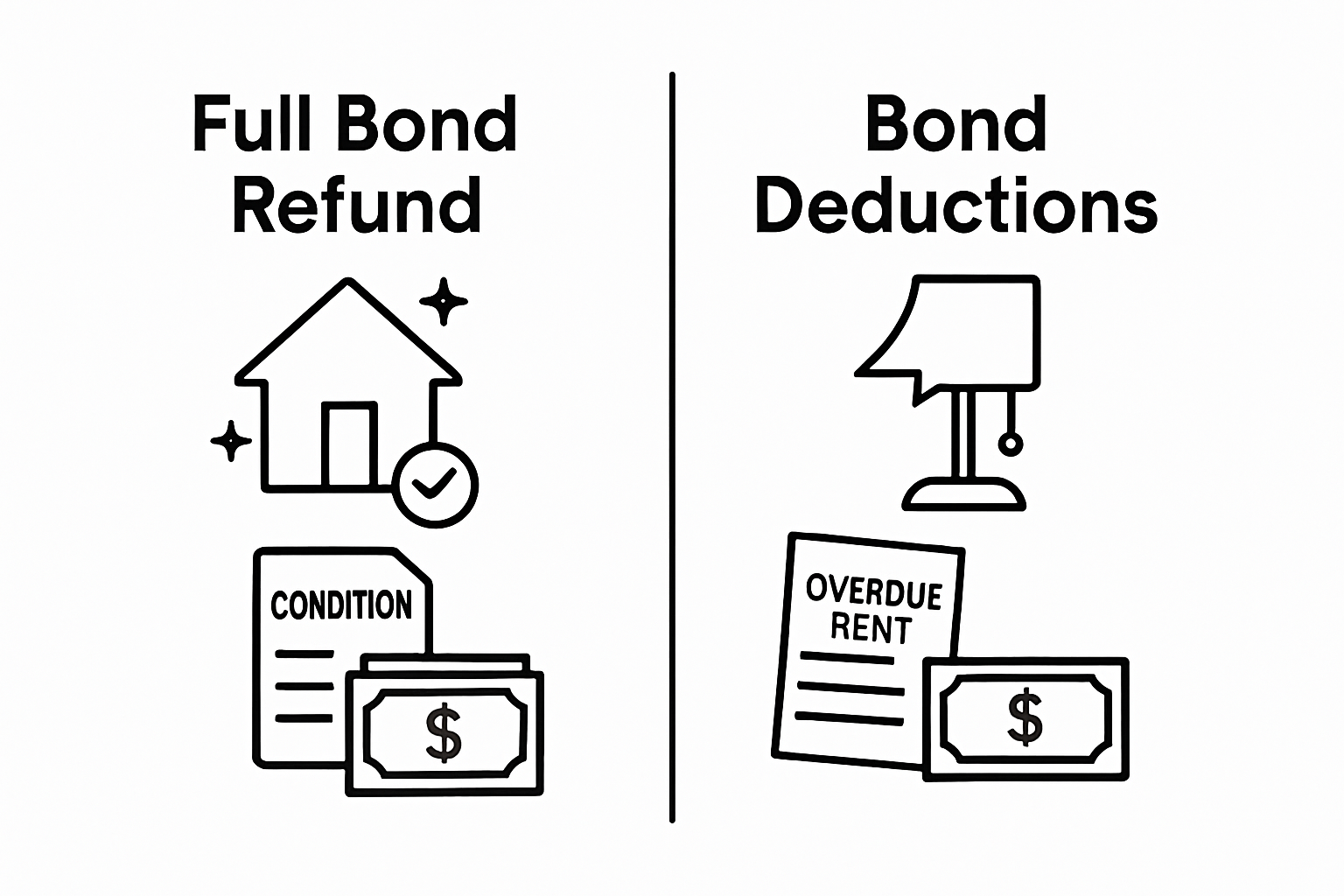
Tenants who consistently receive full bond refunds signal to future landlords that they are responsible, trustworthy, and committed to maintaining rental properties. This reputation can be particularly valuable in competitive rental markets where landlords have multiple applicants.
Moreover, a clean rental history can potentially help tenants negotiate better rental terms or secure more desirable properties. For those interested in maintaining their property in top condition, check out our cleaning tips for comprehensive guidance on preparing your rental for final inspection.
Ultimately, getting your rental bond back is not just about recovering a financial deposit. It represents a testament to your reliability as a tenant, financial responsibility, and ability to maintain a professional relationship with property owners. By understanding and implementing best practices throughout your tenancy, you maximize your chances of a full bond refund and strengthen your future rental prospects.
The rental bond refund process involves a structured series of steps designed to protect both tenants and property owners during the transition between tenancies. Understanding this process ensures a smooth and transparent resolution of the financial security deposit.
According to New South Wales Government, tenants can claim their bond refund through official online channels. The process begins when the tenant prepares to vacate the property and seeks the return of their original bond payment.
Key preparation steps before submitting a bond refund request include:
Once a tenant submits a bond refund request, the property owner has an opportunity to review the property’s condition and potentially make claims against the bond. This review process typically involves assessing:
If both parties agree on the bond refund amount, the process moves forward quickly. However, disagreements can lead to a more complex resolution mechanism involving residential tenancy authorities.
Should the property owner dispute the full bond refund, they must provide clear evidence of financial losses or property damage.
The burden of proof lies with the property owner to demonstrate that deductions are justified beyond standard wear and tear.
For tenants looking to maximize their chances of a full bond return, our cleaning tips provide comprehensive guidance on preparing your rental property for final inspection. Proper preparation can significantly improve the likelihood of recovering the entire bond amount.
The final stage involves the official processing of the bond refund through the relevant state’s residential tenancy authority. This government body ensures that the refund is handled transparently and in accordance with local tenancy regulations, protecting the rights of both tenants and property owners.
Recovering your full rental bond hinges on multiple interconnected factors that demonstrate your responsibility as a tenant. Understanding these critical elements can significantly impact the likelihood of receiving your complete bond refund.
The physical state of the property at the end of your tenancy is arguably the most crucial factor in bond recovery. Property managers meticulously assess every aspect of the rental space, looking for evidence of damage beyond standard wear and tear.
Key areas of scrutiny include:

Bond return is not solely about property condition. Financial and contractual obligations play an equally significant role. According to tenancy regulations similar to those in New Zealand’s tenancy guidelines, tenants must demonstrate complete compliance with lease terms.
Critical compliance factors include:
Professional cleaning can dramatically improve your chances of bond recovery. Thorough cleaning goes beyond basic tidying and requires comprehensive restoration of the property to its original condition. For tenants seeking detailed guidance, our cleaning activities offer comprehensive insights into professional-standard property preparation.
Property managers typically look for:
Ultimately, returning your rental bond requires a holistic approach combining meticulous property care, financial responsibility, and proactive communication with your property manager. By understanding and implementing these key factors, tenants can maximize their potential for a full bond refund, protecting both their financial investment and future rental reputation.
Rental bond disputes represent complex interactions between tenants and property owners that can significantly affect the financial outcome of a tenancy. Understanding the nuances of these disputes helps tenants navigate potential challenges and protect their financial interests.
To highlight potential challenges in the bond refund process, this table compares common sources of rental bond disputes and the dispute resolution mechanisms available to tenants and landlords in Australia.
| Common Dispute Source | Example Scenario | Resolution Mechanism |
|---|---|---|
| Property damage beyond wear and tear | Tenant causes significant marks or holes in walls | Negotiation, mediation, tribunal hearing |
| Unpaid rent | Rent is overdue at the end of the tenancy | Direct payment, mediation, official dispute resolution |
| Unsatisfactory cleaning | Property not cleaned to exit standard | Negotiation, third-party cleaning quotes, tribunal assessment |
| Breach of lease agreement | Tenant breaks a no-pets clause without permission | Mediation, documentation review, tribunal/authority involvement |
| Unauthorized modifications | Changes made to the property without landlord approval | Negotiation, property assessment, mediation/training |
Bond disputes typically emerge from disagreements about property condition, financial obligations, or interpretation of lease terms. Property owners may initiate claims against the bond for various reasons, creating potential barriers to full bond recovery.
Primary dispute triggers include:
According to Rental Dispute Resolution Victoria, specialized services exist to help resolve conflicts between tenants and property owners before escalating to formal legal proceedings. These mechanisms aim to provide fair and transparent resolution pathways.
Key dispute resolution strategies involve:
Navigating bond disputes requires strategic preparation and comprehensive documentation. Tenants must proactively manage potential conflict scenarios by maintaining detailed records throughout their tenancy. Our cleaning activities can help you understand comprehensive property maintenance strategies that minimize dispute risks.
Essential protective measures include:
Ultimately, bond disputes represent complex interactions requiring careful navigation. By understanding potential sources of conflict, leveraging available resolution mechanisms, and maintaining meticulous documentation, tenants can significantly reduce the likelihood of prolonged disputes and protect their financial interests during the bond refund process.
Moving out should not fill you with stress over cleaning, repairs, or missing out on your full rental bond refund. You have read how crucial it is to leave your property spotless and damage-free in order to secure your deposit and protect your rental history. That final inspection can feel overwhelming, especially with everything else on your plate.

Take the headache out of your move by letting the pros handle it all. Onyx Removals offers a tailored service approach for Melbourne tenants who want to impress their property managers and get every dollar of their bond back. Our expert team provides meticulous cleaning, secure packing, and reliable removals, removing all the guesswork and ensuring your old property is left in perfect condition. Visit Onyx Removals now and discover how our end-to-end moving solutions can help you reclaim your bond with confidence. For additional moving tips and cleaning advice, explore our cleaning tips page or get in touch for a quick quote. Book today and move forward stress-free.
A rental bond is a financial security deposit paid by tenants to landlords, serving as protection against potential damages or lease violations. It is usually equivalent to 4-6 weeks of rent.
To maximize your chances of receiving your full bond refund, ensure that the property is clean, any damages beyond normal wear and tear are repaired, all rent payments are up to date, and appropriate notice is provided before vacating.
Common sources of bond disputes include significant property damage beyond normal wear and tear, unpaid rent, unsatisfactory cleaning, and breaches of lease agreement conditions.
If your landlord disputes your bond refund, consider negotiating directly with them. If necessary, you can involve residential tenancy authorities for mediation or seek resolution through formal dispute mechanisms.

No Related Post


