



TL;DR:
- Moving costs across the country typically range from $2,500 to over $16,800, depending on home size, distance, and service levels. Shipment weight, timing, and access conditions significantly influence the final expense, making detailed planning essential. Reducing shipment weight, booking outside peak season, and early scheduling can help lower overall moving costs.
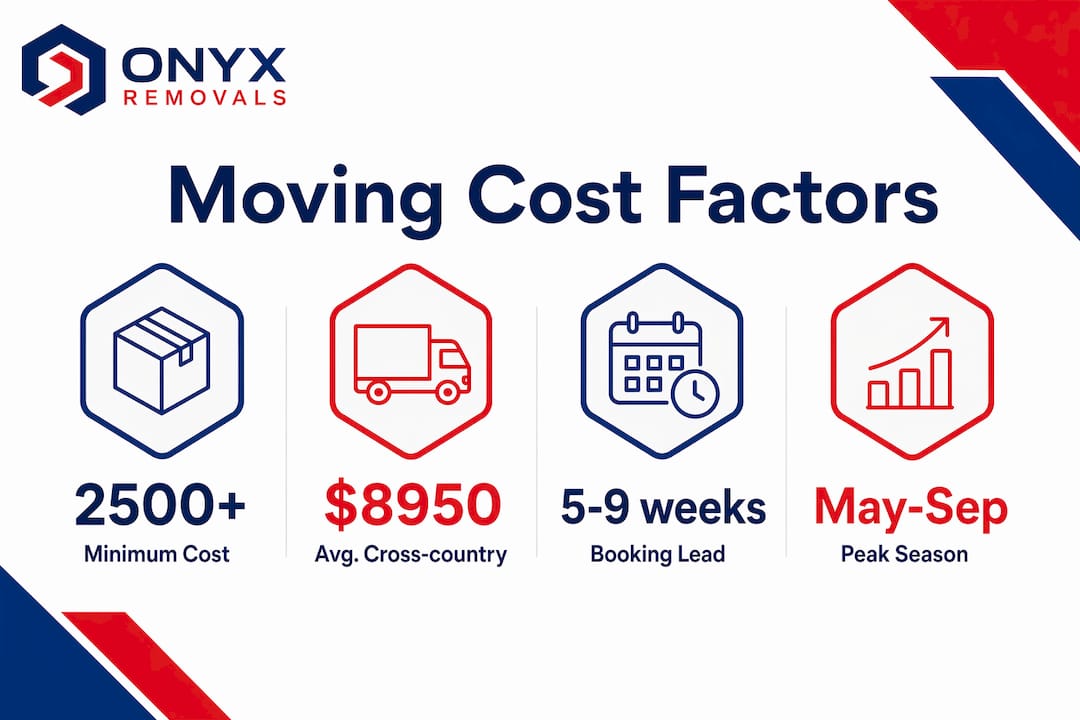
The average cost to move across the country is defined as the total expense of relocating all household goods over long distances, typically ranging from $2,500 to over $12,000 for full-service professional moves. Cross-country moving costs break down by home size, with studios and one-bedroom homes averaging $2,700 to $6,300, two to three-bedroom homes running $4,900 to $10,500, and four-plus bedroom homes reaching $8,200 to $16,800. These figures shift considerably based on distance, shipment weight, service level, and the time of year you choose to move. Understanding these variables before you request a single quote is the most effective way to protect your budget and avoid unwelcome surprises on moving day.
Distance is the most obvious cost driver in any interstate relocation, but it is far from the only one. Professional removalists calculate cross-country moving rates using a combination of mileage fees, fuel surcharges, and the total weight or cubic footage of your shipment. A move of 500 kilometres costs meaningfully less than one spanning 3,000 kilometres, even when the household contents are identical.
Shipment weight and volume sit at the centre of most pricing models. Full-service removalists weigh your goods either before loading or at a certified weigh station, and that number directly determines your transport charge. This means the single most powerful thing you can do before moving day is reduce what you ship.
Service level is the third major variable. Your main options are:
Timing affects pricing more than most people expect. Peak moving season runs from May to September, when demand is highest and removalists can charge accordingly. Weekend bookings also attract a premium over mid-week moves. Access conditions such as flights of stairs, narrow corridors, or the need for a shuttle vehicle to bridge the gap between the truck and your front door can add crew time and fees that do not appear in a standard mileage-based estimate.
Pro Tip: Before requesting quotes, walk through every room and note any access challenges: stairs, tight corners, parking restrictions, or items that require disassembly. Sharing this detail upfront produces far more accurate estimates and prevents cost blowouts on the day.
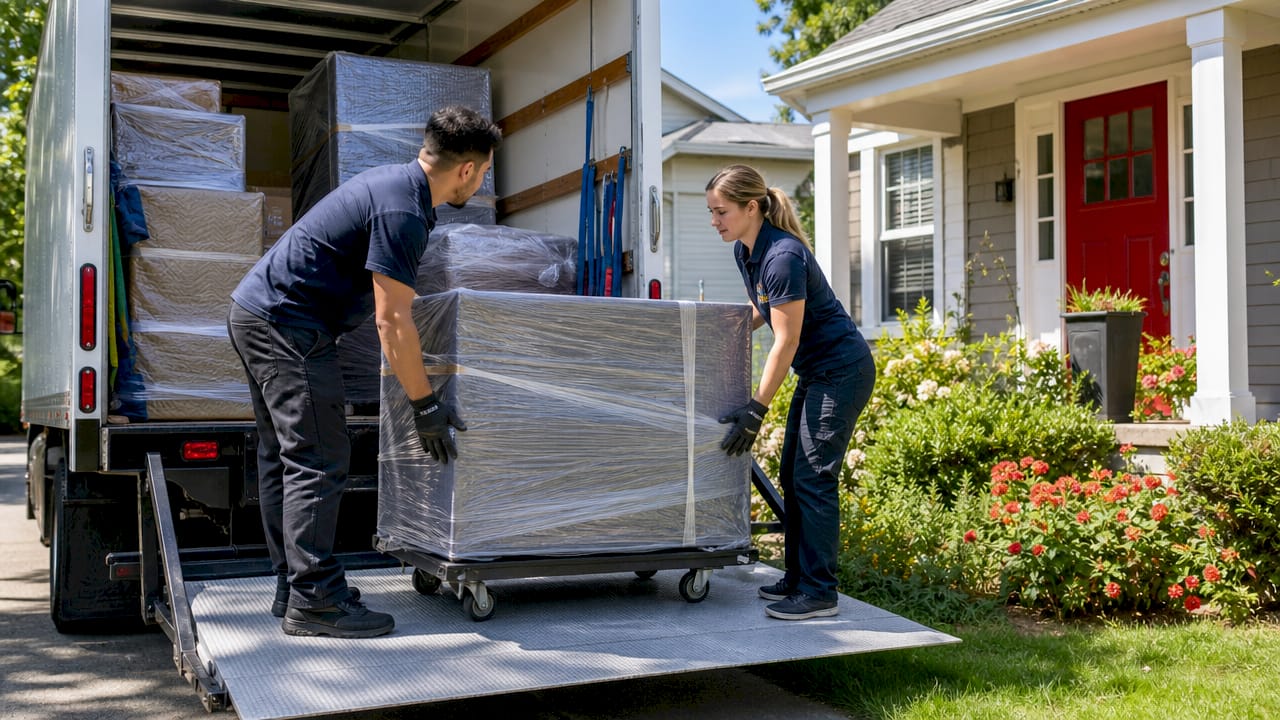
Home size is the clearest predictor of your total interstate moving cost, because larger homes produce heavier shipments and require more crew time. The table below shows typical full-service cost ranges segmented by home size, based on verified 2026 move data.
| Home size | Short distance (under 800 km) | Long distance (800 to 2,500 km) | Cross-country (2,500 km+) |
|---|---|---|---|
| Studio or 1 bedroom | $1,800 to $3,200 | $2,700 to $4,800 | $4,200 to $6,300 |
| 2 to 3 bedrooms | $2,800 to $5,500 | $4,900 to $7,800 | $7,200 to $10,500 |
| 4+ bedrooms | $5,000 to $9,000 | $8,200 to $12,500 | $11,000 to $16,800 |
These ranges assume standard access, no specialty items, and a mid-week booking outside peak season. Your actual quote may sit above or below these figures depending on the variables covered in the previous section.
Regional pricing differences are also significant. A cross-country 3-bedroom move averages $8,950 nationally in 2026, but that figure ranges from $6,200 in the Midwest to $11,200 in high-cost regions such as California and New York. In the Australian context, moves between Sydney and Perth or Melbourne and Darwin sit at the upper end of interstate cost ranges due to the distances involved and the limited number of removalists servicing those corridors.
Shipment weight correlates closely with home size, but the relationship is not perfectly linear. A minimalist two-bedroom household may weigh less than a heavily furnished one-bedroom. If you are moving a two-bedroom home but own minimal furniture, you may find your quote lands closer to the studio range. This is why accurate inventory documentation is so valuable before you approach removalists for pricing.
The upfront cost difference between DIY and full-service moving looks dramatic until you account for every line item. For a two-bedroom home moving 1,500 kilometres or more, full-service moves cost $5,500 to $10,000, while DIY truck rental ranges from $1,800 to $3,500 before indirect costs. That gap narrows considerably once you add fuel, tolls, overnight accommodation, meals on the road, and the physical and time cost of loading and unloading yourself.
The all-in DIY comparison must include hidden costs that many households underestimate. A truck rental for a cross-country move can consume 200 to 400 litres of diesel. Add two nights of accommodation, meals, and tolls, and your real cost climbs by $600 to $1,200 above the hire fee. If anything is damaged during transit because it was not packed by a professional, you bear that cost entirely.
Full-service moving, by contrast, includes professional packing materials, trained loading crews, and transit insurance. The higher price buys you time, reduced physical risk, and accountability if something goes wrong. For families with young children, elderly household members, or complex logistics, the cost difference is often justified.
DIY moving makes the most sense when:
For a detailed comparison tailored to Australian conditions, the DIY vs professional moving breakdown from Onyx Removals covers the real cost differences for Melbourne-based moves in practical terms.
Pro Tip: When comparing DIY and full-service quotes, calculate your hourly rate and multiply it by the total time the DIY move will consume, including packing, loading, driving, and unloading. Most people find the gap between options is smaller than the sticker price suggests.
Timing is one of the few cost levers you control entirely, and it can produce savings of hundreds to thousands of dollars without changing a single item on your inventory list.
Regional demand patterns also matter. Moves out of major cities at the end of financial year periods or school terms attract higher pricing due to concentrated demand. If your destination is flexible by even a few weeks, checking interstate moving costs across different date windows can reveal meaningful price differences.
The average cost to move across the country ranges from $2,500 to over $16,800, with shipment weight, distance, service level, and timing as the four primary cost drivers.
| Point | Details |
|---|---|
| Cost range by home size | Studios average $2,700 to $6,300; four-plus bedroom homes can reach $16,800 for full-service cross-country moves. |
| Shipment weight is the biggest lever | Reducing what you ship before moving day lowers transport charges more than any other single action. |
| DIY costs more than the hire fee | Fuel, tolls, accommodation, and your time close much of the gap between DIY and full-service pricing. |
| Timing saves hundreds | Moving in February instead of July and booking mid-week can reduce costs by 28% or more. |
| Accurate quotes require full detail | Sharing inventory, access conditions, and timing upfront produces estimates within $100 of the final cost. |
After working with hundreds of families planning long-distance relocations, the pattern I see most often is this: people focus on the headline quote and underestimate everything else. They get three numbers from three removalists, pick the lowest, and then discover on moving day that the stairs at their new apartment attract an access fee, or that the piano they forgot to mention costs an extra $400 to handle.
The most useful thing you can do before requesting any quote is conduct a proper inventory pass. Go room by room, note every large item, and be honest about what you actually need to take. Shipment weight reduction is the highest-leverage action available to you, because pricing is weight-based and every kilogram you leave behind is money you keep.
I also think people undervalue the benefit of getting accurate moving quotes by documenting their move thoroughly. A quote based on a vague description of “a two-bedroom house” is not a reliable budget figure. A quote based on a detailed inventory, confirmed access conditions, and a fixed date is something you can actually plan around.
The other thing I would say plainly: the cheapest quote is rarely the best value. A removalist who prices low and then adds fees for every complication will cost you more than one who priced accurately from the start. Ask what is included, what attracts additional charges, and whether the quote is binding or subject to adjustment at weigh-in.
Plan early, reduce your load, document everything, and get at least three detailed quotes. That process will protect your budget better than any single tip I could offer.
— Dinshaw
Onyx Removals provides residential interstate moving services for families and individuals relocating across Australia, with a full range of options including professional packing, secure transport, and short-term storage. Whether you are moving a one-bedroom apartment or a large family home, the team builds a personalised plan around your inventory, timeline, and budget. Getting an accurate quote early is the single best way to avoid cost surprises, and Onyx Removals makes that process straightforward with detailed, obligation-free assessments. Contact the team today to discuss your move and receive a quote based on your actual circumstances, not a generic estimate.
The average cost to move across the country ranges from $2,500 to over $12,000 for full-service professional moves, depending on home size, distance, and service level. Larger homes and longer distances push costs toward the upper end of that range.
A two to three-bedroom home moving long distance typically costs between $4,900 and $10,500 with a full-service removalist. DIY truck rental for the same move ranges from $1,800 to $3,500 before fuel, tolls, and accommodation are added.
The cheapest way to move across the country is a DIY truck rental, which reduces upfront costs but requires you to absorb fuel, tolls, lodging, and the physical labour of loading and unloading. Booking mid-week in off-peak months also reduces costs significantly for both DIY and professional moves.
Booking six to eight weeks in advance is the standard recommendation for interstate moves, particularly during peak season from May to September. Early booking secures better availability and often lower rates than last-minute requests.
Yes. February moves cost up to 28% less than peak July pricing, saving $400 to $700 on a typical three-bedroom cross-country move. Off-peak timing is one of the most reliable ways to reduce your total moving expenses without changing anything else about your move.

No Related Post


