


TL;DR:
- Professional appliance movers utilize specialized equipment and technical expertise to safely relocate heavy household and commercial appliances, preventing damage and ensuring proper handling. They plan routes, secure appliances with heavy-duty dollies and ratchet straps, and require careful pre-move preparations such as defrosting and utility disconnections. Choosing experienced, insured professionals with detailed quotes helps avoid costly errors and ensures a smooth move.
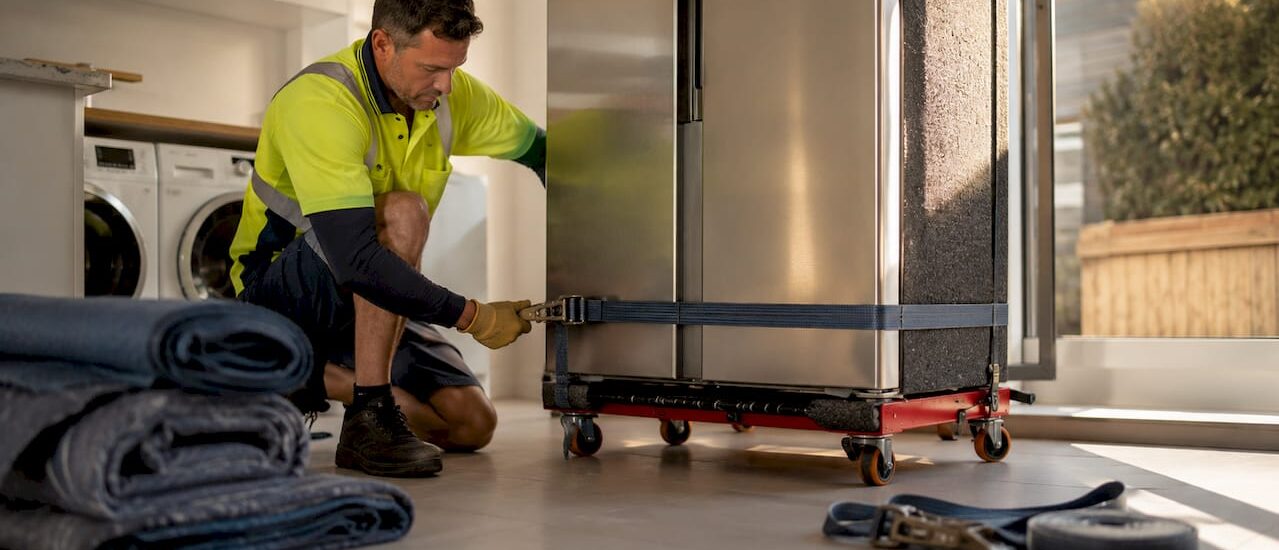
Large appliance movers are specialist removalists trained and equipped to relocate heavy household and commercial appliances safely, protecting both the item and your property throughout the process. Moving a fridge, washing machine, or commercial oven is not simply a matter of muscle. It requires purpose-built equipment, technical knowledge of appliance internals, and careful logistical planning. Whether you are a homeowner shifting to a new suburb, a renter vacating a furnished property, or a business upgrading kitchen equipment, understanding how professional appliance moving services work will save you money, time, and the cost of a damaged floor or broken compressor.
Professional appliance movers do far more than carry heavy items from one room to another. They assess the move in advance, plan the safest route through your property, and arrive with the right tools for the job. Typical appliances they handle include refrigerators, washing machines, dryers, dishwashers, upright freezers, and commercial cooking equipment.
The industry term for this work is specialised removals or heavy item moving, and it sits within the broader removalist trade. What separates it from general furniture moving is the combination of technical appliance knowledge and logistics expertise. Professional movers combine technical knowledge of appliance internals with logistics and equipment to deliver results that a general labourer simply cannot replicate.
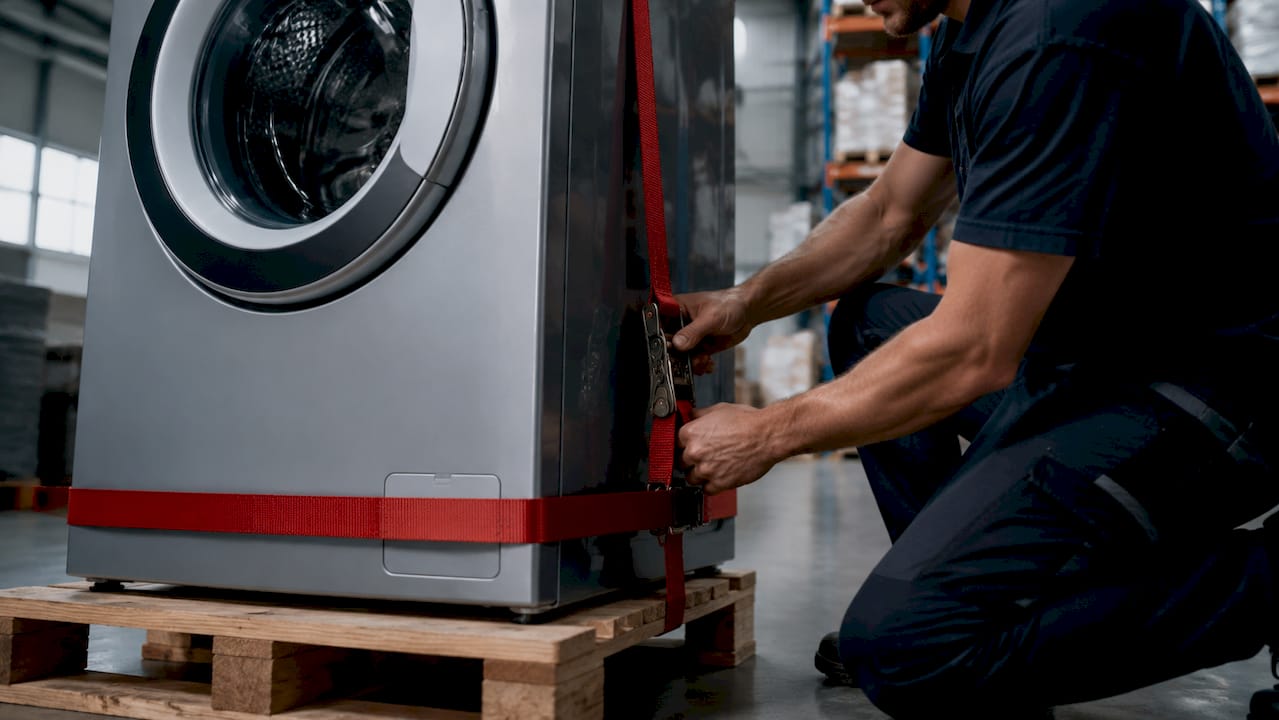
One fact most people overlook: refrigerators must remain upright during transport to prevent compressor oil from migrating into the cooling lines. Washing machine drums must be stabilised before moving to avoid internal breakage. These are not optional precautions. They are the difference between an appliance that works perfectly in your new home and one that fails within a week.
The right equipment is what separates a professional appliance move from a DIY disaster. Professional movers use specialised equipment including heavy-duty dollies and ratchet straps, often costing hundreds of dollars, making hiring far more cost-effective than renting gear yourself.
Here is what a well-equipped crew brings to an appliance move:
The biggest transit risk is uncontrolled shifting inside the truck. Professionals use ratchet straps and padding rather than common blankets to prevent this. That detail alone explains why DIY moves so often result in dented panels or cracked internal components.
Pro Tip: Before booking any crew, ask specifically whether they carry appliance-rated dollies and ratchet straps. A general removalist with furniture dollies is not the same as a specialist with heavy-duty moving equipment.
Pricing for appliance moving is not a flat rate. Cost variables include appliance type, distance moved, number of stairs, and disconnect or reconnect labour. Each of these factors compounds, which is why professional movers provide tailored assessments rather than a single price for all jobs.
Here is a breakdown of the main pricing factors you will encounter in Australia:
| Pricing Factor | How It Affects Your Quote |
|---|---|
| Appliance type | A fridge-freezer costs more to move than a dryer due to size, weight, and fragility |
| Distance | Local moves within Melbourne differ significantly from interstate relocations |
| Number of stairs | Each flight adds labour time and risk, increasing the hourly or job rate |
| Disconnect and reconnect | Gas and water line disconnections require a licensed tradesperson in most states |
| Access difficulty | Narrow hallways, tight lifts, or restricted building access add time and crew requirements |
In Melbourne, a single appliance move within the same suburb typically starts from around $150–$300 for a standard job with no stairs. Add two flights of stairs, a gas disconnection, and a cross-suburb distance, and the same job can reach $500 or more. These are realistic ranges, not guarantees, because every property is different.
Pro Tip: When requesting a quote, provide the exact appliance model, the number of stairs at both addresses, and whether gas or water disconnection is needed. This gives the mover enough detail to give you an accurate figure rather than a rough estimate. You can also use a home removal quote tool to get started.
Understanding what drives moving costs helps you compare quotes fairly and avoid being surprised on the day.
The biggest misconception about appliance moving is that it is all about strength. Appliance moving actually requires delicate logistics and surface protection, not just physical effort. This insight changes how you should evaluate any crew you hire.
Here are the most common challenges professional movers address on every job:
Reliable movers plan routes considering elevator reservations, timing restrictions, and building access challenges to avoid costly delays. Pre-planning access routes and coordinating with building management are what separate a smooth move from a stressful one.
Movers also prioritise preserving internal appliance systems, such as refrigerant lines and mechanical parts, to prevent performance problems after the move. This technical awareness is something a general labourer will not have.
Choosing the right crew is the single most important decision in an appliance move. The benefits of professional movers go well beyond lifting capacity. They include insurance coverage, equipment quality, and the experience to handle unexpected complications without charging you extra.
Here is what to look for when comparing appliance moving services:
Red flags to avoid include movers who quote over the phone without asking for details, crews who arrive without dollies or straps, and companies with no verifiable reviews or ABN. For complex or high-value appliances, consider specialists who focus on heavy appliance moves in Melbourne rather than general removalists who treat appliances as an afterthought.
Pro Tip: Ask the mover directly: “What happens if the appliance is damaged during the move?” Their answer will tell you everything about how seriously they take accountability.
Professional appliance moving requires specialist equipment, technical knowledge, and careful pre-planning to protect both the appliance and your property.
| Point | Details |
|---|---|
| Specialist equipment matters | Heavy-duty dollies and ratchet straps are non-negotiable for safe appliance transport. |
| Pricing varies by job | Stairs, distance, appliance type, and disconnection needs all affect your final quote. |
| Pre-move preparation is your responsibility | Defrost freezers and disconnect utilities at least 24 hours before the crew arrives. |
| Technical knowledge prevents damage | Refrigerators must stay upright; washing machine drums need stabilising before transport. |
| Vet your mover carefully | Check for insurance, appliance-specific experience, and detailed quoting before booking. |
Most homeowners underestimate appliance moves until something goes wrong. I have seen a $3,000 French-door fridge arrive at a new property with a cracked compressor housing because the crew tilted it on its side to fit through a doorway. The owner assumed any removalist could handle it. That assumption cost more than the move itself.
The detail that surprises most people is how much of the risk happens before the truck even moves. A fridge that has not been defrosted leaks water through the truck floor. A washing machine with an unsecured drum rattles its bearings loose on a bumpy road. These are not rare edge cases. They are the predictable results of skipping preparation steps.
My honest recommendation: treat appliance moving as a separate category from furniture moving. The crew, the equipment, and the process are genuinely different. A company that excels at moving sofas and beds may not have the appliance dollies, the technical knowledge, or the experience with building access logistics that a proper appliance move demands.
Cost is a real consideration, but the cheapest quote is rarely the best value when you are moving a $2,000 washing machine or a $4,000 fridge. Ask the hard questions before you book. The right mover will welcome them.
— Dinshaw
Moving large appliances in Melbourne requires a crew that understands both the physical and technical demands of the job. Onyx Removals brings trained staff, purpose-built equipment, and a track record of careful appliance handling to every residential and commercial move.
Whether you are relocating a single fridge or an entire commercial kitchen, Onyx Removals builds a plan around your property, your appliances, and your timeline. The team handles access logistics, floor protection, and load securing so nothing is left to chance. Explore Onyx Removals’ residential moving services or get in touch for a tailored quote that accounts for every variable in your move.
Large appliance movers use purpose-built dollies, ratchet straps, and technical knowledge of appliance internals to prevent damage during transport. General removalists typically lack the specialised equipment and training required for items like refrigerators and washing machines.
Book at least one to two weeks ahead for standard moves, though some movers offer same-day or next-day availability depending on crew schedules and appliance complexity.
Most appliance moving companies expect clients to disconnect water and gas lines before the crew arrives. Defrosting freezers 24 hours before the move is also a standard client responsibility, though some full-service companies offer disconnection as an add-on.
Yes. Professional crews plan for elevator reservations, building access restrictions, and tight hallways as part of the job. Pre-planning access routes and coordinating with building management are standard practice for experienced movers.
Confirm the mover carries public liability insurance, ask about their appliance-specific experience, and request a detailed quote that accounts for stairs, distance, and any disconnection requirements.

No Related Post


