


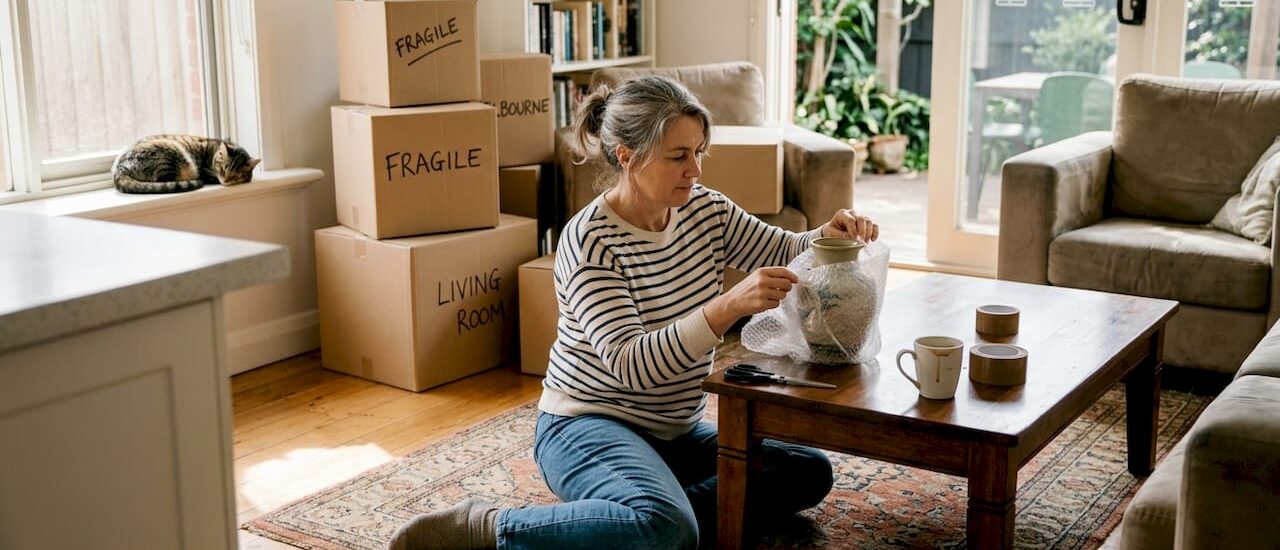
Moving house can be exciting, but the thought of your grandmother’s china or that expensive artwork arriving in pieces is enough to keep anyone up at night. In Melbourne, where the moving industry handles thousands of relocations each year, fragile items require tailored packing materials to cushion and absorb shocks during transport. This guide walks you through proven strategies to protect your delicate belongings, from proper preparation to expert packing techniques that prevent damage.
| Point | Details |
|---|---|
| Materials ready | Gather bubble wrap in various sizes, plain packing paper, foam sheets, sturdy corrugated boxes, heavy duty tape and markers before you begin packing. |
| Layering technique | Use a layering system inside boxes with a thick cushioning base, wrapped items, and crumpled paper to fill gaps and prevent shifting. |
| Appropriate box sizes | Choose smaller boxes for heavy items and medium boxes for lighter pieces to keep weights manageable and reduce crush risk. |
| Colour coded labels | Colour coded labels with FRAGILE on all sides and at the top help movers identify and handle fragile boxes correctly. |
Fragile items encompass anything that can crack, shatter, or sustain damage from impact during a move. Common examples include glassware, ceramics, electronics, artwork, mirrors, and antiques. Each category faces unique vulnerabilities during transport.
Glassware and ceramics are susceptible to shattering from direct impact or pressure. Electronics can suffer internal damage from vibration or static electricity. Artwork and mirrors risk scratching, cracking, or frame damage. Understanding these specific vulnerabilities helps you choose appropriate protection methods.
Temperature fluctuations during transport can also affect certain items. Wooden furniture may warp, while electronics can develop condensation issues. Identifying your fragile items before packing allows you to prioritise protection efforts and allocate resources effectively.
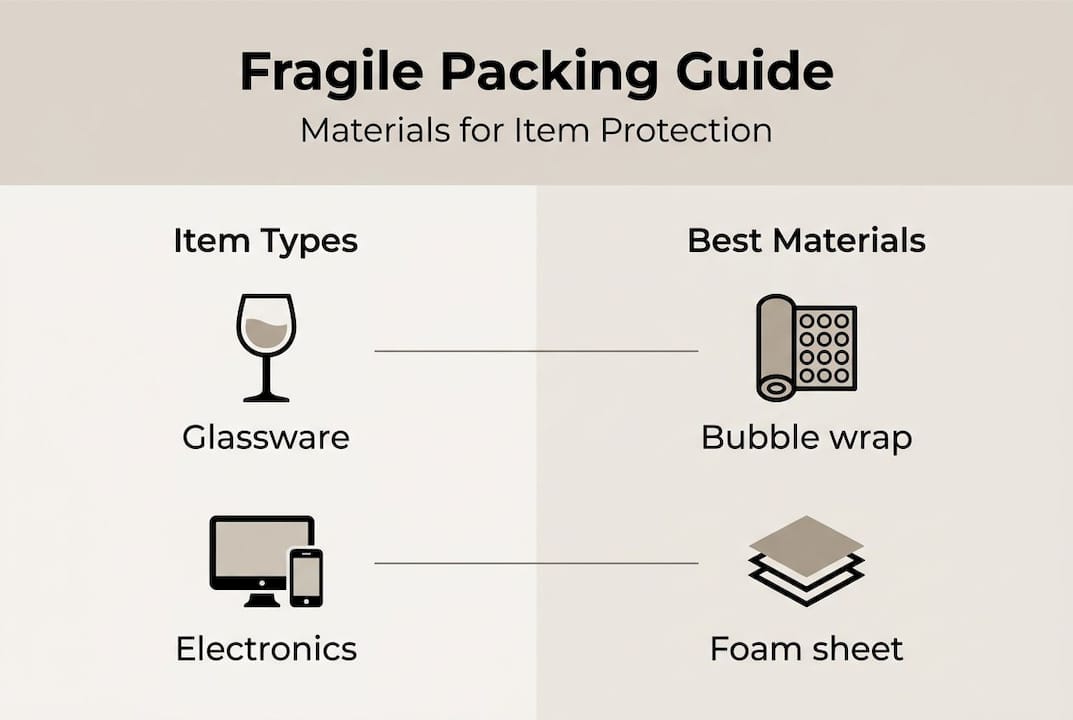
The right materials make all the difference. When you pack fragile items safely, matching protection to item type becomes crucial. Here’s a comparison of fragile item categories and their packing requirements:
| Item type | Primary vulnerability | Recommended materials | Special considerations |
|---|---|---|---|
| Glassware | Impact, pressure | Bubble wrap, dividers, sturdy boxes | Pack upright, never on side |
| Electronics | Vibration, static | Anti-static wrap, original boxes | Remove batteries, secure cords |
| Artwork | Scratching, moisture | Acid-free paper, corner protectors | Use picture boxes or crates |
| Ceramics | Shattering, chips | Multiple wrap layers, foam sheets | Fill hollow areas first |
| Mirrors | Cracking, edge damage | Cardboard sandwiching, tape grid | Mark glass side clearly |
Pro Tip: Inspect each fragile item before packing and photograph any existing chips, cracks, or damage. This documentation helps with insurance claims and focuses your protection efforts on already vulnerable areas.
The weight of fragile items also influences packing strategy. Heavier ceramic pieces need reinforced boxes, while lightweight glass ornaments require gentle cushioning without compression. Recognising these distinctions prevents common packing errors that lead to breakage.
Gathering quality materials before you start packing saves time and prevents mid-task interruptions. Essential supplies include bubble wrap in various sizes, plain packing paper, foam sheets, sturdy corrugated boxes, heavy-duty packing tape, and permanent markers for labelling.
Avoid using newspaper for wrapping, as ink can transfer onto items and acidic paper may damage delicate surfaces over time. Plain packing paper provides a clean, protective layer. Packing materials for moving should meet professional standards, as using specialised packing materials like bubble wrap, packing paper, and sturdy boxes significantly reduces breakage risk.
Your packing workspace matters as much as your materials. Set up a clean, flat surface at waist height to prevent back strain. A dining table or kitchen benchtop works well. Clear the area of clutter and keep all materials within arm’s reach.
Organise your materials by type:
When choosing removal packing boxes, select smaller boxes for heavy fragile items and medium boxes for lighter delicate pieces. Oversized boxes become too heavy when filled with fragile items, increasing the risk of dropping or crushing contents.
Pro Tip: Create a layering system inside boxes by placing a thick cushioning base, adding wrapped items, then filling gaps with crumpled paper before adding another layer. This sandwich approach distributes pressure evenly and prevents items from shifting.
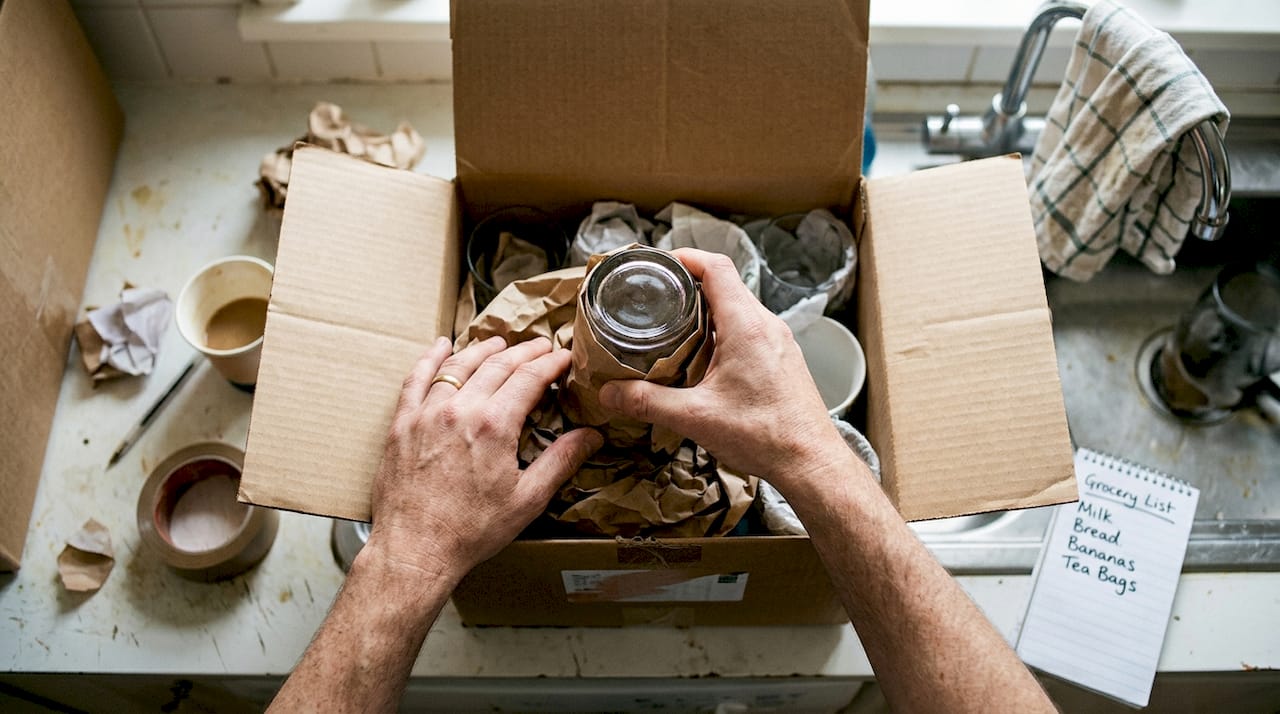
Colour-coded labelling systems help movers identify fragile boxes instantly. Use bright red or orange labels marked “FRAGILE” on all sides and the top. Add specific room destinations to streamline unpacking. Some movers prefer numbering systems that correspond to inventory lists, providing an extra layer of organisation.
Prepare a dedicated staging area for packed boxes. Keep them separate from general household items and stack them carefully with heavier boxes on the bottom. Never place fragile boxes in high-traffic areas where they might be knocked over.
Following a structured packing sequence reduces the chances of damage and simplifies unpacking. This methodical approach ensures consistent protection across all your delicate belongings.
Follow these numbered steps for optimal results:
Different packing approaches suit different situations. Here’s how they compare:
| Approach | Best for | Advantages | Disadvantages | Cost |
|---|---|---|---|---|
| DIY packing | Budget-conscious moves, simple items | Full control, lower cost | Time-consuming, learning curve | Materials only |
| Professional packing | High-value items, time constraints | Expert handling, insurance coverage | Higher upfront cost | Service fees plus materials |
| Hybrid approach | Mixed inventory with some valuable pieces | Balance of cost and expertise | Requires coordination | Selective service fees |
Common pitfalls during the packing process include:
Pro Tip: Pack heavier fragile items like ceramic serving bowls at the bottom of boxes and lighter pieces like wine glasses on top. This weight distribution prevents crushing while maintaining stability during transport.
“Proper labelling isn’t just about marking boxes as fragile. Clear, specific labels help movers understand exactly how to handle each box, where to place it in the truck, and which boxes need extra care during loading and unloading.”
When packing plates, stack them vertically rather than flat. This orientation makes them more resistant to pressure and less likely to crack. Place cardboard or foam sheets between each plate for additional protection.
For items with multiple components, pack small parts in sealed plastic bags and tape them to the main item. This prevents loss and simplifies reassembly. Label bags clearly with contents and which item they belong to.
Consider the fragile item transport guide principles when loading your vehicle or coordinating with removalists. Fragile boxes should never be placed on the bottom of stacks or near heavy furniture that might shift.
Even experienced movers make errors that jeopardise fragile items. Many breakages occur due to insufficient cushioning, poor box sealing, or improper stacking. Recognising these mistakes helps you avoid costly damage.
Typical packing errors include:
The newspaper mistake deserves special attention. While it seems economical, newspaper ink can permanently stain delicate items, particularly light-coloured ceramics and glassware. The paper itself is also thinner and less protective than proper packing paper.
Overpacking creates multiple problems. Bulging boxes are difficult to seal properly, leaving gaps where items can shift. The excess weight makes boxes harder to carry safely, increasing the risk of drops. Internal pressure can crack items even before the move begins.
Box quality matters more than many people realise. Used boxes from grocery stores may have weakened corners or compromised structural integrity. For fragile items, invest in new, double-walled boxes rated for the weight you’re packing.
Pro Tip: If you own high-value or particularly delicate items like crystal collections, original artwork, or antique furniture, consider investing in professional packing services for those specific pieces. The expertise and specialised materials often cost less than replacing damaged items.
Labelling mistakes also cause problems. Vague labels like “Kitchen” don’t alert movers to fragile contents. Always write “FRAGILE” in large letters on multiple sides. Include handling instructions like “Keep Upright” or “Do Not Stack” when relevant.
Some items shouldn’t be packed at all. Check the list of what not to pack for moving before you start. Hazardous materials, perishables, and certain valuables require different handling approaches.
Timing errors create rushed packing. Starting too late leads to careless wrapping and inadequate protection. Begin packing fragile items at least two weeks before your move date. This allows time for careful, methodical work without pressure.
Temperature considerations often get overlooked. Don’t pack fragile items and leave them in hot garages or cold storage areas for extended periods. Extreme temperatures can weaken adhesives on tape, cause condensation inside boxes, or damage temperature-sensitive items.
When the stakes are high and your fragile possessions are irreplaceable, professional expertise makes the difference between a successful move and a stressful disaster. Packing delicate items requires more than just bubble wrap and boxes.

Onyx Removals brings years of specialised experience to fragile item handling throughout Melbourne. Our team understands the unique challenges of protecting everything from everyday glassware to priceless antiques. We use professional-grade materials and proven techniques that go beyond standard packing methods.
Our residential removal services include comprehensive fragile item care from start to finish. We assess your belongings, recommend appropriate protection levels, and handle every step of the packing process. This means you can focus on other aspects of your move while we ensure your delicate items arrive safely.
The professional packing services we offer include access to specialised materials not typically available to DIY movers. Custom crating, professional-grade padding, and purpose-built boxes for specific items provide superior protection. Our team also carries comprehensive insurance, giving you peace of mind throughout the moving process.
Whether you need full-service packing or just want to purchase quality packing materials for moving, we’re here to help. Contact us today to discuss your fragile item packing needs and get a personalised quote for your Melbourne move.
Wrap each glass individually in bubble wrap or packing paper, securing with tape to prevent unwrapping. Place glasses upright in sturdy boxes with at least 5cm of cushioning material on all sides, never laying them on their sides. Fill any gaps between glasses with crumpled paper to prevent shifting, and clearly label boxes as fragile. For more detailed guidance, see our packing fragile items guide.
Use anti-static bubble wrap specifically designed for electronics to prevent static damage, and pack items in their original boxes when possible. Padded boxes with foam inserts provide excellent protection for electronics without original packaging. Never place heavy items on top of electronics boxes, and always label them as fragile with “This Side Up” arrows. Quality packing materials for moving electronics make a significant difference in preventing damage.
Professional packers have specialised materials and extensive experience handling high-value, delicate antiques that DIY methods can’t match. They understand proper wrapping techniques, appropriate cushioning levels, and how to prevent common damage during transport. Hiring experts reduces both the physical risk to your items and the stress you experience during the move. Our professional packing services include insurance coverage that provides additional protection for irreplaceable pieces.
Begin packing fragile items at least two weeks before your moving date to allow time for careful, methodical work. Starting early prevents rushing, which leads to inadequate protection and increased breakage risk. Pack items you use infrequently first, saving everyday dishes and electronics until closer to moving day. This timeline also gives you opportunity to source quality materials and test your packing techniques on less valuable items.
Never mix fragile and non-fragile items in the same box, as heavier objects can shift during transport and crush delicate pieces. Keep fragile items in dedicated boxes with appropriate cushioning and clear labelling. This separation also helps movers identify which boxes need extra care during loading and unloading. If you must combine items due to space constraints, place fragile items on top with substantial cushioning barriers separating them from heavier objects below.

No Related Post


