


Waste disposal shapes the way our cities, homes, and environment stay clean and safe. You might think the main concern is just getting rubbish out of sight, but the truth runs much deeper. Improper waste management has caused everything from toxic groundwater contamination to serious health impacts for entire communities. This flips the usual thinking and puts waste disposal at the centre of public health, social equity, and even economic stability.
| Takeaway | Explanation |
|---|---|
| Prioritise waste prevention and reduction | Minimising waste at the source is essential for effective waste management and environmental protection. |
| Implement rigorous waste segregation practices | Organising waste correctly enables better recycling, treatment, and recovery of materials, reducing overall waste impact. |
| Adopt circular economy principles | Viewing waste as a resource encourages sustainable practices that focus on recycling and resource recovery instead of disposal. |
| Ensure safe handling of hazardous waste | Specialized protocols are critical for managing hazardous waste, protecting human health and the environment from harmful substances. |
| Integrate technology for waste management improvements | Advanced technologies can enhance waste processing efficiency, reduce ecological impact, and turn waste into valuable resources. |
Waste disposal represents a critical environmental management process that involves systematically handling discarded materials to minimise potential negative impacts on human health and ecological systems. At its core, waste disposal encompasses the collection, transportation, treatment, and ultimate elimination of unwanted materials generated by human activities.
In its broadest sense, waste disposal involves managing different types of waste streams including residential, commercial, industrial, and hazardous materials. According to Queensland Government Environmental Guidelines, waste disposal strategies aim to reduce environmental contamination and promote sustainable resource management.
The fundamental objectives of effective waste disposal include:
Waste disposal is not merely a technical process but a complex system with significant environmental and social implications. Improper waste management can lead to severe consequences, such as groundwater contamination, soil degradation, air pollution, and potential health risks for local communities.
Modern waste disposal approaches increasingly emphasise the principles of circular economy, where materials are viewed as resources rather than mere waste. This perspective encourages innovative recycling techniques, waste-to-energy technologies, and comprehensive strategies that prioritise resource recovery over simple disposal.
Effective waste disposal involves multiple interconnected strategies:
By understanding waste disposal as a holistic process, communities and organisations can develop more sustainable approaches to managing their material consumption and waste generation cycles.
Safe waste disposal transcends mere environmental compliance, representing a critical responsibility for protecting public health, ecological systems, and sustainable community development. Proper waste management is fundamental to preventing widespread environmental and human health risks that can emerge from negligent disposal practices.
Unsafe waste disposal poses significant risks to human and ecological well-being. Australian Government Environmental Health Research indicates that improper waste management can lead to numerous health complications and environmental degradation.
The potential consequences of unsafe waste disposal include:
Beyond immediate health risks, unsafe waste disposal carries substantial economic and social consequences. Communities that fail to implement robust waste management strategies often face significant long-term financial burdens related to environmental remediation, healthcare costs, and ecosystem restoration.
Comprehensive waste disposal practices contribute to broader societal goals by:
Effective risk mitigation in waste disposal requires a multifaceted approach that integrates technological solutions, regulatory frameworks, and community engagement. This involves implementing stringent waste segregation protocols, investing in advanced treatment technologies, and developing comprehensive environmental education programs.
By prioritising safe waste disposal, communities can transform potential environmental liabilities into opportunities for sustainable development, resource conservation, and collective ecological responsibility.
Waste management requires a nuanced understanding of different waste categories, each demanding specific handling, treatment, and disposal approaches. Effective waste management begins with precise classification, recognising that different materials present unique environmental and health challenges.
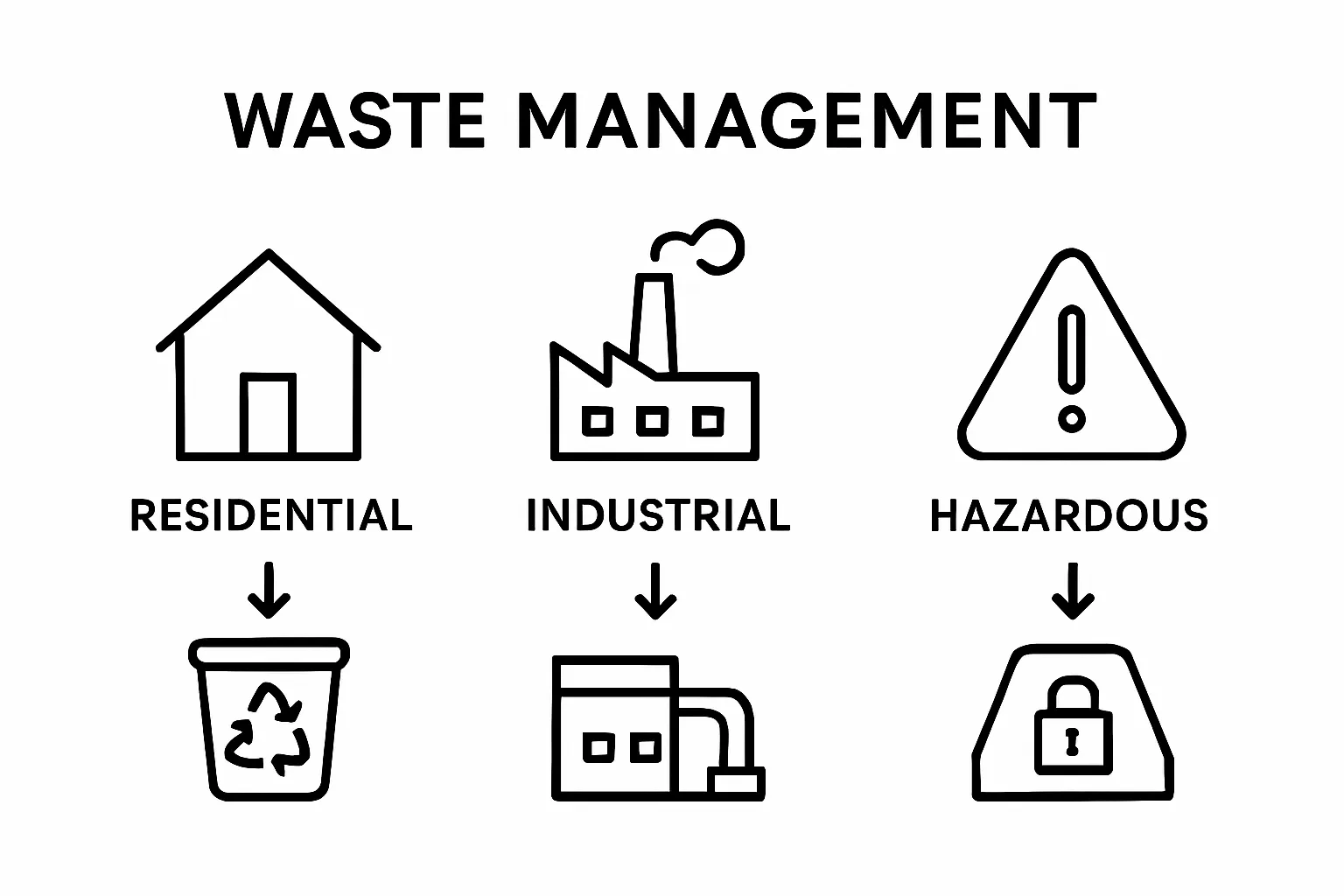
Residential waste represents the most common waste stream encountered in urban and suburban environments. Australian Environment Protection Authority classifies this category as typically including household rubbish, recyclable materials, organic waste, and occasional bulky items.
Key components of residential waste include:
Complex waste management strategies are crucial for industrial and commercial sectors, which generate significantly more diverse and potentially hazardous waste types. These waste streams often require specialised treatment protocols to mitigate environmental and health risks.
Industrial waste categories typically encompass:
Hazardous waste represents the most critical waste management challenge, requiring stringent handling, transportation, and disposal protocols. These materials pose substantial risks to human health and environmental systems, necessitating highly specialised management approaches.
Key characteristics of hazardous waste include:
By understanding the nuanced characteristics of different waste types, communities and industries can develop more targeted, effective waste management strategies that minimise environmental impact and maximise resource recovery.
Below is a table summarising the main types of waste described in the article, along with their key characteristics and typical management approaches.
| Waste Type | Key Characteristics | Typical Management Approaches |
|---|---|---|
| Residential/Municipal | Household rubbish, recyclables, organics, some bulky items | Collection, segregation, recycling, composting |
| Industrial/Commercial | Manufacturing byproducts, chemicals, construction debris | Specialised treatment, recovery, regulation |
| Hazardous | Toxic, risk of contamination, strict compliance requirements | Stringent handling, neutralisation, secure disposal |
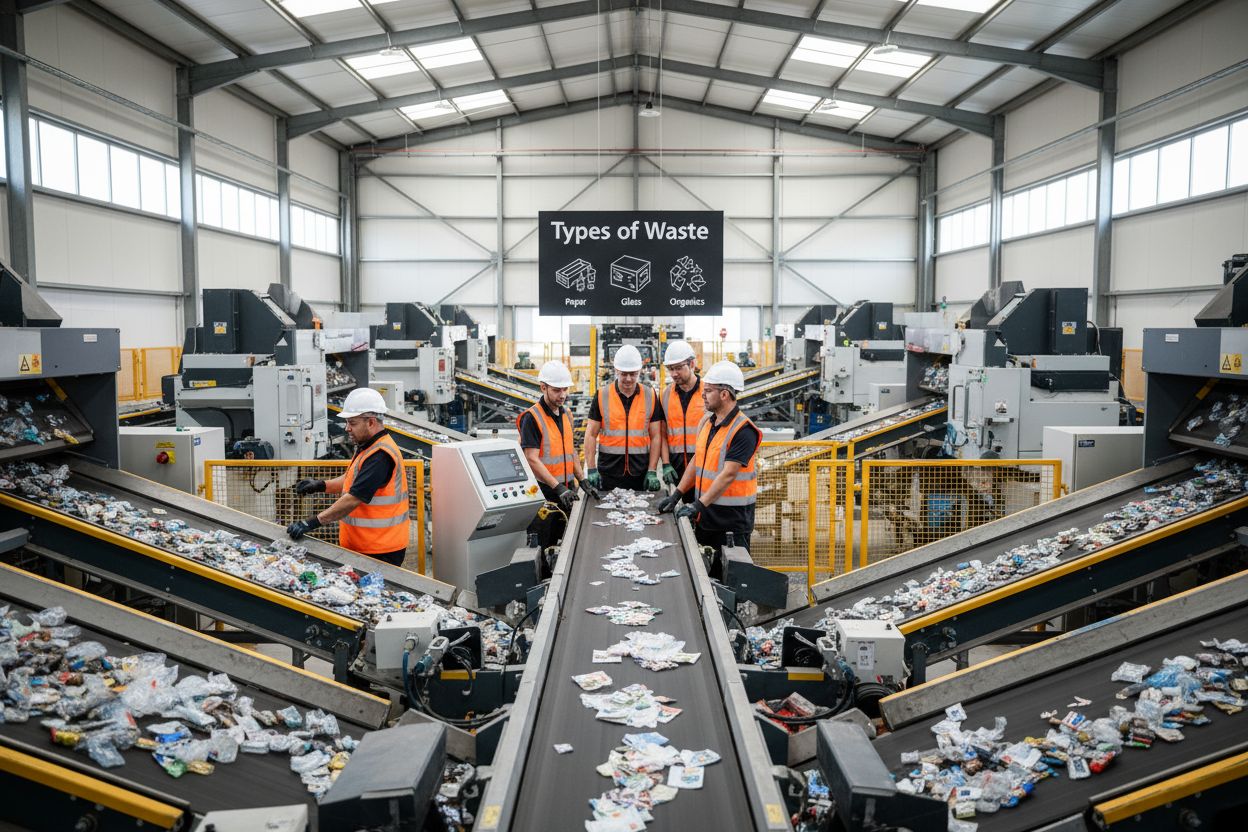
Waste disposal represents a complex, multi-stage system that transforms discarded materials from potential environmental hazards into manageable resources. The process involves sophisticated technological and logistical strategies designed to minimise ecological impact and maximise resource recovery.
The initial stage of waste disposal focuses on systematic collection and precise material segregation. Waste Management Australia highlights that effective segregation is crucial for enabling subsequent recycling and treatment processes.
Key collection and segregation principles include:
Advanced technological systems play a critical role in waste processing, transforming raw waste materials through various treatment methodologies. These processes aim to reduce waste volume, extract recoverable resources, and neutralise potentially harmful components.
Waste treatment approaches encompass:
The concluding stage of waste disposal involves responsible landfill management, recycling, or innovative conversion techniques. Modern waste management strategies prioritise resource recovery and circular economy principles, seeking to minimise material wastage.
Final disposal methods include:
By understanding these intricate processes, communities can develop more sustainable waste management approaches that balance environmental protection with resource efficiency.
The table below outlines the major stages involved in modern waste disposal processes, offering a clear overview of their main functions and examples.
| Stage | Main Function | Examples of Actions/Technologies |
|---|---|---|
| Collection & Segregation | Gather and separate waste at source | Colour-coded bins, community education, sorting |
| Treatment & Processing | Reduce volume and recover resources | Mechanical shredding, thermal treatment, composting |
| Final Disposal/Recovery | Safely dispose or recover value from remaining waste | Landfill, waste-to-energy, recycling |
Waste disposal represents a critical intersection between human activity and environmental preservation, with profound implications for global ecological systems. Modern waste management approaches increasingly recognise the need to transform waste from an environmental burden into a potential resource for sustainable development.
Australian Government Environmental Strategies highlight the significant environmental challenges arising from traditional waste disposal methods. Improper waste management can trigger cascading ecological disruptions that extend far beyond immediate disposal sites.
Key environmental risks include:
Sustainability in waste disposal demands a comprehensive, systemic approach that reimagines waste as a potential resource rather than a disposable problem. This perspective drives innovative strategies focused on waste reduction, material recovery, and circular economic models.
Critical sustainability principles encompass:
Emergent technologies and progressive policy frameworks are transforming waste disposal from a linear consumption model to a regenerative ecological approach. These innovations focus on creating systemic solutions that balance environmental protection with economic efficiency.
Transformative strategies include:
By embracing these holistic approaches, societies can transition from waste management to resource stewardship, creating more resilient and sustainable environmental systems.
If you have ever worried about where your unwanted items go or felt stressed about the environmental impact of moving day waste, you are not alone. As detailed in our article on waste disposal, unsafe handling of rubbish can harm your health, pollute the environment, and add stress during an already hectic time. Onyx Removals understands that responsible disposal is more than just an afterthought—it is essential for your wellbeing and for sustainability in Melbourne.

Whether you are relocating your home or business, our experienced team manages every part of your waste disposal process as part of a comprehensive moving solution. We follow best practice collection, segregation, and recycling methods so you can rest easy knowing your move is safe and eco-friendly. Do not let clutter pile up or risk damaging the environment—connect with us today through Onyx Removals and discover a seamless, responsible move. Your peace of mind and a cleaner future start with one step. Book now and make waste management one less thing to worry about.
Waste disposal is the process of managing discarded materials, including their collection, transportation, treatment, and disposal, to minimise negative impacts on human health and the environment.
Proper waste disposal is essential for protecting public health, preventing environmental pollution, conserving natural resources, and reducing landfill volumes. It helps mitigate health risks and supports sustainable community development.
The main types of waste include residential and municipal waste, industrial and commercial waste, and hazardous waste, each requiring specific handling and disposal methods due to their unique characteristics.
Ineffective waste disposal can lead to significant environmental issues such as groundwater contamination, air pollution, greenhouse gas emissions, and habitat destruction. Sustainable waste management aims to minimise these impacts by recovering materials and reducing waste generation.

No Related Post


