


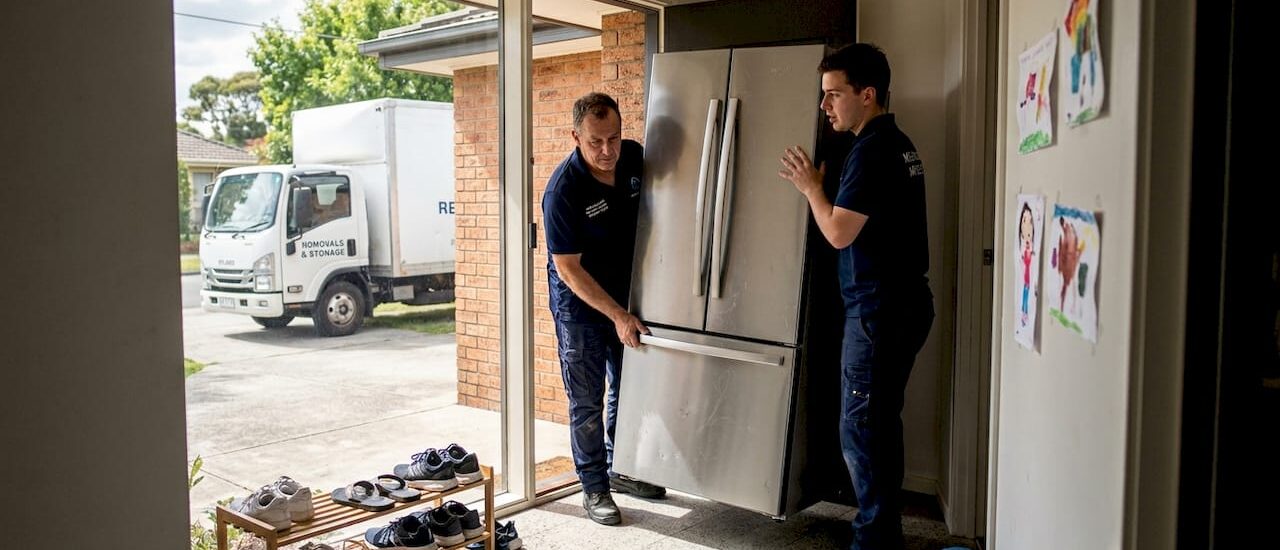
Attempting to move a heavy fridge, bulky sofa, or upright piano on your own is far more dangerous than most Melbourne homeowners realise. In fact, DIY moves carry a 34% injury rate compared to the minimal risk seen with professional removalists. Whether you are clearing out after a renovation, downsizing, or shifting to a new suburb, big item removal demands proper planning, the right equipment, and a clear understanding of your options. This guide walks you through everything: what qualifies as a big item, how to compare your removal choices, what professionals actually do on the day, and how to keep your removal legal and eco-friendly.
| Point | Details |
|---|---|
| DIY carries high risk | Attempting removal yourself means a 34% injury risk and possible extra costs. |
| Professionals bring safety | Licensed and insured removalists use proper gear and techniques for a safer, faster move. |
| Eco-friendly disposal matters | Choosing removalists with green practices reduces landfill and increases community benefit. |
| Good prep saves time | Measure, photograph, and list all big items early for a smooth, accurate removal process. |
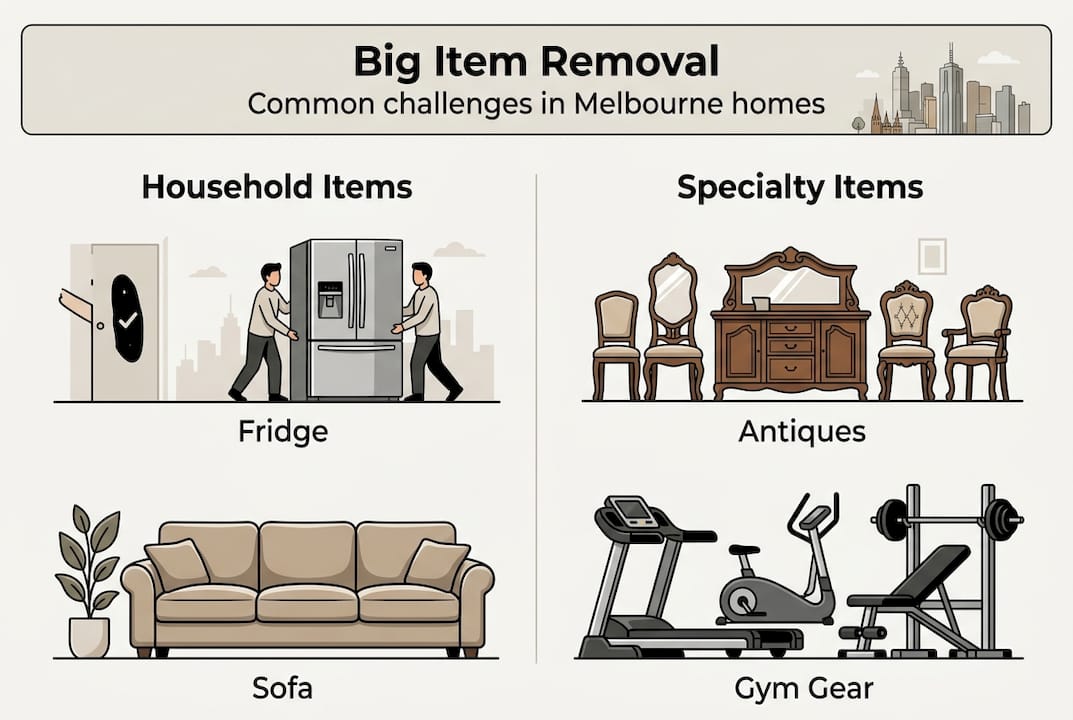
Not every piece of furniture qualifies as a “big item” in the removalist sense, but the category is broader than most people expect. Generally, a big item is anything that requires more than one person to lift safely, cannot fit through a standard doorway without disassembly, or weighs more than 50 kilograms. These items demand specialised handling, and key methodologies include disassembly of furniture, use of specialised equipment, and proper site assessment before anything is moved.
Common big items found in Melbourne homes include:
The most common scenarios where big item removal becomes necessary are moving house, clearing out after a renovation, and downsizing from a family home to a smaller property. Each situation brings its own access challenges: tight stairwells, narrow doorways, multi-storey apartments without lifts, and long carries from upper floors.
If you are dealing with removing speciality items like antiques or gym equipment, the complexity increases further. A professional large furniture removal service accounts for all of these variables before the truck even arrives.
| Item type | Typical weight | Main challenge |
|---|---|---|
| Fridge/freezer | 60 to 120 kg | Plumbing, fragile compressor |
| Upright piano | 150 to 250 kg | Weight distribution, stairs |
| L-shaped sofa | 80 to 150 kg | Awkward shape, tight corners |
| Gym treadmill | 80 to 140 kg | Folding mechanism, floor damage |
| Double wardrobe | 60 to 100 kg | Height, instability when empty |
Once you know what needs to go, the next question is how to get rid of it. Melbourne homeowners typically weigh up three options: council hard rubbish collection, doing it themselves, or hiring a professional removalist. Each has genuine merit, but the differences in risk and outcome are significant.
Council collection is free and environmentally responsible, but it comes with strict rules about what is accepted, scheduled pickup windows that can mean waiting weeks, and limits on the volume of items per household. It works well for smaller loads with flexible timelines.
DIY removal is tempting because it feels like a cost saving. But DIY risks a 34% injury rate and can result in fines for illegal dumping if items are left on nature strips outside designated collection periods. Hidden costs add up fast: hiring a van, buying straps and padding, and taking time off work often exceed the cost of a professional booking. As outlined in bulky furniture removal guidance, DIY is tempting but risky and costly long-term.
Professional removalists offer same-day availability, insurance cover, and significantly higher recycling rates. They bring the right gear, the right team, and the knowledge to navigate Melbourne’s trickiest access situations.
| Option | Cost | Speed | Safety | Eco outcome |
|---|---|---|---|---|
| Council collection | Free | Slow (weeks) | Low risk | Good |
| DIY | Low upfront | Flexible | High risk | Variable |
| Professional removalist | Moderate | Same day | Minimal risk | Best |
Pro Tip: Before deciding, check your local council’s hard rubbish schedule. If your pickup is more than two weeks away and you need the space now, a professional removalist is almost always the better value when you factor in your time and safety.
For a detailed breakdown, the DIY moving vs professional comparison covers costs and risks in depth. You can also explore your furniture disposal options to find the right fit for your situation.
Professional big item removal is not simply “a couple of strong people with a truck.” There is a structured process behind every job, and it is what separates a smooth removal from a damaged wall, a back injury, or a scratched floor.
Here is how a professional team typically approaches a big item removal:
“The difference between a professional removal and a DIY attempt often comes down to preparation. A site assessment alone can prevent hours of frustration and thousands of dollars in damage.”
Licensed and insured teams are essential. If a removalist is not insured and something goes wrong, you could be liable for injuries or property damage. Always ask for proof of insurance before booking.
Pro Tip: Ask your removalist if they offer eco-focused disposal. Many reputable Melbourne companies will donate usable items to op shops or recycling centres rather than sending everything to landfill.
For more detail, the furniture removal tips resource covers expert advice, and the guide on how to move heavy furniture safely is worth reading before your booking.
Even when you hire professionals, your preparation makes a real difference to how smoothly the day runs. A little groundwork saves time, reduces costs, and avoids last-minute surprises.
Here is what to do before your removal team arrives:
As expert removal guidance confirms, booking early, measuring access, and photographing your items leads to more accurate quotes and fewer surprises. If you want to get accurate removal quotes, having this information ready speeds up the process considerably.
It is also worth reviewing items not to pack before your move, as some household items cannot legally travel in a removal truck.
One of the most overlooked aspects of big item removal is what happens to your items after they leave your home. Getting this wrong can cost you money, harm the environment, and even result in a fine.
Illegal dumping is a serious issue in Melbourne. Leaving furniture on a nature strip outside of your council’s designated hard rubbish period is illegal and can attract significant fines. Council services are free but limited, and donating usable items and recycling increase sustainability outcomes for the whole community.
Here are your best eco-friendly disposal options:
“Choosing a removalist with an eco-focus is one of the simplest ways to ensure your old furniture or appliances do not end up in landfill unnecessarily.”
For a full breakdown of your choices, the eco-friendly furniture disposal guide covers Melbourne-specific options in detail.
Now that you understand the risks, the process, and the eco-friendly options available, the next step is finding a team you can trust to handle it all. Onyx Removals specialises in exactly this: safe, licensed, and eco-focused big item removal for Melbourne homeowners.
Whether you need help with a single heavy appliance or a full house clearance, Onyx Removals offers residential moving solutions tailored to your situation. The team brings the right equipment, the right insurance, and a genuine commitment to sustainable disposal. For unusual or high-value pieces, the specialty item removal expertise ensures your items are handled with care from start to finish. Ready to get started? Get a removal quote online in minutes and take the stress out of your next big item removal.
Same-day removal is available with most professional services, though it typically costs more than a standard booking. For the best availability and pricing, book at least a week in advance.
Reputable removalists prioritise donation and recycling, with council services also available for eligible items. Items that cannot be donated or recycled may go to landfill, so choosing an eco-focused removalist makes a real difference.
Licensed removalists carry insurance that covers both personal injury and property damage. Always ask for proof of cover before your booking to protect yourself from liability.
Yes, most services allow you to combine items of different sizes in a single booking. List all items upfront when requesting a quote so the team can bring the right equipment and price the job accurately.

No Related Post


